Find Bronze Ribbon Sculpture for Garden, Home, and Public Decor
Source 30 Bronze Ribbon Sculpture options from verified suppliers in Guangdong. Buyers can compare life-size custom models, lost wax casting techniques, and European styles suitable for outdoor gardens, home decorations, and commercial souvenirs.
Key considerations
Products List
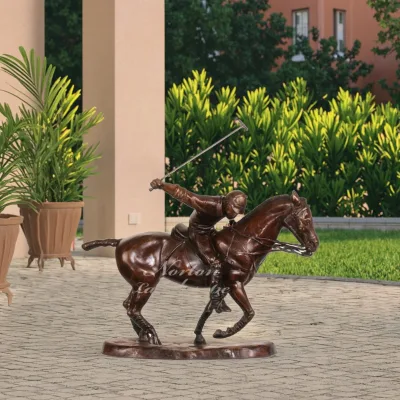

Modern Abstract Metal Crafts Copper Figure Statue Bronze Body Sculpture
$1200.00 - $1599.00
MOQ: 1 Pieces


Modern and Abstract Stylized Standing Bronze Sculpture for Garden Art
$2588.00 - $3899.00
MOQ: 1 Pieces


$289.00 - $969.00
MOQ: 1 Pieces


Western Bronze Sculpture Bronze Jesus Statue Sculpture Religious Statue
$2000.00 - $5000.00
MOQ: 1 Pieces

Large Outdoor Modern Metal Abstract Ribbon Stainless Steel Sculpture
$2500.00 - $6000.00
MOQ: 1 Pieces


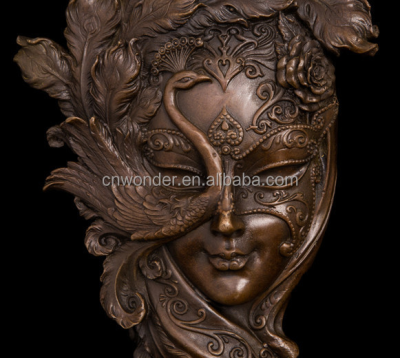


Customized Stainless Steel Polished Memorial Metal Figures Art Sculpture
$1500.00 - $9000.00
MOQ: 1 Pieces

Comprehensive Sourcing Guide
Strategic Sourcing Guide for Bronze Ribbon Sculptures
Understanding Product Specifications and Material Composition
When sourcing a Bronze Ribbon Sculpture, the primary objective is to verify that the physical attributes align with the intended aesthetic and structural requirements. Based on the available market data, these sculptures are predominantly defined by their material composition, which includes bronze, copper, and general metal alloys. The core manufacturing technique identified is the lost wax casting method, often referred to as the "Lost Wax Method" or "Lost Wax Casting." This process is critical for achieving the intricate details required for ribbon-like forms, which demand high fidelity in texture and flow. The production process is frequently described as "Hand-Made," indicating a reliance on artisanal skill rather than purely automated industrial molding. This manual intervention is essential for the "Exquisite Casting & High Polishing" finish often observed in these products.
The shape of the sculpture is typically "Customized," allowing buyers to specify unique dimensions or forms. The size specifications vary significantly, with options ranging from "Life Size" to "Life Size or Larger," and in some cases, "Customized Sizes" that can be tailored to specific spatial constraints. The style is often categorized as "figure" or "Creative," with a strong inclination toward "European & American" design sensibilities. The surface treatment involves "Painted" finishes and "Casting" techniques, with "other" plating options available to achieve specific color outcomes, such as the observed "Black" color variant. The ribbon motif itself is often realized through a "1:1 Clay Model" process, ensuring that the final metal cast is an exact replica of the original artistic design.
Technical Manufacturing Processes and Finishing Standards
The technical integrity of a Bronze Ribbon Sculpture relies heavily on the precision of the casting and patina application. The "Lost Wax Casting" process involves creating a wax model, encasing it in a ceramic shell, melting out the wax, and pouring molten bronze into the cavity. This method is superior for complex shapes like ribbons because it captures fine details that sand casting cannot. Following the casting, the "Patina" application is a crucial step. This chemical process creates the final color and protective layer on the metal surface. Buyers must verify that the supplier possesses the technical capability to apply patinas consistently, as variations in temperature and chemical concentration can lead to uneven coloring.
The "Hand-Made" aspect of the processing suggests that finishing touches, such as polishing and assembly, are performed manually. This is particularly relevant for ribbon sculptures where the flow of the metal must appear seamless. The "Special" attribute of a "1:1 Clay Model" indicates that the supplier creates a full-scale prototype before casting. This step is a significant quality control measure, allowing the buyer to approve the form before the irreversible casting process begins. The "Technical" specifications also mention "High Polishing," which is necessary to remove casting imperfections and prepare the surface for patination or clear coating. The "Process" of "Casting" is the central pillar of production, and any deviation from this standard method may result in a product that lacks the structural integrity or aesthetic depth expected of a high-quality bronze sculpture.
Application Scenarios and Functional Suitability
Bronze ribbon sculptures serve a diverse range of applications, extending from private collections to public spaces. The observed "Application" categories include "Art & Collectible," "Holiday Decoration & Gift," "Advertising," and "Home Decoration." For commercial buyers, the "Usage" often centers on "Souvenirs," "Commerce Gift," and "Collection" items. The versatility of these sculptures is highlighted by their suitability for both "Outdoor" and "Home" environments. Specifically, they are designed for "Outdoor Garden Decor" and "Outdoor and Public Decor," suggesting that the material and finishing processes are robust enough to withstand environmental exposure.
The "Style" of the sculpture, often described as "European & American" or "Creative," influences its placement. In a "Home Decorations" context, the ribbon motif adds an artistic, flowing element to interior spaces. In "Outdoor" settings, the "Metal" and "Bronze" materials provide durability against weather elements, provided the patina and protective coatings are applied correctly. The "Type" is classified as "Decoration," emphasizing its primary function as an aesthetic object rather than a functional tool. The "Brand Name" associated with these products, such as "JIANGXIN," often appears in listings where the origin is "Guangdong, China," indicating a concentration of manufacturing expertise in this region. Buyers should ensure that the specific application (e.g., a public park vs. a private lobby) dictates the required finish and protective measures.
Cost Drivers and Procurement Parameters
The pricing for bronze ribbon sculptures exhibits a wide range, observed between $79 and $9,000 USD. This variance is driven by several key factors, including the size of the sculpture, the complexity of the design, and the level of customization required. A "Life Size" sculpture will naturally command a higher price than a smaller, decorative piece due to the increased volume of metal and labor hours involved. The "MOQ" (Minimum Order Quantity) is a critical procurement parameter, with observed values ranging from "1 Piece" to "20" units. This flexibility allows for both single-unit acquisitions for private collectors and bulk orders for commercial distribution or event decoration.
The "Transport" method is another cost driver, with options including "by Sea," "by Air," and "by Land." For large, heavy bronze sculptures, sea freight is the most common and cost-effective method, though it requires careful packaging. The "prod_packing" is typically a "Strong Wooden Case" or a "Wooden Crate with Soft Foam Inside" to prevent damage during transit. The "Insurance" coverage, such as "Cover All Risks," adds to the overall cost but is essential for high-value shipments. The "Advantage" of "Factory Directly Supplying" can help mitigate costs by removing intermediary markups, but buyers must verify the factory's capacity and reputation. The "Standard" for production is often "Customized," meaning that each order may require a unique setup, which can impact the final unit cost compared to mass-produced items.
Supplier Evaluation and Quality Assurance Protocols
Evaluating a supplier for bronze ribbon sculptures requires a rigorous assessment of their technical capabilities and production history. Buyers should verify the supplier's experience with the "Lost Wax Method" and their ability to produce "1:1 Clay Models." The "Place of Origin" is a significant indicator, with "Guangdong, China" being a prominent hub for metal casting and sculpture manufacturing. However, the specific location should not be the sole determinant of quality; the supplier's track record with "Hand-Made" processes is more critical. Buyers must inquire about the "Technical" expertise of their artisans, specifically regarding "Patina" application and "High Polishing" techniques.
Quality assurance should focus on the "Process" of "Casting" and the final "Finish." Inspectors should check for casting defects such as air pockets, cold shuts, or incomplete fills, which are common in complex ribbon shapes. The "Material" verification is essential to ensure the product is indeed "Bronze" or "Copper" and not a lower-grade alloy. The "Style" consistency must be maintained across the batch, especially for "Customized" orders. The "Usage" context should be matched with the appropriate durability standards; for example, outdoor sculptures require more robust protective coatings than indoor pieces. The "Brand Name" and "Model Number" (e.g., QT-0021, MLYBF-110) serve as reference points for tracking specific product lines and ensuring consistency in future orders.
Long-Term Procurement and Maintenance Considerations
Sourcing bronze ribbon sculptures is not a one-time transaction but a long-term relationship that requires attention to maintenance and logistics. The "Suitable for" attribute, which includes "Outdoor" and "Home," dictates the maintenance schedule. Outdoor sculptures are exposed to rain, UV radiation, and temperature fluctuations, necessitating periodic inspection and re-application of protective coatings to prevent oxidation or corrosion. The "Color" stability, such as the "Black" finish, must be verified for its resistance to fading or chalking over time.
The "Packing" specifications, such as the "Strong Wooden Case," are vital for long-term storage and transport. Buyers should ensure that the packaging includes adequate "Soft Foam" to cushion the sculpture against impact. The "Transport" logistics, particularly for "Life Size or Larger" items, require specialized handling equipment and potentially custom freight arrangements. The "MOQ" flexibility allows buyers to scale their orders based on demand, but they must plan for the "Lead Time" associated with "Hand-Made" production. Since the process involves multiple stages from clay modeling to casting and patination, the timeline can be extended. Buyers should also consider the "Special" attributes, such as the "1:1 Clay Model," as a long-term asset that can be used for future reproductions or variations of the design.
Comparative Analysis of Product Models and Attributes
To facilitate informed decision-making, buyers can compare different product models based on their specific attributes. The following table summarizes the key variations observed in the market data, highlighting differences in model numbers, sizes, and technical specifications.
| Product Model | Size Specification | Material | Technique | Application Focus | Transport Method |
|---|---|---|---|---|---|
| QT-0021 | Life Size or Customized | Metal, Bronze | Painted, Casting | Art & Collectible, Outdoor | By Sea |
| MLYBF-110 | Life Size or Larger | Metal | Lost Wax Casting | Outdoor Garden Decor | By Sea |
| MLYBA-829 | Customized | Metal | Lost Wax Method | Outdoor and Public Decor | By Sea, Air, Land |
| MQBF-001 | Life Size | Metal | Casting | Home Decorations, Collection | By Sea, Air, Land |
| MWBFS--0007 | Customized | Metal | Casting | Advertising, Holiday Gift | By Sea |
| MHBF--001 | Life Size | Metal | Casting | Souvenirs, Commerce Gift | By Sea |
| MQBF-004 | Customized | Metal | Casting | Art & Collectible | By Sea |
This comparison illustrates that while the core material and technique remain consistent, the size and application focus vary significantly. Buyers should select the model that best aligns with their specific spatial and aesthetic requirements. The "Customized" size option is available across most models, offering flexibility for unique projects. The "Transport" methods also vary, with some models supporting air and land transport in addition to sea freight, which may be crucial for time-sensitive deliveries or remote locations. By carefully analyzing these attributes, buyers can ensure they procure a Bronze Ribbon Sculpture that meets both their immediate needs and long-term strategic goals.
FAQs
How is the Bronze Ribbon Sculpture manufactured?
The sculpture is produced using the lost wax casting method with hand-made finishing. This process ensures intricate details are captured from a 1:1 clay model before the metal is poured and polished.
What materials are used for these sculptures?
These sculptures are crafted from metal, specifically bronze and copper. The material choice allows for durability in both outdoor garden settings and indoor home decoration applications.
Can I order a customized size for this sculpture?
Yes, customization is available for life size or larger dimensions. Buyers can specify unique shapes and sizes to fit specific spatial constraints for their art or commercial projects.
Which styles are available for bronze ribbon sculptures?
The available styles include figure, European and American designs, and creative variations. These styles cater to diverse aesthetic needs ranging from private collections to public outdoor decor.
How much is the minimum order quantity for these items?
The minimum order quantity starts at one piece for most models. This low threshold allows collectors to purchase single units while factories support larger commercial orders up to twenty pieces.
What is the typical packaging for shipping these sculptures?
Products are shipped in strong wooden cases or wooden crates with soft foam inside. This packaging protects the hand-made pieces during transport by sea, air, or land.
Where are these bronze sculptures manufactured?
The sculptures originate from Guangdong, China, a hub for metal casting expertise. This location supports the factory direct supply of high-quality bronze and copper art pieces.