Source Mongolian Yurt Glass Candle Cup for Home Decor, Festivals, Daily Use
Find 30 suppliers offering the Mongolian Yurt Glass Candle Cup in various sizes and colors. Buyers can compare specifications like capacity, print methods, and packaging options to select the right vessel for home decoration, festivals, or daily use applications.
Key considerations
Products List
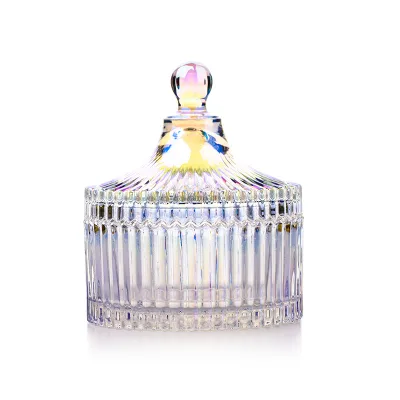
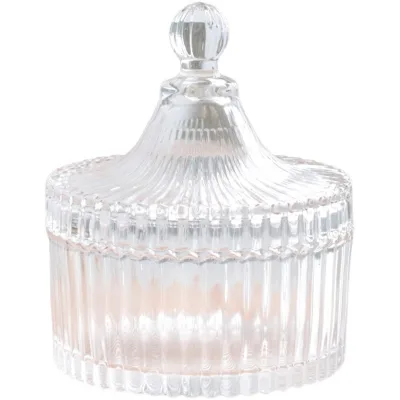
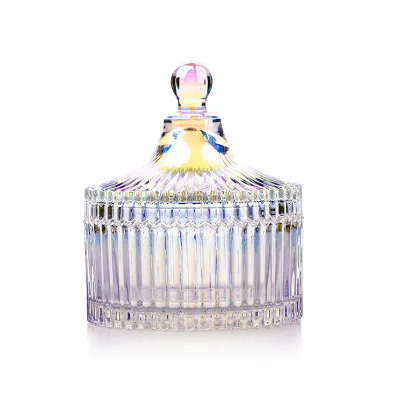
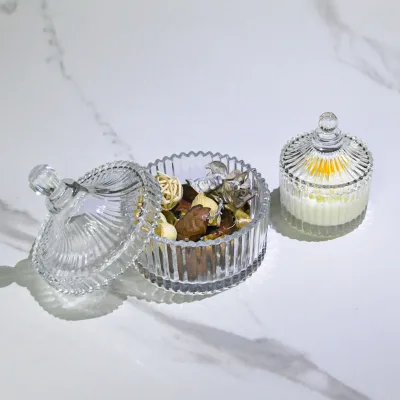


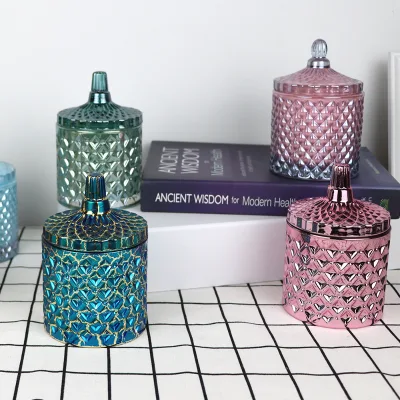
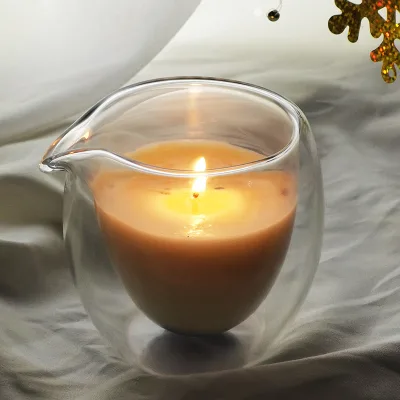


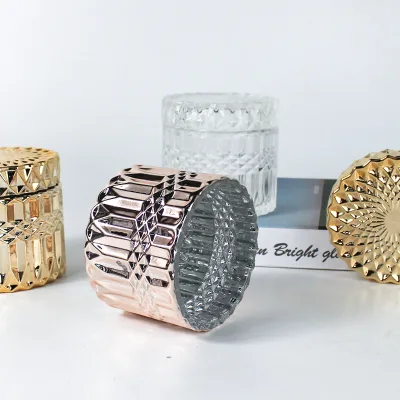


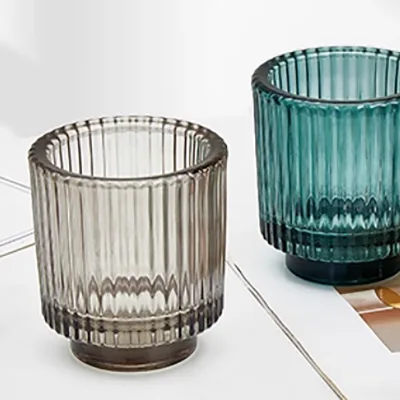


Comprehensive Sourcing Guide
Sourcing Guide for Glass Candle Containers in the Home Decor Sector
The global demand for sustainable home decor and artisanal candle-making has driven a significant shift in procurement strategies for glass candle containers. While the specific search term "Mongolian Yurt Glass Candle Cup" may suggest a niche aesthetic or a specific cultural design, the actual market data indicates a broader category of glass candle jars and cups available from manufacturers in China. Buyers must navigate the distinction between specific design motifs and the fundamental technical specifications of the product. The following guide provides a disciplined approach to sourcing these items, focusing on verified attributes, compliance requirements, and supply chain logistics based on current market observations.
Technical Specifications and Material Composition
The core of any successful procurement for glass candle containers lies in understanding the precise material and dimensional specifications. The primary material observed in the current market is glass, specifically noted for its durability and aesthetic versatility. Buyers should verify that the glass meets the necessary thickness standards to prevent cracking under thermal stress. Available data indicates a thickness of 0.5 cm for certain models, which is a critical parameter for ensuring the vessel can withstand the heat generated by a burning candle without structural failure.
Dimensions vary significantly depending on the intended capacity and style. Common specifications include a diameter of 14.5 cm with a height of 15 cm for a 650ml capacity, and a smaller variant with a diameter of 10.5 cm and a height of 12.5 cm for a 300ml capacity. These measurements are essential for calculating shipping volumes and ensuring the final product fits the buyer's retail packaging or display requirements. The market also offers custom size options, allowing for bespoke procurement to match specific design visions, such as those inspired by traditional yurt structures, though the physical dimensions must be explicitly defined in the purchase order.
Color and finish are equally critical. The observed product range includes transparent glass, as well as specialized finishes like "dazzle colour," "glossy stone color," and "amber." These finishes affect the light diffusion and the overall ambiance of the candle. For buyers seeking a specific aesthetic, such as the warm glow associated with traditional nomadic dwellings, the amber or glossy stone options may be preferable. However, it is vital to treat these color descriptions as observations of available stock rather than guaranteed standards for every unit, as batch variations can occur.
Printing Methods and Customization Capabilities
Customization is a primary driver for B2B procurement in this sector. Manufacturers offer a wide array of printing methods to apply logos, branding, or decorative patterns to the glass surface. The available techniques include Letterpress Printing, Silk Screen Printing, Digital Printing, Offset Printing, UV Printing, and Embossing Printing. Each method offers distinct advantages regarding durability, color vibrancy, and cost. For instance, Silk Screen Printing is often preferred for solid, opaque logos, while UV Printing allows for high-definition, full-color graphics with a glossy finish.
The number of colors supported by these methods ranges from single-color applications up to six-color processes. This flexibility allows buyers to execute complex branding strategies. Furthermore, the acceptance of customized logos is a standard feature across many suppliers, with options for OEM (Original Equipment Manufacturer) and ODM (Original Design Manufacturer) services. This means buyers can not only brand existing molds but also request modifications to the mold itself to create unique shapes or textures that align with their brand identity.
Compliance, Certification, and Safety Standards
When sourcing glass containers for consumer use, particularly those involving open flames, compliance with safety and quality standards is non-negotiable. The supply chain data highlights that reputable manufacturers often hold ISO 9001:2015 and ISO 14001:2015 certifications. These certifications indicate that the supplier adheres to international standards for quality management and environmental management, respectively. While the presence of these certifications is a strong indicator of a reliable supplier, buyers must verify the validity of these certificates for the specific factory being engaged, as certifications can be facility-specific.
The product classification falls under HS Number 7013, which covers glassware of a kind used for table, kitchen, toilet, or office purposes. This classification is crucial for determining import duties and ensuring the product is correctly categorized in the buyer's home market. Additionally, buyers should verify that the glass used is lead-free and safe for food contact if the containers are intended for dual use or if local regulations require specific food-grade standards. The "Eco-Friendly" feature noted in product attributes suggests that the manufacturing process may prioritize sustainable materials or energy efficiency, but buyers should request specific data on the carbon footprint or recycling capabilities of the glass to substantiate this claim.
Cost Drivers and Pricing Dynamics
Understanding the cost structure of glass candle containers is essential for accurate budgeting. The observed price range in the market spans from $0.13 to $3.30 USD per unit. This wide variance is driven by several factors, including the complexity of the mold, the thickness of the glass, the type of printing applied, and the volume of the order. Thicker glass and multi-color printing processes will naturally command a higher price point compared to standard, single-color, thin-walled vessels.
The Minimum Order Quantity (MOQ) is another significant cost driver. Data shows MOQs ranging from as low as 20 pieces to as high as 10,000 pieces. For startups or those testing new designs, suppliers with lower MOQs (e.g., 20 to 500 units) are preferable, even if the unit cost is slightly higher. Conversely, established brands looking to optimize margins should target suppliers capable of handling high-volume orders, where the per-unit cost drops significantly. The supply ability of manufacturers, often cited as 100,000 to 500,000 pieces per month, ensures that large orders can be fulfilled without significant delays, provided the production timeline is negotiated in advance.
Supplier Evaluation and Production Logistics
Evaluating a supplier requires a holistic view of their production capabilities, lead times, and logistical reliability. The production time for these items is typically around 30 days, though this is often negotiable based on order volume and current factory capacity. Sample times are generally shorter, averaging around 7 days, which allows buyers to validate the product quality before committing to a full production run.
The place of origin for the majority of these products is Hubei, China, with some suppliers located in Shanghai. Buyers should consider the logistics implications of these locations, including port accessibility and shipping costs. The packaging details reveal that suppliers offer various options, from bulk packing with egg inner crakes and trays to custom gift boxes with PVC windows. The choice of packaging significantly impacts the final landed cost and the risk of breakage during transit. For fragile glass items, investing in robust packaging, such as poly-foam boxes or master cartons with inner protection, is highly recommended to minimize loss.
Quality Control and Long-Term Procurement Strategy
Implementing a rigorous quality control (QC) protocol is essential to ensure consistency. Buyers should define clear acceptance criteria for dimensions, color accuracy, and printing quality. The "New" condition of the products implies they are manufactured to current standards, but visual inspections for defects such as bubbles, scratches, or uneven printing are necessary. For high-volume orders, third-party inspection services can be employed to verify that the goods meet the agreed specifications before shipment.
Long-term procurement success depends on building a sustainable relationship with suppliers who can adapt to changing market demands. The availability of OEM and ODM services allows for continuous product evolution. Buyers should also consider the "Selling Units" aspect; while many products are sold as single items, bulk purchasing strategies can yield better margins. The "Daily Use" and "Various Festivals" occasions suggest that these products have a broad market appeal, making them suitable for year-round sales strategies.
To summarize, sourcing glass candle containers requires a balance between technical precision, compliance verification, and strategic cost management. By focusing on verified attributes such as glass thickness, capacity, and certification status, buyers can mitigate risks and ensure a steady supply of high-quality products. The market offers a diverse range of options, from standard transparent jars to customized, multi-colored vessels, catering to a wide spectrum of consumer preferences.
Comparative Analysis of Product Attributes
The following table summarizes the key attributes observed in the market to assist buyers in making informed comparisons between different product offerings.
| Attribute Category | Observation A | Observation B | Observation C |
|---|---|---|---|
| Model Number | BLG-MYH-131 | BLG-MYH-130 | Ss1336 |
| Capacity | 650ml | 300ml | Custom Size |
| Dimensions | D14.5cm * H15cm | D10.5cm * H12.5cm | Variable |
| Color Options | Dazzle, Glossy Stone, Amber | Clear | Transparent |
| Glass Thickness | 0.5 cm | 0.5 cm | To be verified |
| MOQ | 20 pcs | 50000 pcs | Negotiable |
| Printing Methods | Silk Screen, UV, Digital | Can Be Printed | Customized Logo |
| Packaging | Bulk Box, Gift Box | Normal Safe Packing | Custom Box |
| Origin | Hubei, China | Shanghai, China | China |
| Certification | ISO 9001, ISO 14001 | ISO 9001, ISO 14001 | To be verified |
This comparison highlights the diversity in the market. Observation A represents a mid-range option with moderate MOQs and specific aesthetic finishes. Observation B reflects a high-volume, low-MOQ scenario often associated with standard clear glass products. Observation C indicates the availability of fully customized solutions, though specific technical details must be confirmed with the supplier. Buyers should use this framework to align their specific project requirements with the most suitable product profile, ensuring that the final procurement meets both functional and aesthetic goals.
FAQs
What printing methods are available for glass candle jars?
Multiple printing methods including Letterpress, Silk Screen, Digital, Offset, UV, and Embossing are available. These techniques support single-color applications up to six-color processes for custom branding on the glass surface.
Can I order custom sizes for glass candle containers?
Yes, custom size options are available for procurement. Buyers can specify unique dimensions to match specific design visions, such as those inspired by traditional yurt structures, though physical measurements must be defined in the order.
Which certifications do manufacturers typically hold for glass products?
Reputable manufacturers often hold ISO 9001:2015 and ISO 14001:2015 certifications. These indicate adherence to international standards for quality and environmental management, though buyers should verify validity for the specific factory engaged.
How does the MOQ vary for glass candle jar suppliers?
Minimum Order Quantities range from 20 pieces to 10,000 pieces depending on the supplier. Startups may find lower MOQs preferable, while established brands often target high-volume orders to optimize per-unit costs.
What are the standard dimensions for 650ml glass candle jars?
Standard dimensions for 650ml capacity jars are typically 14.5 cm in diameter and 15 cm in height. These measurements are critical for calculating shipping volumes and ensuring the product fits retail packaging requirements.
Can suppliers provide OEM and ODM services for candle jars?
OEM and ODM services are applicable for glass candle jars. Buyers can brand existing molds or request modifications to create unique shapes and textures that align with their specific brand identity.
What is the typical production time for glass candle containers?
The typical production time is around 30 days, though this is often negotiable. Sample times are generally shorter, averaging 7 days, allowing buyers to validate quality before committing to full production runs.