Source Motorcycle Black Rearview Mirror for Bikes, Scooters, and ATVs
Compare 30 listings for the Motorcycle Black Rearview Mirror with options for universal fit, ISO9001 certification, and delivery within 25 days. Buyers can review specifications like material, view angle, and warranty terms from verified suppliers in China.
Key considerations
Products List
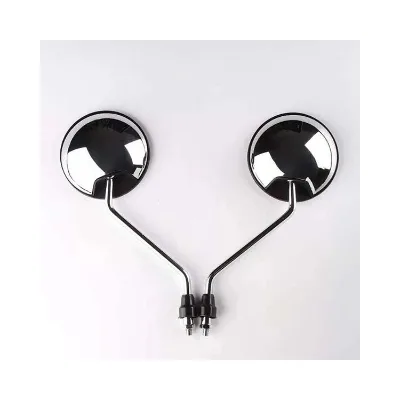


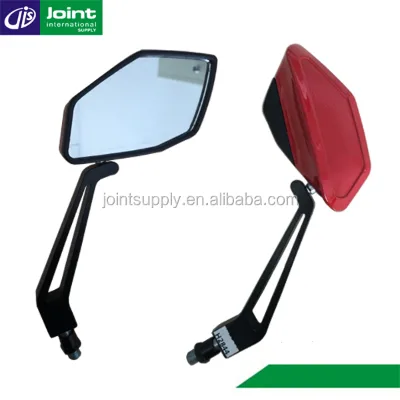


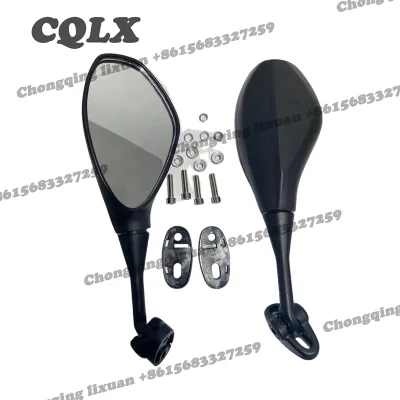


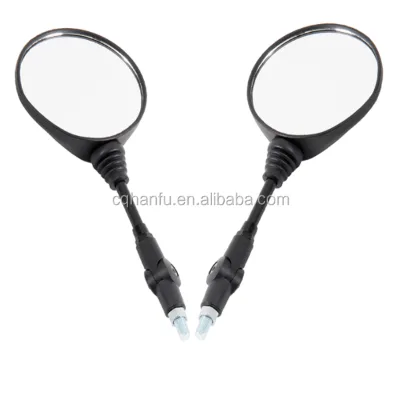


Comprehensive Sourcing Guide
Strategic Sourcing Guide for Motorcycle Black Rearview Mirrors
Procuring motorcycle rearview mirrors requires a disciplined approach that balances aesthetic consistency with rigorous safety standards. For buyers specifically targeting the "Motorcycle Black Rearview Mirror" segment, the supply chain presents a diverse array of options ranging from universal fitments to specialized models. The market data indicates a significant volume of listings, with an observed product count of 30 distinct items available in current catalogs. Understanding the nuances of these listings is critical for establishing a reliable supply chain that delivers high-quality components without compromising on safety or regulatory compliance. This guide outlines the essential technical, logistical, and quality parameters necessary for successful procurement in this category.
Technical Specifications and Material Composition
The foundational aspect of sourcing a motorcycle rearview mirror lies in understanding the specific technical attributes that define the product. The core keyword "black" suggests a specific aesthetic requirement, yet the underlying material composition varies significantly across suppliers. Analysis of available product data reveals that mirrors are constructed from a variety of materials, including Stainless Steel, Plastic, and ABS (Acrylonitrile Butadiene Styrene). The choice of material directly impacts durability, weight, and resistance to environmental factors.
For a black finish, the manufacturing process often involves powder coating or specific plating techniques. Some listings specify "Aluminum Plating" for the mirror surface itself, which is a critical component for optical clarity. The housing material, often ABS or Plastic, must be robust enough to withstand vibration and impact. A key specification to verify is the inner diameter of the mounting stem, which typically ranges between 29.6mm and 31.0mm. This range is crucial for ensuring compatibility with the handlebars of various motorcycle models. Additionally, the width of the mirror assembly is another dimensional factor, with observed specifications falling between 601mm and 700mm for certain universal models.
Buyers must also consider the mirror type and view angle. The market offers "Flat Mirror" options, which provide an accurate representation of distance but have a narrower field of view. In contrast, other configurations may offer a wider angle, such as the 120° view angle noted in specific product descriptions. The controlling type is predominantly "Manual," requiring the rider to adjust the mirror position physically. When sourcing, it is imperative to match these physical specifications to the target motorcycle models, whether they are general motorcycles or specific universal fits.
Compliance, Certification, and Safety Standards
In the B2B automotive aftermarket, compliance is not merely a formality but a prerequisite for market entry. The supply chain for motorcycle mirrors is heavily regulated, particularly regarding safety and manufacturing quality. Observed product listings frequently cite certifications such as ISO9001, CCC (China Compulsory Certification), and SGS standards. These certifications indicate that the manufacturer adheres to specific quality management systems and safety protocols.
The presence of "ISO9001" suggests a commitment to consistent quality control processes, while "CCC" certification is often mandatory for products sold within the Chinese market and can be a proxy for meeting certain international safety baselines. Furthermore, "SGS" standards imply that third-party testing has been conducted to verify product integrity. Buyers should not assume that all listed products possess these certifications; rather, they must request valid documentation for each batch. The "prod_standard" field in product data often lists "SGS" or "CCC SGS," indicating the specific testing bodies involved.
It is also essential to verify the "Material: ABS" or "Stainless Steel" claims against the actual certification documents. Mislabeling materials can lead to regulatory failures and product recalls. The "Quality: High-Quality" or "A class quality mirror" descriptors found in listings are subjective marketing terms. Procurement teams must rely on the objective data provided by the certifications and the specific test results associated with the "SGS" or "ISO" labels. Ensuring that the mirror meets the safety standards of the destination country is a non-negotiable step in the sourcing process.
Cost Drivers and Pricing Dynamics
The pricing structure for motorcycle rearview mirrors is influenced by several variables, including material costs, manufacturing complexity, and order volume. The observed price range in the market spans from $0.30 to $10.00 USD. This wide disparity indicates that the product category includes both low-cost, high-volume generic items and premium, specialized units. The lower end of the spectrum likely corresponds to basic plastic or ABS models with standard finishes, while the higher end may reflect stainless steel construction, advanced plating, or specialized universal fits.
A significant cost driver is the Minimum Order Quantity (MOQ). The data shows an observed MOQ range from 1 to 3,000 pairs. However, specific high-volume listings indicate an MOQ of 3,000 pairs, while others may accept orders as low as 300 pairs. Buyers must align their order volume with the supplier's MOQ to achieve optimal unit pricing. Ordering below the MOQ often results in a significantly higher per-unit cost or may not be feasible at all. Additionally, the "Supply Ability" of the manufacturer, noted as 10,000 pieces per month for some suppliers, affects the scalability of the order.
Other cost factors include packaging and logistics. The "Single package size" of 55x44x23 cm and the "Single gross weight" of 0.860 kg are critical for calculating shipping costs. Packaging details such as "Polybag+Color Box" or "Blister Card" add to the overall cost. Buyers should also consider the "Port of dispatch," which is listed as NINGBO for many suppliers. Shipping from this port to international destinations will incur specific freight charges that must be factored into the total landed cost.
Typical Applications and Fitment Versatility
The versatility of the motorcycle rearview mirror is a key selling point for many suppliers. The product data frequently mentions "Universal Motorcycle" and "All motorcycles" as fitment categories. This suggests that the mirrors are designed to accommodate a wide range of handlebar diameters and mounting configurations. The "Inner Diameter" specification of 29.6-31.0mm is a standard range that covers a vast majority of street motorcycles, cruisers, and scooters.
However, the term "Universal" should be treated with caution. While the mirrors are marketed as suitable for general use, the specific "Model Number" (e.g., M90700021 or 2090154) and "prod_model" (e.g., General Motorcycle) indicate that there are specific variations within the universal category. Buyers must verify the exact fitment requirements of their target customer base. Some listings specify "Outside" positioning, which is standard for rearview mirrors, but the "Position" and "Type" must align with the intended application.
The "Color" options observed include Black, Blue, and Red and Black. For the specific keyword "Motorcycle Black Rearview Mirror," the black finish is the primary requirement. However, the availability of other colors suggests that suppliers may offer customization services. The "Customization: Available" attribute indicates that buyers can request specific color schemes or branding, provided the order volume meets the supplier's requirements. This flexibility allows buyers to tailor the product to their brand identity or specific market preferences.
Supplier Evaluation and Operational Capabilities
Selecting the right supplier involves a thorough evaluation of their operational capabilities and reliability. The "Place of Origin" is consistently listed as China, with specific mentions of Zhejiang, a major manufacturing hub. This concentration of suppliers in Zhejiang suggests a mature supply chain with access to raw materials and skilled labor. However, buyers must verify the specific location and capacity of the supplier to ensure they can meet demand.
Key operational metrics to evaluate include the "Delivery time" and "Lead time." The observed delivery time is "Within 25 Days," which is a standard timeframe for manufacturing and shipping. Buyers should confirm if this timeline includes production time or if it is strictly a shipping duration. The "Warranty" period is another critical factor, with observed terms ranging from 3 months to 12 months. A longer warranty period often indicates a higher confidence in product durability and quality.
The "Selling Units" are typically listed as "Single item," but the "Packaging Details" reveal that items are often packed in cartons of 30 pieces. This bulk packaging is standard for B2B transactions. Buyers should also check the "OEM: Acceptable" status, which confirms that the supplier is willing to produce custom-branded products. The "Brand Name" listed as "Joint Supply" in some contexts may indicate a trading company or a specific manufacturer, but buyers should not rely on this name alone and should conduct their own due diligence.
Quality Control and Long-Term Procurement Considerations
Ensuring consistent quality is paramount in the long-term success of a procurement strategy. The "Quality: High-Quality" and "A class quality mirror" claims must be validated through rigorous quality control (QC) processes. Buyers should implement a QC plan that includes sampling, visual inspection, and functional testing. The "Lasting Durability" attribute mentioned in the product features suggests that the mirrors are designed to withstand long-term use, but this must be verified through actual testing.
Long-term procurement considerations also involve the stability of the supply chain. The "Supply Ability" of 10,000 pieces per month provides a baseline for capacity, but buyers should assess the supplier's ability to scale up during peak seasons. The "Customization: Available" feature allows for future product evolution, but it requires clear communication and agreed-upon specifications. Additionally, the "Warranty" terms should be clearly defined in the contract to protect against defects and ensure customer satisfaction.
Finally, buyers should maintain a relationship with the supplier that fosters continuous improvement. Regular audits, feedback loops, and performance reviews will help ensure that the product quality remains consistent over time. By focusing on these long-term considerations, buyers can build a resilient supply chain that delivers high-quality motorcycle rearview mirrors reliably and efficiently.
Comparative Analysis of Product Attributes
To facilitate decision-making, the following table summarizes the key attributes observed in the product listings, highlighting the variations that buyers must navigate.
| Attribute | Observed Values | Procurement Implication |
|---|---|---|
| Material | Stainless Steel, Plastic, ABS | Verify material grade for durability and cost. |
| Color | Black, Blue, Red and Black | Ensure "Black" matches the specific aesthetic requirement. |
| MOQ | 1 to 3,000 pairs (specifically 300 or 3,000) | Align order volume with supplier thresholds for pricing. |
| Certification | ISO9001, CCC, SGS | Request valid certificates for compliance verification. |
| Warranty | 3 Months to 12 Months | Negotiate terms based on product quality confidence. |
| Fitment | Universal, General Motorcycle | Verify inner diameter (29.6-31.0mm) for compatibility. |
| Lead Time | Within 25 Days | Plan inventory and logistics around this timeframe. |
| Packaging | Polybag+Color Box, Blister Card, White Box | Confirm packaging details for retail readiness. |
This comparative analysis underscores the importance of detailed verification. While the data provides a general overview, the specific needs of each buyer will dictate which attributes are most critical. By carefully evaluating these factors, buyers can make informed decisions that align with their strategic objectives and market demands.
FAQs
What materials are used for motorcycle black rearview mirrors?
Mirrors are constructed from Stainless Steel, Plastic, or ABS materials. Buyers must verify the specific material claim against certification documents like ISO9001 or SGS to ensure durability and safety compliance.
Which certification standards apply to these mirrors?
Products often carry ISO9001, CCC, and SGS certifications. These indicate adherence to quality management systems and safety protocols, but buyers must request valid documentation for each batch rather than assuming universal compliance.
How does the minimum order quantity affect pricing?
MOQs range from 300 to 3000 pairs depending on the supplier. Ordering below the specific MOQ often results in higher per-unit costs, so buyers must align order volume with supplier requirements to achieve optimal pricing.
Can suppliers customize the mirror color or branding?
Customization is available for specific color schemes and branding. Buyers should confirm that their order volume meets the supplier's requirements before requesting custom colors like Black, Blue, or Red and Black finishes.
What is the typical delivery time for these orders?
Delivery time is typically within 25 days from the point of order. This timeline includes production and shipping, so buyers should confirm if the 25-day window covers the entire process or just the shipping duration.
Which inner diameter fits most motorcycle handlebars?
The inner diameter typically ranges between 29.6mm and 31.0mm. This specification ensures compatibility with the handlebars of various universal motorcycle models, making it a critical dimension for verifying fitment before purchase.
What warranty periods are commonly offered?
Warranty terms range from 3 months to 12 months depending on the supplier. A longer warranty period often indicates higher confidence in product durability, so buyers should verify the specific terms in the contract.