Source Motorcycle Brake Handle and Clutch Assembly for Auto, Machinery, Hardware
Explore 30 listings for Motorcycle Brake Handle and Clutch Assembly from verified Chinese manufacturers. Compare specifications, pricing, and customization options for auto, machinery, and hardware applications.
Key considerations
Products List


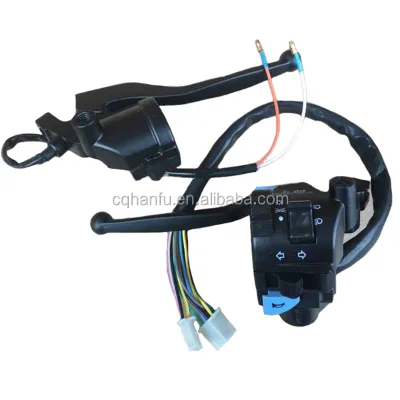
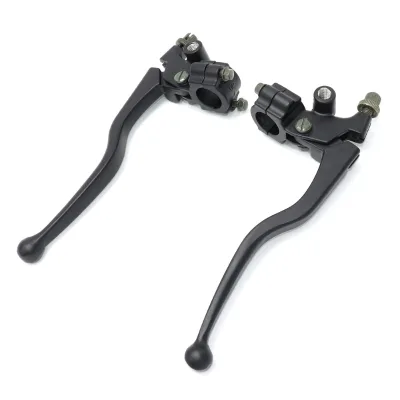
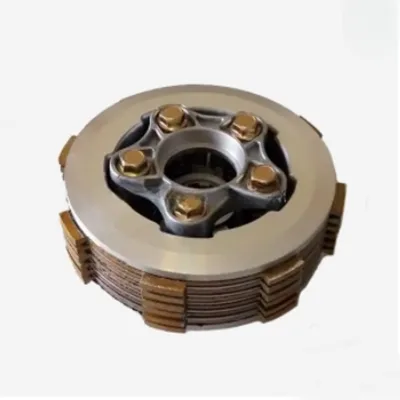


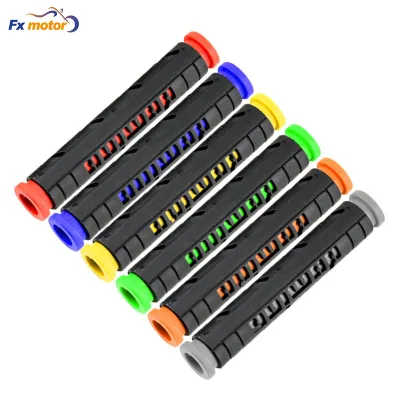


Universal Motorcycle Brake Pump Hydraulic Disc Assemblies for Handbrake Systems
$28.90 - $38.52
MOQ: 1 Pieces

Comprehensive Sourcing Guide
Strategic Sourcing Guide for Motorcycle Brake Handle and Clutch Assemblies
Understanding Technical Specifications and Material Composition
When sourcing motorcycle brake handles and clutch assemblies, the primary objective is to identify components that offer structural integrity while maintaining precise operational tolerances. The available market data indicates a strong reliance on aluminum and alloy materials for these critical safety components. Aluminum is frequently selected due to its favorable strength-to-weight ratio, which is essential for reducing unsprung mass and improving the overall handling dynamics of the vehicle. The production methods observed in the current supply landscape heavily favor CNC machining, a process that ensures high precision in the manufacturing of custom parts. This machining method allows for the creation of complex geometries required for ergonomic handles and precise clutch lever pivot points.
Surface treatment is another critical technical specification. Anodizing is a prevalent process observed in the supply chain, providing a durable, corrosion-resistant finish that withstands the harsh environmental conditions motorcycles often encounter. This treatment not only enhances the aesthetic appeal but also extends the service life of the component. Buyers must verify that the anodizing process adheres to specific thickness requirements to ensure adequate protection against wear and tear. Furthermore, the customization capabilities available in the market allow for specific design requests, including the ability to specify drawing formats such as 2D PDFs, CAD files, or 3D formats like IGES and STEP. This flexibility is vital for original equipment manufacturers (OEMs) and aftermarket suppliers who require unique part geometries to fit specific motorcycle models.
The functional requirements for these assemblies are diverse, ranging from general hardware tools to specialized machinery accessories. The observed product attributes highlight a specific focus on "Durable Performance" and "High-Quality" standards, which are non-negotiable for braking and clutch systems. The product models identified in the market, such as FG-007 and CVO-002, suggest a variety of configurations available to meet different application needs. Whether the requirement is for a replacement part or a new assembly, the ability to source parts with specific dimensions, such as the 5CM5CM5CM standard or custom batch sizes, is a key consideration. Buyers should ensure that the technical specifications align with the specific motorcycle model, as fitment issues can arise from minor dimensional discrepancies.
Compliance, Certification, and Regulatory Standards
Navigating the regulatory landscape is a fundamental aspect of sourcing motorcycle components. The supply chain for these parts often references a mix of international and regional standards. Observed data indicates the presence of JIS Code and China GB Code standards, which are critical for ensuring that parts meet the rigorous safety and performance benchmarks required in Asian and global markets. Additionally, the ISO 9001 certification is frequently cited, serving as a testament to the supplier's commitment to quality management systems. This certification is particularly relevant for applications in the electronics, furniture, machine, and construction sectors, suggesting a broader applicability of the manufacturing processes used for motorcycle parts.
Certification verification extends beyond general quality management. Specific product listings mention CE and ISO9001:2000 certifications, which are essential for market access in Europe and other regions requiring strict compliance. The CE mark indicates conformity with health, safety, and environmental protection standards for products sold within the European Economic Area. For motorcycle brake handles and clutch assemblies, this is a mandatory requirement to ensure that the components do not pose a risk to the rider. Buyers must demand valid certification documents from suppliers to confirm that the products have undergone the necessary testing and evaluation processes.
It is important to note that while some suppliers list specific certifications, the exact scope of these certifications should be verified. The data shows variations in certification details, such as "ISO9001:Color:Blue," which may indicate specific internal quality controls or batch-specific approvals. Buyers should not assume that a listed certification covers the entire product line without verification. The standard production type is identified as "Batch Production," which implies that quality control measures must be consistent across different production runs. Ensuring that the supplier maintains a robust quality assurance system is crucial, as the failure of a brake handle or clutch lever can have severe safety consequences.
Cost Drivers and Pricing Dynamics
The pricing structure for motorcycle brake handles and clutch assemblies is influenced by several factors, including material costs, production complexity, and customization requirements. The observed price range in the market spans from $0.25 to $38.52 USD, reflecting the diversity of products available, from simple replacement parts to complex, high-performance assemblies. The lower end of the price spectrum typically corresponds to standard, off-the-shelf components with minimal customization, while the higher end often includes custom-machined parts with specialized surface treatments and certifications.
Material selection plays a significant role in cost determination. Aluminum and alloy components generally command a higher price than standard steel or plastic alternatives due to the raw material costs and the energy-intensive nature of CNC machining. The choice of surface treatment, such as anodizing, also adds to the overall cost. Customization is a major cost driver; the availability of custom design services and the ability to produce parts "as requested strictly" often incurs additional fees. Buyers should be prepared for price variations based on the complexity of the design and the specific drawing formats required.
Minimum Order Quantity (MOQ) is another critical factor affecting the total cost of procurement. The observed MOQ range varies from 1 to 2000 units, with some suppliers setting a standard MOQ of 100 pieces. For small-scale buyers or those testing new designs, suppliers with lower MOQs are essential. However, larger orders often benefit from economies of scale, reducing the unit cost. The lead time, typically ranging from 10 to 15 days, also impacts cost, as expedited shipping or rush production orders may incur additional charges. Buyers must balance the need for immediate delivery with the cost implications of shorter lead times.
Typical Applications and Market Segments
The applications for motorcycle brake handles and clutch assemblies are broad, covering various sectors of the automotive and machinery industries. These components are primarily designed for use in auto and motorcycle accessories, serving as essential hardware tools for vehicle maintenance and operation. The specific product attributes highlight a focus on "Refitting or Assembling" and "Repair" purposes, indicating that a significant portion of the market is dedicated to the aftermarket sector. This includes replacement parts for existing motorcycles, where the goal is to restore the vehicle to its original performance specifications.
The versatility of these components allows them to be used in a wide range of motorcycle types, from standard commuter bikes to high-performance racing machines. The "Durable Performance" attribute suggests that these parts are engineered to withstand the high stresses associated with frequent braking and clutch engagement. The "Single Item" selling unit and "Box Packaging" details indicate that these products are often sold as individual units, making them suitable for both retail and wholesale distribution. The specific model numbers, such as Yistar-casting-06-05 and CVO-169-1, suggest that there are specialized variants designed for specific motorcycle brands or models.
In addition to the automotive sector, the manufacturing processes used for these parts, such as metal-cutting and metal-forming CNC machine tools, are applicable to other industries. The "Application_Electronics/Furniture/Machine/Construction" note implies that the same quality standards and production techniques can be adapted for other mechanical components. This cross-industry applicability makes the supply chain for these parts robust and resilient, ensuring a steady availability of components for various needs. Buyers should consider the specific application requirements when selecting a supplier, as the performance standards may vary depending on the intended use of the component.
Supplier Evaluation and Service Capabilities
Evaluating potential suppliers requires a thorough assessment of their service capabilities and production capacity. The market data indicates a strong presence of OEM (Original Equipment Manufacturer) and ODM (Original Design Manufacturer) services, which are crucial for buyers looking for custom solutions. These services allow buyers to leverage the supplier's expertise in design and manufacturing to create unique products that meet specific market demands. The ability to provide "Drawing Format" support, including 2D PDFs and 3D CAD files, is a key indicator of a supplier's technical competence and willingness to collaborate on custom projects.
Location is another important factor in supplier evaluation. The observed data points to suppliers located in Fujian and Guangdong, China, which are known manufacturing hubs with well-established supply chains. These regions offer access to a wide range of raw materials and skilled labor, ensuring efficient production and timely delivery. However, buyers should verify the specific location of the manufacturing facility to ensure it aligns with their logistical requirements and quality expectations. The "Production Type" being "Batch Production" suggests that suppliers are capable of handling large volumes, but buyers should confirm the supplier's ability to manage smaller, custom orders if necessary.
Service quality is also a critical consideration. The "Quality: High-Quality" attribute and the emphasis on "Durable Performance" suggest that reputable suppliers prioritize product integrity. Buyers should request samples and test results to verify the quality of the components before placing large orders. The "Delivery Time" of 10-15 days is a standard benchmark, but buyers should confirm the supplier's ability to meet specific deadlines, especially for urgent orders. The "Packing Details," such as "1pair/Box" and "Box Packaging," indicate that suppliers are mindful of product protection during transit, which is essential for maintaining the quality of the components.
Quality Control and Long-Term Procurement Considerations
Implementing a robust quality control (QC) strategy is essential for ensuring the reliability and safety of motorcycle brake handles and clutch assemblies. Given the critical nature of these components, buyers must establish clear QC protocols that cover material inspection, dimensional accuracy, and surface treatment quality. The use of CNC machining and anodizing processes requires precise monitoring to ensure that the final products meet the specified tolerances and performance standards. Regular audits of the supplier's production line and quality management systems can help identify potential issues before they affect the final product.
Long-term procurement considerations involve building a sustainable relationship with suppliers who can consistently deliver high-quality products. The "Customised" nature of many products means that buyers and suppliers must work closely to refine designs and processes over time. This collaboration can lead to continuous improvement in product quality and efficiency. Buyers should also consider the environmental impact of their procurement decisions, looking for suppliers who adhere to sustainable manufacturing practices. The "ISO Process Usage" and "ISO9001" certifications are indicators of a supplier's commitment to quality and environmental responsibility.
Finally, buyers should plan for the long-term availability of components. The "Batch Production" model suggests that production runs may vary, and buyers should ensure that their suppliers have the capacity to maintain consistent supply over time. The "Single Package Size" and "Gross Weight" data provided can help buyers plan their logistics and storage requirements effectively. By focusing on quality, reliability, and long-term partnership, buyers can secure a steady supply of high-performance motorcycle brake handles and clutch assemblies that meet the demands of their customers.
FAQs
What materials are used for motorcycle brake handles and clutch assemblies?
These components are primarily manufactured using aluminum and alloy materials. This selection ensures a favorable strength-to-weight ratio essential for vehicle handling dynamics while maintaining structural integrity during operation.
Can suppliers provide customization for these parts?
Yes, customization is available for these assemblies with options to specify drawing formats like 2D PDFs or 3D CAD files. Buyers can request specific designs strictly as needed for unique fitment requirements.
Which certifications do these products typically hold?
Products often carry ISO 9001, CE, and specific Chinese GB Code certifications. These marks indicate compliance with quality management systems and safety standards required for automotive and motorcycle accessory applications.
How long is the typical delivery time for orders?
The standard delivery time ranges from 10 to 15 days for batch production. This timeline applies to standard orders, though specific lead times may vary based on order volume and customization complexity.
What is the minimum order quantity for these parts?
Minimum order quantities vary from 1 to 2000 units depending on the supplier. Some vendors set a standard MOQ of 100 pieces, while others accommodate smaller trial orders starting at just one unit.
Which surface treatment processes are applied to these components?
Anodizing is the prevalent surface treatment process used for these parts. This method provides a durable, corrosion-resistant finish that withstands harsh environmental conditions and extends the service life of the assembly.