Source Motorcycle Chain Seal for Engines, Transmissions, and Axles
Compare 30 verified listings for Motorcycle Chain Seal components suitable for engines, transmissions, and rear axles. Buyers can evaluate options based on material, speed ratings, and customization services from suppliers in China.
Key considerations
Products List


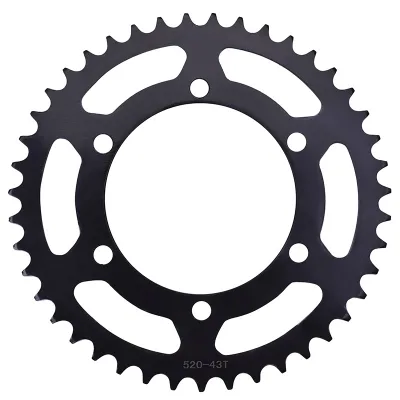

420/428/520/530 Oil Seal Motor Parts Hardware Motorcycle Conveyor Roller Chain
$1.80 - $999.00
MOQ: 300 Meters


China Supplier Oil Seal Motorcycle Drive Chain for Motorbike Sprocket Parts
$1.80 - $999.00
MOQ: 300 Meters


Comprehensive Sourcing Guide
Strategic Sourcing Guide for Motorcycle Chain Seals
Understanding Technical Specifications and Material Composition
When sourcing motorcycle chain seals, buyers must first establish a clear understanding of the technical parameters that define product performance. The core component in this category is often an oil seal designed to retain lubrication and exclude contaminants from the chain drive system. Based on available product data, the primary material observed for these components is Nitrile Butadiene Rubber (NBR). This material choice is critical because NBR offers excellent resistance to petroleum-based oils and fuels, which are ubiquitous in motorcycle environments. The material standard is frequently described simply as "rubber," but the specific grade and compound formulation determine the seal's longevity and resistance to heat degradation.
The physical configuration of the seal is another vital specification. The product attributes indicate that the "Lip" type is a defining characteristic, suggesting that the sealing mechanism relies on a specific lip geometry to maintain contact pressure against the rotating shaft or chain housing. Buyers should verify the lip design against the specific rotational speed of their motorcycle's transmission. The data highlights two distinct speed categories: "High Speed" and "Low Speed." A seal designed for high-speed applications must withstand greater centrifugal forces and heat generation than those intended for low-speed, heavy-torque scenarios. The "Pressure" attribute is listed as "Pressure Type," implying that the seal is engineered to withstand internal system pressures without extruding or failing.
Dimensional accuracy is paramount. The product models listed include specific identifiers such as SVKDOS-005, SVKDOS-011, 3TOS-039, MOS-4, MOS-6, and OOS-4, alongside generic references like "oil seal." These model numbers suggest a wide variety of dimensions and profiles. Furthermore, the standard is noted as "Standard, Nonstandard," and the product standard can be "All size" or specific codes like "420" and "428/428H." This indicates that while standard sizes exist, the market heavily supports custom dimensions. Buyers must confirm whether their specific motorcycle model requires a standard chain size (like the common 420 or 520 series) or a non-standard variant. The availability of "2D or 3D" drawings confirms that suppliers are capable of providing detailed technical schematics, which is essential for verifying fitment before mass production.
Compliance, Certification, and Quality Standards
Navigating the compliance landscape is essential for ensuring that sourced seals meet international safety and quality benchmarks. The observed certification data reveals a mix of standards, including TUV, CE, CCC, ISO9001, and Ts16949. The presence of ISO9001 indicates that the manufacturing facility adheres to a recognized quality management system, ensuring consistent production processes. However, the specific notation "ISO9001: Number of Row: Single Row" suggests that the certification scope may be limited to specific product lines or manufacturing rows, requiring buyers to verify that their specific order falls within the certified scope.
Ts16949 is a particularly significant certification in the automotive and motorcycle sectors. It represents a quality management system specifically tailored for the automotive industry, focusing on defect prevention, variation reduction, and waste minimization. For a buyer sourcing seals for motorcycle applications, a supplier holding Ts16949 certification offers a higher degree of assurance regarding product reliability and supply chain stability. Additionally, the TUV and CE certifications point to compliance with European safety and environmental standards, which is crucial if the final motorcycle products are destined for the European market. The CCC mark indicates compliance with Chinese Compulsory Certification, which is mandatory for products sold within China.
It is important to note that the "Standard" attribute also includes "Accpet Customers' Designs," which implies that while standard certifications exist, custom designs may require specific validation. Buyers should not assume that a custom design automatically carries the same certifications as the standard product line. The surface treatment processes, such as "Polishing" and "Chrom Plated," are also relevant to compliance. These treatments often affect the seal's friction properties and corrosion resistance. The metal case material is identified as "Carbon Steel," which is a standard choice but requires verification of the specific steel grade to ensure it meets the required hardness and corrosion resistance for the intended application.
Cost Drivers and Pricing Dynamics
The pricing structure for motorcycle chain seals is influenced by several variable factors, creating a wide observed range from $0.01 to $999 per unit. This broad spectrum reflects the diversity in product complexity, order volume, and customization levels. The Minimum Order Quantity (MOQ) ranges from 1 to 2000 units, indicating that buyers can source small quantities for prototyping or large volumes for mass production. The low-end price point likely corresponds to standard, off-the-shelf items with minimal customization, while the high-end prices may reflect complex custom designs, specialized materials, or small batch runs with high setup costs.
Material costs play a significant role in the final price. While NBR is a common material, the specific compound formulation and the inclusion of metal cases made of carbon steel can drive costs up. The "Color" attribute lists options like "Black, Brown and So on," as well as "Custom Made." Custom coloring often incurs additional charges due to the need for specific pigment mixing and quality control. Similarly, the "Package Quantity" being "Customization" suggests that unique packaging requirements, such as specific carton configurations or wooden cases, will add to the unit cost.
The "Service" type is listed as "OEM or ODM," which further impacts pricing. OEM (Original Equipment Manufacturer) services involve producing parts to the buyer's exact specifications, which requires tooling and engineering time. ODM (Original Design Manufacturer) services involve the supplier providing the design, which may be less expensive but offers less control over the final product. The "Delivery Time" of 5 to 45 days also influences cost; expedited shipping or rush orders within the shorter end of this range may carry a premium. Buyers should be aware that the "Sample" availability is noted as "Available," but the cost of samples, especially for custom designs, should be factored into the initial budgeting phase.
Typical Applications and Performance Requirements
Motorcycle chain seals are primarily utilized in the automotive sector, specifically within the engine, transmission, and rear axle assemblies. The product attributes explicitly list "Auto Parts, Industry and So on" as the application areas. In the context of motorcycles, the seal's primary function is to prevent oil leakage from the transmission and rear axle while keeping dirt, water, and debris out of the chain drive system. This dual function is critical for maintaining the efficiency and longevity of the motorcycle's powertrain.
The "Usage" attribute specifies "Engine, Transmission, Rear Axle," highlighting the diverse environments where these seals operate. In the engine, seals must withstand high temperatures and exposure to various fluids. In the transmission and rear axle, the seals face high rotational speeds and significant mechanical stress. The "Type" attribute includes "Haplotype" and "Cargo Winch Strap," which seem to be broader categorizations in the dataset, but the specific "oil seal" model confirms the primary application. The "Chain" type attribute further reinforces the connection to chain drive systems, where the seal must accommodate the movement of the chain while maintaining a tight seal.
Performance requirements vary based on the specific motorcycle type. High-performance sport bikes require seals capable of handling "High Speed" operations, whereas heavy-duty touring or off-road motorcycles may prioritize "Low Speed" durability and resistance to harsh environmental conditions. The "Pressure Type" attribute suggests that the seals must maintain integrity under varying pressure conditions, which can fluctuate during operation. Buyers should ensure that the selected seal matches the specific pressure and speed requirements of their motorcycle model to prevent premature failure.
Supplier Evaluation and Verification Protocols
Evaluating suppliers for motorcycle chain seals requires a rigorous approach to verify their capabilities and reliability. The "Made Style" is listed as "OEM&ODM," indicating that suppliers should have the flexibility to produce custom parts. Buyers should verify the supplier's capacity to handle both standard and non-standard orders. The "Location" attribute mentions "China" and "Xingtai," a region known for its manufacturing capabilities. While this provides a geographical context, buyers should not rely solely on location but must assess the specific factory's quality control measures.
The "Service" attribute confirms that suppliers offer OEM or ODM services, but buyers must verify the depth of these services. Can the supplier provide 2D or 3D drawings? Do they have the engineering expertise to support custom designs? The "Standard" attribute noting "Accpet Customers' Designs" is a positive indicator, but it requires confirmation of the supplier's ability to translate customer designs into production-ready specifications. The "Delivery Time" of 5 to 45 days is a standard range, but buyers should negotiate specific timelines based on order volume and complexity.
Quality control is a critical aspect of supplier evaluation. The presence of certifications like ISO9001 and Ts16949 is a strong indicator of a supplier's commitment to quality. However, buyers should request recent audit reports or quality certificates to ensure these certifications are current and applicable to the specific products being ordered. The "Sample" availability is a valuable tool for evaluation. Buyers should order samples to test the physical properties, fitment, and performance of the seals before committing to a large order. The "Single Gross Weight" of 0.020 Kg for a single item suggests that the seals are lightweight, which can influence shipping costs and packaging requirements.
Quality Control and Long-Term Procurement Considerations
Implementing a robust quality control (QC) strategy is essential for maintaining the integrity of the supply chain. The "Surface Treatment" processes, such as "Polishing" and "Chrom Plated," must be inspected to ensure they meet the specified standards. These treatments affect the seal's friction and wear characteristics, which are critical for long-term performance. Buyers should establish clear acceptance criteria for surface finish and material consistency. The "Color" attribute, which includes "Black or Customization," requires visual inspection to ensure color consistency and resistance to fading or discoloration over time.
Long-term procurement considerations involve building a sustainable relationship with suppliers. The "Product Packing" options, including "Carton or as Your Required," "PE Bag/Cartons/Wooden Cases/Container," and "Ziplock Bag," offer flexibility but also introduce variables in logistics. Buyers should standardize packaging requirements to minimize damage during transit and reduce storage costs. The "Package Quantity" being "Customization" allows for tailored solutions but requires clear communication to avoid errors.
The "Lead Time" of 5 to 45 days provides a window for planning, but buyers should account for potential delays due to raw material shortages or production bottlenecks. Establishing a buffer stock or a just-in-time inventory strategy can help mitigate these risks. The "Certification" data, including TUV, CE, CCC, ISO9001, and Ts16949, should be reviewed periodically to ensure continued compliance. Buyers should also monitor the "Standard" and "Model" updates to ensure that the products remain compatible with evolving motorcycle designs and regulations.
Comparative Analysis of Product Models and Specifications
To facilitate informed decision-making, buyers should compare the various product models and specifications available in the market. The following table summarizes the key attributes observed in the product data, highlighting the diversity in models, standards, and certifications.
| Product Model | Material | Standard/Type | Certification | Speed Class | Application |
|---|---|---|---|---|---|
| SVKDOS-005 | NBR | Standard | TUV | High Speed | Engine, Transmission |
| SVKDOS-011 | NBR | Standard | ISO9001, Ts16949 | Low Speed | Engine, Transmission, Rear Axle |
| 3TOS-039 | Rubber | Nonstandard | CE, CCC | Variable | Auto Parts, Industry |
| MOS-4 | NBR | All Size | ISO9001 | High Speed | Auto Parts |
| MOS-6 | NBR | 420 | Ts16949 | Low Speed | Engine, Transmission |
| OOS-4 | NBR | 428/428H | TUV | Variable | Rear Axle |
| 520, 520H | NBR | Standard | ISO9001 | High Speed | Chain Drive |
This comparison illustrates that while NBR is the dominant material, the specific model number often correlates with the intended application and speed class. For instance, models like MOS-6 and OOS-4 are associated with specific chain sizes (420, 428/428H), which are common in motorcycle applications. The certification mix varies, with some models holding multiple certifications, which can be a deciding factor for buyers targeting specific markets.
Final Procurement Recommendations
In conclusion, sourcing motorcycle chain seals requires a balanced approach that considers technical specifications, compliance, cost, and supplier reliability. Buyers should prioritize suppliers with valid certifications like ISO9001 and Ts16949, ensuring that the seals meet the required performance standards for their specific motorcycle models. The wide range of models and customization options allows for tailored solutions, but it also necessitates careful verification of dimensions, materials, and surface treatments. By leveraging the available product data and maintaining a rigorous quality control process, buyers can secure a reliable supply of high-quality seals that enhance the performance and longevity of their motorcycle products. The flexibility in packaging, delivery times, and service models further supports a dynamic procurement strategy, enabling buyers to adapt to changing market demands while maintaining product integrity.
FAQs
What materials are used for motorcycle chain seals?
The primary material used is Nitrile Butadiene Rubber (NBR), which offers excellent resistance to petroleum-based oils. Some products also feature a carbon steel metal case for added durability and structural support in demanding applications.
Which certifications do Motorcycle Chain Seal suppliers hold?
Suppliers commonly hold ISO9001, Ts16949, TUV, CE, and CCC certifications. These standards ensure quality management and compliance with automotive industry requirements, though specific certifications may vary by product model and production line.
Can suppliers provide custom designs for these seals?
Yes, suppliers accept customer designs and offer OEM or ODM services. They can accommodate custom dimensions, colors, and packaging requirements, often providing 2D or 3D drawings to verify fitment before mass production begins.
What is the typical delivery time for orders?
The standard delivery time ranges from 5 to 45 days depending on order volume and customization. Buyers should confirm specific timelines during the negotiation phase, as expedited options may be available within this range.
How do I find seals for high-speed applications?
Select seals explicitly rated for high-speed usage to withstand centrifugal forces and heat. The product data distinguishes between high-speed and low-speed types, ensuring the lip geometry and pressure rating match the transmission or engine requirements.
What is the minimum order quantity for these products?
The minimum order quantity ranges from 1 to 2000 units, allowing for both prototyping and mass production. Buyers can source single items for samples or larger batches for industrial supply chains without strict volume barriers.
Where are these motorcycle chain seals manufactured?
Products originate from China, with specific manufacturing hubs located in Xingtai. This region is known for its automotive parts industry, providing access to a wide range of suppliers offering both standard and non-standard seal configurations.