Source Motorcycle Fairing for PCX, NMAX, and Kawasaki Models
Source 30 Motorcycle Fairing options including plastic and carbon fiber body covers for models like PCX, NMAX, and Kawasaki. Compare customization, fitment, and packing details from verified suppliers to find the right parts for your needs.
Key considerations
Products List


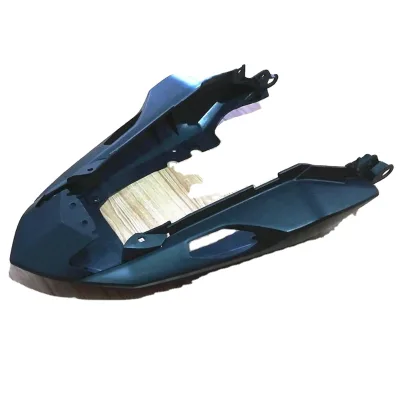
Wholesale Motorcycle Plastic Body Parts Motorcycle Fairing for YAMAHA Nmax
$93.00 - $100.00
MOQ: 10 Sets


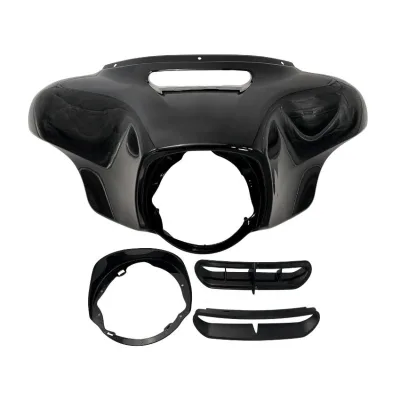
Wholesale Motorcycle Racing Headlight Upper Fairing Lampshade Spare Parts Motorcycle Fairing
$12.63 - $14.11
MOQ: 100 pieces

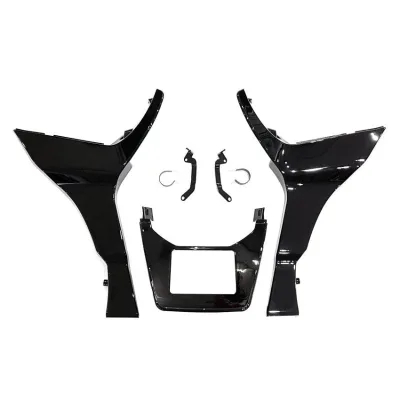
Factory Price Carbon Fiber Motorcycle Right Left Side Winglets Motorcycle Fairing
$9.71 - $10.86
MOQ: 100 pieces

Hot Selling New Motorcycle Accessories Modified Side Fairings Protector Parts Motorcycle Fairing
$9.47 - $10.59
MOQ: 100 pieces

Wholesale High Quality Motorcycle Fairing Parts Ktm 125 250 300 Motorcycle Fairing
$3.64 - $4.07
MOQ: 250 pieces

Wholesale Carbon Fiber Fender Motobike Spare Parts Plastic Body Parts Motorcycle Fairing
$33.39 - $37.32
MOQ: 50 pieces

Factory Price Motorcycle ABS Side Shield Cover Guard Fairing Protector Motorcycle Fairing
$18.82 - $21.04
MOQ: 50 pieces
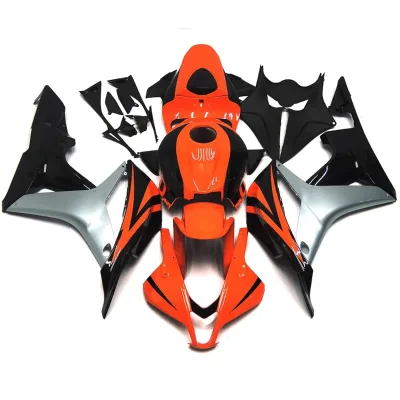
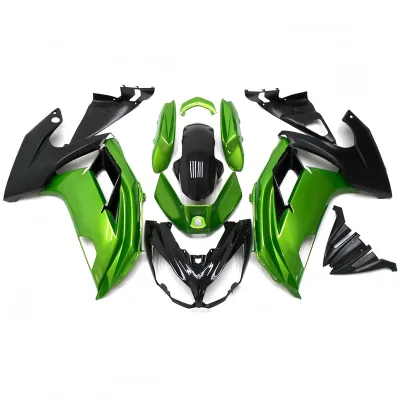
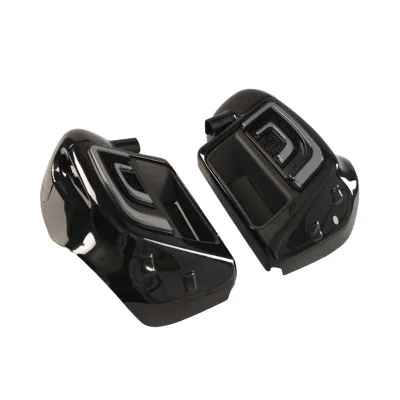
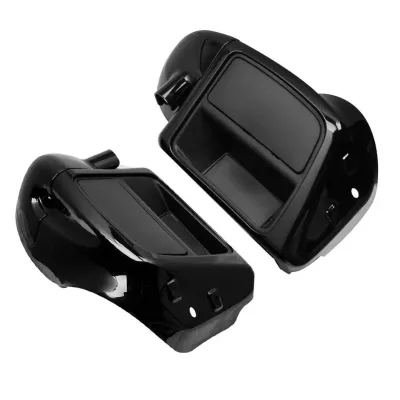


Comprehensive Sourcing Guide
Strategic Sourcing Guide for Motorcycle Fairing Components
The global market for Motorcycle Fairing components represents a critical segment of the two-wheeled vehicle aftermarket and original equipment supply chain. Buyers seeking to source these parts must navigate a complex landscape defined by material diversity, precise fitment requirements, and varying compliance standards. This guide provides a structured approach to evaluating motorcycle fairings, focusing on the specific attributes observed in current market listings while adhering to rigorous procurement discipline. The objective is to equip buyers with the knowledge to distinguish between generic plastic covers and high-performance composite solutions, ensuring that procurement decisions are grounded in verified product data rather than marketing assertions.
Material Composition and Structural Integrity
The foundation of any fairing procurement strategy lies in understanding the material composition, as this dictates the part's durability, weight, and aesthetic finish. Market observations reveal a distinct bifurcation in product offerings. The majority of listed items are constructed from Plastic, specifically noted as Full Carbon/Carbon Mix Fiberglass or Full Carbon Fiber in high-end variants. This distinction is vital for buyers targeting different market segments. Standard plastic fairings, often associated with models like the PCX or NMAX, typically prioritize cost-efficiency and mass production capabilities. These components are frequently described with a Glossy/Matt finish and come in standard colors such as Black, Red, Yellow, and Blue.
In contrast, the high-performance segment utilizes advanced composite structures. Listings for models such as the Kawasaki Z1000 and Suzuki B-King explicitly mention Full Carbon Fiber or Carbon Mixed Fiberglass with a carbon prepreg standard. These materials offer significant advantages, including being Ultra Light & Strong and providing an Attractive Looking finish that appeals to enthusiasts and professional racers. Buyers must verify the specific Material Structure for each order, as the performance gap between standard injection-molded plastic and carbon fiber composites is substantial. The presence of Plain/Twill weave patterns in some listings further indicates a focus on structural reinforcement, a feature typically absent in basic plastic body covers.
Technical Specifications and Fitment Precision
Fitment is the most critical technical parameter for fairing components, as a deviation of even a few millimeters can render a part unusable. The supplied data indicates a strong emphasis on 100% Fit and Original Binding for standard models. For instance, the PCX-KWN and NMAX models are listed with specific fitment guarantees, suggesting that these parts are engineered to match the original equipment manufacturer (OEM) specifications precisely. The Part Number field, such as K0r or 03100-k97, serves as a primary verification tool for buyers to ensure compatibility with specific motorcycle chassis and engine configurations.
Beyond fitment, physical dimensions play a crucial role in logistics and installation. Specifications such as Width ranging from 401-500mm and Inner Diameter between 29.6-31.0mm provide essential data for packaging and shipping calculations. Buyers should also note the Standard dimensions provided, such as 1005464cm, which likely refer to the packaging size rather than the part itself, impacting freight costs. The prod_model field lists a wide array of compatible vehicles, including SYM, YAMAHA-NAMX, SH 125 150, and various Kawasaki and Suzuki models. It is imperative for buyers to cross-reference the prod_model with their specific inventory needs, as the same part number may not apply across different production years, such as the distinction between Kawasaki Z1000 2014 and Kawasaki Z 1000 03-06.
Compliance, Certification, and Quality Assurance
Navigating the regulatory landscape is essential for international trade. The observed market data highlights several certification standards that suppliers may claim. ISO9001 appears frequently, often combined with color or material descriptors (e.g., ISO9001:Color:Black or ISO9001:Material:Plastic). This suggests that the certification applies to the manufacturing process rather than the specific physical attributes of the part. Additionally, some listings reference QS 9000, a standard historically associated with the automotive industry, indicating a higher level of quality management in the supply chain. Other certifications mentioned include CE and CCC, which are relevant for market access in Europe and China, respectively.
Buyers must exercise caution when interpreting these certifications. The data shows certifications attached to specific product attributes, implying that a supplier might hold an ISO9001 certificate for their plastic line but not necessarily for their carbon fiber line. The Quality attribute is explicitly labeled as Genuine in some listings, yet this term is subjective without third-party validation. To mitigate risk, procurement teams should request valid, up-to-date certification documents that cover the specific production batch. The Standard attribute also lists STD for general items and carbon prepreg for composites, serving as a baseline for material processing expectations.
Cost Drivers and Pricing Dynamics
The pricing structure for motorcycle fairings is influenced by material costs, manufacturing complexity, and order volume. The observed price range in the market spans from 0.11 to 500 USD, reflecting the vast difference between a basic plastic cover and a full carbon fiber kit. The lower end of the spectrum likely corresponds to standard plastic fairings for popular commuter models like the PCX or NMAX, where economies of scale drive costs down. Conversely, the upper end represents custom, high-performance carbon fiber components for sportbikes like the Kawasaki Ninja 300 or Buell XB9R, where material costs and labor-intensive layup processes significantly increase the price.
The MOQ (Minimum Order Quantity) range of 1-250 units further influences the unit cost. Buyers purchasing small quantities may face higher per-unit prices, while those ordering near the 250-unit threshold can negotiate better rates. The Customization attribute is marked as Available, suggesting that buyers can request specific colors or modifications, which will invariably increase the cost and potentially the lead time. Understanding these variables allows buyers to forecast expenses accurately and align their procurement strategy with their budget constraints.
Supplier Evaluation and Logistics Management
Selecting the right supplier requires a thorough evaluation of their logistical capabilities and origin. The data indicates that the prod_origin is consistently listed as China or Cn, establishing the primary manufacturing hub for these components. Buyers should verify the supplier's ability to handle Sea shipping, which is the most common method for bulk orders, as well as expedited options like EMS, DHL, UPS, and Air freight for urgent requirements. The prod_packing details are equally important; standard items often use PVC Bags/Standard Carton Box, while high-value carbon parts may require Inner Plastic Foam for Single Parts and Carton out to prevent damage during transit.
When evaluating suppliers, buyers should look for evidence of consistent Standard Packing practices and the ability to provide Standard Packing that meets international shipping requirements. The Advantages listed, such as Ultra Light & Strong, should be validated through sample testing rather than accepted as marketing claims. A reliable supplier will provide clear documentation regarding their Finish capabilities (Glossy/Matt) and their ability to maintain color consistency across Red, Yellow, Blue, and Black batches.
Long-Term Procurement Considerations
Sourcing motorcycle fairings is not a one-time transaction but a long-term relationship that requires ongoing quality control and supply chain stability. The Customization availability offers flexibility for buyers looking to differentiate their inventory, but it also introduces complexity in managing multiple SKUs. Buyers should establish clear communication channels regarding Fitment guarantees and return policies for parts that do not meet the 100% Fit standard. The Keyword usage, such as Pcx Fairing or Pcx Body Cover, indicates that search optimization and catalog management are crucial for maintaining visibility in the B2B marketplace.
Furthermore, the Weave patterns and Material Structure variations require a robust quality assurance protocol. Buyers should implement a sampling strategy that tests for structural integrity, especially for carbon fiber components where the carbon prepreg standard must be strictly adhered to. The Part Number system should be maintained rigorously to avoid confusion between similar models like the SH 125 150 and NMAX. By focusing on these long-term factors, buyers can ensure a steady supply of high-quality fairings that meet the evolving demands of the motorcycle market.
Comparative Analysis of Fairing Types
To assist buyers in making informed decisions, the following table summarizes the key differences between the two primary categories of motorcycle fairings observed in the market data.
| Feature | Standard Plastic Fairing | Carbon Fiber Composite Fairing |
|---|---|---|
| Primary Material | Plastic | Full Carbon Fiber / Carbon Mixed Fiberglass |
| Typical Models | PCX, NMAX, SH 125/150 | Kawasaki Z1000, Suzuki B-King, Ninja 300 |
| Weight Profile | Standard Weight | Ultra Light |
| Strength | Standard Durability | Ultra Strong |
| Finish Options | Glossy, Matt | Glossy, Matt, Prepreg |
| Price Range | Low (approx. $0.11 - $50) | High (up to $500) |
| Certification | ISO9001 (Process) | ISO9001, QS 9000, CE, CCC |
| Packing | PVC Bags / Standard Carton | Inner Foam / Carton Outside |
| Fitment | 100% Fit, Original Binding | 100% Fit, Original Binding |
This comparison highlights that while both categories offer 100% Fit and Original Binding, the choice between them depends heavily on the intended application, budget, and performance requirements. Standard plastic fairings are ideal for mass-market replacements and commuter motorcycles, whereas carbon fiber composites are reserved for high-performance applications where weight reduction and structural strength are paramount.
In conclusion, successful procurement of motorcycle fairings requires a meticulous approach that balances technical specifications, material science, and logistical realities. By adhering to the verified data points provided and maintaining a rigorous evaluation process, buyers can secure high-quality components that meet the diverse needs of the global motorcycle industry.
FAQs
What materials are used for motorcycle fairings?
Most fairings are made from plastic, while high-performance options use full carbon fiber or carbon mixed fiberglass. Standard models like PCX typically use plastic, whereas sportbike kits for Kawasaki or Suzuki often feature carbon prepreg structures for reduced weight and increased strength.
Which certification standards do suppliers claim?
Suppliers frequently list ISO9001, QS 9000, CE, and CCC certifications. These standards often apply to specific product lines, such as plastic or carbon fiber variants, and indicate adherence to quality management processes rather than guaranteeing specific physical attributes for every part.
Can I customize the color and finish of fairings?
Customization is available for colors like black, red, yellow, and blue, as well as glossy or matte finishes. Buyers can request specific modifications, but this may affect the unit price and lead time depending on the complexity of the material structure and production capacity.
How is the fitment guaranteed for these parts?
Products are designed for 100% fit with original binding specifications to ensure compatibility with models like NMAX or SH 125. Buyers should verify part numbers such as K0r or 03100-k97 against their specific motorcycle chassis to confirm precise alignment and installation requirements.
What is the typical price range for fairings?
Prices range from 0.11 to 500 USD depending on the material and model complexity. Basic plastic covers for commuter bikes are at the lower end, while full carbon fiber kits for sportbikes like the Kawasaki Z1000 command higher prices due to advanced manufacturing processes.
Which shipping methods are available for orders?
Shipping options include sea freight for bulk orders and expedited services like EMS, DHL, UPS, or air freight. The choice depends on urgency and order volume, with standard packing using PVC bags or cartons, while carbon parts may require inner foam protection.
What is the minimum order quantity for fairings?
The minimum order quantity ranges from 1 to 250 units based on the supplier and product type. Lower MOQs allow for sample testing, while larger orders near the 250-unit threshold often secure better pricing and are suitable for stocking inventory of popular models.