Source Motorcycle Fender for Scooters, Dirt Bikes, and Street Bikes
Explore 30 verified listings for Motorcycle Fender options including ABS and PP materials. Buyers can compare specifications, certifications, and packaging details from suppliers in China to find the right rear mudguard for their needs.
Key considerations
Products List


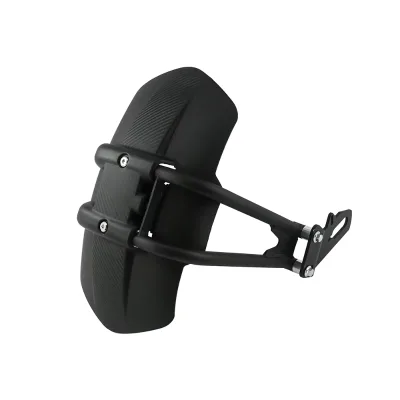
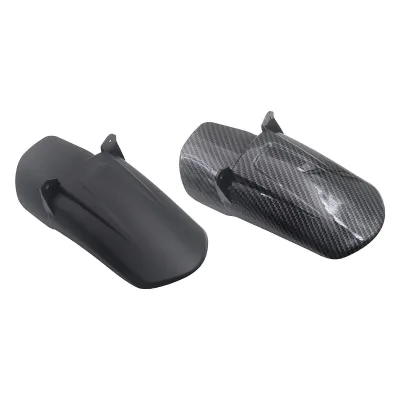
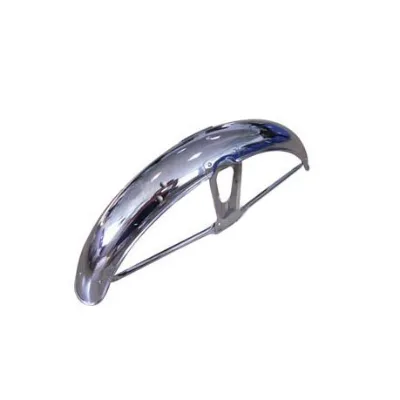


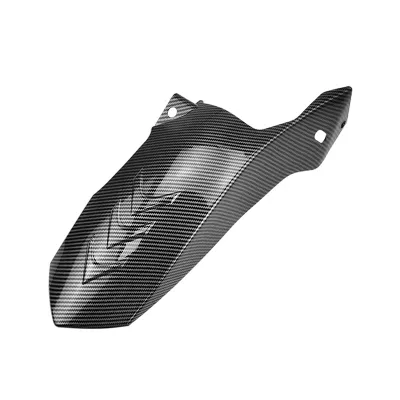


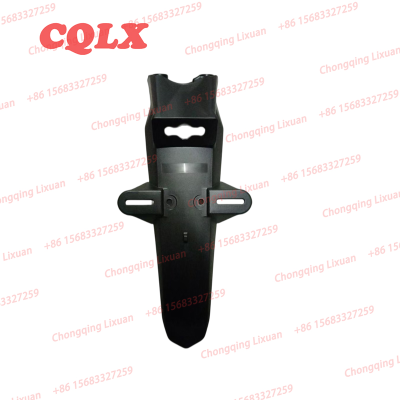
Wholesale Durable Modified Motorcycle Rear Tire Mudguard Fenders Motorbike Motorcycle Fender
$0.58 - $0.65
MOQ: 1600 pieces

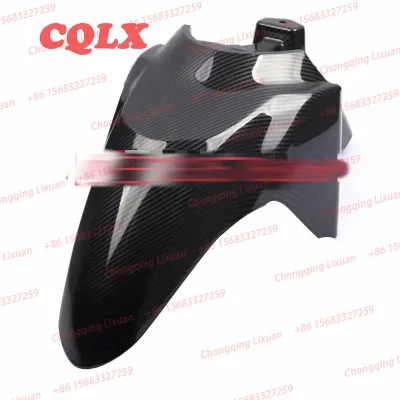
Wholesale of New Material Universal Motorcycle Fender Motocross Fenders Front Mudguard
$5.20 - $5.70
MOQ: 175 Pieces

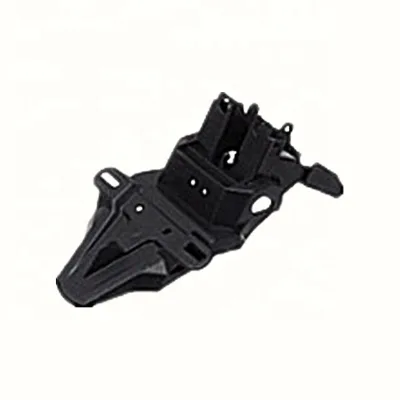
High Quality Modified Front Tire Bumper Bumper Guards Front Fenders Motorcycle Mudguard
$16.00 - $18.00
MOQ: 55 Pieces



Comprehensive Sourcing Guide
Motorcycle Fender Sourcing Guide
Sourcing motorcycle fenders requires a nuanced understanding of material science, regulatory compliance, and supply chain logistics. These components serve as critical protective elements for both the vehicle and the rider, shielding against road debris, water spray, and mud while contributing to the overall aesthetic of the motorcycle. Buyers must navigate a market characterized by significant variation in quality, from universal fitment parts to highly customized OEM replacements. The decision to source these components involves balancing cost efficiency with the rigorous demands of durability and safety standards, particularly when dealing with international suppliers.
The procurement landscape for motorcycle fenders is diverse, encompassing everything from basic plastic replacements to high-end ABS or composite units. Buyers often encounter listings that claim "best quality" or "universal fit," which necessitates a disciplined verification process. Understanding the specific material properties, such as the difference between Polypropylene (PP) and Acrylonitrile Butadiene Styrene (ABS), is essential for determining the appropriate application. Furthermore, the geographic origin of the product, frequently observed in regions like Ningbo, Zhejiang, and Guangdong in China, can influence lead times, packaging standards, and the ease of communication regarding technical specifications.
Product Scope and Observed Listing Signals
The current market for motorcycle fenders displays a wide range of product types, including rear fenders, mudguards, and body parts designed for specific models or universal applications. Listings often highlight attributes such as "One-Stop Source" advantages, indicating suppliers who may offer comprehensive catalogs rather than single-item solutions. Buyers should observe that product names vary significantly, with terms like "Motorcycle Rear Short Fender" or "Motorcycle Body Parts" appearing alongside generic descriptors. This variability requires careful cross-referencing of model numbers, such as 3660608 or 3660876, to ensure compatibility with the intended motorcycle platform.
Material composition is a primary differentiator in observed listings, with ABS and Plastic being the most frequently cited materials. Some products specify PP (Polypropylene) for rear fenders, which may offer different impact resistance and flexibility compared to ABS. Color options are typically limited to black or solid colors, though some listings mention striped patterns, suggesting customization capabilities. Buyers must verify whether the "Customization: Available" attribute applies to color, branding, or structural modifications, as this can significantly impact minimum order quantities (MOQ) and unit pricing. The presence of specific model numbers, such as Dm150, indicates a focus on model-specific replacements rather than generic aftermarket parts.
Technical Specifications to Verify
Material selection is the most critical technical factor in fender procurement, as it directly impacts durability, weight, and resistance to environmental factors. ABS is commonly cited for its rigidity and glossy finish, making it suitable for high-visibility body parts, while PP is often used for rear fenders due to its flexibility and impact resistance. Buyers must verify the exact grade of plastic used, as lower-quality variants may become brittle over time or crack under stress. The specification "Material: ABS" or "Material: Plastic" in listings is often too vague; suppliers should be asked to provide technical data sheets that detail the specific polymer grade and any UV stabilizers or additives used to prevent degradation from sun exposure.
Dimensional accuracy and fitment are equally important, with listings providing specific package sizes and weights that hint at the physical dimensions of the product. For instance, a single package size of 40x35x15 cm and a gross weight of 2.000 kg suggest a larger, more substantial fender, whereas a 35x30x15 cm package with a 0.600 kg weight indicates a lighter, possibly smaller component. Buyers must confirm whether the product is designed for "Universal Fit" or specific motorcycle models, as universal parts often require additional modification or drilling during installation. The "Position: Rear" attribute helps narrow down the search, but buyers should verify mounting hole patterns and bracket compatibility to avoid costly returns or installation delays.
Compliance and Safety Documentation
Regulatory compliance is a non-negotiable aspect of sourcing motorcycle parts, particularly when the fenders are intended for road-legal vehicles. Certifications such as ISO9001 indicate that the supplier has a certified quality management system, which is a strong indicator of consistent manufacturing processes. However, ISO9001 does not guarantee that the product itself meets specific safety standards; it only certifies the management system. Buyers should request evidence of product-specific certifications, such as CCC (China Compulsory Certification) or CE (Conformité Européenne), especially if the parts are destined for markets with strict regulatory requirements. These certifications ensure that the materials and construction meet local safety and environmental regulations.
In addition to formal certifications, buyers must verify that the materials used are free from harmful substances and comply with environmental standards. The "Standard" designation in product listings is often a placeholder and does not convey specific regulatory adherence. Buyers should inquire about the specific standards the fenders comply with, such as ISO or ANSI standards for impact resistance and flammability. For products marketed as "Best Quality," buyers should ask for test reports or third-party verification of material safety. Ensuring that the supplier can provide documentation for each batch is crucial for maintaining compliance in the final market, particularly in regions with stringent import regulations.
Cost Drivers and Commercial Terms
Pricing for motorcycle fenders varies widely, with observed ranges from $0.1 to $18 per unit, reflecting differences in material quality, complexity, and order volume. The Minimum Order Quantity (MOQ) typically ranges from 2 to 2000 units, allowing for both small-scale testing and large-volume procurement. Buyers should note that lower MOQs often come with higher unit prices, while bulk orders may qualify for significant discounts. The "Customization: Available" attribute can also impact pricing, as custom colors, logos, or structural modifications usually require additional setup costs and higher MOQs. Understanding the pricing structure is essential for budgeting and determining the viability of different supplier options.
Packaging and logistics are significant cost drivers that buyers must consider. Listings indicate various packaging options, including "Carton," "Neutral Package," and "OPP Bag," each with different implications for shipping costs and product protection. Neutral packaging may reduce costs but could affect branding opportunities, while custom packaging with the supplier's or buyer's logo may incur additional fees. The origin of the product, such as Ningbo or Guangdong, influences shipping routes and transit times. Buyers should request detailed Incoterms and shipping quotes to understand the total landed cost, including freight, insurance, and customs duties, rather than relying solely on the unit price.
Supplier Qualification and Quality Control
Supplier qualification begins with verifying the company's background and manufacturing capabilities. The "Place of Origin" field, often listing Zhejiang or Guangdong, provides insight into the supplier's geographic location, which can be cross-referenced with business registries to confirm legitimacy. Buyers should assess the supplier's ability to meet quality standards by requesting samples and evaluating their quality control processes. The "Quality: a/B/C" attribute suggests tiered quality levels, and buyers must clarify what each tier entails in terms of material thickness, finish quality, and defect rates. Establishing clear quality expectations before placing an order is crucial to avoid disputes and ensure consistent product performance.
Quality control should also include a robust inspection protocol for incoming goods. Buyers should define acceptable quality limits (AQL) and specify inspection criteria, such as dimensional accuracy, surface finish, and structural integrity. The "Warranty: 1 year" attribute indicates a commitment to product durability, but buyers should verify the terms of this warranty, including coverage for defects and the process for claims. Regular communication with the supplier regarding production progress and quality checks can help identify and resolve issues early. Implementing a systematic approach to supplier evaluation and ongoing performance monitoring is essential for maintaining a reliable supply chain.
Long-Term Procurement Checks
Long-term procurement success depends on continuous monitoring of supplier performance and market trends. Buyers should regularly review supplier metrics, such as on-time delivery rates, defect rates, and responsiveness to issues. The "Market: Worldwide" attribute suggests a broad customer base, which can be a positive indicator of supplier stability, but buyers should also assess the supplier's ability to scale production to meet growing demand. Building a strong relationship with the supplier through consistent communication and fair business practices can lead to better pricing, priority production, and improved support during peak seasons.
Adaptability to market changes is another key factor in long-term procurement. Buyers should stay informed about emerging materials, technologies, and regulatory changes that may impact fender production. The ability to customize products, as indicated by the "Customization: Available" attribute, can provide a competitive advantage by allowing buyers to offer unique products to their customers. Regularly reassessing the supplier base and exploring alternative sources can mitigate risks associated with single-supplier dependency. By maintaining a proactive approach to procurement, buyers can ensure a steady supply of high-quality motorcycle fenders that meet their customers' needs and regulatory requirements.
FAQs
What certifications do the motorcycle fenders have?
The products hold ISO9001, CCC, and CE certifications. These standards ensure quality management and safety compliance for international markets. Buyers can verify specific certification details based on the model number provided in the product listing.
Which materials are used for the motorcycle fenders?
Manufacturers use ABS and PP plastic materials for these fenders. The material choice ensures durability and resistance to impact. Specific models may vary, so check the product attributes for the exact material composition before ordering.
Can I request custom packaging for the motorcycle fenders?
Yes, customization is available for packaging requirements. Options include neutral packages, OPP bags, or cartons according to your request. Buyers should specify their preferred packing method during the inquiry to ensure the supplier meets their needs.
What is the minimum order quantity for these fenders?
The minimum order quantity ranges from 2 to 2000 units depending on the supplier. This flexibility allows buyers to start with small batches or place larger orders. Always confirm the specific MOQ with the vendor before finalizing the purchase.
Where are the Motorcycle Fender manufacturers located?
Suppliers are primarily located in Ningbo, Zhejiang, and Guangdong, China. These regions are known for their manufacturing capabilities in automotive parts. Buyers can filter search results by these specific locations to find nearby or regional vendors.
How long is the warranty period for the fenders?
Some products come with a one-year warranty period. This coverage protects against manufacturing defects for a specific duration. Buyers should review the warranty terms associated with the specific model number to understand the exact coverage details.