Source Motorcycle Inner Tube Making Machine for Bicycles and Scooters
Find and compare 30 Motorcycle Inner Tube Making Machine options from verified suppliers. Evaluate specifications like hydraulic pressure, line speed, and mold dimensions to select the right equipment for manufacturing inner tubes for motorcycles, bicycles, and scooters.
Key considerations
Products List


Motorcycle Inner Tube Making Machine/Inner Tube Vulcanizing Curing Press Machine
$3000.00 - $3500.00
MOQ: 1 Sets


Motorcycle Inner Tube Making Machinery / Bicycle Inner Tube Vulcanizing Press Machine
$3000.00 - $3500.00
MOQ: 1 Sets


Motorcycle Inner Tube Making Line - Tire Machinery and Rubber Machine
$15000.00 - $18460.00
MOQ: 1 Sets
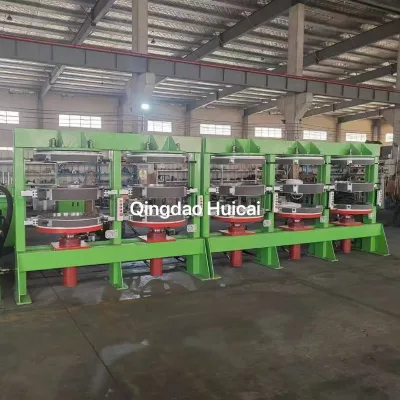
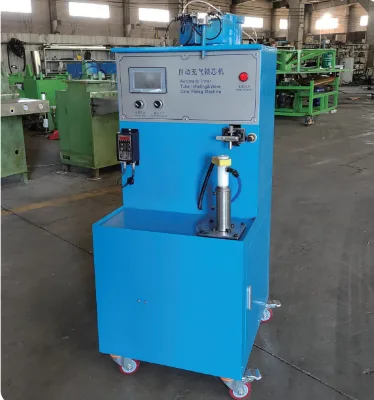

Tyre Inner Tube Vulcanizing Machine/Bicycle/Motorcycle Tyre Making Machine
$2800.00 - $6999.00
MOQ: 1 Pieces

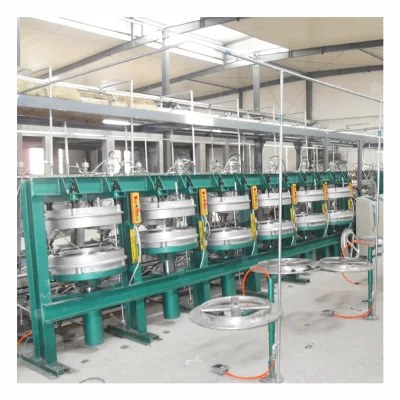


Inner Tube Cooling Production Line for Motorcycle & Bicycle Rubber Inner Tube
$26470.00 - $36760.00
MOQ: 1 Sets

Compact Multi-Sets Inner Tube Vulcanizing Machine for Motorcycle Tire Inner Tube Making
$3000.00 - $5000.00
MOQ: 1 Pieces


Motorcycle and Bicycle Use Double Layer Inner Tube Vulcanizing Machine
$4200.00 - $6200.00
MOQ: 1 Sets


Value-Oriented Vulcanizing Machine for Motorcycle Tire Inner Tube Production
$5000.00 - $9000.00
MOQ: 1 Pieces

Precision Double Layer Inner Tube Vulcanizing Machine for Motorcycle Tires
$4500.00 - $7500.00
MOQ: 1 Pieces

Advanced Double Layer Inner Tube Vulcanizing Machine for Specialty Motorcycle Tires
$4600.00 - $8000.00
MOQ: 1 Pieces
Comprehensive Sourcing Guide
Motorcycle Inner Tube Making Machine Sourcing Guide
Sourcing a Motorcycle Inner Tube Making Machine requires a careful balance between technical precision and commercial viability, as these systems are complex assemblies of specialized rubber processing equipment. The core keyword for this procurement category typically encompasses a complete production line rather than a single standalone unit. Buyers should understand that the "machine" is often a integrated system comprising a rubber cutter, kneader, mixing mill, extruder, and press. This holistic view is critical because the efficiency of the final tube production depends on the synchronization and compatibility of each component within the line. Procurement decisions must therefore focus on the entire workflow, from raw material preparation to the final vulcanization and cutting of the inner tubes.
The observed market signals indicate a wide variance in product listings, with prices ranging significantly and minimum order quantities (MOQ) typically starting at one unit. This suggests a market populated by both custom manufacturers and standardized producers, primarily based in China, with specific hubs like Qingdao emerging as notable origins. Buyers must navigate this diversity by distinguishing between general rubber machinery and specialized hydraulic tyre vulcanizers or dedicated inner tube lines. The presence of customization options and various structural configurations, such as horizontal or vertical designs, means that off-the-shelf solutions may not fit every production need. Consequently, the initial sourcing phase should prioritize identifying suppliers who can align their machinery specifications with the specific tire sizes and production volumes required by the buyer’s operation.
Product Scope and Observed Listing Signals
The product scope for motorcycle inner tube making machines is defined by their ability to handle specific tube specifications, such as those for motorcycles and bicycles. Listings frequently highlight compatibility with standard tube dimensions, including models like 3.00-17, 3.00-18, and 4.00-8. These numerical codes represent the tire width and rim diameter, indicating that the machinery must be adjustable or configurable to produce tubes for different vehicle types. The scope also extends to the physical characteristics of the tubes themselves, such as a double-layer width of less than 200mm and punching hole diameters ranging from 6-8mm. Understanding these specific parameters is essential for ensuring that the purchased line can meet the quality and dimensional requirements of the end product without requiring extensive post-processing modifications.
Observed listing signals reveal that these machines are often marketed with a "New" condition status and a customized structure, suggesting that many suppliers offer tailored solutions rather than rigid standard models. The color green is a common aesthetic attribute in these listings, though it holds no technical significance. Furthermore, the use of terms like "General Rubber Machinery" alongside specific types like "Hydraulic Tyre Vulcanizer" indicates a broad categorization that buyers must dissect to find the right fit. The production line speed is a critical signal, with observed ranges of 10-40 revolutions per minute, which directly impacts throughput capacity. Buyers should interpret these signals as starting points for negotiation, verifying that the listed speeds and capacities are achievable under continuous operational conditions rather than just theoretical maximums.
Technical Specifications to Verify
Technical verification must begin with the machine’s structural configuration and power requirements. Listings show variations in structure, including both horizontal and vertical designs, which affect floor space utilization and operator ergonomics. The voltage specification is a critical technical parameter, with 380V 50Hz being a common standard observed in the data. Buyers must verify that their facility’s power infrastructure can support this requirement, as mismatched voltage can lead to equipment damage or operational failure. Additionally, the total capacity of the line is often cited as 14kw/H, while individual components like the motor may have specific power ratings such as 5.5kw/H. These figures must be cross-referenced to ensure that the energy consumption aligns with the buyer’s cost projections and that the power distribution system is adequately sized.
Dimensional and pressure specifications are equally vital for integration and safety. The overall size of the machinery varies, with observed dimensions such as 12809001770mm for certain models and larger footprints like 23500X1000X850mm for complete lines. Buyers must account for these dimensions when planning factory layout, ensuring sufficient space for maintenance access and material flow. Pressure systems, including compressed air at 0.6MPa and steam pressure for heating plates at 0.8MPa, require robust piping and safety valves. The internal pressure of the machine itself is noted as 1MPa, necessitating rigorous inspection of seals and joints. Verifying these technical specs against the buyer’s existing utility infrastructure is a non-negotiable step before finalizing any purchase agreement.
Compliance and Safety Documentation
Compliance and safety documentation form the backbone of a secure procurement process, particularly for machinery operating under high pressure and electrical loads. The presence of ISO and CE certifications in the observed data provides a baseline for quality and safety standards. However, buyers must treat these certifications as observations rather than guarantees, verifying that the specific unit being purchased carries valid, up-to-date certification marks. The CE mark, in particular, is crucial for buyers in regions with strict regulatory frameworks, as it indicates conformity with health, safety, and environmental protection standards. It is imperative to request copies of the certification documents and validate them with the issuing bodies to ensure authenticity and coverage for the specific machine model.
Safety features must be explicitly documented in the technical specifications and user manuals. Given the high internal pressures and moving parts inherent in rubber mixing and vulcanizing processes, machines should be equipped with emergency stop mechanisms, protective guards, and pressure relief valves. The observed data mentions a time interval from open to close mold of 4.2 seconds, which highlights the dynamic nature of the equipment and the need for reliable safety interlocks. Buyers should insist on a comprehensive safety audit report from the supplier, detailing how the machine mitigates risks associated with high voltage (380V), high pressure (up to 1MPa), and mechanical entrapment. This documentation is essential for training local operators and ensuring compliance with workplace safety regulations.
Cost Drivers and Commercial Terms
Cost drivers for motorcycle inner tube making machines are influenced by the complexity of the production line, the level of customization, and the included components. The observed price range of 0.9 to over 2 million USD reflects the disparity between single-unit machines and fully integrated lines. Key cost factors include the inclusion of ancillary equipment such as kneaders, mixing mills, and extruders, which significantly increase the total value. Customization options, such as specific painting requests or tailored mold heights (70-120mm), also add to the cost. Buyers should break down the quotation to understand the cost contribution of each component, ensuring that they are not paying for unnecessary features while missing out on critical ones.
Commercial terms, including packaging and shipping, play a significant role in the total landed cost. The observed packing methods range from sea-standard packaging to bulk, plastic film, polywood, and ply wood, each offering different levels of protection during transit. The choice of packing can impact insurance costs and the risk of damage during shipping. Minimum order quantities (MOQ) are observed to range from 1 to 1000 units, suggesting flexibility for buyers seeking single machines or larger batches. However, buyers must negotiate clear terms regarding delivery schedules, payment methods, and after-sales support. Understanding the total cost of ownership, including installation, training, and maintenance, is essential for making an informed financial decision.
Supplier Qualification and Quality Control
Supplier qualification is a critical step in mitigating procurement risk, especially when dealing with complex machinery from international origins. The observed data indicates that many suppliers are located in China, with Qingdao being a specific hub. Buyers should conduct thorough due diligence on these suppliers, verifying their business licenses, manufacturing capabilities, and export history. Quality control processes should be clearly defined, with the supplier providing detailed inspection reports for each component of the production line. The use of standardized packing, such as ply wood or sea-standard packaging, is a positive indicator of a supplier’s attention to detail and commitment to product integrity during transit.
Quality control should extend beyond the final product to include the manufacturing process itself. Buyers should inquire about the supplier’s quality management systems and whether they adhere to ISO standards. The observed "New" condition of the products suggests that suppliers are marketing brand-new equipment, but buyers must verify this through factory audits or third-party inspections. Specific technical checks, such as verifying the motor power, pressure ratings, and dimensional accuracy, should be part of the pre-shipment inspection protocol. Establishing a clear quality assurance framework with the supplier, including penalties for non-conformance, is essential for ensuring that the delivered machinery meets the specified technical requirements and performance expectations.
Long-Term Procurement Checks
Long-term procurement checks focus on the sustainability and reliability of the machinery over its operational life. The observed "Using Life" of above 10 years is a significant selling point, but buyers must verify the factors that contribute to this longevity, such as the quality of materials used in construction and the robustness of the hydraulic and electrical systems. Regular maintenance schedules and the availability of spare parts are critical for maximizing this lifespan. Buyers should negotiate long-term service agreements or ensure that the supplier provides a comprehensive list of recommended spare parts and maintenance tools. This proactive approach helps minimize downtime and extends the useful life of the investment.
Furthermore, buyers should consider the adaptability of the machinery to future production needs. The observed customization options and adjustable specifications, such as line speed and mold height, suggest that some machines can be reconfigured for different tube sizes or production rates. Buyers should assess the ease of such modifications and the supplier’s willingness to provide technical support for upgrades. Additionally, monitoring the supplier’s reputation and customer feedback over time can provide insights into the long-term reliability of their products. By focusing on these long-term factors, buyers can ensure that their investment in motorcycle inner tube making machinery remains productive and cost-effective for years to come.
FAQs
What is the typical using life of this machinery?
The machinery typically has a using life above 10 years. This durability is supported by its robust construction and automatic grade operation designed for long-term industrial use in rubber processing.
Can the machine be customized for specific needs?
Yes, customization is available for this equipment. Buyers can request specific painting options and tailored configurations to match their production requirements while maintaining the core hydraulic structure.
What certifications does the product hold?
The product holds ISO and CE certifications. These standards ensure the machinery meets international safety and quality requirements for manufacturing motorcycle inner tubes and similar rubber products.
How is the machine packed for shipping?
The machine is packed in sea standard conditions, often using plywood or bulk plastic film. This packaging ensures protection during transit from the origin in Qingdao, China, to the destination.
What is the voltage requirement for operation?
The machine operates on 380V 50Hz voltage. This electrical specification is standard for industrial equipment and ensures compatibility with typical factory power supplies in the regions where it is sourced.
Which specifications are supported for inner tubes?
The line supports specifications like 3.00-17, 3.00-18, and 4.00-8 for motorcycle tubes. It also handles bicycle inner tubes with a double layer width under 200mm and punching holes of 6-8mm.
What is the maximum mold clamping force?
The maximum mold clamping force is 255kN. This capacity allows the hydraulic tyre vulcanizer to effectively process various mold heights ranging from 70 to 120mm during the curing process.