Source Motorized Windproof PVC Patio Blinds for Patios
Explore 30 listings for Motorized Windproof PVC Patio Blinds designed for outdoor and indoor use. Compare features like electric operation, semi-blackout fabric, and custom sizing to find the right solution for your project needs; compare the available evidence and request quotations based on your requirements.
Key considerations
Products List
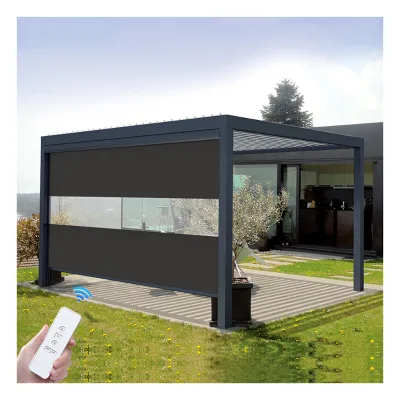
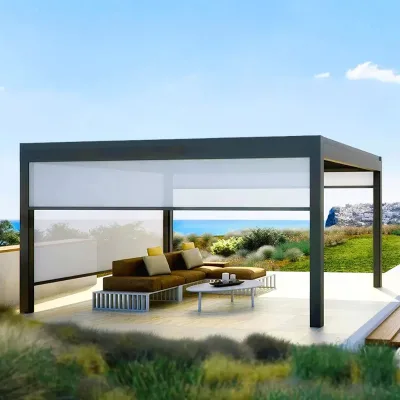
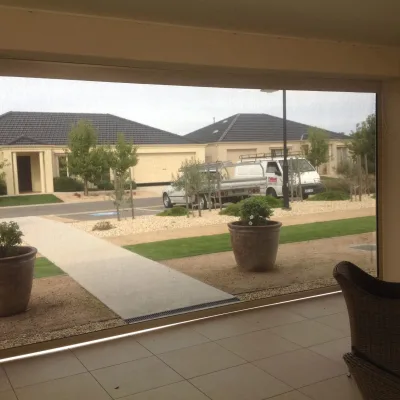
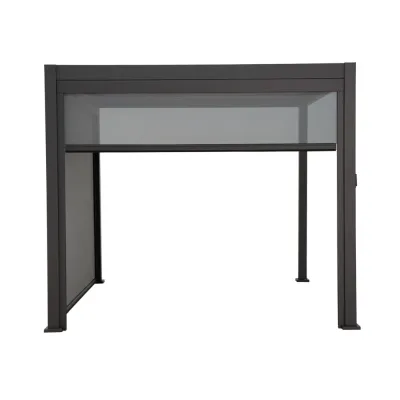
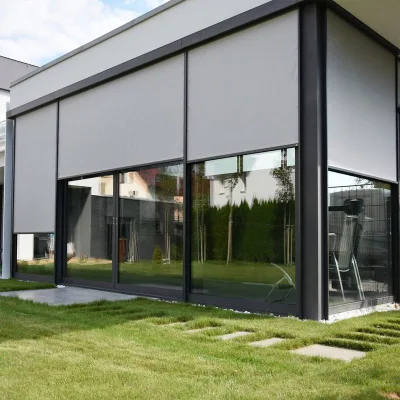


Motorized Roller Blinds Windproof Roller Blinds Motorized for Balcony
$43.00 - $60.00
MOQ: 3 Square Meters

Factory Outdoor Blinds Motorized Outdoor Roller Blinds Roller Shades
$43.00 - $60.00
MOQ: 3 Square Meters


Outdoor Roller Blinds Outdoor Shade Blind Customized Size Motorized Waterproof
$52.00 - $60.00
MOQ: 3 Square Meters


Roller Shade Blind Exterior Windproof Outdoor Blind Wholesale Smart Motorized
$43.00 - $60.00
MOQ: 3 Square Meters


High Quality Roller Blinds Window Curtain and Waterproof Outdoor Motorized
$3.00 - $6.00
MOQ: 50 Square Meters


8. Motorized Heavy Duty Outdoor Windproof Roller Blinds for Villa
$40.99 - $49.99
MOQ: 1 Square Meters
Shouguang Runchen Environmental Protection Technology Co., Ltd.

Motorized Outdoor Windproof Roller Blinds for Pergola and Garden
$40.99 - $49.99
MOQ: 1 Square Meters
Shouguang Runchen Environmental Protection Technology Co., Ltd.

Window Blinds Motorized Zebra Blinds Customized Width
$1.99 - $3.99
MOQ: 1 Square Meters
Shouguang Runchen Environmental Protection Technology Co., Ltd.

Roller Blinds Fabric Sunshade Curtain Blinds Waterproof
$1.99 - $2.99
MOQ: 1 Square Meters
Shouguang Runchen Environmental Protection Technology Co., Ltd.

Sunscreen PVC and Polyester 5% Openness Roller Blinds
$1.99 - $2.99
MOQ: 1 Square Meters
Shouguang Runchen Environmental Protection Technology Co., Ltd.


Manufacturer Waterproof Windproof Motorized Outdoor Roller Blinds
$31.90 - $40.50
MOQ: 2 Square Meters

Motorized Windproof Waterproof Outdoor Window Roller Zip Blinds with Remote Control
$31.90 - $40.50
MOQ: 2 Square Meters


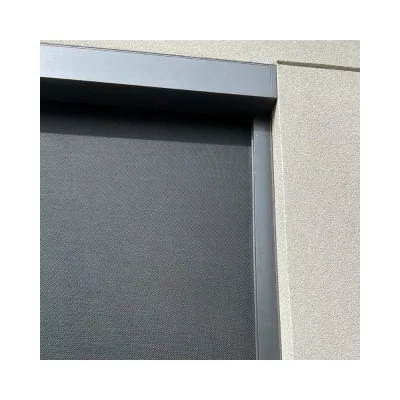

Day and Night Indoor Shade Window Motorized Smart Polyester Zebra Blinds
$10.00
MOQ: 500 Square Meters
Comprehensive Sourcing Guide
Motorized Windproof PVC Patio Blinds Sourcing Guide
Buyers evaluating Motorized Windproof PVC Patio Blinds must first distinguish between electric tubular systems and cordless manual variants, as the supplied data reveals distinct operational profiles. The market features electric models with vertical screen patterns and aluminum alloy frames designed for windproof and sun shading applications, alongside cordless options utilizing semi-blackout or full-blackout fabrics. Understanding these mechanical differences is critical before initiating a procurement strategy, as the installation requirements and control systems vary significantly between the two categories.
Procurement decisions should also account for the specific material composition and customization capabilities observed in current listings. While some products utilize a combination of metal and polyester for track outdoor blinds, others rely on semi-blackout fabric with flat plate techniques for a modern aesthetic. Buyers must verify if the supplier offers custom window sizes and color options, as the data indicates a strong trend toward bespoke solutions for French windows and exterior installations rather than standard off-the-shelf inventory.
Product Scope and Observed Listing Signals
The product scope for motorized windproof patio blinds encompasses a wide range of operational formats, including electric motorized systems and automatic or manual cordless mechanisms. Listings indicate that these units are designed for both outdoor and indoor use, featuring installation types such as built-in, exterior, side, and ceiling mounting. The observed data highlights specific attributes like vertical screen patterns and narrow blade sheet sizes, which suggest a focus on structural integrity and wind resistance for patio environments.
Buyers should note the diversity in product naming and functional descriptions, which range from "windproof motorized electric tubular motor roller blinds" to "cordless windproof roller blinds." This variation signals that suppliers often market similar functional outcomes through different technical approaches. The presence of specific openness factors, such as 0%, 1%, 5%, and 10%, alongside color options like dark grey and black, provides a clear signal that light control and aesthetic customization are primary selling points for these outdoor shading solutions.
Technical Specifications to Verify
When verifying technical specifications, the primary focus must be on the frame material and the fabric composition to ensure durability against outdoor elements. The supplied facts confirm the use of aluminum alloy frames and semi-blackout or full-blackout fabrics, which are essential for maintaining structural stability in windy conditions. Buyers must confirm that the specific model selected matches the required openness factor, as this directly impacts the level of sun shading and visibility provided for the patio area.
Installation compatibility is another critical technical parameter that requires strict verification against the buyer's architectural constraints. The data lists multiple installation types, including built-in and exterior options, alongside specific single package dimensions that can vary significantly between models. It is imperative to validate the single gross weight and package size, such as the 50 kg or 30 kg figures observed, to ensure that logistics and on-site handling capabilities align with the physical specifications of the ordered units.
Compliance and Safety Documentation
Safety documentation for motorized outdoor blinds should prioritize the verification of electrical components and mechanical stability, particularly for electric motorized systems. While specific certification standards like OEKO-TEX or EN13561 are mentioned in background contexts, buyers must request concrete test reports for the specific motorized units to confirm compliance with local electrical safety regulations. The absence of explicit certification claims in the primary data necessitates a proactive request for safety documentation regarding the tubular motors and control systems.
For the mechanical aspects of the blinds, buyers should seek documentation regarding the wind resistance capabilities and the structural integrity of the aluminum alloy frames. Since the products are marketed as windproof, evidence of performance testing under high-wind conditions is essential to validate the "windproof" claim. Procurement teams should ensure that the supplier provides clear instructions for safe installation and operation, particularly for heavy units with a gross weight of up to 50 kg, to prevent accidents during the setup phase.
Cost Drivers and Commercial Terms
Cost drivers for motorized windproof patio blinds are heavily influenced by the customization level and the complexity of the motorization system. The observed data shows a wide price range from 1.99 to 120 USD, which likely reflects differences between simple cordless models and complex electric systems with custom window sizes. Buyers must understand that the "custom window size" specification and the choice of fabric openness factor are significant variables that will directly impact the final unit price and overall project budget.
Commercial terms regarding Minimum Order Quantity (MOQ) and shipping logistics are equally critical for budget planning. The observed MOQ ranges from 1 to 1000 units, with some listings specifying a 50 square meter requirement for certain track outdoor blinds. Additionally, the single package sizes and weights vary, which affects shipping costs and handling fees. Buyers should negotiate clear terms regarding lead times and delivery, as the "fast delivery" and "factory direct" advantages mentioned in supplier profiles may not apply uniformly across all customized orders.
Supplier Qualification and Quality Control
Supplier qualification should begin with a thorough review of their manufacturing location and production capabilities, as the data indicates origins in Guangdong and Fujian, China. Buyers must verify that the supplier has the capacity to handle custom orders, given the emphasis on "custom window size" and "customized colors" in the product listings. It is essential to confirm that the supplier can consistently deliver the specific aluminum alloy and fabric combinations required for the project without compromising on the windproof performance.
Quality control protocols must address the consistency of the motorized operation and the durability of the fabric materials. Since the products feature various control systems, including beaded chains, cranks, and motorized options, buyers should request samples to test the smoothness of operation and the reliability of the windproof features. The presence of "high quality" and "factory wholesale price" claims in supplier profiles should be substantiated through third-party inspections or detailed quality assurance reports before finalizing any large-scale procurement agreement.
Long-Term Procurement Checks
Long-term procurement checks should focus on the availability of spare parts and the longevity of the motorized components in outdoor environments. Buyers need to establish a clear maintenance plan for the electric tubular motors and control systems, ensuring that replacement parts are accessible if the units are exposed to harsh weather conditions. The "modern" design style and specific color options should also be evaluated for their ability to withstand fading or degradation over time, ensuring the aesthetic appeal remains intact.
Sustainability and supply chain resilience are also vital considerations for long-term partnerships. Buyers should assess the supplier's ability to maintain consistent production volumes and their adherence to any relevant environmental standards, even if specific certifications are not explicitly listed in the initial data. Establishing a relationship that includes regular quality audits and performance reviews will help mitigate risks associated with the "fast delivery" claims and ensure that the procurement of motorized windproof blinds remains reliable and cost-effective over the product lifecycle.
FAQs
How are Motorized Windproof PVC Patio Blinds operated?
These blinds operate via electric motorized systems or cordless manual methods. The product supports both automatic and manual formats, allowing users to choose between motorized control for convenience or hand lift options for simplicity depending on the specific model configuration.
What materials are used for the frame and fabric?
The frame is constructed from durable aluminum alloy to ensure structural integrity. The fabric options include semi-blackout or full-blackout materials, often made from polyester and metal blends, providing effective sun shading and windproof protection for outdoor applications.
Which installation types are available for these outdoor blinds?
Installation options include built-in, exterior, side, and ceiling mounting configurations. This flexibility allows the blinds to be adapted to various architectural styles, ensuring a secure fit for French windows and other specific window types in both indoor and outdoor settings.
Can the blinds be customized for specific window sizes?
Yes, the product is fully customized to fit specific window dimensions. Buyers can request custom window sizes, and the manufacturer offers tailored solutions for various opening and closing methods, ensuring a precise fit for unique architectural requirements and design preferences.
What is the minimum order quantity for these blinds?
The minimum order quantity varies by product type, ranging from single items to 50 square meters. Some listings indicate an MOQ of 50 square meters, while others allow for single item purchases, providing flexibility for different buyer needs and project scales.
How do the openness factors affect light control?
Openness factors range from 0% to 30%, directly influencing light transmission and privacy. Lower percentages like 0% or 1% offer blackout capabilities, while higher rates such as 30% allow more light, enabling users to select the ideal balance for their specific shading requirements.
Where are these motorized blinds manufactured?
Manufacturing locations include Guangdong and Fujian provinces in China. These regions are known for producing high-quality window treatments, ensuring that the products meet specific standards for windproof performance and durability required for outdoor patio environments.