Source Waterproof Hydrogel Wound Dressing for Hospitals, Clinics, and Home Care
Explore 30 verified listings for Waterproof Hydrogel Wound Dressing suitable for hospitals, clinics, and home care. Buyers can compare specifications, certifications, and pricing to find the right biologically active dressing for moderate to heavily exuding wounds; compare the available evidence and request quotations based on your requirements.
Key considerations
Products List


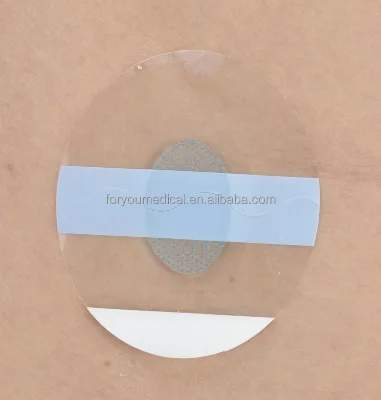
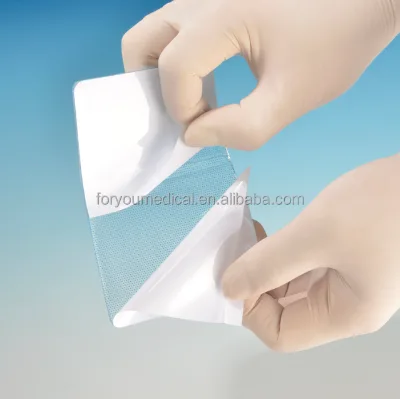


Comprehensive Sourcing Guide
Waterproof Hydrogel Wound Dressing Sourcing Guide
Procuring waterproof hydrogel wound dressings requires a nuanced understanding of material science and clinical performance, as these products serve as critical interfaces between the wound bed and the external environment. Buyers must recognize that "waterproof" in this context often refers to the dressing’s ability to maintain a moist healing environment while resisting external water ingress, rather than being fully impermeable to all fluids. The core material composition, typically involving hydrogel matrices or polyurethane (PU) blends, dictates the dressing’s hydration capabilities and mechanical integrity. Sourcing decisions should prioritize manufacturers who can demonstrate consistent gel formulation, ensuring that the dressing retains its structural integrity when exposed to moisture without dissolving or losing adhesion prematurely.
Beyond material composition, the functional attributes of ventilation and anti-allergy properties are essential for patient comfort and safety, particularly in long-term wear scenarios. Buyers should evaluate how the product’s design balances moisture vapor transmission with liquid water resistance, as this balance directly impacts exudate management and skin maceration risks. The observed market signals indicate a range of customization options, including size variations and logo printing, which suggest that suppliers are equipped to meet specific institutional branding or clinical protocol requirements. Understanding these operational nuances allows procurement teams to align product selection with specific wound care protocols, ensuring that the chosen dressing supports optimal healing outcomes while minimizing adverse skin reactions.
Product Scope and Observed Listing Signals
The current market landscape for hydrogel dressings reveals a diverse array of product configurations, ranging from standard sterile packs to customized solutions tailored for specific clinical needs. Observed listings highlight materials such as hydrogel, PU foam, and hydrocolloid gel, indicating that buyers must carefully distinguish between pure hydrogel formulations and composite materials that may offer enhanced absorbency or cushioning. The presence of various sizes, including 5x5cm and 10x10cm options, alongside customized dimensions, suggests that suppliers are flexible in meeting the anatomical requirements of different wound types. This variability necessitates a thorough review of product specifications to ensure that the selected dressing matches the intended application, whether for minor abrasions or more complex, moderately to heavily exuding wounds.
Listing signals also point to significant variations in packaging and sterilization methods, which are critical for maintaining product sterility and shelf life. Products are observed to be packaged in individual pouches, boxes, or cartons, with sterilization achieved through ethylene oxide (Eo) or gamma ray processes. The observed shelf life of three years provides a stable inventory planning horizon, but buyers must verify that the chosen sterilization method aligns with their facility’s safety protocols and regulatory requirements. Additionally, the availability of disposable, sterile products with self-adhesive properties underscores the convenience and ease of use expected in modern wound care settings, influencing decisions related to nursing time and patient mobility.
Technical Specifications to Verify
When evaluating technical specifications, buyers must prioritize the verification of material composition and physical dimensions to ensure compatibility with the intended wound bed. The distinction between hydrogel, PU foam, and hydrocolloid materials is paramount, as each offers different levels of hydration, absorbency, and adhesion. For instance, hydrogel dressings are typically non-adherent and cooling, making them suitable for burns or dry wounds, while foam dressings may offer greater cushioning and absorbency for exuding wounds. Buyers should request detailed material data sheets that specify the exact polymer blends and gel concentrations, as these factors directly influence the dressing’s performance in maintaining a moist healing environment and its ability to manage exudate without causing maceration.
Adhesion type and size consistency are also critical technical parameters that require rigorous verification. Self-adhesive properties must be evaluated for their balance between secure attachment and gentle removal to prevent skin trauma, especially in fragile or sensitive skin types. Buyers should confirm that the advertised sizes, such as 5x5cm or 10x10cm, are manufactured within tight tolerances to ensure accurate coverage of the wound area. Additionally, the presence of features like ventilation and anti-allergy properties should be validated through clinical data or manufacturer testing reports, ensuring that the dressing promotes airflow and minimizes the risk of allergic reactions, thereby enhancing patient comfort and compliance during the healing process.
Compliance and Safety Documentation
Compliance with international regulatory standards is non-negotiable when sourcing medical wound dressings, as these products are classified as medical devices with specific risk profiles. Buyers must verify that suppliers hold valid certifications such as CE marking and ISO 13485, which demonstrate adherence to quality management systems for medical device manufacturing. The presence of FDA 510(k) clearance, where applicable, indicates that the product has undergone rigorous review for safety and efficacy in the United States market. These certifications are essential for ensuring that the dressing meets the necessary regulatory requirements for importation and clinical use, providing a baseline of trust in the manufacturer’s quality control processes and product consistency.
Sterility assurance and disinfection methods are equally critical components of the compliance documentation that buyers must scrutinize. Whether the product is sterilized using ethylene oxide (Eo) or gamma radiation, the supplier must provide evidence of effective sterilization validation and residual testing to ensure patient safety. Buyers should also verify the instrument classification, such as Class II, which dictates the level of regulatory control and the specific standards the product must meet. Additionally, the packaging integrity and labeling must comply with relevant regulations, ensuring that the sterile barrier is maintained until the point of use and that all necessary information, including expiration dates and storage conditions, is clearly communicated to the end-user.
Cost Drivers and Commercial Terms
Cost structures for hydrogel wound dressings are influenced by several key factors, including material complexity, sterilization method, and packaging requirements. Products made from advanced hydrogel formulations or composite materials like PU foam typically command higher prices due to the specialized manufacturing processes involved. Sterilization methods also play a significant role, with ethylene oxide sterilization often being more costly than gamma radiation due to the need for aeration periods to remove residual gases. Buyers should analyze the total cost of ownership, considering not just the unit price but also the shelf life and packaging efficiency, as these factors impact inventory holding costs and waste reduction in clinical settings.
Commercial terms, including minimum order quantities (MOQ) and customization options, significantly affect procurement strategy and budget planning. Observed MOQ ranges vary widely, from small quantities for trial orders to large volumes for institutional supply, allowing buyers to negotiate terms that align with their consumption rates. Customization services, such as logo printing or specific size adjustments, may incur additional costs but can provide value through brand differentiation or clinical protocol alignment. Buyers should also consider payment terms and lead times, as these factors influence cash flow and supply chain resilience, ensuring that the procurement process supports uninterrupted wound care services without excessive inventory buildup.
Supplier Qualification and Quality Control
Supplier qualification is a critical step in ensuring the reliability and consistency of hydrogel wound dressing supplies, requiring a thorough assessment of the manufacturer’s capabilities and track record. Buyers should evaluate the supplier’s production facilities, focusing on their adherence to Good Manufacturing Practices (GMP) and their ability to maintain a cleanroom environment essential for sterile medical device production. The presence of robust quality control systems, including in-process testing and final product inspection, is vital for ensuring that each batch meets the specified standards for sterility, adhesion, and material integrity. Suppliers with a history of consistent performance and positive feedback from clinical users are preferable, as they demonstrate a commitment to quality and customer satisfaction.
Quality control protocols should extend beyond initial qualification to include ongoing monitoring and periodic audits to ensure sustained compliance. Buyers should request detailed quality reports, including batch-specific test results for sterility, package integrity, and material composition, to verify that the products consistently meet the agreed-upon specifications. Additionally, suppliers should have clear procedures for handling non-conforming products and implementing corrective actions, ensuring that any deviations from quality standards are promptly addressed. Establishing a strong partnership with a supplier who prioritizes transparency and continuous improvement in quality control is essential for maintaining the safety and efficacy of wound care products over the long term.
Long-Term Procurement Checks
Long-term procurement success depends on establishing a framework for continuous evaluation and relationship management with suppliers, ensuring that product quality and service levels remain consistent over time. Buyers should implement regular performance reviews that assess key metrics such as delivery reliability, product defect rates, and responsiveness to clinical feedback. These reviews provide valuable insights into the supplier’s operational efficiency and ability to adapt to changing market conditions or regulatory requirements. By maintaining open communication channels and fostering a collaborative partnership, buyers can proactively address potential issues and ensure that the supply chain remains resilient and responsive to the evolving needs of wound care patients.
Additionally, buyers should stay informed about emerging trends and technological advancements in hydrogel dressing materials and manufacturing processes, as these developments may offer opportunities for improved clinical outcomes or cost efficiencies. Regularly updating procurement specifications and re-evaluating supplier capabilities in light of new industry standards or best practices is essential for maintaining a competitive and effective sourcing strategy. By prioritizing long-term relationship building and continuous improvement, buyers can secure a reliable supply of high-quality hydrogel wound dressings that support optimal patient care and organizational goals, ensuring sustained value and safety in the procurement process.
FAQs
What certifications do waterproof hydrogel wound dressings have?
These dressings typically hold CE, RoHS, and ISO certifications. Some products also carry FDA 510K approval and ISO13485 quality certification. Buyers should verify specific documents for each supplier to ensure compliance with regional medical device regulations and safety standards.
How are waterproof hydrogel wound dressings sterilized?
Manufacturers commonly use Ethylene Oxide or Gamma Ray sterilization methods. The product data confirms Ethylene Oxide sterilization is available for sterile individual packing. This ensures the dressing remains safe for direct wound contact while maintaining its absorbent and breathable properties.
Which materials are used in waterproof hydrogel wound dressings?
Common materials include Hydrogel, PU Foam, and Plastic components. Some variants combine Hydrocolloid Gel with Foam for enhanced absorption. These materials provide a soft, comfortable interface that manages moderate to heavily exuding wounds effectively while remaining waterproof.
Can buyers request customized sizes for hydrogel wound dressings?
Yes, customization is available for various specifications including 5x5cm, 10x10cm, or custom dimensions. Suppliers offer options like logo printing and specific packaging configurations. This flexibility allows buyers to tailor products for hospital, pharmacy, or clinic usage requirements.
What is the shelf life of waterproof hydrogel wound dressings?
The standard shelf life for these products is three years. This duration applies to sterile, individually packed items stored under recommended conditions. Buyers should check expiration dates on the packaging to ensure the dressing remains effective for wound care applications.
How are waterproof hydrogel wound dressings packaged for shipment?
Packaging options include individual pouches, boxes, and cartons. Some items come as one piece per bag, while others are packed ten per box. This variety supports different order quantities and ensures the sterile barrier remains intact until the point of clinical use.
What features make hydrogel dressings suitable for wound care?
Key features include being waterproof, breathable, and anti-allergy. They offer high absorbency and a soft, comfortable texture for patients. These attributes make them ideal for managing exuding wounds in hospital, pharmacy, and clinic settings while promoting a healing environment.