Source Moulded Radiator Hose Pipe for Cars, Trucks, and Engines
Compare 30 Moulded Radiator Hose Pipe options from verified Chinese manufacturers. Buyers can evaluate EPDM materials, working temperatures, and OEM customization for cooling systems in cars, trucks, and industrial engines; compare the available evidence and request quotations based on your requirements.
Key considerations
Products List


High Temperature Resistant Coolant Hose Radiator Pipe with Protective Sleeve
$1.60 - $3.80
MOQ: 300 Pieces


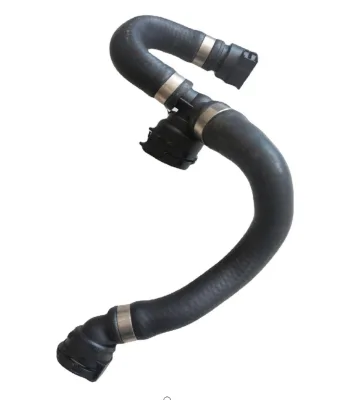


24inch Length Chromed Flexible Radiator Hose Tubing Pipe with Stainless Steel
$10.00 - $50.00
MOQ: 100 Pieces


Comprehensive Sourcing Guide
Moulded Radiator Hose Pipe Sourcing Guide
Sourcing moulded radiator hose pipes requires a precise understanding of material science and manufacturing capabilities, particularly when dealing with automotive cooling systems. The primary material observed in current listings is EPDM rubber, chosen for its superior resistance to heat, ozone, and aging compared to natural rubber alternatives. Buyers must verify that the supplier utilizes synthetic rubber compounds that meet specific thermal stability requirements, as the working temperature range typically spans from -40°C to +120°C. This range is critical for ensuring the hose maintains flexibility in cold climates while resisting degradation under high engine heat.
The manufacturing process often involves manual winding or moulding techniques, which directly impacts the hose's structural integrity and dimensional accuracy. Suppliers offering OEM services are prevalent, indicating a capacity for custom sizing and branding, which is essential for original equipment manufacturers and specialized aftermarket distributors. The inner diameter generally ranges from 4mm to 60mm, allowing for various fluid flow requirements across different vehicle models. Procurement teams should prioritize suppliers who demonstrate consistent moulding precision to prevent leaks or burst failures in high-pressure cooling environments.
Product Scope and Observed Listing Signals
The product scope for moulded radiator hoses encompasses a variety of configurations, including straight, bend, and custom-shaped pipes designed for specific engine bay layouts. Listings frequently highlight customization options, allowing buyers to request specific lengths and sizes tailored to their assembly needs. The standard packing method involves inner plastic bags with labels to protect the product from contamination and damage, followed by outer cartons for bulk shipping. This dual-layer packaging ensures that the hoses arrive at the destination in pristine condition, ready for immediate installation or further processing.
Observed listing signals indicate a strong focus on the automotive sector, with many products explicitly marketed for car applications. The presence of IATF 16949 certification in several listings suggests that many suppliers adhere to rigorous quality management standards specific to the automotive industry. Buyers should note that while some listings mention certifications like EPA, DOT, and TUV, these are often associated with the broader component or vehicle system rather than the hose itself. It is crucial to distinguish between general company certifications and product-specific compliance to avoid misinterpretation during the qualification phase.
Technical Specifications to Verify
When evaluating technical specifications, the inner diameter and wall thickness are paramount for ensuring proper coolant flow and pressure resistance. Buyers must confirm that the supplier can produce hoses with customized lengths, as off-the-shelf options may not fit complex engine geometries. The working temperature range of -40°C to +120°C is a standard benchmark, but buyers should request material data sheets to verify the compound's performance under extreme conditions. Additionally, the hose's ability to withstand vibration and mechanical stress without cracking or delaminating is a key performance indicator that should be validated through sample testing.
The connection points and fittings are another critical area for verification. Moulded hoses often feature reinforced ends or specific barb profiles to ensure a secure fit on radiator and heater cores. Buyers should inquire about the compatibility of the hose with standard automotive fittings and whether the supplier offers matching clamps or accessories. The use of EPDM rubber is widely accepted, but the specific formulation can vary between suppliers. Requesting detailed material composition reports helps ensure that the hose will not react adversely with the cooling fluid, which may include alcohol-based or ethylene glycol mixtures.
Compliance and Safety Documentation
Compliance documentation is essential for sourcing moulded radiator hoses, particularly for markets with strict environmental and safety regulations. Certifications such as RoHS and REACH are frequently cited, indicating that the materials used are free from restricted hazardous substances. Buyers should verify that the supplier provides up-to-date certificates of conformity for each batch, ensuring that the chemical composition remains consistent and compliant with current standards. This is particularly important for exports to regions with stringent environmental laws, where non-compliance can result in significant penalties or shipment rejections.
In addition to environmental compliance, quality management certifications like IATF 16949 demonstrate a supplier's commitment to consistent quality and continuous improvement. While ISO 9001 is a general quality standard, IATF 16949 is specifically tailored to the automotive industry and includes additional requirements for risk management and defect prevention. Buyers should request evidence of these certifications and verify their validity through the respective certification bodies. Understanding the scope of these certifications helps buyers assess the supplier's capability to meet the rigorous demands of automotive OEMs and aftermarket distributors.
Cost Drivers and Commercial Terms
Cost drivers for moulded radiator hoses include the price of raw materials, particularly EPDM rubber, which fluctuates based on global market conditions. Customization plays a significant role in pricing, as bespoke sizes and shapes require dedicated moulds and setup time. Buyers should expect higher unit costs for low-volume orders due to these fixed setup expenses, while larger volumes may benefit from economies of scale. The minimum order quantity (MOQ) varies, with some suppliers requiring as few as 500 units, while others may have higher thresholds for custom products.
Commercial terms such as payment methods, lead times, and shipping arrangements also impact the total cost of ownership. Buyers should negotiate clear terms regarding warranty periods, with 12 months being a common offering for rubber components. It is advisable to clarify responsibilities for packaging and labeling, especially when dealing with international shipments. Understanding the supplier's production capacity and lead times helps in planning inventory levels and avoiding production delays. Transparent communication about cost breakdowns ensures that buyers can make informed decisions based on total value rather than just unit price.
Supplier Qualification and Quality Control
Supplier qualification involves a thorough assessment of manufacturing capabilities, quality control processes, and financial stability. Buyers should conduct on-site audits or request virtual tours to verify the production environment and equipment. Key areas to inspect include the moulding machines, curing processes, and quality inspection stations. Suppliers who offer OEM/ODM services should demonstrate flexibility and responsiveness to design changes, which is crucial for adapting to evolving automotive trends. Requesting references from existing clients, particularly in the automotive sector, provides additional insight into the supplier's reliability and performance.
Quality control measures should be clearly defined and documented. Buyers should inquire about the supplier's testing protocols, including pressure tests, temperature cycling, and material analysis. A robust quality management system should include procedures for handling non-conforming products and implementing corrective actions. Buyers should also verify the supplier's ability to provide traceability for each batch, ensuring that any issues can be traced back to the production run. Establishing a clear communication channel for quality concerns helps in resolving issues promptly and maintaining a strong partnership.
Long-Term Procurement Checks
Long-term procurement checks focus on maintaining supplier performance and adapting to market changes. Regular performance reviews should assess delivery times, product quality, and responsiveness to issues. Buyers should monitor any changes in the supplier's certification status or ownership structure, as these can impact reliability. Staying informed about advancements in rubber technology and manufacturing processes helps buyers identify opportunities for cost savings or performance improvements. Building a diversified supplier base reduces risk and ensures continuity of supply in case of disruptions.
Continuous improvement initiatives should be encouraged through collaborative feedback and joint problem-solving sessions. Buyers should share market insights and customer feedback to help suppliers align their products with evolving demands. Regularly reviewing contract terms and pricing structures ensures that the procurement strategy remains competitive and aligned with business goals. Establishing a long-term partnership based on mutual trust and transparency fosters innovation and efficiency, ultimately benefiting both the buyer and the supplier in the dynamic automotive components market.
FAQs
What certifications do the moulded radiator hoses have?
The moulded radiator hoses hold IATF16949, EPA, DOT, TUV, RoHS, and Reach certifications. These standards ensure compliance with automotive safety and environmental regulations for cooling systems. Buyers can verify these documents to confirm product quality and regulatory adherence before placing orders.
Can I customize the size and length of the hose?
Yes, customization is available for both size and length. The product supports customized dimensions ranging from 4 to 60mm inner diameter and specific lengths. This flexibility allows buyers to match exact vehicle cooling system requirements without needing standard off-the-shelf components.
What is the working temperature range for this rubber hose?
The working temperature range spans from -40 degrees Celsius to +120 degrees Celsius. This wide range ensures reliable performance in extreme cold and high-heat conditions typical for car cooling systems. The EPDM material provides durability against thermal stress and fluid exposure.
What is the minimum order quantity for these hoses?
The minimum order quantity is 500 units for this specific product model. Some listings may show different MOQs, but 500 is the confirmed value for the LT-032 model. Buyers should confirm specific MOQs with suppliers as variations exist across different product lines and customization levels.
How are the hoses packaged for shipping?
Hoses are packaged in inner plastic bags with labels and outer cartons. This method protects the rubber material from damage and moisture during transit. The packaging ensures that the customized sizes and lengths remain intact until they reach the buyer's facility for installation.
Which processing services are used to make these hoses?
Manufacturing involves moulding, cutting, extrusion, and manual winding processes. These techniques ensure precise shaping and durability for the radiator hose application. The combination of services allows for high-quality production of heat-resistant rubber hoses tailored to specific automotive cooling system needs.
What is the warranty period for the radiator hose?
The warranty period is 12 months from the date of purchase. This coverage applies to defects in material or workmanship under normal operating conditions. Buyers should retain proof of purchase to validate warranty claims if any issues arise within the specified one-year timeframe.