Source Custom Cut Fabric Sheet for Garments, Bags, and Home Textile
Find 30 options for Custom Cut Fabric Sheet, including polyester felt, woven, and nonwoven varieties. Compare features like flame retardancy, waterproofing, and anti-static properties for garments, bags, and home textile applications; compare the available evidence and request quotations based on your requirements.
Key considerations
Products List


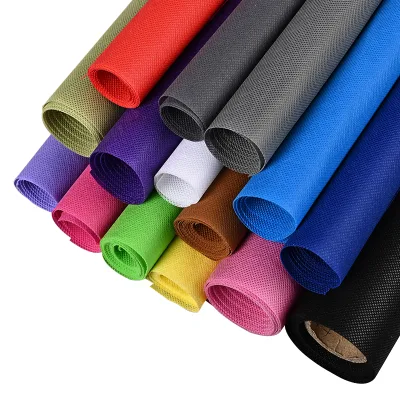


Flower Cutting Customized Comforter Cover Bedding Set with Flat Fitted Sheet
$9.00 - $11.50
MOQ: 100 Pieces

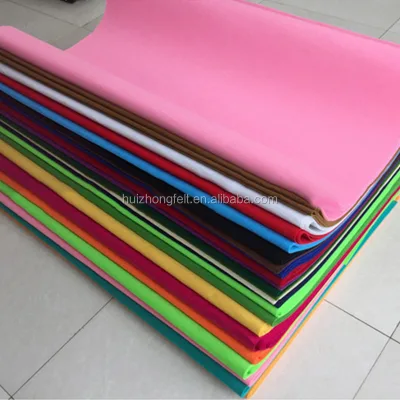
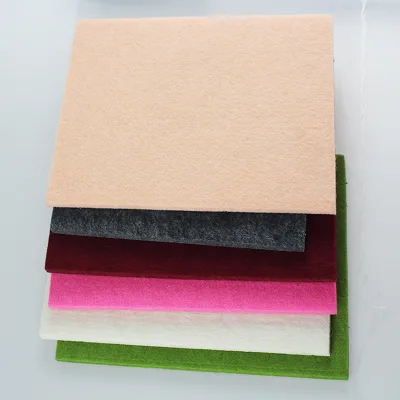
Comprehensive Sourcing Guide
Custom Cut Fabric Sheet Sourcing Guide
Procuring custom cut fabric sheets requires a strategic approach to align material properties with specific end-use requirements, particularly when dealing with diverse textile categories like security textiles or garment linings. Buyers must first evaluate whether the base material, such as polyester felt or woven fabric, offers the necessary structural integrity for their intended application. The availability of customization options allows for tailored solutions, but this flexibility necessitates clear communication regarding dimensions, colors, and functional additives to ensure the final product meets operational standards.
The sourcing landscape for these items reveals a wide variance in minimum order quantities and pricing structures, ranging from single units to bulk orders of tens of thousands. This variability suggests that buyers should carefully assess their volume needs against supplier capabilities to optimize cost efficiency. Understanding the origin of the goods, often from manufacturing hubs in China, provides context for logistics planning and helps in anticipating potential supply chain dynamics that could affect delivery timelines and overall project scheduling.
Product Scope and Observed Listing Signals
The market for custom cut fabric sheets encompasses a broad spectrum of material types, including nonwoven spun-bonded polypropylene and various woven fabrics designed for specific industrial or consumer uses. Listings frequently highlight features such as flame retardancy, anti-static properties, and high abrasion resistance, which are critical for applications in safety gear, home textiles, and durable bags. Buyers should scrutinize these feature claims to ensure they match the rigorous demands of their specific projects, as the functional requirements for a disposable supply item differ significantly from those of a long-lasting garment lining.
Observations indicate that packaging and presentation vary widely, with options ranging from individual polybags to large rolls, depending on the supplier's standard practices. Some products are specified with precise dimensions like 5cm by 5cm, while others offer fully customized sizing to accommodate unique cutting needs. This diversity in packaging and sizing signals that buyers must explicitly define their requirements during the inquiry phase to avoid receiving products that are either too small for their needs or packaged in a manner unsuitable for their storage and distribution infrastructure.
Technical Specifications to Verify
When evaluating technical specifications, the knitting or weaving technique is a primary determinant of the fabric's performance characteristics, with weft knitting and woven technics offering distinct advantages in elasticity and strength. Buyers should verify the physical features such as medium strength or high abrasion resistance to ensure the material can withstand the mechanical stresses of its intended use, whether it be for luggage, bedding, or protective clothing. Confirming the weight range, which can span from 9 to 220 GSM, is essential for balancing durability with weight constraints in the final product design.
Dimensional consistency and color accuracy are equally critical, as many suppliers offer custom colors and sizes to meet specific design briefs. The presence of patterns, such as dot prints, or specific finishes like waterproofing and mothproofing, must be validated against the project's aesthetic and functional criteria. Additionally, verifying the elasticity level, described as medium in some listings, helps in predicting how the fabric will behave during the cutting and sewing processes, ensuring that the final assembly maintains its shape and structural integrity under tension.
Compliance and Safety Documentation
Ensuring compliance with safety standards is paramount when sourcing fabric sheets for applications involving human contact or sensitive environments. While specific certifications like REACH or ROHS are noted in background data, buyers must request current test reports to confirm that the materials meet the regulatory requirements of their target markets. The presence of features like flame retardancy and anti-bacterial properties should be backed by independent laboratory results to validate these claims, especially for products intended for home textiles or medical-related uses where safety is non-negotiable.
Documentation regarding the environmental grade of the material is also a key consideration, particularly for buyers prioritizing sustainability. Many listings indicate that the products are recyclable or eco-friendly, but these assertions require verification through recognized environmental standards. Buyers should inquire about the specific testing protocols used to certify these attributes, ensuring that the supplier can provide transparent evidence of their environmental claims to support corporate sustainability goals and meet the expectations of environmentally conscious consumers.
Cost Drivers and Commercial Terms
The cost of custom cut fabric sheets is influenced by several factors, including the complexity of the customization, the volume of the order, and the specific functional additives required. Minimum order quantities can vary significantly, from single units to large bulk orders, which directly impacts the unit price and the overall budget allocation for the project. Buyers need to balance the desire for customization with the economic benefits of larger production runs to achieve the most favorable pricing structure without compromising on the quality or specifications of the material.
Commercial terms such as lead times and payment conditions are critical components of the procurement strategy, as they affect cash flow and project timelines. Suppliers often offer flexible packing options, such as rolls or custom requests, which can influence shipping costs and handling requirements. It is essential for buyers to negotiate clear terms regarding delivery schedules and quality assurance protocols to mitigate risks associated with delays or non-conforming goods, ensuring a smooth transaction from order placement to final delivery.
Supplier Qualification and Quality Control
Selecting a qualified supplier involves a thorough assessment of their production capabilities and quality control systems, particularly given the diverse range of materials and applications available. Buyers should verify the supplier's experience with specific technics, such as spun-bonded or woven methods, and their ability to maintain consistency across large production batches. The origin of the goods, often from regions like Xiamen or Zhejiang in China, provides a baseline for understanding the manufacturing ecosystem, but direct engagement with the supplier's quality assurance processes is necessary to ensure product reliability.
Quality control measures should be explicitly defined in the procurement agreement, covering aspects such as material grading, color consistency, and functional performance. Suppliers may offer different quality grades, and buyers must establish clear acceptance criteria to prevent disputes over product standards. Implementing a robust inspection regime, potentially involving third-party verification, helps to ensure that the delivered fabric sheets meet the specified requirements for strength, durability, and safety, thereby reducing the risk of defects in the final manufactured goods.
Long-Term Procurement Checks
Establishing a long-term procurement relationship requires ongoing monitoring of supplier performance and product consistency to maintain high standards over time. Buyers should regularly review the supplier's ability to meet delivery schedules and maintain the specified quality levels, as these factors are crucial for the stability of the supply chain. Continuous communication regarding any changes in material composition or production processes ensures that the procurement strategy remains aligned with evolving market demands and regulatory requirements.
Periodic audits and re-evaluation of supplier qualifications are essential to mitigate risks associated with supply chain disruptions or quality degradation. Buyers should maintain a database of supplier performance metrics, including defect rates and response times, to make informed decisions about future sourcing strategies. By fostering a collaborative relationship with suppliers and maintaining a proactive approach to quality management, organizations can secure a reliable supply of custom cut fabric sheets that support their long-term business objectives and operational efficiency.
FAQs
What materials are used for custom cut fabric sheets?
Custom cut fabric sheets are typically manufactured from polyester felt, woven fabric, or 100% polypropylene. These materials offer distinct properties such as high abrasion resistance, medium elasticity, and eco-friendly recyclability. Buyers can select specific material grades based on application needs, ranging from disposable supplies to durable security textiles requiring flame retardant features.
Can custom cut fabric sheets be customized for specific applications?
Yes, customization is available for various applications including garments, shoes, bags, and home textiles. Manufacturers offer options for custom colors, printed styles, and specific dimensions. The sheets can be tailored for uses such as linings, curtains, or storage boxes, ensuring the final product meets precise functional requirements like tear resistance or anti-static properties.
What are the standard packaging options for fabric sheets?
Standard packaging typically includes polybags, with specific configurations like 500 pieces per polybag or 200 meters per roll. Loose packing with plastic bags is also common for larger rolls. Buyers can request custom packaging solutions to suit their logistics needs, ensuring the fabric sheets remain protected during transit and storage while maintaining their quality.
What certifications apply to custom cut fabric sheets?
Products may adhere to standards such as SGS certification and comply with REACH and ROHS regulations. These certifications ensure the materials meet international safety and environmental requirements. Buyers seeking specific compliance for global markets should verify these standards with suppliers, as they indicate the product's suitability for regulated industries and eco-friendly sourcing goals.
Where are custom cut fabric sheets typically manufactured?
Manufacturing origins include major textile hubs in China, such as Xiamen and Zhejiang. These regions are known for producing diverse fabric types, including nonwoven and spun-bonded materials. Buyers can source from these locations to access a wide range of specifications, from domestic grades to specialized technical textiles, ensuring reliable supply chains for bulk orders.
What features do custom cut fabric sheets offer?
Features include washability, waterproofing, mothproofing, and breathability. Many sheets provide anti-bacterial, anti-anti-static, and anti-tear protections. Additional functional attributes like heat insulation and flame retardancy are available for specific use cases. These characteristics make the sheets suitable for demanding applications in apparel, home textiles, and industrial settings requiring durability and safety.