Source Black FKM Rubber Sheet for Seals, Gaskets, and Linings
Compare 30 listings for Black FKM Rubber Sheet sourced from China. Options include custom sizes, various hardness levels, and industrial-grade features like corrosion and heat resistance for diverse manufacturing needs; compare the available evidence and request quotations based on your requirements.
Key considerations
Products List
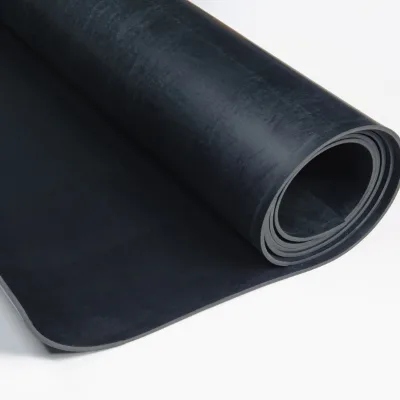
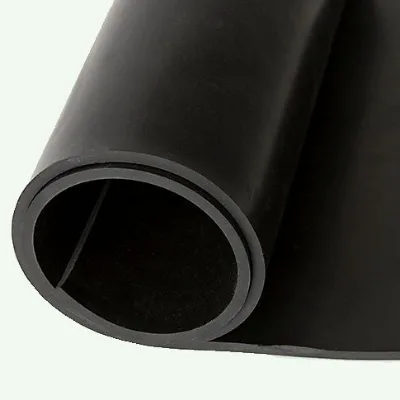


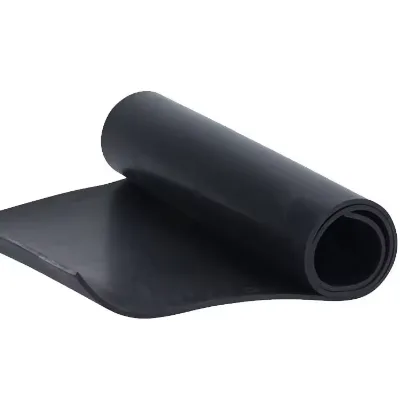
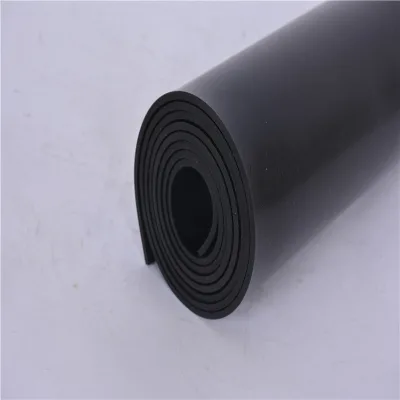




Comprehensive Sourcing Guide
Black FKM Rubber Sheet Sourcing Guide
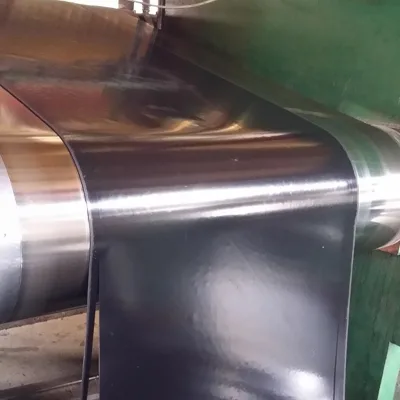
Procuring black FKM rubber sheets requires a disciplined approach to material verification and supplier qualification, as the market contains varied listings that may not strictly adhere to fluorocarbon specifications. Buyers must distinguish between pure FKM compounds and blended alternatives, ensuring that the core keyword aligns with the actual material composition offered by the supplier. The visual characteristic of black color is common across many rubber types, including SBR, CR, EPDM, IIR, and NBR, which are often listed alongside FKM in general catalogs. Therefore, visual inspection alone is insufficient for validation, and documentation must be requested to confirm the specific polymer type before committing to a purchase order.
The sourcing landscape for these industrial slabs is dominated by manufacturers in China, particularly in regions like Shandong and Hebei, which offer significant supply capacity and competitive pricing structures. These hubs provide a wide range of processing services, including molding and cutting, allowing for customization of dimensions such as thicknesses ranging from 1mm to 50mm and widths up to 2 meters. Understanding the geographic concentration of suppliers helps in evaluating logistics costs and lead times, which typically span two to three weeks for standard orders. Buyers should leverage this regional knowledge to negotiate favorable terms while maintaining strict quality control protocols to ensure the material meets the demanding chemical and thermal resistance requirements associated with FKM applications.
Product Scope and Observed Listing Signals
The observed market signals indicate a broad spectrum of product attributes, with prices ranging from $0.12 to $3,490 USD and minimum order quantities varying from 1 to 1,000 units. This wide variance suggests that listings may represent different material grades, thicknesses, or total volumes, requiring careful scrutiny of the unit price definition. Some suppliers offer flexible packaging options, including plastic film, PP woven bags, or wooden pallets, which can impact the final landed cost and protection of the sheets during transit. Buyers should verify whether the quoted price includes packaging and shipping, as these variables significantly influence the total procurement budget for large industrial orders.
Product specifications frequently cite hardness values between 55-75 Shore A or 70+/- 5 Shore A, with densities reported between 1.15g/cm³ and 2.0g/cm³. These physical properties are critical for determining the sheet's suitability for specific sealing or gasketing applications, as FKM typically offers superior heat and chemical resistance compared to other elastomers. The tensile strength is often listed in the range of 6-9MPa, which provides insight into the material's durability under mechanical stress. Buyers must cross-reference these observed signals with their technical requirements, as deviations in density or hardness can indicate the use of fillers or different rubber blends that may not meet the performance standards of pure FKM.
Technical Specifications to Verify
Verifying the exact material composition is the most critical technical step, as suppliers may list multiple materials such as FKM, SBR, CR, EPDM, IIR, and NBR in a single product description. Buyers must explicitly request a material certificate or test report to confirm that the sheet is indeed made of fluorocarbon rubber, which is essential for applications involving aggressive chemicals or high temperatures. The color black is standard for many rubber types due to carbon black reinforcement, so it cannot be used as a sole indicator of FKM content. Ensuring the correct polymer type prevents costly failures in environments where standard rubbers would degrade rapidly, making material verification a non-negotiable part of the sourcing process.
Dimensional accuracy and surface finish are also key technical parameters that require confirmation. Listings indicate lengths can be customized to any size or specific ranges like 10m-15m, with widths up to 2.2 meters and thicknesses from 1mm to 50mm. Buyers should specify their exact requirements for length, width, and thickness to avoid receiving non-conforming goods. Additionally, the surface finish is often described as smooth on both sides, which is important for applications requiring uniform sealing or aesthetic finishes. Confirming these dimensions and surface qualities ensures that the rubber sheets will fit precisely into the intended industrial assembly, reducing waste and installation time.
Compliance and Safety Documentation
Compliance with international standards is vital for ensuring the safety and legality of imported rubber products. Suppliers may claim certifications such as ISO 9001:2000 and REACH, which indicate adherence to quality management systems and chemical regulations, respectively. Buyers should request valid copies of these certificates to verify that the supplier maintains the necessary standards for production and environmental compliance. While REACH compliance is crucial for chemical safety in many markets, it does not guarantee the material's performance characteristics, so it should be viewed as a baseline requirement rather than a performance indicator.
In addition to general certifications, buyers should inquire about specific test results related to tensile strength, hardness, and density to ensure the product meets their technical specifications. Although some standards like ASTM D412, D2240, and D297 are mentioned in background contexts, buyers must confirm if these tests have been performed on the specific batch being ordered. Requesting third-party test reports adds an layer of assurance, particularly for critical applications where material failure could lead to significant operational disruptions. Ensuring that all documentation is up-to-date and relevant to the current production batch helps mitigate risks associated with non-compliant or substandard materials.
Cost Drivers and Commercial Terms
Several factors influence the final cost of black FKM rubber sheets, including material grade, thickness, quantity, and packaging requirements. Thicker sheets and higher hardness values may command premium prices due to increased material usage and processing complexity. The supply ability of suppliers, often cited as 2,000 tons per month, suggests that large orders can be fulfilled efficiently, potentially leading to volume discounts. Buyers should negotiate based on their expected annual consumption to secure better pricing, while also considering the impact of currency fluctuations and raw material costs on the final quote.
Commercial terms such as delivery time, port of dispatch, and payment conditions also play a significant role in the total cost of ownership. Typical delivery times range from two to three weeks, but this can vary based on order size and production schedules. The port of dispatch, often Xingang for Chinese suppliers, affects shipping costs and transit times, which should be factored into the procurement budget. Buyers should clarify whether the quoted price is EXW, FOB, or CIF to avoid hidden costs. Understanding these commercial terms allows for more accurate budgeting and helps in selecting suppliers who can meet both technical and logistical requirements.
Supplier Qualification and Quality Control
Qualifying suppliers involves assessing their manufacturing capabilities, quality control processes, and track record in the industry. Buyers should verify the supplier's production facilities, particularly their ability to perform molding and cutting services to meet custom specifications. The presence of multiple model numbers, such as JK-6102 or JX-7825, may indicate a range of product lines, so buyers must ensure that the specific model meets their technical requirements. Requesting samples before placing large orders is a prudent step to evaluate the material's physical properties and surface quality firsthand.
Quality control measures should be clearly defined in the purchase agreement, including inspection criteria for dimensions, hardness, and visual defects. Buyers should inquire about the supplier's internal quality control processes and whether they conduct routine testing on production batches. Establishing a clear protocol for handling non-conforming goods is essential to mitigate risks. Additionally, verifying the supplier's brand reputation and customer feedback can provide insights into their reliability and service quality. A robust supplier qualification process helps ensure that the sourced rubber sheets meet the required standards and performance expectations.
Long-Term Procurement Checks
Establishing long-term procurement relationships requires ongoing monitoring of supplier performance and product consistency. Buyers should conduct periodic audits or reviews to ensure that the supplier continues to meet quality and delivery standards. Tracking key performance indicators such as on-time delivery rate, defect rate, and responsiveness to issues helps in evaluating the supplier's reliability over time. Maintaining open communication channels with the supplier facilitates quick resolution of any problems that may arise during the supply chain.
Regularly reviewing market trends and alternative suppliers can also help in maintaining competitive pricing and supply security. Buyers should stay informed about changes in raw material costs and regulatory requirements that may impact the procurement process. Diversifying the supplier base can reduce dependency on a single source and mitigate risks associated with supply disruptions. By implementing a structured long-term procurement strategy, buyers can ensure a stable supply of high-quality black FKM rubber sheets that support their operational needs and business objectives.
FAQs
What is the hardness range for black FKM rubber sheets?
The hardness typically ranges from 55 to 75 Shore A or 70 plus or minus 5 Shore A depending on the specific product requirement. You can also request custom hardness values to match your industrial application needs precisely.
Which certifications do these rubber sheets hold?
These products are certified under ISO 9001:2000 and comply with REACH standards. These certifications ensure quality management and chemical safety for industrial applications involving corrosion-resistant and heat-resistant materials.
How long is the delivery time for orders?
The standard delivery time is approximately two to three weeks after order confirmation. This timeline applies to standard orders and may vary slightly based on the specific quantity and customization requirements requested by the buyer.
Can I get custom sizes for the rubber sheets?
Yes, custom sizes are available with lengths ranging from 10 to 15 meters or any length as required. The width can be adjusted up to a maximum of two meters to fit your specific industrial slab or floor covering needs.
What is the minimum order quantity for these sheets?
The minimum order quantity can be as low as one unit or up to one thousand units depending on the supplier. This flexibility allows buyers to source small samples or large industrial quantities without strict volume constraints.
What materials are used to make these rubber sheets?
The primary material is FKM fluorine rubber, though options like SBR, CR, EPDM, IIR, and NBR are also available. These materials provide essential properties such as wear resistance, impact resistance, and electrical insulation for various industrial uses.
Where are these rubber sheets manufactured?
These sheets are manufactured in China, specifically in the Shandong and Hebei provinces. This location supports a supply ability of 2000 tons per month with dispatch ports like Xingang for efficient international shipping logistics.