Source Moving Head Stage Light with Lighting Truss for Events
Compare 30 Moving Head Stage Light with Lighting Truss options from verified suppliers. Explore diverse specifications including beam angles, color mixing, and DMX control for concerts, weddings, and corporate events; compare the available evidence and request quotations based on your requirements.
Updated
Key considerations
Products List
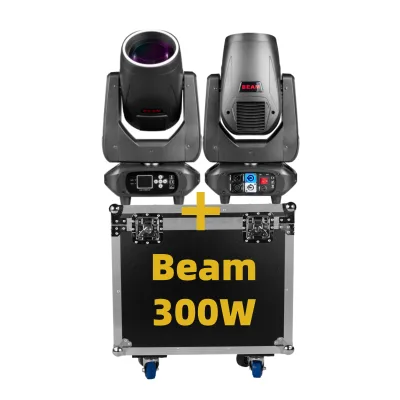


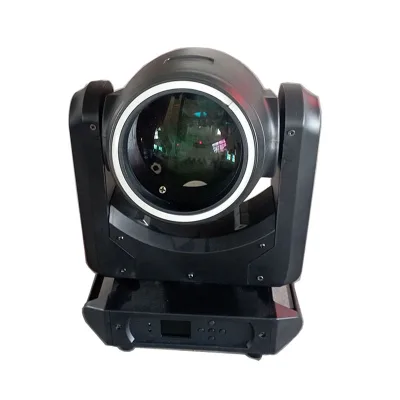
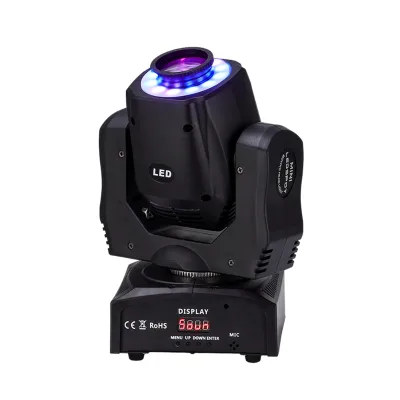
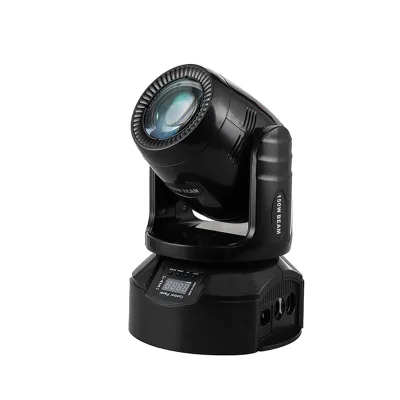


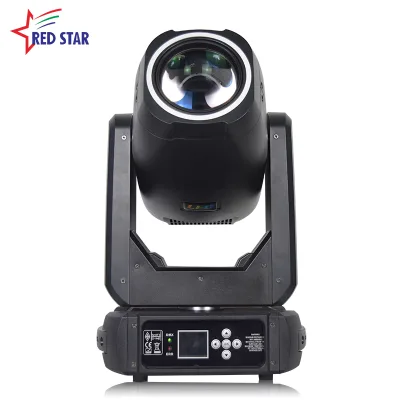
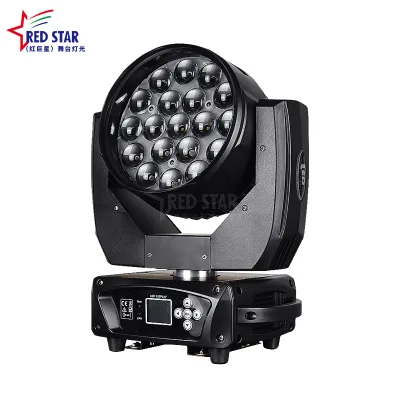
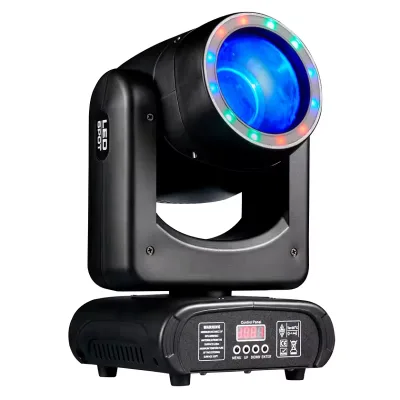
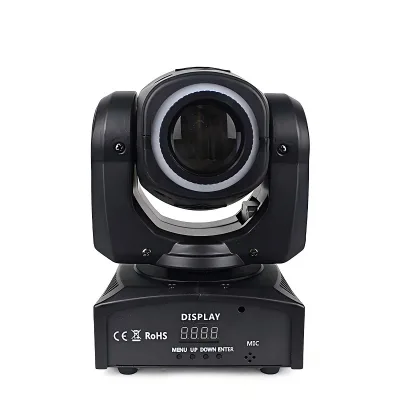
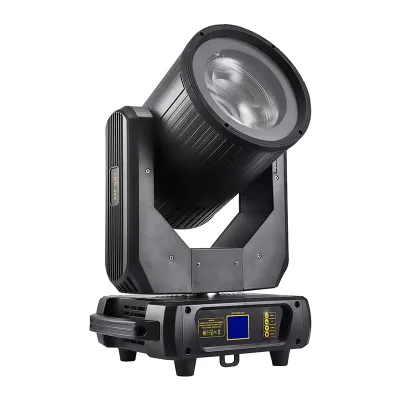
Stage Light 400W COB Zoom Moving Head Light with Color Wheel and CTO Function Surface Audience Light
$290.00 - $315.00
MOQ: 10 pieces
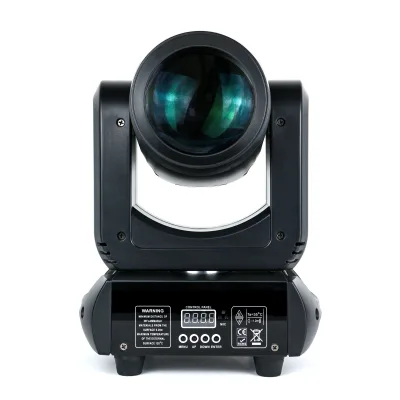
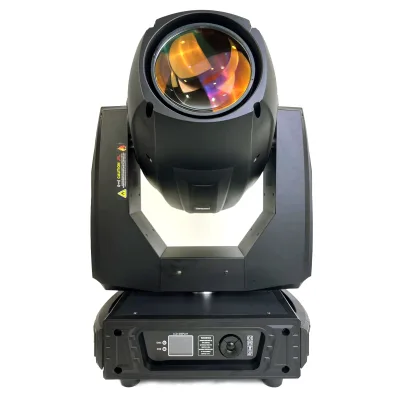
Comprehensive Sourcing Guide
Moving Head Stage Light with Lighting Truss Sourcing Guide
Procuring moving head stage lights requires a disciplined approach to technical verification and supplier qualification. Buyers must prioritize devices that integrate seamlessly with existing lighting trusses, ensuring mechanical stability and electrical safety during dynamic performances. The selection process hinges on understanding the interplay between fixture weight, mounting hardware, and control protocols. This guide outlines the critical factors for sourcing reliable equipment that meets professional stage standards.
Successful procurement depends on aligning product specifications with the specific demands of the venue or event type. Buyers should evaluate luminous flux, color rendering, and control channels to ensure the lights deliver the desired visual impact. Furthermore, verifying the compatibility of power inputs and dimming support is essential for preventing system failures. This structured approach minimizes risk and ensures that the acquired lighting solutions perform consistently under rigorous operational conditions.
Product Scope and Observed Listing Signals
The current market offers a diverse range of beam lights designed for event applications, with observed prices ranging from 1 to 2123 USD. Minimum order quantities typically span from 1 to 200 units, allowing for flexible procurement strategies tailored to different project scales. Buyers should note that product attributes vary significantly across listings, meaning not every listed item satisfies all potential requirements. It is crucial to treat observed attributes as specific observations rather than universal claims for all available inventory.
Specific models exhibit distinct physical and operational characteristics that influence their suitability for truss mounting. For instance, some units weigh approximately 16 kg or 14.1 kg, while others are lighter at 9 kg, directly impacting truss load calculations. Power consumption ranges widely, with some fixtures drawing 450W, which necessitates careful power distribution planning. Additionally, emitting colors vary from static options like 9300K to dynamic systems featuring color wheels with 13 colors or RGBW mixing capabilities.
Technical Specifications to Verify
Technical due diligence must focus on verifying the light source, color temperature, and control methods to ensure performance consistency. Buyers should confirm whether the device uses LED technology and check the color rendering index, which may be rated at Ra 70 for certain models. The input voltage range of AC110-240V provides flexibility for international use, but verifying the plug type, such as the British Plug, is essential for local compatibility. Additionally, checking the lifespan of 50,000 hours helps assess long-term operational costs and maintenance requirements.
Control and environmental ratings are equally critical for professional stage installations. The control method often relies on DMX512 protocols, with channel counts varying between 16CH and 18CH depending on the model. Buyers must verify the IP rating, which may be listed as IP33 or IPLight Source, to determine suitability for indoor versus outdoor use. Working temperature ranges from -25 to 40 ℃, indicating robust performance in varied climates. Furthermore, features like adjustable speed strobe and specific beam angles, such as 3.8-40 degrees, define the creative versatility of the fixture.
Compliance and Safety Documentation
Compliance verification is a non-negotiable step in the procurement process to ensure legal and safety standards are met. Buyers must request and validate certification documents, specifically looking for CE and RoHS marks, which indicate adherence to European safety and environmental directives. While REACH is mentioned in background contexts, its specific application status should be confirmed with the supplier. These certifications provide assurance that the materials and manufacturing processes comply with international regulatory frameworks.
Documentation should also include detailed technical datasheets that corroborate the claimed specifications. Buyers should verify that the product origin, often Guangzhou City in China, is accurately declared for customs and logistical purposes. Packaging standards, such as carton dimensions of L420W330H610mm or L400 x W300 x H480mm, are vital for calculating shipping volumes and storage requirements. Ensuring that all documentation is consistent and up-to-date prevents delays in customs clearance and ensures smooth integration into the supply chain.
Cost Drivers and Commercial Terms
Cost structures are influenced by material composition, power consumption, and included accessories. Fixtures constructed from aluminum alloy or ABS plastic may have different price points due to material costs and durability. Higher power ratings, such as 450W, and advanced features like 15 or 17 gobos with white options, typically command higher prices. Buyers should analyze the total cost of ownership, including potential energy savings from efficient LED sources and the longevity indicated by the 50,000-hour lifespan.
Commercial terms must be clearly defined to avoid hidden expenses and logistical complications. Minimum order quantities ranging from 1 to 200 units affect unit pricing and negotiation leverage. Buyers should clarify whether customization is available and what additional costs it entails. Shipping terms, lead times, and warranty conditions should be explicitly stated in the contract. Understanding these commercial variables allows for accurate budgeting and prevents unexpected financial burdens during the procurement lifecycle.
Supplier Qualification and Quality Control
Supplier qualification requires a thorough assessment of manufacturing capabilities and quality assurance processes. Buyers should verify the brand name, such as HYULIGHTS, and assess their reputation for producing reliable beam lights. It is essential to confirm that the supplier has a robust quality control system in place, including pre-shipment inspections and testing protocols. Suppliers offering lighting solutions services, such as Agi32 layout support, demonstrate a higher level of technical expertise and customer support.
Quality control checks should focus on physical integrity and functional performance. Buyers must ensure that the install style, whether free-standing or truss-mounted, meets safety standards. Verifying the weight distribution and mounting hardware compatibility is crucial to prevent accidents during operation. Additionally, checking the consistency of color output and beam angle accuracy ensures that the fixtures perform as expected. Establishing a clear communication channel with the supplier for addressing defects or discrepancies is vital for maintaining project timelines.
Long-Term Procurement Checks
Long-term procurement success depends on establishing ongoing performance monitoring and supplier relationship management. Buyers should track the real-world performance of the moving head lights, noting any deviations in luminous flux or color consistency over time. Regular maintenance schedules should be implemented to extend the lifespan of the fixtures and ensure optimal performance. Keeping detailed records of usage hours and maintenance activities helps in planning future replacements and budgeting for upkeep.
Continuous evaluation of supplier reliability and product updates is necessary to stay aligned with industry advancements. Buyers should periodically review the supplier’s ability to provide spare parts and technical support. Assessing the availability of new models or upgrades can inform future procurement decisions. Additionally, maintaining open dialogue with the supplier regarding feedback and issues encountered during operations fosters a collaborative relationship. This proactive approach ensures that the lighting infrastructure remains effective and compliant with evolving event requirements.
FAQs
What is the power consumption of the HYULIGHTS beam light?
The HYULIGHTS beam light consumes 450W of power. This high-output unit delivers 12000 lumens with a 9300K color temperature. It supports AC110-240V input voltage and features DMX512 control. The fixture includes a 450W lamp source and operates within a -25 to 40-degree Celsius working temperature range for reliable performance.
Can this moving head light be dimmed for events?
Yes, this moving head light supports dimming capabilities. It features an adjustable speed strobe function and 18 control channels for precise DMX512 operation. The unit is designed for event applications, allowing users to customize lighting effects. Its free-standing installation style and British plug type ensure versatile setup options for various venue requirements.
What certifications does the AMD9902 model have?
The AMD9902 model holds CE and RoHS certifications. These standards ensure compliance with safety and environmental regulations for electronic products. The fixture is manufactured in Guangzhou City, China, and utilizes aluminum alloy materials for durability. Its IP rating and specific dimensions make it suitable for professional stage lighting installations requiring certified equipment.
What is the net weight of the AMD9980 unit?
The AMD9980 unit has a net weight of 9kg. This lightweight design facilitates easy transportation and installation for touring events. The model features RGBW color mixing and a beam angle of 3.8-40 degrees. It is packaged in a carton measuring 39.5 by 29.5 by 49.5 cm, ensuring safe delivery and storage for professional lighting operators.
Which models offer customizable lighting solutions?
Customization is available for the listed moving head stage lights. The HYULIGHTS brand offers Agi32 layout lighting solutions services to tailor designs. Models like the AMD9902 and AMD8808 provide specific gobo and color options. Buyers can request custom configurations to meet unique event requirements, ensuring the lighting equipment aligns perfectly with their specific production needs and aesthetic goals.
How many control channels does the AMD8808 use?
The AMD8808 model uses 16 control channels for operation. This configuration allows for detailed programming of its 14 colors plus white output. The fixture features 17 gobos plus white for intricate pattern projection. With a standard size of 400 by 300 by 480 mm, it offers robust performance for stage applications while maintaining efficient DMX512 control integration.