Portable Height Adjustable Stage Deck Suppliers and Manufacturers
Compare 21 verified suppliers offering Portable Height Adjustable Stage Deck with varying lead times, load capacities, and certifications. Review response times and MOQs to select the right partner for your event needs; review the available evidence before requesting comparable quotations from suitable candidates.
Updated
Suppliers List

Wuxi Weixing Decoratestuff Co., Ltd.
- Verified by BV
- Combined
- China Jiangsu
- Lead time15 days
- Avg. response≤ 3h
Main productsTruss, Stage, Stage Truss, Aluminum Truss, Aluminum Stage, Roof System, Portable Mobile, Stage Equipment, Event Stage, Concert Stage
Main marketsSoutheast Asia/ Mideast,Domestic,Australia,North America


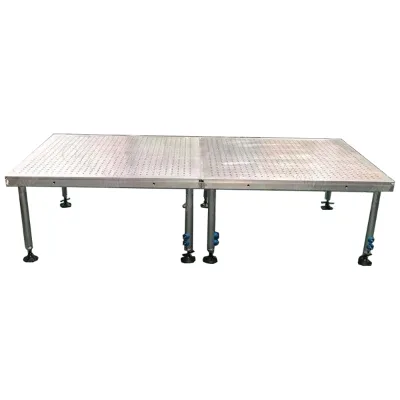
Adjustable Height Portable Stage Non Slip Finish Deck with Removable Legs 4'x4' or 4'x8'
$113.00 - $120.00
MOQ: 10 Pieces


$60.00 - $150.00
MOQ: 30 Square Meters

Shenzhen Golden Sailing Stage Equipment Co., Ltd.
- Manufacturer
- Guangdong, China
- Lead time7 days
- Avg. response≤ 4h
Main productsAluminum Stage,Aluminum Truss,Portable stage,Stage Deck,Pipe and Drape
Main marketsNorth America(30.00%), Southeast Asia(10.00%), South America(10.00%), Oceania(7.00%), Western Europe(7.00%), Mid East(7.00%), Central America(5.00%), Southern Europe(5.00%), Eastern Asia(5.00%), Eastern Europe(5.00%), Africa(3.00%), South Asia(3.00%), Northern Europe(2.00%), Domestic Market(1.00%)

Guangzhou Kenzo Performance Equipment Co., Ltd.
- Combined
- China Guangdong
- Lead time23 days
- Avg. response≤ 10h
Main productsAluminum Stage, Aluminum Truss, Aluminum Scaffolding, Layer Truss, Flight Case, Cable Ramp, Aluminum Barricade, Lighting Stand, Electrical Hoist, Choral Risers
Main marketsAfrica,Europe,North America

Adjustable Aluminum Stage Deck, Portable Stage for Outdoor Event
$84.00 - $143.00
MOQ: 10 Square Meters


Wedding Stage Design Aluminum Mobile Portable Stage Deck on Sale
$60.00 - $85.00
MOQ: 30 Square Meters


Foshan Nanhai Epe Truss Stage Equipment Co., Ltd
- Manufacturer/Factory
- China Guangdong
- Lead time23 days
- Avg. response≤ 10h
Main productsTruss Stage, Stage Truss, Portable Barrier, Scaffolding, Light Stands, Speaker Podium, Hoist, Rigging, Power Cabling, Stage Carpets
Main marketsSouth America,Eastern Europe,Mid East,North America,Southeast Asia,Eastern Asia,Oceania,Western Europe,Africa


$60.00 - $78.30
MOQ: 1 Square Meters

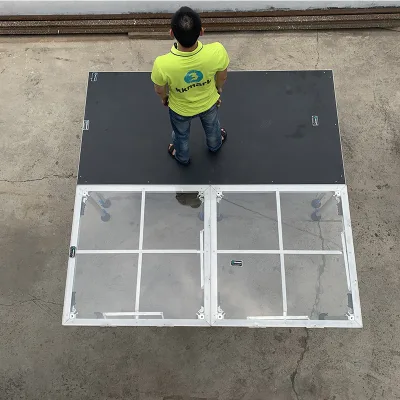
Aluminum Portable Modular Stage Truss Deck Acrylic Platform Stage for Catwalk
$28.99 - $38.50
MOQ: 1 Meters

Guangzhou Sgaier Truss Co., Ltd
- Verified by BV
- Manufacturer/Factory
- China Guangdong
- Lead time15 days
- Avg. response≤ 3h
Main productsTruss, Stage, Barrier, Flight Case, Bleachers, Aluminum Truss, Lighting Truss, Tent, Steel Structure, Portable Bar
Main marketsSouth America,Eastern Europe,Mid East,North America,Southeast Asia,Eastern Asia,Oceania,Western Europe,Africa

$115.00 - $155.00
MOQ: 1 Sets


Jiangyin Damin Lianzhong Electronics Co., Ltd.
- Verified by SGS Group
- Manufacturer, Trading Company
- Lead time7 days
- Avg. response≤ 1h
Main productsTent, Truss, Stage
Main marketsDomestic Market(60%), Southeast Asia(20%), Mid East(20%)
Shenzhen Good Equipment Co., Ltd.
- Manufacturer, Trading Company, Distributor/Wholesaler
- Guangdong, China
- Lead time20 days
- Avg. response≤ 14h
Main productsNinja Obstacle,Aluminum Truss,Aluminum Stage,Aluminum Barrier,Ninja Course
Main marketsNorth America(50.00%), Northern Europe(10.00%), Eastern Europe(10.00%), Mid East(10.00%), Southern Europe(5.00%), Southeast Asia(5.00%), Western Europe(5.00%), South America(5.00%)
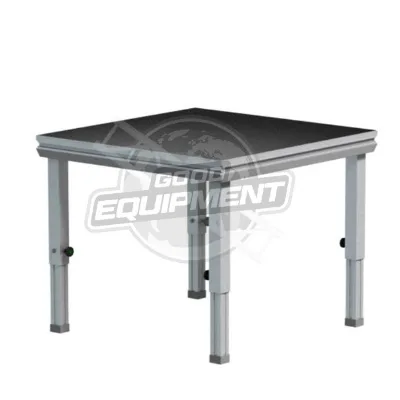
Concert Stage Portable Stage Platform Stages for Sale
$165.00 - $175.00
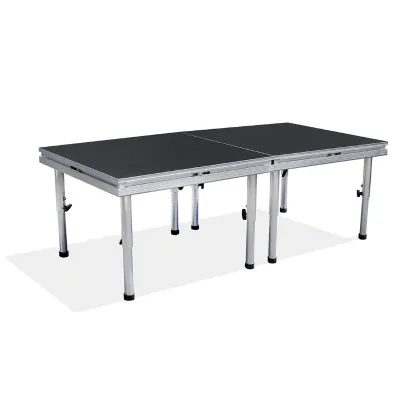
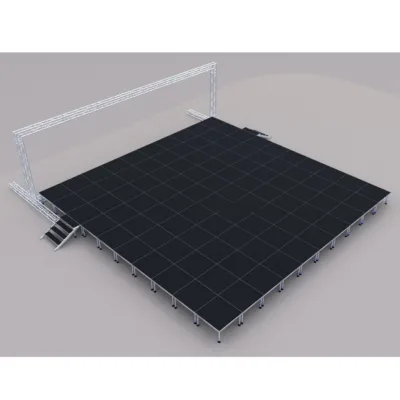
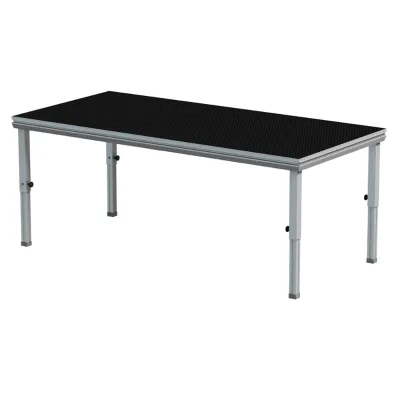
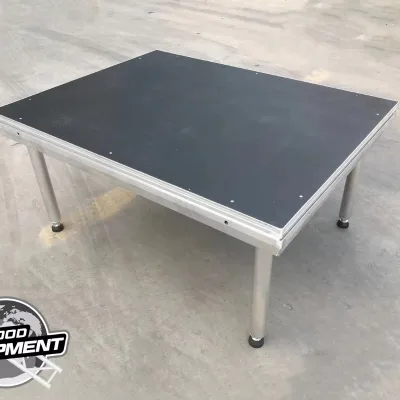
Adjustable Aluminum Retractable Stage Platform Podium Event Truss Display Stage for Sale
$87.997 - $98.3497
MOQ: 1 square

Guangzhou Landluck Truss Stage Co., Ltd
- Verified by TUVRHEINLAND
- Trading Company
- China Guangdong
- Lead time30 days
- Avg. response≤ 1h
Main productsTruss Stage, Barries, Flight Case
Main marketsDomestic
Guangzhou Giant Stage Equipment Co., Ltd.
- Manufacturer, Distributor/Wholesaler, Business Service (Transportation, finance, travel, Ads, etc)
- Guangdong, China
- Lead time15 days
- Avg. response≤ 14h
Main productsaluminum truss,portable stage,aluminum bleachers,aluminum barrier,steel stage
Main marketsSoutheast Asia(15.00%), North America(15.00%), South America(10.00%), South Asia(10.00%), Eastern Asia(8.00%), Africa(8.00%), Oceania(6.00%), Central America(5.00%), Eastern Europe(5.00%), Mid East(5.00%), Southern Europe(4.00%), Western Europe(4.00%), Northern Europe(3.00%), Domestic Market(2.00%)
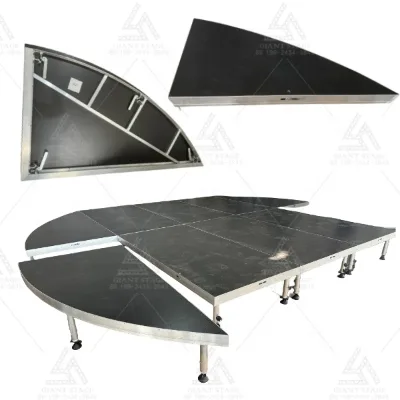
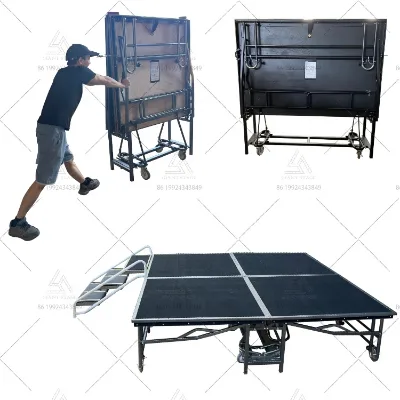
Curved Stage Easy Install Assembling Portable Aluminium Stage Deck for Events
$101.1614 - $110.3592
MOQ: 10 pieces
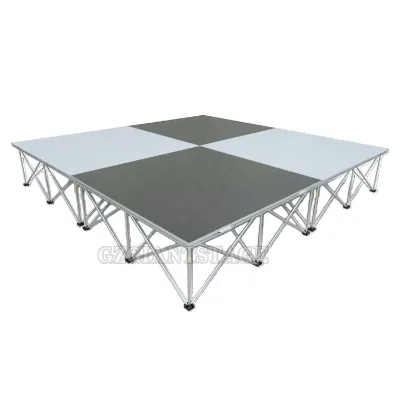
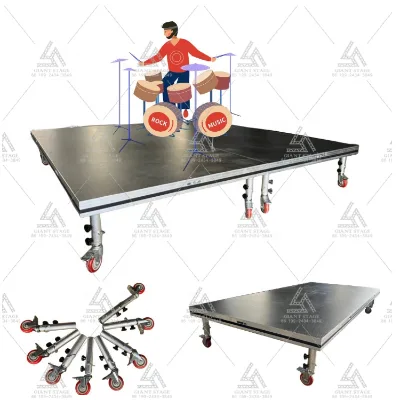
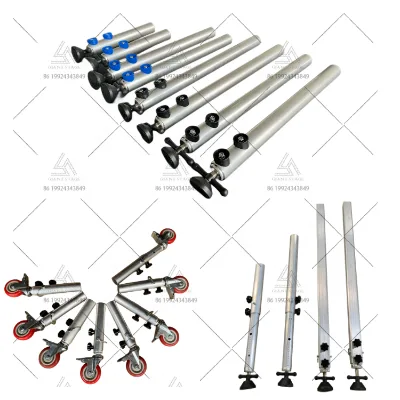
Foshan Jiayi Technology Co., Ltd.
- Manufacturer, Trading Company
- Guangdong, China
- Lead time7 days
- Avg. response≤ 2h
Main productsAluminum Truss,Portable Stage,Aluminum Barrier,Lifting Tower,Lighting Truss
Main marketsSoutheast Asia(30.00%), Domestic Market(20.00%), Mid East(10.00%), North America(10.00%), Africa(10.00%), Oceania(5.00%), Western Europe(5.00%), Eastern Asia(5.00%), South Asia(3.00%), Central America(2.00%)

FOSHAN DRAGON STAGE EQUIPMENT CO.,LTD
- Combined
- China Guangdong
- Lead time15 days
- Avg. response≤ 9h
Main productsTruss, Flight Case, Stage, Lighting Truss, Layer Truss, Truss Manufacturer, Box Truss, Stage Truss, Moving Stage, Performance Equipment
Main marketsSouth America,Africa,Southeast Asia/ Mideast,East Asia(Japan/ South Korea),Domestic,Europe,Australia,North America

Guangdong Sgaier Truss Co., Ltd
- Verified by TUVRHEINLAND
- Manufacturer
- China Guangdong
- Lead time15 days
- Avg. response≤ 2h
Main productsTruss, Stage, Bleachers, Barrier, Steel Structure, Tent, Bar Furniture, Flight Case, Aluminum Truss, Stage Truss

Portable Stage Aluminum 2*1m Deck Platform with Adjustable Height for Concert Events
$60.00
MOQ: 10 Square Meters


Litedeck Portable Stage Lightweight Durable Event Stage for Rent or Sale
$115.00 - $155.00
MOQ: 1 Pieces
- Trading Company
- Hong Kong S.A.R.
- Lead time0 days
- Avg. response≤ 4h
Main productsstage,truss,flight case,pipe drape,crowd barrier
Main marketsSoutheast Asia(40.00%), North America(30.00%), South America(5.00%), Africa(5.00%), Northern Europe(5.00%), Western Europe(5.00%), Southern Europe(4.00%), Mid East(2.00%), Eastern Asia(2.00%), Eastern Europe(2.00%)
Dongguan Wintina Household Technology Co., Ltd.
- Manufacturer, Trading Company
- Guangdong, China
- Lead time2 days
- Avg. response≤ 1h
Main productsPipe And Drape Stand,Decorative Drapes,Portable Stage,Artifical Flowers,Wedding Arch
Main marketsNorth America(30.00%), Western Europe(20.00%), Oceania(20.00%), Eastern Europe(10.00%), Africa(5.00%), Eastern Asia(5.00%), Mid East(5.00%), South America(5.00%)

Zhaoqing Glory Truss Equipment Co., Ltd.
- Verified by SGS
- Combined
- China Guangdong
- Lead time15 days
- Avg. response≤ 6h
Main productsAluminum Truss, Aluminum Stage, Layer Truss, Layer Stage, Aluminum Barrier, Aluminum Scaffolding, Crank Stand
Main marketsAfrica,Southeast Asia/ Mideast

Truss Stand Portable Outdoor Fold DJ Deck Adjustable Retractable 4X8 Aluminum Platform Stage
$55.00 - $90.00
MOQ: 10 Square Meters

Aluminum Truss Retractable Aerial Platform Mobile Portable Adjustable Floor Show Stage
$50.00 - $95.00
MOQ: 10 Square Meters

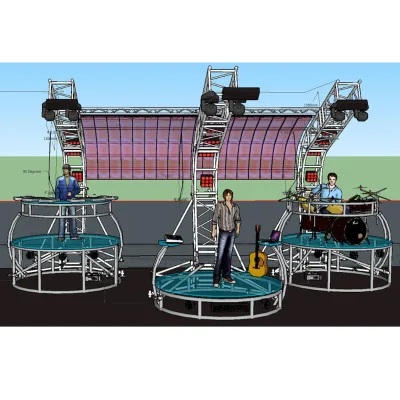
Outdoor Concert Circle Truss System Aluminum Decks Foldable Platform Adjustable Stage
$50.00 - $90.00
MOQ: 10 Square Meters

Fold Deck DJ Podium Equipment Aluminium Alloy Portable Stage for Outdoor Performance
$50.00 - $80.00
MOQ: 30 Square Meters

Wedding Event Mobile Retractable Foldable Portable Aluminum Platform Stage Floor for Sale
$50.00 - $90.00
MOQ: 1 Square Meters

Shenzhen Shy Technology Co., Ltd.
- Manufacturer, Trading Company
- Guangdong, China
- Lead time15 days
- Avg. response≤ 4h
Main productsPortable Stage,Dance Floor,Pipe and drape,Flight Case,Truss
Main marketsNorth America(35.00%), Northern Europe(18.00%), Domestic Market(10.00%), Oceania(10.00%), South America(5.00%), Mid East(5.00%), Central America(5.00%), Africa(5.00%), Southeast Asia(2.00%), Western Europe(1.00%), South Asia(1.00%), Southern Europe(1.00%), Eastern Asia(1.00%), Eastern Europe(1.00%)
Shenzhen Events Technology Co., Ltd.
- Manufacturer
- Guangdong, China
- Lead time15 days
- Avg. response≤ 3h
Main productsPipe and drape,Stage,Truss,LED dance floor
Main marketsWestern Europe(20.00%), North America(20.00%), Central America(10.00%), South America(10.00%), Southern Europe(8.00%), Mid East(7.00%), Southeast Asia(5.00%), Oceania(5.00%), South Asia(4.00%), Eastern Europe(4.00%), Northern Europe(3.00%), Eastern Asia(2.00%), Africa(2.00%)
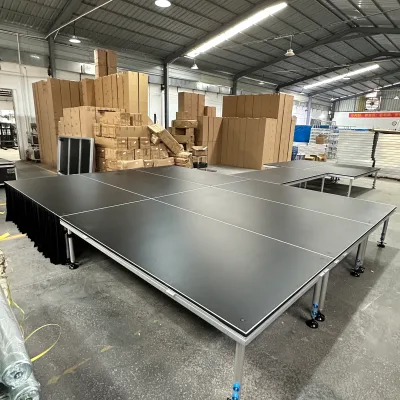
GT Stage Deck Portable Stage Deck Platform 2m X 2m with 200mm Height
$102.6025 - $153.9045
MOQ: 1 meters
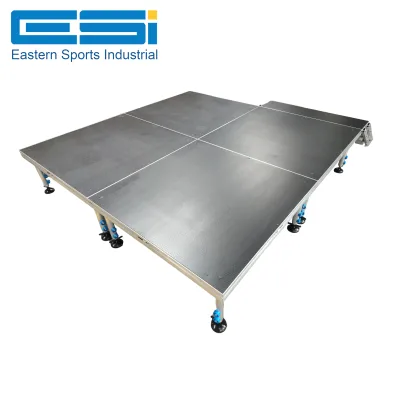
ESI-2m X 20cm Portable Stage Deck Circle -Black Anti-Slip
$266.7668 - $307.8075
Zhengzhou Jin Tie Machinery Manufacturing Co., Ltd.
- Verified by SGS Group
- Manufacturer, Trading Company
- Henan, China
- Lead time10 days
- Avg. response≤ 1h
Main productsAluminum Alloy Truss, Stage, Layher, Tent, Performing Instrument
Main marketsDomestic Market(50%), Southeast Asia(13%), South America(10%)
Shenzhen Kkmark Event Co., Ltd.
- Manufacturer, Trading Company
- Lead time旺季: "1 - 10":45,"11 - 100":55,"101 - 200":65,"> 200":"To be negotiated", 淡季: "1 - 10":45,"11 - 100":55,"101 - 200":65,"> 200":"To be negotiated"
- Avg. response≤ 2h
Main productsAluminum Truss, Staging, Truss Clamps, Flight Cases, Power Cable
- Verified by SGS Group
- Manufacturer, Trading Company
- Lead time15 days
- Avg. response≤ 2h
Main productsDance Floor, Stage, Stage Lighting, Pipe Drape
Main marketsNorth America(50%), Southeast Asia(10%), Eastern Europe(5%)
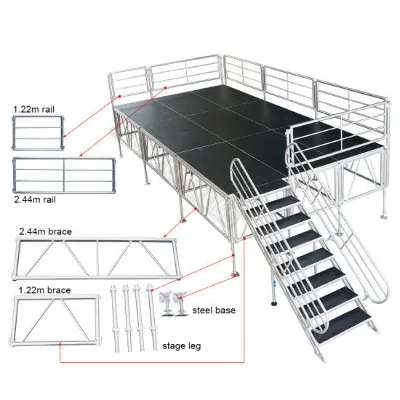
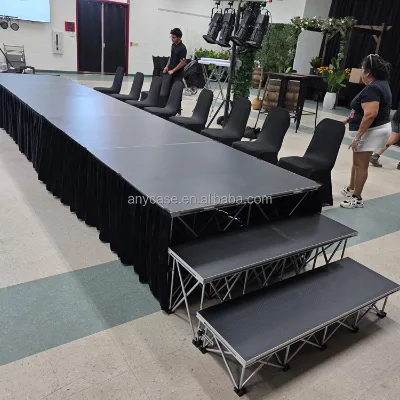
4x4ft Aluminum Portable Stage Deck With Folding Legs for Event Fashion Show Meeting Room
$51.2316
MOQ: 10 Minimum
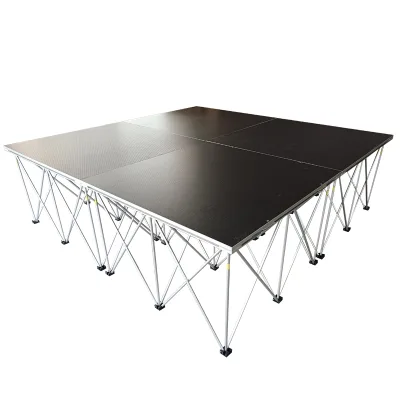
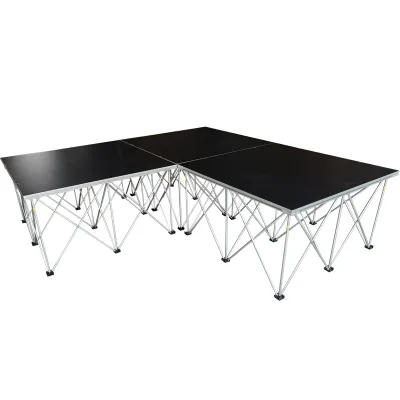
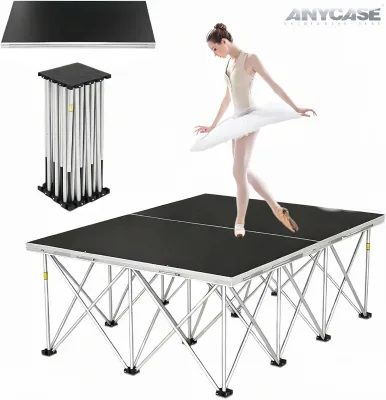

- Verified by SGS
- Combined
- China Jiangsu
- Lead time30 days
- Avg. response≤ 2h
Main productsWedding Tent, Party Tent, Tent, Marquee, Warehouse Tent, Sports Tent, Truss Stage
Main marketsNorth America
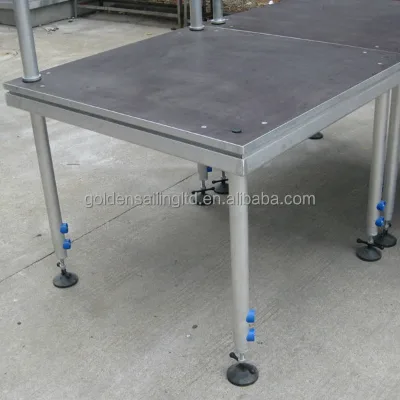
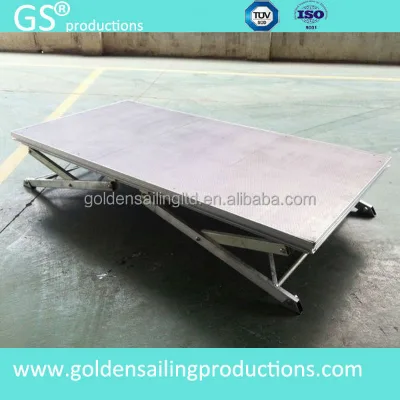
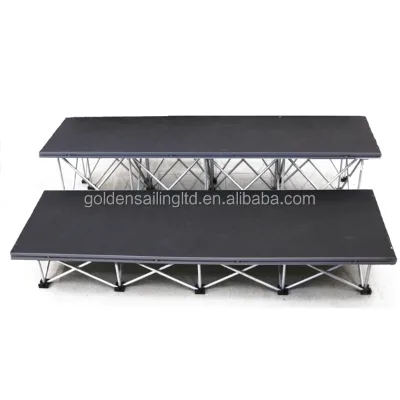
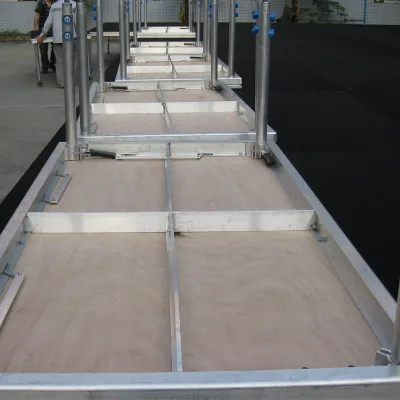
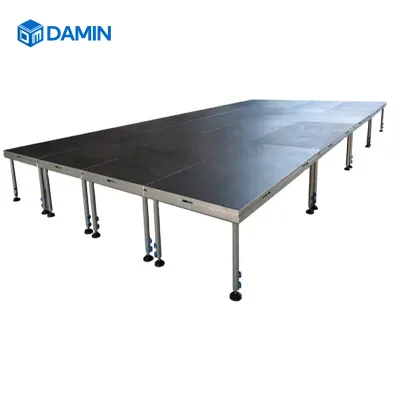
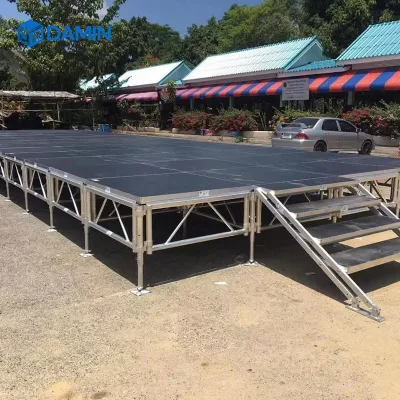
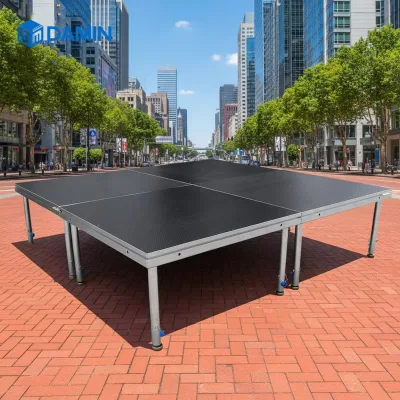
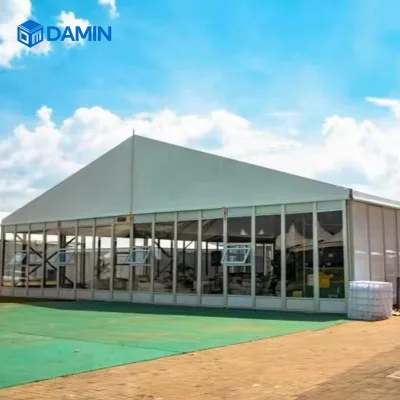
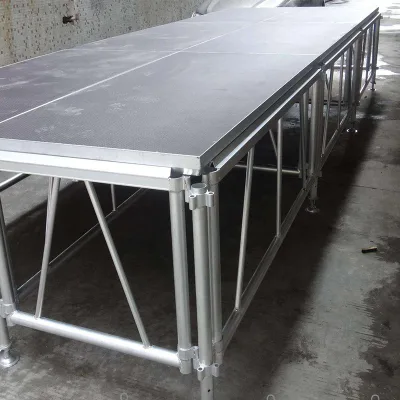
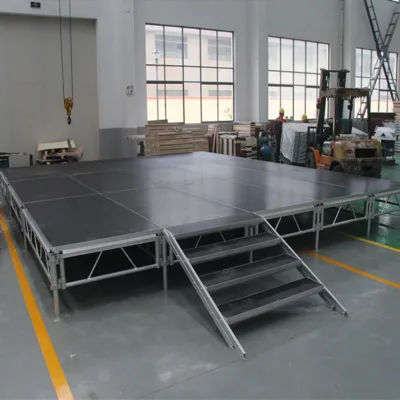


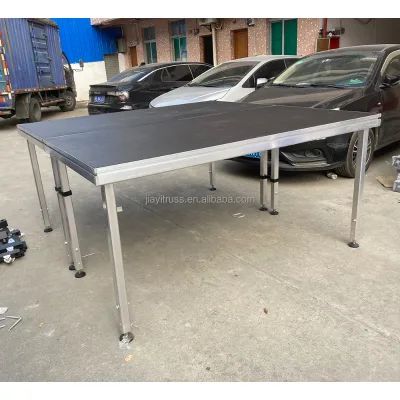
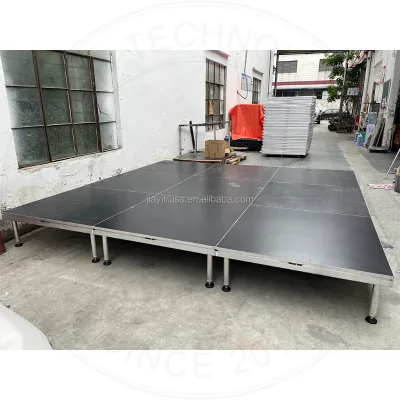
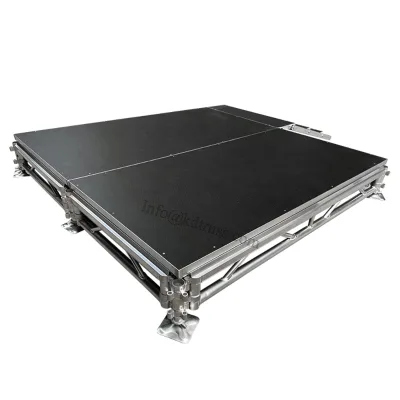
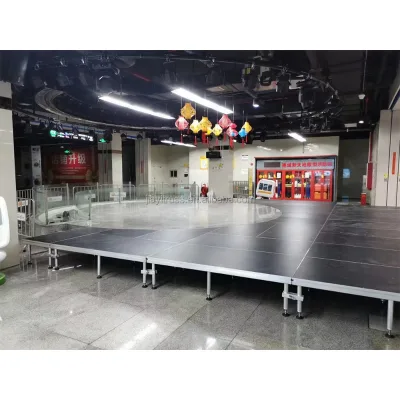
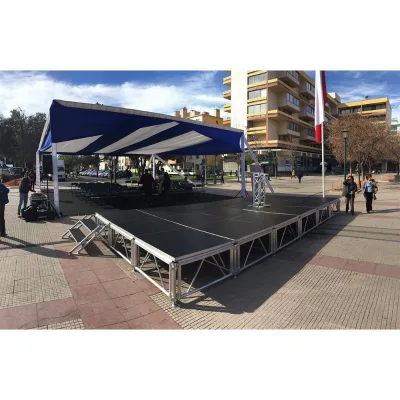
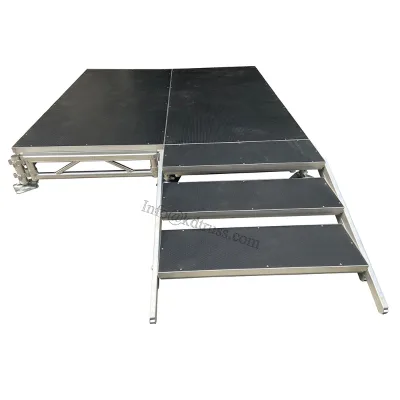


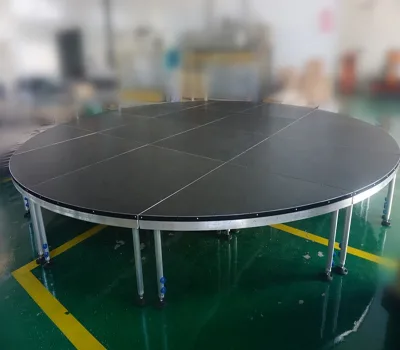
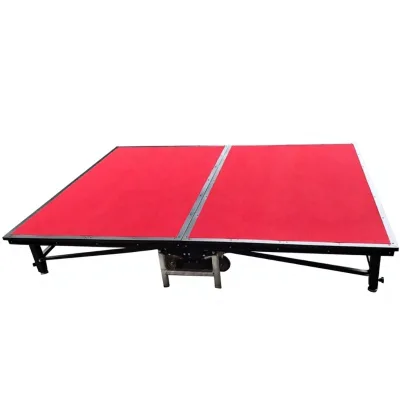
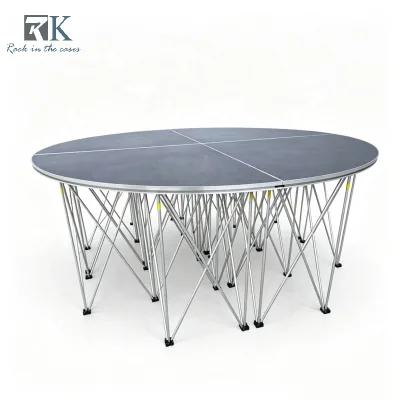
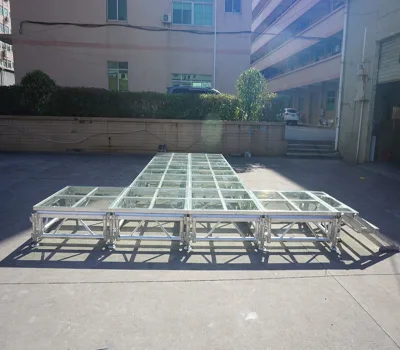
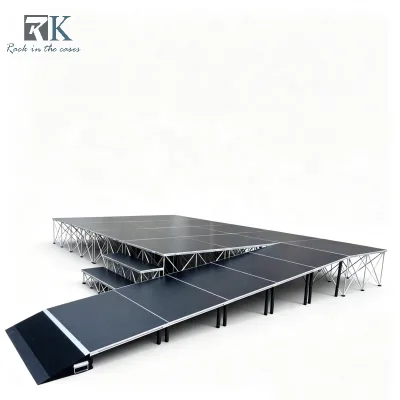
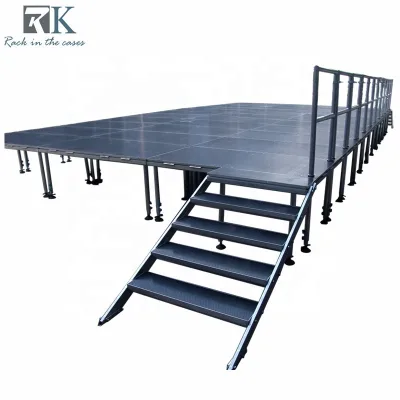
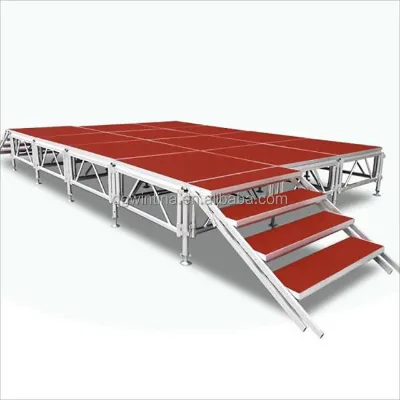
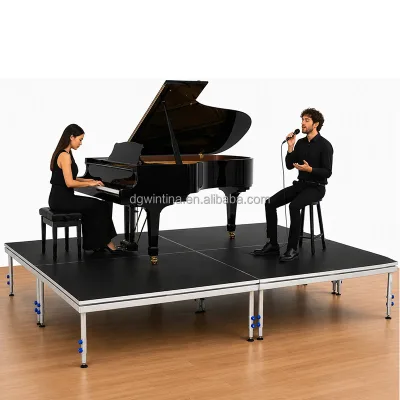
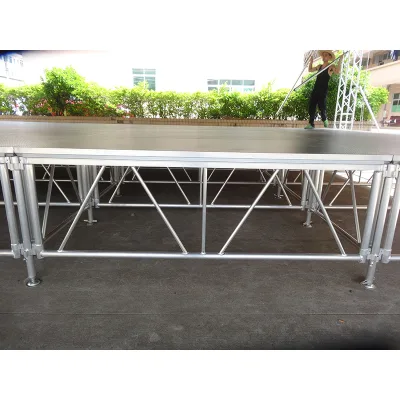
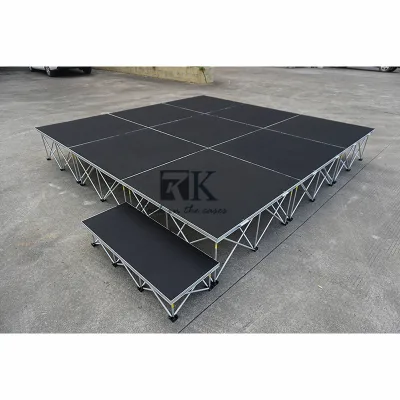
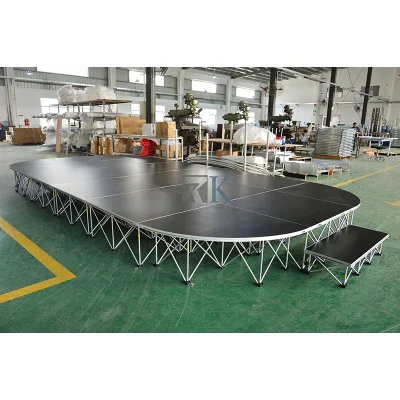
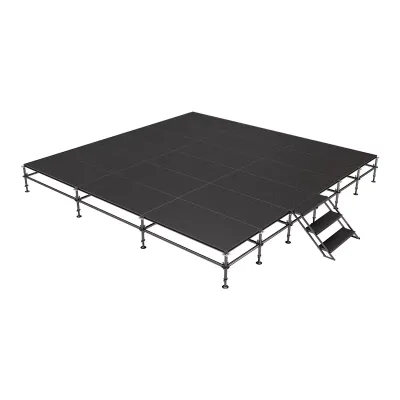
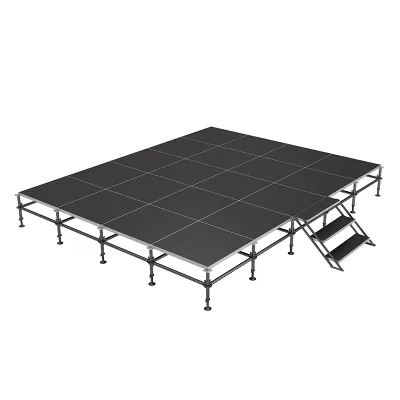
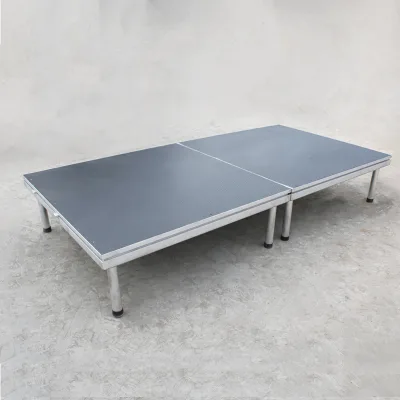
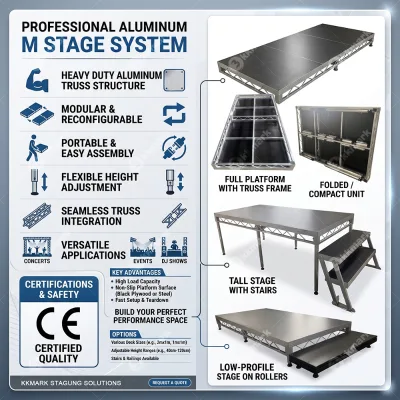
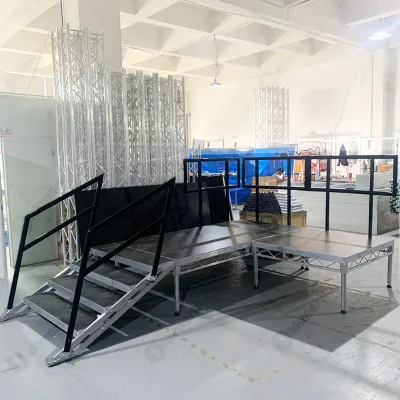


Comprehensive Sourcing Guide
Portable Height Adjustable Stage Deck Supplier Concentration and Factory Types
The current supplier landscape for portable height adjustable stage decks reveals a distinct geographic concentration within China, specifically highlighting manufacturing hubs in Jiangsu and Guangdong provinces. These regions serve as primary centers for the production of aluminum truss systems, stage equipment, and modular outdoor stage platforms. Suppliers located in these areas often specialize in combined operations that blend manufacturing capabilities with trading services, allowing them to offer a broader range of product variations while maintaining direct control over production quality. The presence of both manufacturer and combined company types indicates a mature supply chain where factories may also handle direct sales, reducing intermediary layers for international buyers seeking direct factory engagement.
Factory types vary significantly in their operational focus and service models. Some entities operate strictly as manufacturers, producing specific items like aluminum stage decks and pipe and drape systems with defined supply abilities, such as producing up to 10,000 units per week for certain models. Others function as combined entities, offering OEM, ODM, and own brand services, which suggests flexibility in customizing stage dimensions, load capacities, and surface materials. This diversity allows buyers to select partners based on whether they need standardized high-volume production or specialized custom solutions for unique event requirements. Understanding these factory types helps buyers align their procurement strategy with the supplier’s core competencies, ensuring that the chosen partner can meet specific technical and logistical demands.
How to Verify Portable Height Adjustable Stage Deck Suppliers
Verification is a critical step in ensuring the reliability and quality of Portable Height Adjustable Stage Deck suppliers, particularly when dealing with international transactions. Buyers should prioritize suppliers who have undergone third-party verification processes, such as BV (Bureau Veritas) certification, which provides an additional layer of trust regarding the supplier’s business legitimacy and operational standards. This verification status serves as a preliminary indicator of a supplier’s commitment to transparency and quality management, reducing the risk of engaging with unverified entities that may lack the necessary infrastructure or ethical standards. Additionally, checking for specific product certifications like CE and ROHS is essential, as these marks indicate compliance with international safety and environmental regulations, which are crucial for stage equipment used in public events.
Beyond verification badges, buyers must assess the supplier’s responsiveness and communication efficiency, as these factors significantly impact the sourcing process. Response times, such as those recorded at 2.73 hours or 4 hours, offer insight into the supplier’s operational agility and customer service quality. A faster response time often correlates with better project management and quicker resolution of technical queries regarding stage dimensions, load capacities, or customization options. Furthermore, examining the supplier’s main products and production capabilities, such as their ability to handle ODM and OEM requests, helps verify their technical expertise. Buyers should also review product evidence, including detailed specifications like adjustable height ranges and load capacities, to ensure the supplier’s offerings align with their specific event requirements and safety standards.
What to Compare Across Portable Height Adjustable Stage Deck Suppliers
When evaluating multiple suppliers for portable height adjustable stage decks, buyers must compare key operational metrics to determine the best fit for their project needs. Lead times are a crucial factor, with some suppliers offering production cycles as short as 7 to 10 days, while others may require up to 15 days. This variance can significantly impact event planning, especially for last-minute bookings or tight schedules. Additionally, minimum order quantities (MOQs) vary, ranging from as low as 10 units to 30 units, allowing buyers to select suppliers based on their order volume and budget constraints. Comparing these logistical parameters helps buyers identify suppliers who can accommodate their specific order sizes and delivery timelines without compromising on quality or service.
Product specifications and pricing structures also require careful comparison to ensure value and suitability. Suppliers offer different adjustable height ranges, such as 0.4m to 1.4m or 0.6m to 1m, and varying load capacities, including 600kg, 750kg, 800kg, and 1200kg per square meter. These technical differences directly affect the stage’s stability and application, making it essential to match specifications with the intended use, whether for indoor exhibitions or outdoor concerts. Pricing also fluctuates based on materials, dimensions, and customization options, with costs ranging from approximately $60 to $160 per unit. Buyers should analyze these factors alongside the supplier’s supply ability, such as producing 100 sets per week or 10,000 units weekly, to ensure the supplier can meet their volume requirements while maintaining competitive pricing and quality standards.
Common Portable Height Adjustable Stage Deck Sourcing Risks
Sourcing portable height adjustable stage decks involves several risks that buyers must proactively manage to ensure successful procurement. One significant risk is the variability in product quality and material specifications, as suppliers may use different materials for stage boards, such as plywood, glass, acrylic, or steel, which affect durability and weight. Without clear verification of material standards, buyers may receive products that do not meet their safety or performance expectations, leading to potential failures during events. Additionally, the lack of standardized sizing across suppliers can cause compatibility issues when integrating different stage components, such as truss systems and deck panels, resulting in assembly difficulties and increased labor costs.
Another common risk is the discrepancy between advertised lead times and actual delivery schedules, which can disrupt event planning and cause financial losses. Suppliers may promise quick turnaround times but fail to meet them due to production bottlenecks or logistical challenges, especially during peak seasons. Furthermore, the absence of comprehensive quality guarantees or warranty terms can leave buyers vulnerable to defects or damage during transit. Buyers must also be cautious of suppliers who do not provide detailed packaging information, as inadequate protection can lead to product damage upon arrival. To mitigate these risks, buyers should request detailed product specifications, verify quality assurance processes, and establish clear communication channels to monitor production progress and address any issues promptly.
Portable Height Adjustable Stage Deck Regional Sourcing and Logistics
Regional sourcing plays a pivotal role in determining the logistics and cost efficiency of procuring portable height adjustable stage decks. Suppliers located in Jiangsu and Guangdong provinces offer distinct advantages in terms of manufacturing infrastructure and export capabilities. Jiangsu-based suppliers often focus on combined operations, providing a wide range of stage equipment and truss systems, while Guangdong-based manufacturers specialize in aluminum stage decks and folding platforms, leveraging their proximity to major ports like Shenzhen for efficient shipment. Understanding these regional strengths helps buyers select suppliers who can optimize their supply chain based on geographic proximity and logistical expertise, reducing transit times and shipping costs.
Logistics considerations also include the choice of shipment methods, such as by ship or by air, which impact delivery speed and cost. Suppliers may offer flexible shipping options to accommodate different project timelines and budget constraints. Additionally, packaging details, such as the use of bubble film, cartons, or specialized road boxes, are crucial for protecting stage components during transit. Buyers should verify packaging standards to ensure that delicate parts, such as adjustable legs and surface materials, are adequately protected. Furthermore, understanding the supplier’s port of dispatch and shipment capabilities helps buyers plan their import logistics more effectively, ensuring that goods arrive on time and in good condition for event setup.
Portable Height Adjustable Stage Deck Commercial Terms and Order Planning
Commercial terms and order planning are essential components of a successful procurement strategy for portable height adjustable stage decks. Buyers must carefully review pricing structures, which can vary based on product dimensions, materials, and customization options. For instance, prices may range from $60 to $160 per unit, depending on factors such as load capacity, adjustable height, and surface materials like carpet or non-slip finishes. Understanding these pricing variables helps buyers budget accurately and negotiate favorable terms with suppliers. Additionally, buyers should consider the supplier’s supply ability, such as producing 100 sets per week or 10,000 units weekly, to ensure that the supplier can meet their order volume requirements without delays.
Order planning also involves assessing the supplier’s response time and communication efficiency, as these factors influence the overall sourcing experience. Suppliers with faster response times, such as 2.73 hours or 4 hours, are often more responsive to queries and changes, facilitating smoother project management. Buyers should also evaluate the supplier’s quality guarantee terms, such as a 2-year warranty, which provides assurance against defects and enhances long-term value. Furthermore, understanding the supplier’s customization options, including available sizes and colors, allows buyers to tailor orders to their specific event needs. By carefully considering these commercial terms and planning orders strategically, buyers can minimize risks and maximize the value of their procurement investments.
FAQs
What is the price range for portable stage decks?
Portable stage decks typically range from $60 to $160 per unit. Prices vary based on material, size, and customization options. Buyers should check specific product listings for exact pricing tiers and minimum order quantities to determine the final cost for their event requirements.
What is the minimum order quantity for these stages?
Minimum order quantities generally start at 10 units for certain models and 30 units for others. This depends on the specific product configuration and supplier. Buyers should verify the MOQ on individual product pages to ensure their order meets the supplier's production requirements.
How long does delivery take for these stages?
Lead times typically range from 7 to 15 days. Some suppliers offer faster production with a 7-day turnaround, while others may require up to 15 days. Buyers should confirm the exact lead time with the supplier before placing an order to plan their event schedule.
What load capacity do these portable stages support?
Load capacities vary from 600kg to 1200kg depending on the model. Some decks support up to 750kg per square meter, while others handle higher static loads. Buyers must check the specific product attributes to ensure the stage can safely support their intended equipment and audience.
Are these stages adjustable in height?
Yes, many portable stages feature adjustable heights ranging from 0.2m to 1.4m. Specific models offer fixed or multi-step adjustments like 0.4m to 1.2m. Buyers should review the product specifications to find the exact height range that fits their venue and design needs.
What certifications do these stage decks have?
Some aluminum stage decks carry CE and ROHS certifications. Buyers should verify these credentials on the product page or request documentation from the supplier. Certifications ensure the equipment meets specific safety and environmental standards required for international trade and professional event usage.