Source MPPT Charging Module for Solar, EV, and Battery Systems
Find 30 MPPT Charging Module options with varying power outputs and cooling methods. Buyers can compare specifications like efficiency, voltage ranges, and installation types to select the right unit for solar, EV, or battery applications.
Key considerations
Products List


Charging Plie Module Module Rectifier EV Charging Power Module Inverter Power Moduler Module
$2020.00 - $2030.00
MOQ: 1 Pieces


Charging Module for DC EV Charging EV Charging Power Module 60kw for EV Charger
$2800.00 - $2850.00
MOQ: 1 Pieces

Power Module Converter Bidirectional Charger Inverter Charging Pile Module
$2020.00 - $2030.00
MOQ: 1 Pieces


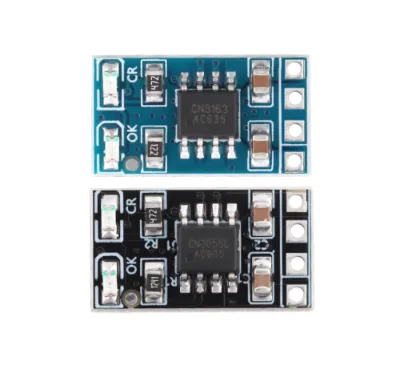

Efficient Mobile Charger Module for Electric Vehicles and Solar Power
$11241.00 - $12500.00
MOQ: 1 Pieces


20kw High-Density Charger EV Charging Supply Module with CE Certificated
$600.00 - $800.00
MOQ: 1 Pieces





Comprehensive Sourcing Guide
Strategic Sourcing Guide for MPPT Charging Modules
Navigating the market for Maximum Power Point Tracking (MPPT) charging modules requires a disciplined approach that balances technical performance with supply chain reliability. For B2B procurement professionals, the core objective is to identify components that deliver optimal energy conversion efficiency while adhering to strict safety and compliance standards. The following guide synthesizes available product data and industry best practices to assist buyers in evaluating potential suppliers and specifications for MPPT charging solutions.
Technical Specifications and Performance Parameters
When evaluating MPPT charging modules, the primary focus must be on the electrical characteristics that define the module's capability to harvest and convert energy. The data indicates a diverse range of output powers, with specific instances showing capacities of 60kW, 62.5kW, and 30kW. These variations suggest that the market offers solutions tailored to different scales of operation, from smaller distributed energy systems to larger commercial charging stations.
Input voltage ranges are a critical specification for compatibility with existing power grids or renewable sources. Observed data points to an input voltage range of 260-530VAC for certain units, while others operate within a 285-475VAC window. Some high-voltage DC applications may require input ranges such as 750VDC to 850VDC. Buyers must verify that the selected module's input voltage range aligns precisely with their site's power infrastructure to prevent equipment damage or inefficient operation. Similarly, input current limits, such as values under 115A, 83.3A, or 80A, dictate the necessary cabling and protection devices.
The output specifications are equally vital. The observed output voltage ranges span from 200VDC to 1000VDC, accommodating a wide variety of battery chemistries and charging profiles. Output current capabilities vary significantly, with ranges observed from 0-133.3A up to 0-200A. The selection of a module with an appropriate current rating ensures that the charging process can meet the demand of the connected load without thermal stress or bottlenecks.
Efficiency is a key differentiator in MPPT technology. High-performance units demonstrate full-load efficiencies exceeding 95.5%, with top-tier models reaching above 98.5%. These figures directly impact the total cost of ownership by reducing energy losses during the conversion process. Additionally, standby power consumption is a metric for idle efficiency, with some units recording consumption below 13W, which is crucial for systems that remain active but idle for extended periods.
Compliance, Certification, and Safety Standards
In the B2B sector, compliance is not merely a formality but a prerequisite for market access and liability protection. The product data highlights several critical certifications, including CE, ISO, TUV, and RoHS. These certifications indicate that the modules meet specific international standards for safety, electromagnetic compatibility, and environmental restrictions.
The CE mark signifies conformity with health, safety, and environmental protection standards for products sold within the European Economic Area. ISO certification generally points to adherence to quality management systems, ensuring consistent manufacturing processes. TUV certification often relates to rigorous safety testing, particularly for electrical equipment, while RoHS compliance ensures that the product is free from specific hazardous substances.
Buyers must verify the validity of these certifications for the specific batch of products being procured. It is essential to request current certification documents rather than relying on general claims. Furthermore, the operating temperature range is a critical safety parameter. The data shows units designed to function in extreme environments, with ranges spanning from -40℃ to +70℃ or extending to +75℃. This capability is vital for installations in regions with harsh winters or hot summers, ensuring the module remains operational without thermal throttling or failure.
Cost Drivers and Pricing Dynamics
The pricing landscape for MPPT charging modules is influenced by a complex interplay of factors, including output power, cooling technology, and certification levels. The observed price range is vast, spanning from $0.71 to $12,500. This disparity reflects the difference between small-scale control modules and high-power industrial charging piles.
High-power units, such as those with 60kW or 62.5kW output, command higher prices due to the advanced components required to handle high currents and voltages. The cooling mechanism is another significant cost driver. Modules utilizing liquid cooling typically involve more complex engineering and higher material costs compared to those using fan cooling or forced air cooling. Liquid cooling is often necessary for high-density applications where heat dissipation is critical for maintaining efficiency and longevity.
The minimum order quantity (MOQ) also affects the unit cost. The observed MOQ range is between 1 and 10 units. Lower MOQs may result in higher per-unit costs due to setup and logistics expenses, whereas larger orders often benefit from economies of scale. Buyers should analyze their total volume requirements to negotiate favorable pricing tiers. Additionally, the physical dimensions and weight of the module, ranging from under 17.5kg to under 48kg, influence shipping costs and installation requirements, which are indirect but significant cost factors.
Typical Applications and Installation Requirements
MPPT charging modules are versatile and find applications across various sectors, primarily in electric vehicle (EV) charging and renewable energy storage systems. The data indicates that these modules are designed for public use, suggesting suitability for commercial charging stations, fleet depots, and public infrastructure.
Installation requirements vary based on the specific model. Most units are designed for floor-type installation, which provides stability and ease of access for maintenance. The physical dimensions, such as 440×430×125mm or 345×460×87mm, must be considered during the site planning phase to ensure adequate space for ventilation and cable routing. The weight of the unit, whether under 20kg or approaching 48kg, dictates the structural support needed for the mounting surface.
Connectivity and control interfaces are also application-specific. Some modules support multiple charging interfaces, allowing a single unit to charge several devices simultaneously, while others are configured for one pile with one charge. Start modes vary from RFID cards and remote controls to app-based control and book charging. These features determine the user experience and the level of integration required with backend management systems. For public use, features like credit card payment and mobile remote operation are often essential for seamless user interaction.
Supplier Evaluation and Quality Assurance
Selecting a reliable supplier is paramount to ensuring the longevity and performance of the MPPT charging modules. The product data indicates that manufacturing origins are located in regions such as Heibei, China. While this provides a geographical context, buyers should conduct thorough due diligence on the specific manufacturing facility.
Quality assurance processes should be a central part of the supplier evaluation. Buyers should request detailed information on the manufacturing standards, such as the specific product standards cited (e.g., 440×430×125mm or 85459360mm). It is crucial to verify that the physical dimensions and tolerances match the design requirements of the end application.
Packaging is another indicator of supplier professionalism. The data mentions wooden cartons, kraft cartons, and wooden boxes as packaging options. Robust packaging is essential to prevent damage during transit, especially for heavy or sensitive electronic components. Buyers should assess the supplier's ability to provide secure packaging that meets international shipping standards.
Warranty terms are a strong indicator of supplier confidence in their product. An observed warranty period of 12 months is a baseline expectation. Buyers should negotiate extended warranty terms or service level agreements that cover replacement and technical support. The ability of the supplier to provide parallel module quantities, such as up to 60 pieces, suggests scalability and the capability to support large-scale deployments.
Long-Term Procurement and Maintenance Considerations
Long-term procurement strategies must account for the lifecycle of the MPPT charging modules. Efficiency degradation over time is a natural phenomenon, but high-quality modules with efficiencies above 96.5% or 98.5% at full load will maintain performance longer. Buyers should inquire about the expected lifespan of the components and the availability of spare parts.
Maintenance requirements are influenced by the cooling mode. Fan cooling and forced air cooling systems may require periodic cleaning of filters and fans to prevent dust accumulation, which can lead to overheating. Liquid cooling systems, while more efficient, require monitoring of coolant levels and potential leak checks. The operating temperature range of -40℃ to +75℃ ensures that the modules can withstand environmental stress, but regular inspections are necessary to verify that thermal management systems are functioning correctly.
Scalability is another consideration for future growth. The ability to parallel modules, as indicated by the data, allows for system expansion without replacing the entire infrastructure. Buyers should ensure that the communication modes, such as Can Bus, are compatible with future control systems and that the software interfaces for RFID, mobile remote operation, and app control remain updatable.
Comparative Analysis of Module Specifications
To facilitate informed decision-making, the following table summarizes the key technical specifications observed in the market data. This comparison highlights the diversity in performance and design, aiding buyers in matching specific requirements to available products.
| Specification Category | Observation A | Observation B | Observation C |
|---|---|---|---|
| Output Power | 60kW | 62.5kW | 30kW |
| Input Voltage | 260-530VAC | 750VDC~850VDC | 285-475VAC |
| Output Voltage | 200-1000VDC | 200VDC~1000VDC | 100-1000V |
| Output Current | 0-200A | 156A | 0-133.3A |
| Cooling Mode | Liquid Cooling | Fan Cooling | Forced Air Cooling |
| Efficiency (Full Load) | >96.5% | >98.5% | >95.5% |
| Weight | <48kg | <17.5kg | <20kg |
| Operating Temp | -40℃-+70℃ | -40℃-+75℃ | -40℃-+70℃ |
| Certifications | CE, ISO, TUV, RoHS | CE, ISO, TUV, RoHS | CE, ISO, TUV, RoHS |
| Installation Type | Floor Type | Floor Type | Floor Type |
| Start Mode | RFID, Remote, APP | RFID, Mobile, Credit Card | RFID, Mobile, Credit Card |
This comparative view underscores that no single specification dominates all scenarios. The choice depends on the specific application's power needs, environmental conditions, and integration requirements. For instance, a high-efficiency liquid-cooled unit might be ideal for a high-density charging station, while a lighter, air-cooled unit could be more suitable for a distributed solar array.
Conclusion
Sourcing MPPT charging modules requires a meticulous evaluation of technical specifications, compliance status, and supplier capabilities. The market offers a wide array of options, from high-power industrial units to compact, efficient modules. By focusing on verified data regarding output power, efficiency, and cooling mechanisms, buyers can make informed decisions that align with their operational goals. Ensuring that suppliers provide valid certifications and robust warranty terms is essential for mitigating risk. Ultimately, a strategic approach that considers both immediate technical needs and long-term maintenance requirements will lead to successful procurement outcomes in the evolving landscape of energy management.
FAQs
What output power options are available for MPPT charging modules?
Available output power options include 30kW, 60kW, and 62.5kW units. These capacities support various scales from distributed energy systems to large commercial charging stations, allowing buyers to select based on specific load requirements.
Which cooling modes are used in high-efficiency charging modules?
Modules utilize liquid cooling, fan cooling, or forced air cooling depending on the design. Liquid cooling is often preferred for high-density applications, while air cooling suits smaller units with lower thermal loads.
Can buyers find modules with specific certification standards like CE or ISO?
Yes, many modules carry CE, ISO, TUV, and RoHS certifications. These documents verify compliance with international safety and environmental standards, ensuring the products meet regulatory requirements for global deployment.
How does the input voltage range affect module compatibility?
Input voltage ranges vary from 260-530VAC to 750VDC-850VDC. Buyers must match these ranges to their site's power infrastructure to ensure safe operation and prevent equipment damage during installation.
What is the typical efficiency rating for full-load operation?
Full-load efficiencies typically exceed 95.5%, with top-tier models reaching above 98.5%. Higher efficiency ratings reduce energy losses and lower the total cost of ownership over the product's lifecycle.
Which start modes are supported for user interaction?
Supported start modes include RFID cards, remote control, app control, and book charging. These options provide flexible user access methods suitable for both public charging stations and private fleet depots.
What are the standard packaging options for shipping these modules?
Standard packaging includes wooden cartons, kraft cartons, or wooden boxes. Robust packaging is essential to protect sensitive electronic components during transit and ensure they arrive in optimal condition.