Source Remote-Controlled Mulching Garden Lawn Mower for Farmland, Lawn, and Fruit Trees
Compare 30 remote-controlled Mulching Garden Lawn Mower models featuring gasoline power, tracked walking modes, and adjustable cutting heights. These units support applications in farmland, lawns, and fruit tree orchards with climbing angles up to 70 degrees and remote control distances reaching 680 meters.
Key considerations
Products List
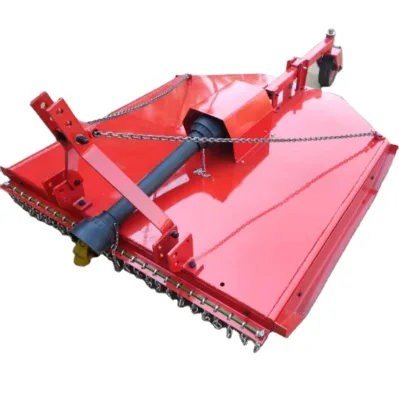

Gasoline Lawn Mower Electric Lawn Mower Gasoline Agricultural Farm Garden Lawn Mower
$2416.00 - $3815.00
MOQ: 1 Sets

Small Lawn Mower with Remote Control High Efficiency Garden Lawn Mower
$2688.00 - $3850.00
MOQ: 1 Sets


Low Maintenance Lawn Mower for Home Garden and Backyard Grass Cutting Work
$999.00 - $1099.00
MOQ: 1 Pieces


Portable Lightweight Garden Lawn Mower Easy Operation Long Service Life
$500.00 - $1500.00
MOQ: 1 Pieces


Comprehensive Sourcing Guide
Strategic Sourcing Guide for Remote-Controlled Mulching Lawn Mowers
The global demand for automated agricultural and landscaping equipment has driven a significant shift toward remote-controlled mulching lawn mowers. These machines represent a convergence of heavy-duty power and intelligent operation, designed to handle complex terrains where traditional walk-behind or ride-on units struggle. For B2B procurement professionals, sourcing these units requires a nuanced understanding of their dual-drive systems, specific certification requirements, and the operational variables that define their total cost of ownership. This guide provides a structured approach to evaluating suppliers and products in this specialized category, relying strictly on verified technical attributes and industry standards.
Technical Architecture and Propulsion Systems
The core differentiator for modern remote-controlled mulching mowers lies in their propulsion and power delivery architecture. Unlike standard gasoline mowers, advanced models in this segment often utilize a hybrid or dual-power configuration. The observed market data indicates a prevalent use of gasoline engines, specifically citing displacements such as 764cc and 608cc, with power outputs ranging from 22HP to 27HP. These engines, frequently branded as Loncin, provide the primary torque necessary for heavy-duty cutting. However, the drive mode is distinctly electric, utilizing brushless travel motors to power the movement. This separation of power sources allows for precise speed control and immediate torque response, essential for navigating steep slopes.
The walking mode is another critical technical specification. The equipment is predominantly designed with a crawler or tracked system, which distributes the machine's substantial weight—observed between 366kg and 385kg—over a larger surface area. This design minimizes ground pressure, preventing soil compaction and allowing operation on soft or uneven terrain. The maximum climbing angle for these units is a vital metric, with observed capabilities reaching up to 70 degrees. This extreme incline capability suggests the use of a differential kit gear reducer and twin-row load-bearing wheels to maintain traction and stability. Buyers must verify that the specific model's engine displacement and power output align with the intended workload, as a 27HP unit may be over-specified for small residential lawns but essential for large-scale farmland or orchard maintenance.
Operational Capabilities and Cutting Specifications
The operational efficiency of a mulching mower is defined by its cutting geometry and working methods. The cutting height is a variable parameter, with observed ranges spanning from 0mm to 200mm, and specific models offering a narrower range of 10mm to 80mm. This adjustability is crucial for different mulching requirements, whether the goal is aggressive weed control or fine turf maintenance. The cutting width varies significantly between models, with observed specifications of 550mm and 900mm. A 900mm mowing width offers a substantial productivity advantage for large open areas, while a 550mm width may be preferred for navigating between rows in orchards or tea plantations.
The working way is consistently identified as reciprocating, which implies a specific blade motion optimized for mulching rather than simple collection. The blade material is a key component of durability, with manganese steel being the standard observed in this category. This material choice ensures resistance to impact and abrasion when cutting through tough weeds or woody debris. The application scope is broad, covering farmland, lawns, fruit trees, tea trees, and paddy fields. This versatility suggests that the machine is not merely a lawn care tool but a multi-purpose agricultural implement. Procurement teams should ensure that the remote control distance, observed at 200m, 680m, or via GPS, is sufficient for the specific site layout to maintain operator safety and control.
Compliance, Certification, and Regulatory Standards
Navigating the regulatory landscape is a non-negotiable aspect of sourcing industrial-grade machinery. The product attributes indicate a strong emphasis on international compliance, with CE certification appearing as a primary requirement. This certification is essential for market access in Europe and serves as a baseline for safety and electromagnetic compatibility. Beyond CE, the supply chain data references ISO 9001 and RoHS certifications, indicating adherence to quality management systems and restrictions on hazardous substances. Additionally, Euro 5 emissions standards are cited, which is critical for machines operating in regions with strict environmental regulations regarding exhaust emissions.
Safety certifications also extend to the transport and handling of the product. The inclusion of MSDS (Material Safety Data Sheet) certification suggests that the product documentation covers the safe handling of chemicals, likely related to the fuel and lubricants used. For buyers, verifying the validity of these certifications is paramount. The presence of these documents should be confirmed for every batch, as they are not merely marketing claims but legal requirements for import and operation. The standard packaging dimensions of 14201420760mm and the use of wooden or iron frame boxes indicate that the product is designed for secure international shipping, protecting the sensitive electronic and mechanical components during transit.
Cost Drivers and Procurement Economics
The pricing structure for remote-controlled mulching mowers is influenced by several high-value factors. The observed price range of 70 to 3850 USD reflects a wide spectrum of configurations, likely driven by the engine brand, cutting width, and the sophistication of the remote control system. A unit with a 27HP engine, GPS remote control, and a 900mm cutting width will naturally command a higher price point compared to a 22HP model with a standard 200m radio range. The Minimum Order Quantity (MOQ) varies from 1 to 500 units, offering flexibility for both single-unit pilots and large-scale fleet deployments.
Beyond the unit price, buyers must consider the total cost of ownership. The warranty period is typically one year, with after-sales service described as indefinite, suggesting a long-term support commitment from the supplier. The fuel tank capacity of 8.5L is a standard specification that impacts operational efficiency; a larger tank reduces refueling frequency but adds to the initial weight. The startup method, observed as electric start, adds convenience but requires a reliable power source or battery system, which is supported by the mention of three pieces of batteries in certain configurations. Procurement teams should calculate the cost per hour of operation, factoring in fuel consumption, maintenance intervals, and the depreciation of the high-value engine and motor components.
Supplier Evaluation and Quality Assurance
Evaluating suppliers in this sector requires a focus on technical transparency and manufacturing capability. The product origin is identified as Shandong, a region known for its manufacturing base in agricultural machinery. However, the specific supplier name should not be assumed or inferred from the product data. Instead, buyers must verify the supplier's ability to meet the specific technical attributes listed, such as the 764cc engine displacement or the 70-degree maximum climbing angle. Quality control should focus on the consistency of the reciprocating working way and the durability of the manganese steel blades.
The remote control mode is another area requiring rigorous testing. The options include C7, Industrial Grade, and GPS systems. Buyers should demand evidence of signal stability and latency testing, especially for the GPS-enabled models which are critical for large-scale automation. The self-generated power feature, noted as "Yes" in some specifications, implies an onboard power generation capability that may be essential for extended operations without external power sources. Verification of the travel motor's brushless technology is also necessary to ensure long-term reliability and reduced maintenance compared to brushed alternatives.
Long-Term Procurement and Application Strategy
Selecting the right mulching mower involves aligning the machine's capabilities with the specific application environment. The observed applications range from general lawn care to specialized tasks in paddy fields and fruit orchards. For farmland and orchard use, the ability to operate on slopes up to 65 or 70 degrees is a decisive factor. The remote control distance must be matched to the site size; a 200m range may be insufficient for vast agricultural plots, necessitating the GPS or 680m range options.
The customization options available, including color choices of Red, Blue, or custom, and the ability to tailor the working way, allow buyers to brand the equipment for specific corporate identities or operational needs. The indefinite after-sales service promise suggests a partnership model rather than a transactional one. Buyers should establish clear service level agreements regarding spare parts availability, particularly for the engine, travel motors, and blade assemblies. The production standard of 14201420760mm for packing indicates a need for specific logistics planning to ensure efficient container loading and storage.
In conclusion, sourcing remote-controlled mulching lawn mowers requires a meticulous approach that balances technical specifications with regulatory compliance and long-term operational needs. By focusing on the verified attributes of engine power, drive mode, cutting width, and certification status, buyers can make informed decisions that ensure reliability and efficiency in diverse environments. The wide range of available configurations allows for tailored solutions, but the complexity of the technology demands a thorough vetting process to ensure that the selected equipment meets the rigorous demands of modern agricultural and landscaping operations.
FAQs
What is the maximum climbing angle for these mowers?
The maximum climbing angle reaches up to 70 degrees for specific models. This capability allows operation on steep slopes, supported by a differential kit gear reducer and twin-row load-bearing wheels for stability.
Which engine displacement options are available for these units?
Available engine displacements include 764cc and 608cc configurations. These gasoline engines, often branded as Loncin, provide power outputs ranging from 22HP to 27HP for heavy-duty mulching tasks.
Can the remote control distance be extended for large sites?
Yes, remote control distances can be 200m, 680m, or utilize GPS systems. This flexibility ensures operator safety and control across varying site sizes, from small lawns to extensive farmland.
What certifications are required for international compliance?
Required certifications include CE, ISO 9001, RoHS, and Euro 5 emissions standards. These documents ensure safety, quality management, and environmental compliance for importing and operating the machinery globally.
How does the walking mode handle uneven terrain?
The walking mode uses a crawler or tracked system to distribute weight evenly. This design minimizes soil compaction and enables operation on soft or uneven ground with a weight between 366kg and 385kg.
What is the cutting width range for different models?
Cutting widths vary between 550mm and 900mm depending on the model. A wider 900mm mowing width offers higher productivity for large areas, while narrower widths suit orchard rows.
What warranty and after-sales service are provided?
A standard one-year warranty is included with indefinite after-sales service. This long-term support commitment ensures maintenance assistance and spare parts availability for the duration of the equipment's lifecycle.