Source Mulching Heat Treated Lawnmower Blade for Tractors
Find 30 Mulching Heat Treated Lawnmower Blade options from Chinese manufacturers. Compare OEM models like LC-162 and LC-69, available in carbon steel and 65Mn, with certifications including ISO and CE for farm tractor applications; compare the available evidence and request quotations based on your requirements.
Key considerations
Products List


Blade-21" Mulching 742-0741 for Lawn Mower
$2.99 - $3.99
MOQ: 1 Pieces
Ningbo Eastar Electromechanical Industrial Trading Co., Ltd.


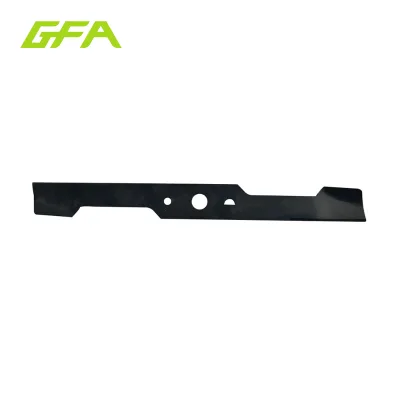
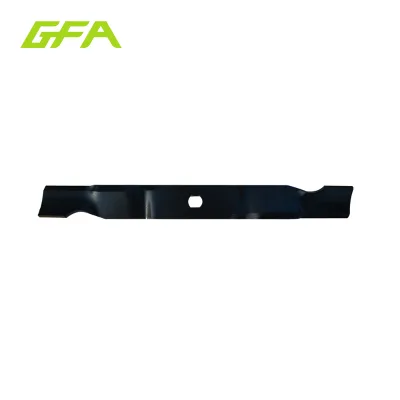


Plastic Weeding Lawn Mowing Blades
$0.20 - $0.25
MOQ: 410 Pieces
Jinhua Hengyang Cross-Border Trade Limited Liability Company


Comprehensive Sourcing Guide
Mulching Heat Treated Lawnmower Blade Sourcing Guide
Procuring mulching blades requires distinguishing between generic cutting tools and specialized units designed for high-efficiency grass recycling. The market offers distinct variations, including straight, low-lift, high-lift, and three-in-one configurations, each serving specific lawn conditions. Buyers must verify that the selected blade matches the intended mower deck geometry to ensure optimal mulching performance without clogging or uneven cutting.
The core functionality relies on the blade's ability to create a vacuum that lifts grass for multiple cuts before returning it to the soil. This process demands precise engineering in the blade's curvature and edge geometry. Sourcing guides should prioritize suppliers who explicitly list mulching as a primary function, ensuring the product is not merely a standard cutting blade with a generic shape that fails to recycle clippings effectively.
Product Scope and Observed Listing Signals
Current market listings reveal a diverse range of models, from specific part numbers like LC-162 and LC-69 to universal options labeled "All Type lawn mower blade." These signals indicate that suppliers often stock both proprietary designs and generic replacements. Buyers should carefully cross-reference model numbers with their equipment manuals, as a blade labeled for "many lawn mowers" may still require specific mounting hole patterns or center hole diameters to fit correctly.
Material composition is a critical signal for durability, with observed listings citing both Carbon Steel and 65Mn alloy. The presence of heat treatment processes is essential for achieving the necessary hardness, typically ranging between 50-54 HRC for high-performance units. Procurement teams must verify that the listed material grade aligns with the operational intensity of the equipment, as softer steels may dull quickly under heavy mulching loads.
Technical Specifications to Verify
Dimensional accuracy is paramount, with observed standards listing specific measurements such as 465×63.5×5 mm for certain models. Buyers must confirm that the physical dimensions of the blade match the original equipment manufacturer (OEM) specifications exactly, including the length, width, and thickness. Even minor deviations in these measurements can lead to improper clearance, causing vibration, premature wear, or damage to the mower deck.
The mounting interface and balance are equally critical technical factors. Listings often reference OEM codes like 04965000 or 113579, which serve as direct identifiers for compatible machinery. Verification should extend to the blade's center hole diameter and the shape of the mounting slots. Ensuring the blade is dynamically balanced is also necessary to prevent excessive vibration, which can compromise the structural integrity of the mower's spindle and engine over time.
Compliance and Safety Documentation
Safety compliance is non-negotiable for agricultural and landscaping equipment, with observed certifications including ISO, CCC, CE, and RoHS. These marks indicate that the manufacturer adheres to specific international safety and environmental standards. Buyers should request valid certification documents to confirm that the blades have undergone rigorous testing for structural integrity and material safety, ensuring they do not pose a risk of shattering during high-speed operation.
Environmental regulations also play a significant role in the sourcing process, particularly regarding the materials used in manufacturing. The RoHS certification suggests the product is free from specific hazardous substances, which is increasingly important for export markets. Procurement teams must ensure that the supplier can provide up-to-date compliance certificates that match the specific batch of goods being ordered, as regulatory requirements can vary by destination country.
Cost Drivers and Commercial Terms
Pricing in this sector is influenced heavily by material costs and the complexity of the heat treatment process. Observed price ranges vary significantly, reflecting differences in steel quality, manufacturing precision, and volume discounts. Buyers should analyze the cost per unit against the expected lifespan of the blade, as a lower initial price may result in higher long-term costs due to frequent replacement needs.
Minimum Order Quantities (MOQ) and payment terms are key commercial variables that affect cash flow and inventory management. Listings indicate MOQs can range from 300 pieces to 1000 pieces, depending on the supplier and customization requirements. Negotiating flexible terms is essential, especially for buyers seeking OEM/ODM services, as these customizations often require higher volume commitments to justify the setup costs for specialized tooling.
Supplier Qualification and Quality Control
Supplier location and production capacity are vital indicators of reliability, with major manufacturing hubs identified in Zhejiang, Ningbo, and Anhui, China. These regions host a dense network of metalworking facilities capable of high-volume output, with some suppliers claiming monthly capacities of 10,000 pieces. Buyers should verify the supplier's actual production capabilities to ensure they can meet delivery schedules without compromising quality during peak demand periods.
Quality control processes must be transparent and documented, particularly regarding the heat treatment and surface finishing stages. The observed feature of "surface smooth" suggests a focus on reducing friction and preventing grass buildup, which requires precise post-processing. Procurement teams should request evidence of in-house quality checks, such as hardness testing reports and visual inspection logs, to confirm that every batch meets the specified standards before shipment.
Long-Term Procurement Checks
Establishing a reliable supply chain requires ongoing performance monitoring and periodic re-verification of supplier capabilities. Buyers should track the consistency of product quality over multiple orders, noting any deviations in hardness, dimensions, or finish. Regular audits of the supplier's quality management system ensure that the high yield and high quality claims remain valid as production volumes scale up or down.
Warranty terms and after-sales support are critical for mitigating long-term procurement risks. Observed warranties of 12 months provide a baseline for accountability, but buyers should clarify the specific conditions under which claims are honored. Building a relationship with suppliers who offer responsive support for defects or compatibility issues ensures that operational downtime is minimized when unexpected problems arise in the field.
FAQs
What materials are used for mulching heat treated lawnmower blades?
These blades are typically manufactured from high-carbon steel or 65Mn steel to ensure durability and resistance to wear. The material undergoes heat treatment processes to achieve a hardness range of 50-54 HRC. This combination provides the necessary strength for efficient mulching performance while maintaining structural integrity during high-speed rotation in various lawn conditions.
Can I customize the specifications for these lawn mower blades?
Yes, OEM and ODM customization is available for these products. Buyers can request specific models such as LC-162 or LC-69 to match their equipment. Customization options include color variations like black or green, and specific packaging in cartons or color boxes. This flexibility allows businesses to tailor the product to their brand identity and functional requirements.
What certifications do these mulching blades hold?
The blades hold several key certifications including ISO, CCC, CE, and RoHS. These standards ensure compliance with international quality and safety regulations. The ISO certification indicates adherence to quality management systems, while CE and RoHS confirm environmental and safety standards. These credentials are essential for buyers seeking reliable and compliant sourcing options in global markets.
What is the minimum order quantity for these blades?
The standard minimum order quantity is 300 pieces. However, MOQs can range from 1 to 1000 pieces depending on the supplier and specific product model. Buyers should verify the exact MOQ with the manufacturer, as some may offer flexible terms for initial orders. This threshold helps ensure efficient production runs while accommodating smaller business needs.
Where are these lawn mower blades manufactured?
These blades are primarily manufactured in China, with origins in Zhejiang and Ningbo regions. Some specific models may originate from Anhui. The production facilities are equipped to handle high-volume output, ensuring consistent quality and timely delivery. Buyers can expect reliable sourcing from these established manufacturing hubs known for their expertise in metal processing and blade production.
What types of mulching blades are available?
Available types include straight blades, low-lift blades, high-lift blades, mulching blades, and three-in-one or Gator blades. These variants cater to different lawn mower configurations and cutting needs. The selection depends on the desired grass handling performance, whether for fine mulching or efficient discharge. Buyers can choose the type that best suits their specific equipment and operational requirements.