Source Fruity Mini Bite Hard Candy for Parties, Gifts, and Retail
Explore 24 options for Fruity Mini Bite Hard Candy, including hard candy, lollipops, and gummy varieties. Compare specifications, packaging materials like paper and plastic, and customization services from suppliers in China to find the right fit for your business needs.
Key considerations
Products List




Comprehensive Sourcing Guide
Fruity Mini Bite Hard Candy Sourcing Guide
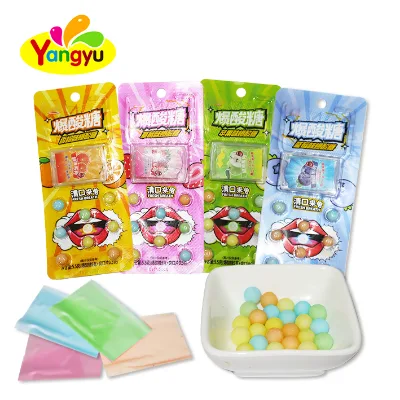
Sourcing Fruity Mini Bite Hard Candy requires distinguishing between solid confectionery forms and varied packaging formats observed in current listings. Buyers must verify that the product form matches the specific "Solid" attribute while noting that some listings also reference "Powder" or "Gummy" categories, which indicates a need for precise specification alignment. The observed product names often include descriptors like "Mouth Fruity Hard Candy Toy Candy," suggesting a potential dual appeal to children and adults, yet the physical form must be confirmed as a hard candy to meet the core keyword definition.
Procurement teams should scrutinize the listed packaging materials, which range from paper and plastic to cans and jars, to ensure the chosen format aligns with logistics and shelf-life requirements. The standard packaging configurations vary significantly, with some items listed as 8g units in cartons and others as 110g jars, necessitating a clear definition of the desired unit weight and outer carton quantity. This variation in packaging material and standard directly impacts the unit cost and the suitability of the product for specific retail channels or promotional campaigns.
Product Scope and Observed Listing Signals
The market signals for this category reveal a diverse range of product models, including specific identifiers like YX-H00979 and YX-R00725, which correspond to different candy types such as hard candy, soft candy, and lollipops. Buyers must carefully filter these listings to isolate the "Fruity Mini Bite Hard Candy" segment, as the same supplier may offer "Soft Candy & Jelly Candy" or "Lollipop Candy" under similar branding. The presence of "Toy Candy" in product names suggests a niche application where the candy serves as a novelty item, requiring verification that the core product remains a consumable hard candy rather than a purely decorative object.
Price and minimum order quantity (MOQ) signals indicate a wide commercial spectrum, with observed prices ranging from $0.95 to $2800 and MOQs spanning from 1 to 2000 units. This disparity suggests that the market includes both small-batch custom orders and large-scale industrial packaging runs. Buyers should expect that the "Fruity Mini Bite" specification might be available in various configurations, such as the 10g30pcs20boxes standard or the 6g60bottles12jars format, and must align their order volume with the supplier's specific production capacity and pricing tiers.
Technical Specifications to Verify
Verification of the physical form is critical, as the supplied data explicitly lists "Solid" as a primary attribute for hard candy, while also noting "Powder" and "Gummy" forms in other listings. Buyers must confirm that the specific model selected, such as YX-GC00214 or A-L398, strictly adheres to the solid hard candy structure to avoid receiving a product that does not meet the intended texture or consumption method. The color specifications, often described as "Mixed Colourful," should be validated against the visual requirements of the target market to ensure the aesthetic appeal matches the brand identity.
Storage and shelf-life parameters are equally vital, with observed requirements specifying storage in a "Cool Place" away from sunshine to maintain product integrity. The listed shelf life for certain models exceeds 12 months, but this claim must be cross-referenced with the specific packaging material, whether it is a box, jar, or can, to ensure the barrier properties are sufficient. Buyers should also verify the standard weight configurations, such as the 8g or 110g standards, to ensure the final product meets the regulatory and consumer expectations for portion size and weight consistency.
Compliance and Safety Documentation
Safety compliance is a non-negotiable aspect of sourcing, with several observed listings explicitly citing certifications such as HACCP, ISO, FDA, and BRC. These certifications indicate that the manufacturing facilities adhere to recognized food safety management systems, which is essential for importing confectionery products into regulated markets. Buyers must request current, valid certificates for the specific production line supplying the order, as the presence of these certifications in a general listing does not guarantee that every SKU or batch is covered under the same compliance umbrella.
Ingredient transparency is another critical documentation requirement, with suppliers often directing buyers to "See Packaging for Details" regarding the specific composition. This approach necessitates a review of the actual product label to confirm the absence of allergens or restricted substances in the target market. The application of the candy to "Old Man, Adult, Children" suggests a broad demographic appeal, but the ingredient list must be scrutinized to ensure it is safe for all intended consumer groups, particularly regarding sugar content and potential allergens like nuts or dairy.
Cost Drivers and Commercial Terms
The commercial terms for Fruity Mini Bite Hard Candy are heavily influenced by the customization options available, including OEM services and flexible packaging requirements. Suppliers offering "Customization: Available" and "OEM: Yes" allow buyers to tailor the product to their brand, but this flexibility often introduces variable costs related to mold creation, label design, and packaging material selection. Buyers should anticipate that the final unit price will fluctuate based on the complexity of the customization and the specific packaging material chosen, such as paper versus plastic or glass jars.
Minimum order quantities and lead times are significant cost drivers, with observed MOQs ranging from 500 cartons to as low as 1 unit depending on the supplier and product model. High-volume orders may benefit from economies of scale, but the requirement for specific standards like "8g30pcs24boxes" can lock buyers into larger production runs. It is essential to negotiate clear terms regarding the lead time and the flexibility to adjust order sizes, as the "As Per Packing" or "As you require" standards suggest a need for precise coordination to avoid delays or excess inventory costs.
Supplier Qualification and Quality Control
Supplier qualification should focus on verifying the origin and production capabilities, with observed data indicating origins in China, specifically Guangdong and Hunan provinces. Buyers must assess the supplier's ability to maintain consistent quality across different product models, such as the transition from YX-H00979 to YX-B00827, ensuring that the manufacturing processes remain stable regardless of the specific candy type or packaging format. The presence of multiple certifications like HACCP and ISO suggests a baseline level of quality control, but on-site audits or third-party inspections are recommended to validate these claims.
Quality control protocols must address the specific attributes of the product, including the "Mixed Colourful" appearance and the "Sweet" taste profile, which are subjective but critical for consumer satisfaction. Buyers should establish clear acceptance criteria for color consistency and flavor intensity, as these attributes can vary between batches. Additionally, the storage method requirements, such as keeping the product in a cool place, must be communicated to the supplier to ensure that the product is handled correctly during production and shipping to prevent melting or degradation.
Long-Term Procurement Checks
Long-term procurement success depends on establishing a robust relationship with suppliers who can consistently meet the evolving demands of the market. Buyers should regularly review the supplier's ability to adapt to changes in packaging standards, such as the shift from "Box" to "Jar" or "Can," and ensure that the supply chain remains resilient against potential disruptions. The flexibility to adjust order quantities and specifications, as indicated by the "As required" standards, is a key indicator of a supplier's capacity to support long-term growth and market expansion.
Continuous monitoring of product performance and customer feedback is essential to maintain the quality and reputation of the Fruity Mini Bite Hard Candy line. Buyers should implement a system for tracking shelf-life performance and storage stability, ensuring that the product remains fresh and appealing throughout its intended lifecycle. Regular audits of the supplier's compliance with food safety standards and ingredient transparency will help mitigate risks and ensure that the product continues to meet the high expectations of consumers and regulatory bodies.
FAQs
What packaging materials are used for Fruity Mini Bite Hard Candy?
The product utilizes paper and plastic as primary packaging materials. Specific configurations include boxes, cartons, jars, and cans. These options support various storage needs and branding requirements for bulk orders.
Can buyers request custom packaging for these candies?
Yes, customization is available for these hard candies. Buyers can specify unique packaging designs or formats to suit their brand identity. This flexibility supports OEM requirements and distinct market positioning strategies.
What certifications do these fruity hard candies hold?
The candies hold HACCP, ISO, FDA, and BRC certifications. These credentials ensure compliance with international food safety and quality management standards. Buyers can verify these documents to meet regulatory requirements in their target markets.
What is the typical shelf life for this candy?
The shelf life exceeds twelve months when stored correctly. Buyers should keep the product in a cool place away from direct sunshine. Normal storage methods are sufficient to maintain quality and freshness throughout the period.
Which product models are available for fruity hard candy?
Available models include YX-H00979, YX-R00725, YX--S987, YX-B00827, YX-GC00214, A-L398, and A-H042. Each model corresponds to specific specifications and packaging standards. Buyers can select the model that best fits their operational needs.
What are the origin locations for these candies?
The candies originate from China, specifically Guangdong and Hunan provinces. These regions are known for confectionery manufacturing capabilities. Buyers can trace the supply chain back to these specific geographic origins for quality assurance.