Source Multi Head Knife CNC Plotter for Foam, Leather, Fabric
Find and compare 30 Multi Head Knife CNC Plotter options from verified suppliers. These automatic machines feature PLC control and oscillating blades for precise cutting of PE, EPE, PVC, and other materials in industrial settings; compare the available evidence and request quotations based on your requirements.
Key considerations
Products List

Electric Oscillating Knife Blades Cutting Plotter 4 Heads CNC Digital Knife Cutter
$19000.00 - $20000.00
MOQ: 1 Sets


Three Cutter Head Digital Cutting Plotter with Auto Tool Change Setting Function
$10000.00 - $12000.00
MOQ: 1 set

Sponge Foam Oscillator Cutting Plotter with Oscillator Knife Vibrating Blade Cutter
$10000.00 - $12000.00
MOQ: 1 set


Fast Speed Digital Cutter Plotter for Sign Graphics Print Packaging
$9500.00 - $15000.00
MOQ: 1 Pieces


Paper Cutter Plotter/Auto Paper Cutting Machine/Knife CNC Auto Cutting Machine for Paper
$11000.00 - $15000.00
MOQ: 1 Pieces
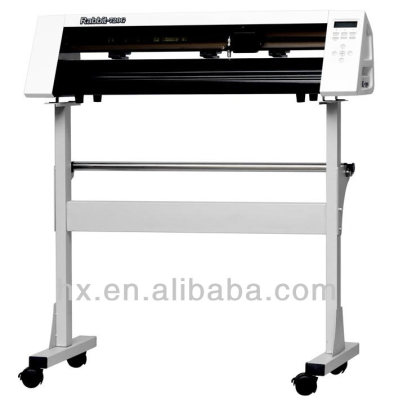
$102.13 - $306.38
MOQ: 1 Minimum


High Speed 720mm Cutting Plotter with Serial Interface USB Is Optional
$159.00 - $199.00
MOQ: 1 Pieces


Comprehensive Sourcing Guide
Multi Head Knife CNC Plotter Sourcing Guide
Procuring a multi-head knife CNC plotter requires distinguishing between single-head oscillating systems and true multi-axis configurations capable of simultaneous processing. The observed market data highlights specific 4-head CNC oscillating knife cutting machines designed for high-volume foam and plastic sheet processing. Buyers must verify if the "multi-head" designation refers to a single machine with four independent cutting stations or a system integrating multiple single-head units, as this distinction fundamentally alters throughput capabilities and floor space requirements.
The available listings indicate a strong focus on automatic operation modes with PLC control systems, suggesting these units are engineered for continuous industrial workflows rather than manual intervention. When evaluating potential suppliers, procurement teams should prioritize machines that explicitly list "4-Head" configurations alongside oscillating knife technology, ensuring the equipment matches the specific material handling needs for PE, EPE, XLPE, and PVC foams. This verification prevents the common error of purchasing a standard single-head cutter that cannot meet the required production velocity for large-scale manufacturing environments.
Product Scope and Observed Listing Signals
The product scope for these industrial cutters spans a wide variety of soft materials, including PE, EPE, XLPE, XPE, PVC, PP, and EVA foams, as well as fabric, leather, and paper products. Listings consistently describe the machine as an EPE foam plank cutting machine with a horizontal layout, indicating its primary function is to process large sheets or blocks into precise shapes. Buyers should note that while the core application is foam cutting, the versatility allows for use in packaging, automotive, and construction sectors where precise material separation is critical.
Observed listing signals reveal significant variation in physical dimensions and cutting capacities across different models, ranging from work areas of 25001400mm to larger configurations like 2950mm1880mm. The maximum cutting thickness observed varies between 50mm and 100mm, requiring buyers to match the machine's capacity to their specific material stock thickness. Additionally, the presence of customization options and the availability of different packing standards, such as wooden cases or boxes, suggests that suppliers offer tailored solutions for different shipping and installation requirements.
Technical Specifications to Verify
Buyers must rigorously verify the maximum cutting size and thickness capabilities to ensure the machine can handle their largest production orders without modification. The observed specifications list a maximum cutting size of 2500*1400mm and a thickness range of 3-100mm, though some models specify a 50mm limit. It is essential to confirm the actual working area dimensions, as discrepancies between listed standard sizes and actual usable space can impact production efficiency and material yield.
The control system and drive mechanism are critical technical factors that determine operational precision and speed. Listings indicate a PLC control mode with electric or hydraulic driven types, featuring oscillating knives and safety devices like infrared radiation and anti-collision systems. Procurement teams should verify the voltage requirements, which range from 110V to 380V, and confirm the power consumption, typically between 9-11kw, to ensure compatibility with existing facility infrastructure and electrical safety standards.
Compliance and Safety Documentation
Safety compliance is paramount when sourcing industrial cutting equipment, and buyers must demand comprehensive documentation regarding electrical and mechanical safety features. The observed listings confirm the presence of CE certificates and ISO 9001 certifications, which are essential for meeting international safety and quality standards. However, buyers should request specific test reports for the safety devices, such as the emergency stop and anti-collision systems, to verify that these features function correctly under load and during rapid operation cycles.
Documentation regarding the machine's electrical safety and environmental ratings must also be scrutinized to prevent operational hazards. While some listings mention an IPX-0 waterproof rating, indicating the machine is not protected against water ingress, this is typical for indoor industrial environments. Buyers should verify that the voltage specifications align with local grid standards and that the machine includes all necessary grounding and surge protection documentation to ensure safe integration into the production floor.
Cost Drivers and Commercial Terms
The cost of a multi-head knife CNC plotter is heavily influenced by the number of cutting heads, the complexity of the control system, and the overall machine dimensions. Listings show a price range from $0.77 to $56,000, reflecting the vast difference between basic components and fully automated, multi-head industrial systems. Buyers should understand that the lower end of this range likely refers to individual parts or smaller units, while the higher end represents complete, high-capacity machines with advanced PLC interfaces and safety features.
Commercial terms such as Minimum Order Quantity (MOQ) and packaging standards significantly impact the total cost of ownership and logistics planning. The observed MOQ range of 1-10 units suggests flexibility for small batch purchases, while the use of wooden cases or boxes for packing indicates a need for robust shipping protection. Procurement teams must negotiate clear terms regarding lead times and shipping costs, as the large physical dimensions of these machines often require specialized freight arrangements that can add substantial hidden costs to the initial purchase price.
Supplier Qualification and Quality Control
Supplier qualification should focus on verifying the manufacturer's origin and their track record in producing industrial cutting machinery. The observed data points to suppliers located in Guangdong, Guangzhou, and Jinan, China, regions known for their manufacturing capabilities. Buyers must confirm that the supplier provides a 1-year warranty and has a history of delivering machines that meet the specified standards, such as the 25001600100mm or 2950mm1880mm1410mm dimensions.
Quality control processes must be validated through on-site audits or third-party inspection reports before finalizing any purchase. Buyers should request evidence of the machine's condition, ensuring it is listed as "New" and that the blade material, such as HSS, meets durability expectations. It is also crucial to verify the supplier's ability to provide technical support and spare parts, as the complexity of the PLC and oscillating knife systems requires ongoing maintenance to ensure consistent cutting performance and longevity.
Long-Term Procurement Checks
Long-term procurement success depends on establishing a clear maintenance schedule and verifying the availability of replacement parts for the oscillating knife system. Buyers should confirm that the supplier offers a comprehensive service plan that includes regular calibration of the cutting heads and inspection of the safety devices. The 1-year warranty period is a starting point, but procurement teams should negotiate extended service agreements to cover the machine's operational life and minimize downtime.
Future scalability and adaptability are also key considerations when selecting a multi-head CNC plotter. Buyers should assess whether the machine's software and hardware can be upgraded to accommodate new materials or increased production speeds as business needs evolve. Verifying the compatibility of the PLC system with future automation integrations ensures that the initial investment remains relevant and efficient, preventing the need for premature equipment replacement due to technological obsolescence.
FAQs
What is the maximum cutting thickness for this machine?
The maximum cutting thickness is 100mm, allowing for thick foam processing. This capability supports materials like PE, EPE, and PVC. The oscillating knife ensures clean edges without deformation. Users can adjust settings for optimal performance across various material densities and thicknesses within this limit.
Can the machine handle different foam materials like EPE and PVC?
Yes, the machine handles PE, EPE, XLPE, XPE, PVC, PP, and EVA foam. The oscillating knife cutting system adapts to these diverse materials. It provides precise cuts for sheets, planks, and blocks. This versatility makes it suitable for various industrial applications requiring different foam types and densities.
What is the working area size of the cutting machine?
The working area is 2500mm by 1600mm, providing ample space for large materials. This size accommodates standard foam sheets and blocks efficiently. The horizontal layout ensures stable operation during cutting. Users can process wide materials without frequent repositioning, enhancing overall productivity and workflow efficiency in industrial settings.
Is the machine automatic and easy to operate?
Yes, the machine features an automatic operation mode with PLC control. The interface is simple, making it easy for operators to use. It includes safety devices like infrared radiation and emergency stop. The automated process reduces manual effort and ensures consistent cutting quality across different production runs and material types.
What certifications does the Multi Head Knife CNC Plotter have?
The machine holds CE certification, ensuring compliance with European safety standards. It also meets ISO 9001 quality management requirements. These certifications verify the machine's reliability and safety for industrial use. Buyers can trust the equipment meets established international standards for manufacturing machinery and operational safety protocols.
What is the voltage requirement for the machine operation?
The machine operates on 110V, 220V, or 380V voltage options. This flexibility allows installation in various electrical environments. The power consumption ranges from 9 to 11kw. Users should select the appropriate voltage based on their local power supply infrastructure to ensure safe and efficient machine operation.