Source Multifunctional PP Wall Hook for Kitchen, Bathroom & Office
Compare Multifunctional PP Wall Hook options from listed listings covering self-adhesive and reusable designs with load capacities from 1-5 KG, PET thicknesses, and sizes such as 6*8 cm. Review specifications, customization choices, and sourcing details across 30 products.
Key considerations
Products List
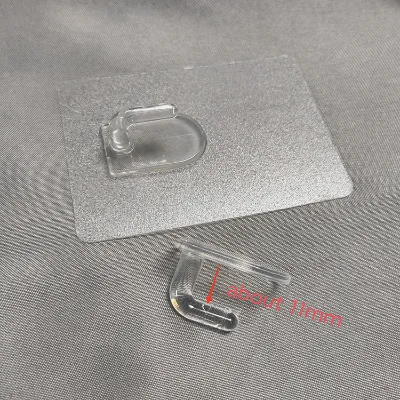
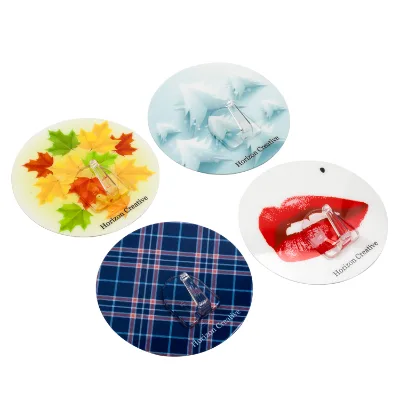
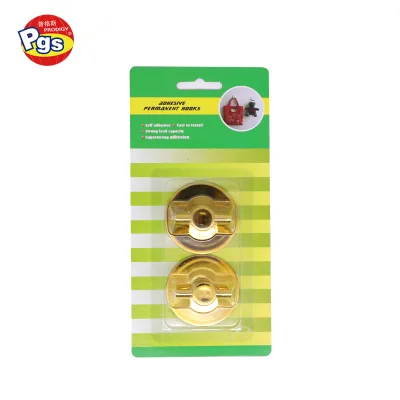
Damage Free Removable Plastic Self Adhesive Wall Hook for Hanging Towel Hook
$0.21 - $0.23
MOQ: 3000 pieces
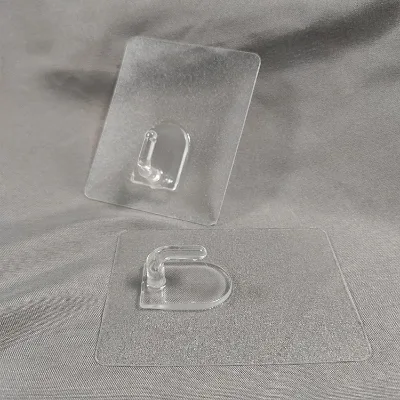


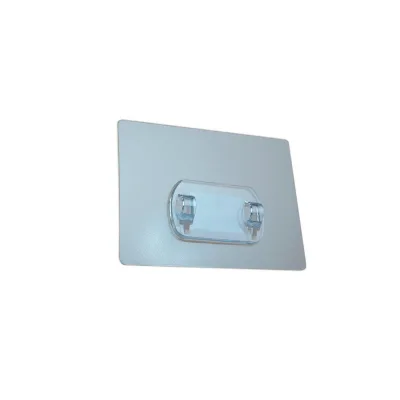






Comprehensive Sourcing Guide
Multifunctional PP Wall Hook Sourcing Guide
Sourcing adhesive wall hooks requires a careful balance between material durability, adhesive performance, and load-bearing capacity. While the core keyword suggests polypropylene (PP) construction, market observations indicate a diverse range of materials including PET, PU gel, PS, PC, and even metal components. Buyers must navigate this variability by focusing on functional specifications rather than assuming a single material composition. The primary value proposition for these items lies in their self-adhesive nature, which eliminates the need for drilling and makes them suitable for a wide array of surfaces, from kitchen tiles to bedroom walls.
The procurement process is further complicated by the wide range of observed minimum order quantities (MOQs) and price points. Listings show MOQs ranging from small batches of 10 units to large industrial orders of 100,000 pieces, with prices generally falling within a low-cost bracket. This disparity suggests that buyers can source either for immediate retail needs or for large-scale promotional campaigns. Understanding the specific use case, whether for household organization, kitchen utility, or greenhouse production, is essential before engaging with suppliers, as it dictates the necessary load capacity and material resilience.
Product Scope and Observed Listing Signals
The current market for adhesive wall hooks features products with varying structural designs and material compositions. Observed listings highlight items constructed from PET, PU gel, and PS, with some variants incorporating PC or metal elements. The thickness of the PET layer typically ranges from 0.30 mm to 0.33 mm, while PU gel thickness is available in 0.35 mm and 0.5 mm options. These material choices directly influence the hook's flexibility and its ability to conform to uneven surfaces, which is a critical feature for maintaining adhesion over time. Buyers should verify the exact material stack-up for each SKU to ensure it meets their specific durability requirements.
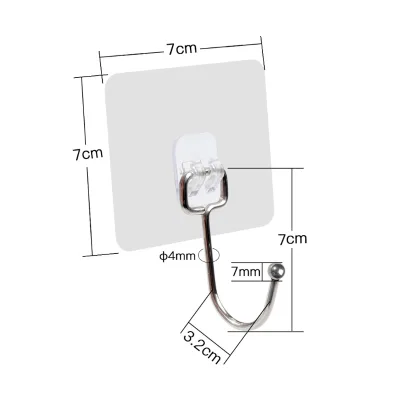
Color and aesthetic options are also diverse, with PU gel available in clear, white, or transparent finishes. The hooks are often marketed with modern or simple styles, and customization options such as logo printing are frequently available. Dimensions vary, with common sizes including 6x8 cm, 7x7 cm, and 8x9 cm. Some products are specified as single-layer designs, while others may have more complex structures. The "multifunctional" aspect often refers to the hook's ability to hang various items, from clothing to kitchen utensils, rather than a single mechanical function. Buyers should request physical samples to assess the tactile quality of the gel and the rigidity of the hook arm.
Technical Specifications to Verify
Load capacity is a critical technical parameter that varies significantly across different product models. Observed data indicates load capacities ranging from 1-3 KG to 3-5 KG. It is essential to verify the specific load rating for each hook type, as exceeding this limit can result in failure and damage to the wall surface. The dimensional tolerance is typically specified as less than ±1 mm, ensuring consistency in manufacturing. Buyers should confirm whether the load capacity is tested under static or dynamic conditions, as this affects the real-world performance of the hook when items are frequently added or removed.
Adhesive performance is defined by stickiness levels, which are categorized as low, medium, or high. This attribute determines the hook's suitability for different wall types, such as painted drywall, tile, or glass. The installation method is self-adhesive, which requires proper surface preparation for optimal results. The number of hooks per unit is typically one, but buyers should check if the product is sold as a single item or in packs. Additionally, the feature set often includes removability, reusability, and washability, which are key selling points for consumers. Verifying the longevity of the adhesive after multiple removal and reapplication cycles is crucial for long-term satisfaction.
Compliance and Safety Documentation
While specific certification statuses are not universally listed for all adhesive hooks, buyers should inquire about compliance with relevant safety and environmental standards. The products are often described as eco-friendly, which may imply the use of non-toxic adhesives or recyclable materials. However, buyers must request documentation to substantiate these claims, such as material safety data sheets (MSDSDs) or environmental compliance certificates. This is particularly important for products intended for use in households with children or in food-related environments like kitchens.
Safety documentation should also cover the structural integrity of the hook, especially if metal components are involved. Buyers should verify that the materials used do not contain harmful substances that could leach out over time. For products marketed for use in greenhouses or industrial settings, additional compliance with chemical resistance standards may be necessary. It is advisable to ask suppliers for test reports that demonstrate the hook's performance under stress and its resistance to environmental factors such as humidity and temperature fluctuations.
Cost Drivers and Commercial Terms
The cost of adhesive wall hooks is influenced by several factors, including material composition, customization requirements, and order volume. The observed price range is low, reflecting the commodity nature of these items. However, costs can increase with the addition of custom logos, specific color requirements, or specialized packaging. The MOQ varies widely, from 10 pieces for small trials to 100,000 pieces for bulk orders. Buyers should negotiate terms that align with their inventory needs, considering the storage costs associated with large orders.
Payment terms and lead times are also significant commercial considerations. While specific lead times are not provided, buyers should expect variations based on the complexity of the order and the supplier's production schedule. Customization, such as printing logos, may extend the lead time due to the additional manufacturing steps. Buyers should clarify whether the quoted price includes packaging and shipping costs, as these can add up significantly for large orders. Understanding the total landed cost is essential for accurate budgeting and margin calculation.
Supplier Qualification and Quality Control
Supplier qualification is critical when sourcing adhesive products, as the quality of the adhesive directly impacts product performance. Buyers should verify the supplier's manufacturing capabilities, including their experience with PET, PU gel, and other materials. The place of origin for many products is Guangdong, China, a region known for its manufacturing expertise in plastics and adhesives. Buyers should assess the supplier's quality control processes, including in-line inspections and final random inspections, to ensure consistency in product quality.
Quality control should also focus on the dimensional accuracy and adhesive strength of the hooks. Buyers should request samples to test the stickiness and load capacity before placing large orders. It is advisable to establish clear acceptance criteria for defects, such as misaligned hooks or weak adhesive bonds. Regular audits of the supplier's production facility can help ensure that quality standards are maintained over time. Building a strong relationship with the supplier can also facilitate better communication and faster resolution of any issues that arise during production.
Long-Term Procurement Checks
Long-term procurement success depends on the ability to monitor product performance and supplier reliability over time. Buyers should track customer feedback regarding the durability and adhesion of the hooks, as this data can inform future purchasing decisions. Regularly reviewing the supplier's performance metrics, such as on-time delivery and defect rates, is essential for maintaining a stable supply chain. Buyers should also stay informed about changes in material regulations and environmental standards that may affect product compliance.
As market trends evolve, buyers should be open to exploring new materials and designs that offer improved performance or sustainability. The availability of customizable options allows buyers to differentiate their offerings in a competitive market. However, it is important to balance innovation with cost-effectiveness to maintain profitability. By maintaining a proactive approach to supplier management and quality assurance, buyers can ensure a steady supply of high-quality adhesive wall hooks that meet their customers' needs.
FAQs
What materials are used for the adhesive plastic hook?
The adhesive plastic hook is constructed from PET, PU GEL, and PS materials. Some variants also incorporate PC or metal components depending on the specific model selected for your needs.
How much weight can the wall hook hold?
The load capacity ranges from 1 to 5 kilograms depending on the specific model configuration. You can find options supporting 1-3 KG or heavier loads up to 3-5 KG for different applications.
Can the hook be customized with a logo?
Yes, customized printing is available for the logo on the adhesive hook. This allows you to brand the product while maintaining its modern or simple style for household or commercial use.
What is the thickness of the PET layer?
The PET layer thickness is specified as either 0.30 mm or 0.33 mm in the product specifications. This dimension ensures structural integrity while maintaining the flexibility required for installation.
Where are these hooks manufactured?
The products originate from Guangdong, China, with some items sourced from Jiangsu. These locations are known for producing high-quality adhesive hooks with precise dimensional tolerances under 1mm.
Is the hook removable and reusable?
Yes, the hook features a removable, reusable, and washable design. This functional attribute allows for flexible installation on various surfaces without causing damage when removed.