Source Multifunctional PVC Tube Cutter for Plastic, PE, and HDPE Pipes
Find 30 Multifunctional PVC Tube Cutter options from verified Chinese manufacturers. Buyers can compare specifications like working range, cut thickness, and weight to select the right tool for plastic, PE, and HDPE pipe applications.
Key considerations
Products List


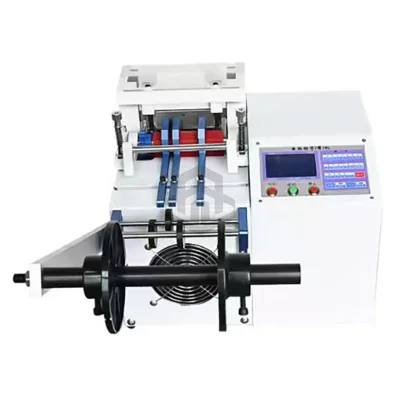
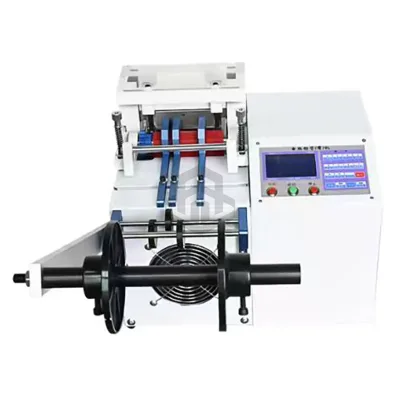
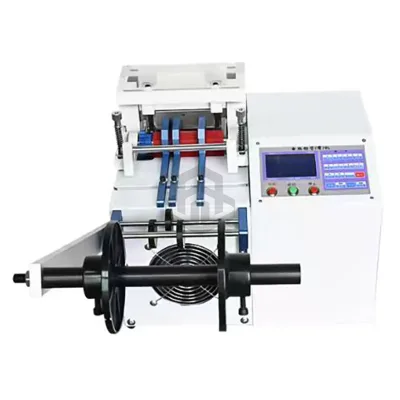
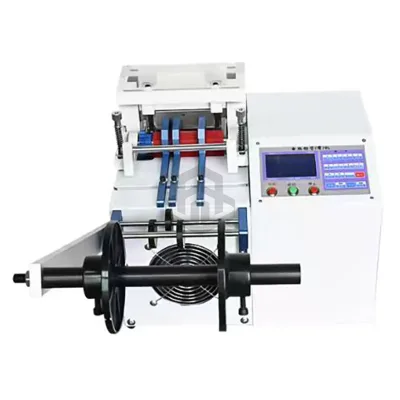
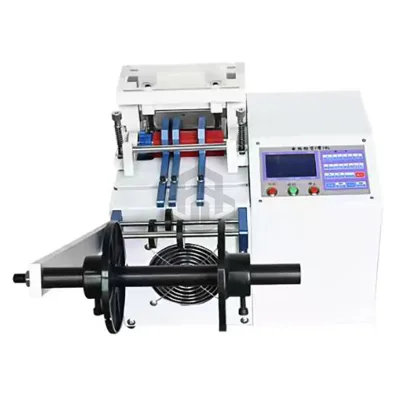


$1000.00 - $20000.00
MOQ: 1 Pieces

$1000.00 - $20000.00
MOQ: 1 Pieces


Comprehensive Sourcing Guide
Strategic Sourcing Guide for Multifunctional PVC Tube Cutters
Understanding Technical Specifications and Operational Capabilities
When sourcing a Multifunctional PVC Tube Cutter, buyers must first distinguish between general-purpose cutting tools and specialized equipment designed for specific plastic pipe diameters and wall thicknesses. The market offers a variety of models, each engineered with distinct working ranges and cutting capacities. For instance, specific industrial-grade units are documented with a working range of 50-110mm, capable of handling cut thicknesses of less than 10mm. In contrast, other models in the same category are optimized for smaller diameters, featuring a working range of 14-63mm with a maximum cut thickness of less than 7mm. These variations are critical because a tool designed for 110mm PVC pipe may lack the mechanical leverage or blade geometry required for efficient cutting of 14mm tubing, and vice versa.
The cutting mechanism is another primary technical differentiator. Most high-performance units in this category utilize a "Cold Cutting" mode, which ensures that the plastic material is not subjected to thermal stress or melting during the separation process. This is particularly vital for PVC and PE (Polyethylene) applications where heat can deform the pipe edge, compromising the integrity of subsequent joints. The primary cutting mode observed in these tools is blade cutting, often integrated into a rotary or manual mechanism. Some advanced configurations are explicitly labeled as "Rotary PE Pipe Cutters," suggesting a design that rotates around the pipe circumference to ensure a perfectly perpendicular cut. Buyers should verify that the tool supports the specific material types they intend to cut, such as HDPE, PE, or standard PVC, as the blade hardness and angle may vary to accommodate the density and flexibility of these different plastics.
Compliance, Certification, and Safety Standards
In the B2B procurement of industrial hand tools, compliance with international safety and quality standards is a non-negotiable prerequisite. While specific product listings may not always display full certification dossiers, reputable suppliers typically align their manufacturing processes with recognized frameworks. For example, certain models in the plastic pipe tool category are associated with ISO certification, indicating that the manufacturer adheres to international quality management systems. Additionally, CE certification is frequently cited for tools intended for the European market, serving as a declaration that the product meets EU safety, health, and environmental protection requirements.
Buyers must treat these certifications as verification points rather than assumed attributes. When evaluating a potential supplier, the procurement team should request valid certification documents that correspond to the specific model number being purchased. It is important to note that certification status can vary between product lines; a supplier might hold ISO certification for their heavy-duty rotary cutters but not for their lighter fiber optic or cable stripping tools. Furthermore, the physical condition of the tool upon delivery is a compliance metric in itself. Products are typically supplied in "New" condition, but the packaging must protect the tool during transit. Standard export packaging often includes cardboard boxes or suitcases designed to prevent damage, ensuring the tool arrives ready for immediate deployment without requiring refurbishment or safety recalibration.
Cost Drivers and Pricing Variables
The pricing structure for multifunctional PVC tube cutters is influenced by several tangible factors, including material composition, weight, and packaging complexity. The observed price range in the market spans from $0 to $20,000, a broad spectrum that reflects the difference between simple manual hand tools and complex, motorized, or highly specialized industrial units. For manual cold cutting tools, the cost is often driven by the quality of the metal components and the precision of the blade assembly. Heavier tools, such as those weighing up to 16.6kg, generally command a higher price point due to the increased material cost and the robustness required for heavy-duty applications.
Minimum Order Quantity (MOQ) is another significant cost driver. The market data indicates an MOQ range of 1 to 500 units. Buyers purchasing single items or small batches may face a higher per-unit cost compared to those placing bulk orders that meet the lower end of the MOQ spectrum. Additionally, the packaging method impacts the final landed cost. Tools packaged in standard cardboard boxes are generally more cost-effective to ship than those requiring custom suitcases or large export cartons with specific dimensions like 450450150mm. The origin of the product, typically China or specific provinces like Henan and Guangdong, also plays a role in logistics costs. Buyers should calculate the total cost of ownership, including shipping and potential customs duties, rather than focusing solely on the unit price. Customization options, which are available for many models, will also introduce variable costs depending on the extent of the modification required.
Typical Applications and Industry Use Cases
Multifunctional PVC tube cutters are primarily deployed in industries requiring precise pipe fabrication and installation. The core application is explicitly defined for PVC and PE plastic pipes, making these tools essential for plumbing, irrigation, and municipal water supply projects. The ability to perform cold cutting is particularly advantageous in environments where open flames or high-heat tools are prohibited, such as in confined spaces or areas with flammable materials. The "Low Clearance" feature found in some models allows for cutting in tight spaces where a standard saw or larger cutter cannot fit, enhancing versatility on complex job sites.
Beyond standard plastic piping, the technology behind these cutters often extends to related infrastructure tasks. For example, similar cutting mechanisms are utilized for FTTH (Fiber To The Home) applications, where precision is required for stripping and cutting fiber optic cables. While the primary focus remains on plastic pipes, the multifunctional nature of some tools allows them to handle a variety of tube diameters, from small 3mm cables to large 200mm pipes. The "Stripping Range" of 3-28mm observed in related tools highlights the adaptability of the technology across different sectors. Whether the task involves cutting HDPE pipes for gas distribution or stripping fiber optic sheathing for telecommunications, the underlying requirement is a clean, burr-free cut that ensures a secure seal. Buyers should match the tool's working range to the specific pipe sizes most frequently encountered in their projects to maximize efficiency.
Supplier Evaluation and Verification Protocols
Evaluating a supplier for industrial cutting tools requires a rigorous verification process that goes beyond simple price comparison. Buyers should prioritize suppliers who can provide clear documentation regarding the product's origin, such as specific provinces like Henan or Guangdong in China, as regional manufacturing hubs often have established supply chains for metalworking tools. The presence of a warranty, typically ranging from one year for standard tools, is a strong indicator of supplier confidence in product durability.
When assessing a supplier, the procurement team should verify the consistency of their product attributes. For instance, if a supplier lists a model with a specific weight (e.g., 2.7kg or 8.2kg), the actual delivered goods must match these specifications. Discrepancies in weight often indicate variations in material quality or incomplete assembly. Additionally, the availability of customization services is a key differentiator. Suppliers offering "Customization: Yes" or "Available" provide a strategic advantage for buyers with unique requirements, such as specific branding or modified blade geometries. Buyers should also check the "Condition" of the product, ensuring it is listed as "New" to avoid receiving refurbished or used equipment. The packaging details, such as "Soft Bag" for lighter tools or "Suitcase and Standard Export Carton" for heavier ones, should align with the supplier's logistical capabilities to ensure safe delivery.
Quality Control and Long-Term Procurement Considerations
Implementing a robust quality control (QC) protocol is essential for maintaining operational efficiency and safety. Buyers should establish clear acceptance criteria based on the technical specifications provided by the supplier. For example, verifying that the "Cut Thickness" capability matches the actual pipe wall thickness being processed is a fundamental QC step. Tools that claim to cut less than 10mm must be tested against pipes of that exact thickness to ensure the blade does not bind or slip. The "Single Gross Weight" and "Net Weight" specifications serve as quick verification metrics; significant deviations from the stated weights (e.g., 0.200kg vs. 200g) can indicate missing components or packaging errors.
Long-term procurement considerations involve the lifecycle management of the tool. The "Warranty" period is a critical factor in this strategy, as it defines the supplier's liability for defects. A one-year warranty is standard, but buyers should clarify what specific failures are covered, such as blade dulling, handle breakage, or gear mechanism failure. Furthermore, the availability of spare parts, particularly replacement blades, should be confirmed before finalizing a bulk order. The "Color" of the tool (e.g., Red or Silver Gray) may seem cosmetic, but it can be part of a company's safety color-coding system for site identification. Finally, buyers should consider the "Automation" level of the tool; while most are manual, understanding the effort required for operation helps in planning labor costs and training needs for the workforce. By focusing on these tangible attributes and avoiding unverified performance claims, buyers can secure a reliable supply of multifunctional PVC tube cutters that meet their specific operational demands.
FAQs
What is the working range for the 110n model?
The 110n model has a working range of 50-110mm for cutting plastic pipes. It is designed to handle cut thicknesses of less than 10mm efficiently. This tool operates in a manual mode and is suitable for PVC and PE applications.
Can I customize the Multifunctional PVC Tube Cutter?
Yes, customization is available for this tool. Buyers can request specific modifications to meet unique project requirements. The product is supplied in new condition with options for different packaging types like cardboard boxes or suitcases.
Which certification does the rotary PE pipe cutter have?
The rotary PE pipe cutter carries ISO and CE certifications. These standards verify that the manufacturing process meets international quality and safety requirements. Buyers should verify specific model documentation to confirm compliance for their region.
How much does the 63n model weigh?
The 63n model has a net weight of 1.5kg and a gross weight of 2kg. This lightweight design facilitates easy handling during installation tasks. It is packaged in a standard cardboard box for protection during transit.
What cutting mode does the tool use?
The tool utilizes a blade cutting mode for separating plastic pipes. It features a cold cutting mechanism to prevent thermal stress or melting of the material. This ensures clean edges suitable for PVC and HDPE pipe joints.
What is the warranty period for the fiber optic cutter?
The fiber optic cable tube cutter comes with a one-year warranty. This coverage protects against defects in materials and workmanship for the specified model. The product is new and packaged in a soft bag for safe delivery.
Where is the product manufactured?
The product originates from China, with specific manufacturing locations in Henan and Guangdong provinces. These regions are known for producing metalworking tools and industrial equipment. Buyers can expect standard export packaging for international shipping.