Source Multifunctional Pig Skin Defatting Machine for Slaughterhouses
Source the Multifunctional Pig Skin Defatting Machine from 30 verified listings. Compare electric models with varying capacities, blade specifications, and automation levels to find the right equipment for your processing line.
Key considerations
Products List


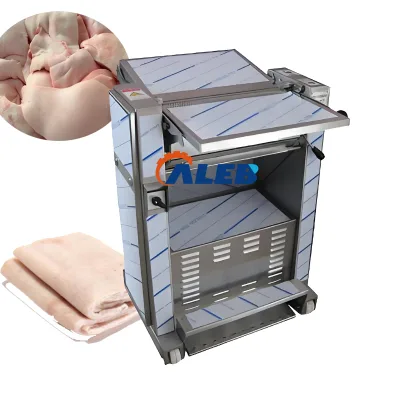


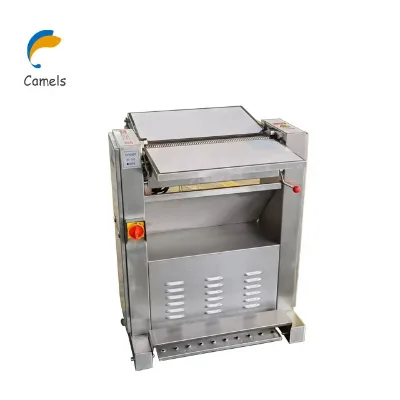
a Multifunctional Pig Skin Degreasing and Peeling Machine with CE Certificate
$900.00 - $2500.00
MOQ: 1 Pieces


Pig Skin Defatting Machine, Beef, Sheep and Lamb Skin Fat Cutting Machine
$900.00 - $2500.00
MOQ: 1 Pieces


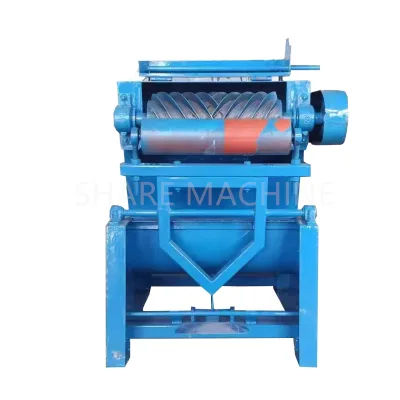
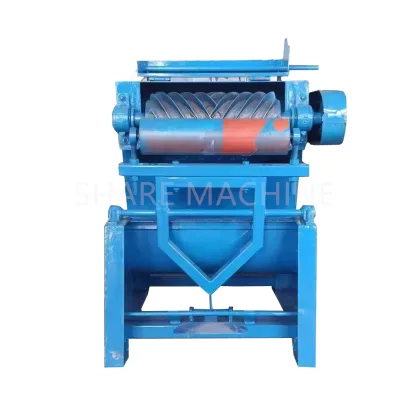
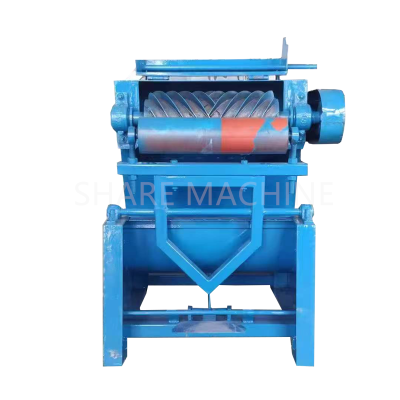
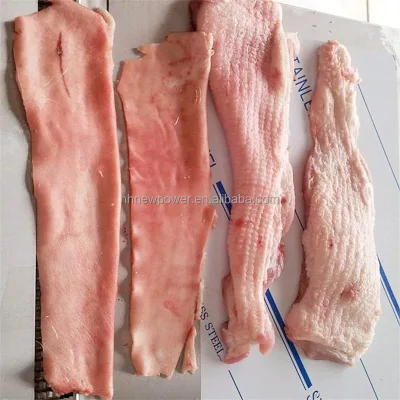
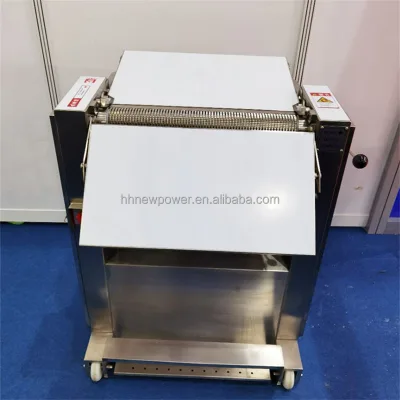
Hot Selling New Manual Pig Skinner Machine Pork Skin Peeling Removal Tool
$1200.00 - $2000.00
MOQ: 1 sets

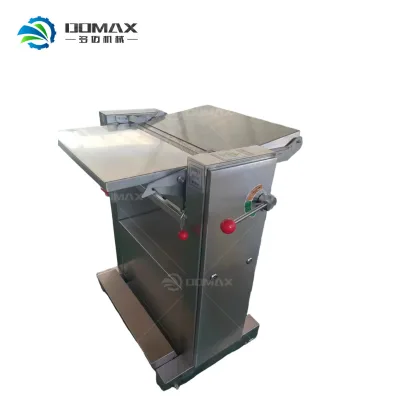
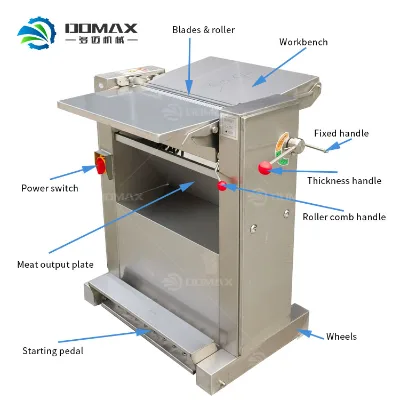


Comprehensive Sourcing Guide
Multifunctional Pig Skin Defatting Machine Sourcing Guide
The Multifunctional Pig Skin Defatting Machine represents a specialized category of meat processing equipment designed to streamline the removal of subcutaneous fat and skin from livestock carcasses. These units are engineered to handle high-volume throughput while maintaining product integrity, making them essential for slaughterhouses and meat processing facilities aiming to optimize labor efficiency. The observed market listings indicate a strong focus on automation, with models ranging from semi-automatic to fully automatic configurations to suit varying production scales. Buyers must recognize that these machines often serve dual purposes, functioning as both skinning and defatting units, which requires careful alignment with specific operational workflows.
Procurement decisions for this equipment hinge on understanding the distinct processing capabilities observed in current listings, such as the ability to handle frozen and chilled inputs or specific weight capacities for individual animals. The data suggests that while some units are optimized for single-pig processing with defined hair removal times, others are built for continuous high-speed operations with capacities measured in pieces per hour. This variance necessitates a clear definition of the buyer's throughput requirements before engaging with suppliers, as the machine's physical footprint, power consumption, and motor specifications will differ significantly based on whether the goal is batch processing or continuous line integration.
Product Scope and Observed Listing Signals
The product scope for multifunctional pig skin defatting machines encompasses a variety of configurations tailored to different stages of meat processing, from initial skinning to final trimming. Listings reveal that these machines are often constructed from stainless steel grades such as SUS304 or 316, ensuring compliance with food safety hygiene standards while resisting corrosion in wet environments. The observed models include specific designations like the HT-QY500 and HT-NSQP500, which feature distinct blade dimensions and cutting widths, indicating that the physical geometry of the cutting mechanism is a primary differentiator among suppliers. Buyers should expect to encounter machines with varying motor powers, ranging from 0.75kw for lighter tasks to 7.5kw for heavy-duty industrial applications.
Listing signals also highlight the importance of customization options, as many suppliers offer tailored solutions to fit specific facility layouts or processing needs. The presence of "Customized" and "Customization: Available" attributes suggests that buyers can request modifications to blade lengths, machine dimensions, or automation levels to match their existing infrastructure. Furthermore, the observed capacity metrics, such as 24m/min or 120-180pcs/h, serve as critical indicators of a machine's potential output, allowing procurement teams to estimate production rates accurately. However, these figures should be treated as observed data points rather than guaranteed performance metrics, as actual output will depend on the condition of the raw material and operator skill.
Technical Specifications to Verify
Verifying technical specifications is paramount when selecting a Multifunctional Pig Skin Defatting Machine, as the physical dimensions and power requirements directly impact installation and operational success. Buyers must confirm the exact voltage requirements, which vary between 220v/110v for smaller units and 380V for industrial models, to ensure compatibility with local power grids. The motor power is another critical specification, with observed values ranging from 750w to 7.5kw, influencing both the machine's cutting efficiency and its energy consumption profile. Additionally, the blade length and cutting thickness capabilities, such as the 500201mm blade or a cutting thickness range of 0.5-6mm, must align with the specific size and fat thickness of the livestock being processed.
Beyond power and dimensions, the automation grade and weight of the unit are essential factors for logistics and floor planning. The market data indicates a split between semi-automatic and fully automatic grades, with weights ranging from 65kg to 1500kg, which dictates the need for reinforced flooring or specialized lifting equipment during installation. The standard dimensions provided in listings, such as 875720920mm or 260016502000mm, must be cross-referenced with the available space in the processing facility to prevent installation bottlenecks. Buyers should also verify the condition of the machinery, ensuring that new units come with a machinery test report and that core components like the motor are sourced from reputable manufacturers to guarantee long-term reliability.
Compliance and Safety Documentation
Compliance and safety documentation for multifunctional pig skin defatting machines must address both food safety regulations and industrial safety standards to protect both the product and the operators. The use of stainless steel materials like SUS304/316 is a standard requirement to prevent contamination and ensure the machine meets hygiene protocols for meat processing. Buyers should request detailed documentation confirming that the machine's design prevents cross-contamination and facilitates easy cleaning, which is critical for maintaining sanitary conditions in a slaughterhouse environment. Additionally, the presence of a machinery test report is a strong indicator that the equipment has undergone rigorous quality checks before leaving the factory.
Safety features and operational protocols are equally important, particularly regarding the machine's automation level and the potential risks associated with high-speed cutting mechanisms. The observed "Easy Operation High Efficiency" advantage suggests that user-friendly interfaces are a priority, but buyers must verify that emergency stop mechanisms and safety guards are standard inclusions. For machines handling frozen and chilled inputs, the structural integrity of the frame and the stability of the unit during operation must be confirmed to prevent accidents. Documentation should also cover the after-sales service provisions, such as the one-year warranty observed in listings, to ensure that any safety-related defects or operational failures are addressed promptly.
Cost Drivers and Commercial Terms
The cost of a Multifunctional Pig Skin Defatting Machine is driven by several key factors, including the level of automation, motor power, and the quality of materials used in construction. Units with higher automation grades and larger motor capacities, such as the 7.5kw models, typically command higher prices due to the increased complexity and performance capabilities. The observed price range of 750 to 6500 USD reflects this variability, with costs influenced by the specific configuration, such as blade length, cutting width, and the inclusion of custom features. Buyers should be aware that the weight of the machine, which can range from 65kg to 1500kg, also impacts shipping and handling costs, particularly for international procurement.
Commercial terms and packaging requirements are significant considerations that affect the total cost of ownership. The observed use of fumigation-free wooden cases and standard wooden cases indicates that packaging is tailored to protect the machine during transit while meeting international shipping regulations. The minimum order quantity (MOQ) of 1 unit observed in the listings offers flexibility for buyers who may not require large-scale immediate deployment, allowing for a more gradual investment in equipment. However, buyers must clarify lead times and delivery schedules, as these can vary based on the customization level and the supplier's production capacity, which is often cited as a critical factor in the final commercial agreement.
Supplier Qualification and Quality Control
Supplier qualification for multifunctional pig skin defatting machines requires a thorough assessment of the manufacturer's location, production history, and quality control processes. The observed origins, such as Henan and Jinan in China, suggest a concentration of manufacturing expertise in these regions, but buyers should verify the specific factory's track record and capacity to meet demand. The presence of core components like the motor and the provision of machinery test reports are positive indicators of a supplier's commitment to quality, but independent verification of these claims is advisable. Buyers should also evaluate the supplier's ability to provide after-sales support, including the availability of spare parts and technical assistance, which is crucial for minimizing downtime in a continuous processing environment.
Quality control measures should extend beyond the initial factory inspection to include ongoing monitoring of the machine's performance once installed. The observed "New" condition and specific model numbers like HT-PM500 and OYJ-800 suggest that suppliers maintain a catalog of standardized units, but buyers must ensure that the specific unit they receive matches the agreed-upon specifications. The ability to customize the machine, as indicated by the "Customized" attribute, adds a layer of complexity to quality control, requiring clear communication of requirements and rigorous testing of the final product. Suppliers who provide detailed machinery test reports and offer a one-year warranty demonstrate a higher level of confidence in their product quality, which should be a key criterion in the supplier selection process.
Long-Term Procurement Checks
Long-term procurement checks for multifunctional pig skin defatting machines focus on the durability of the equipment and the sustainability of the supplier relationship. Buyers should establish a schedule for regular maintenance and inspection to ensure that the machine continues to operate within the specified parameters, such as the observed cutting thickness and capacity ranges. The use of high-quality materials like stainless steel and robust motors is essential for longevity, but the actual lifespan of the machine will depend on the frequency of use and the quality of maintenance performed. Buyers should also monitor the performance of the machine over time, tracking metrics like hair removal time and processing speed to identify any degradation in performance that may indicate a need for part replacement or recalibration.
Building a resilient supply chain involves maintaining open lines of communication with the supplier and ensuring that the terms of the agreement remain favorable over time. The observed "After-Sales Service Provided: 1 Year" clause is a starting point, but buyers should negotiate extended support options or service level agreements that cover critical components like the motor and blade assembly. Additionally, buyers should stay informed about any updates or improvements in the machine's design that could enhance efficiency or safety, as the industry is constantly evolving. By conducting regular reviews of the machine's performance and the supplier's service quality, buyers can ensure that their investment in multifunctional pig skin defatting machines continues to deliver value and supports their long-term operational goals.
FAQs
What is the cutting width and thickness capacity of the HT-QY500 model?
The HT-QY500 model features a cutting width of 500mm and handles cutting thickness between 0.5mm and 6mm. It operates with a 750w motor and weighs 120kg. The machine uses a blade measuring 500*20*1mm and is designed for mild processing. It is available for customization and packed in a fumigation-free wooden case.
Can the HT-PM500 machine process both frozen and chilled meat?
Yes, the HT-PM500 machine is designed for both frozen and chilled processing. It has a capacity of 24m/min and weighs 1500kg. The unit operates at 7.5kw power and measures 2600*1650*2000mm. It is an automatic grade machine suitable for heavy-duty industrial applications in meat processing facilities.
What is the hair removal time for a single pig using the HT-NSQP500?
The HT-NSQP500 requires 20-30 seconds to process one pig at a time. It has a capacity of 120-180 pieces per hour and weighs 158kg. The machine operates at 380V voltage and measures 870*710*920mm. It is suitable for pigs with a maximum input weight of 250kg and is an automatic grade unit.
Which materials are used in the construction of the multifunctional meat cutter?
The multifunctional meat cutter is constructed from Stainless Steel SUS304 or 316. This material ensures durability and hygiene for food processing applications. The machine is new condition and provides one year of after-sales service. It is widely used for various meat types and offers easy operation with high efficiency.
What voltage options are available for the OYJ-800 meat slicer?
The OYJ-800 meat slicer supports 220v or 110v voltage options. It weighs 65kg and measures 720*830*920mm. The machine is powered by electricity and includes a motor as a core component. It is a multifunctional unit suitable for various cutting tasks and is sourced from Jinan, China.
Is customization available for the electric meat processing machines?
Yes, customization is available for the electric meat processing machines. The products are listed as customized and offer electric power sources. Buyers can select from various models with different specifications and weights. The machines are designed for specific applications like pig, cattle, and sheep processing with varying capacities.