Source Music Sync RGB Ambient Lights for Stage, Wedding, and Home
Compare 30 verified Music Sync RGB Ambient Lights from Chinese manufacturers. Buyers can evaluate specifications like voltage, wattage, and control methods for stage, wedding, and home applications.
Key considerations
Products List




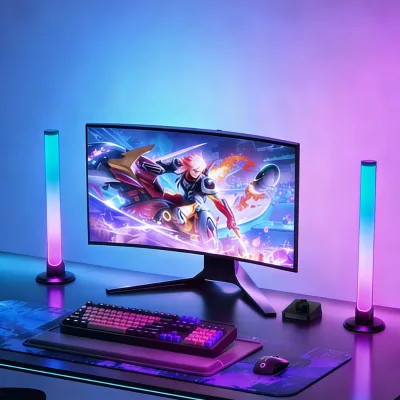
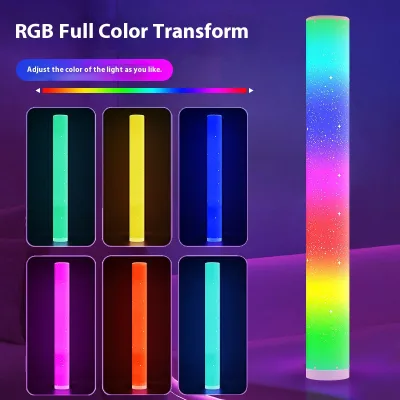
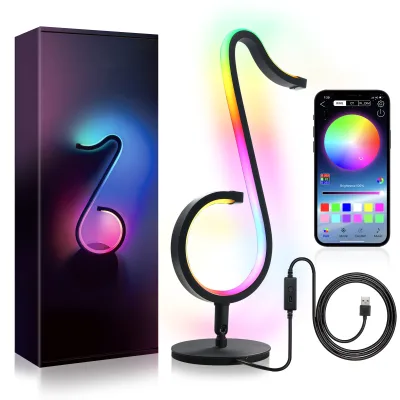
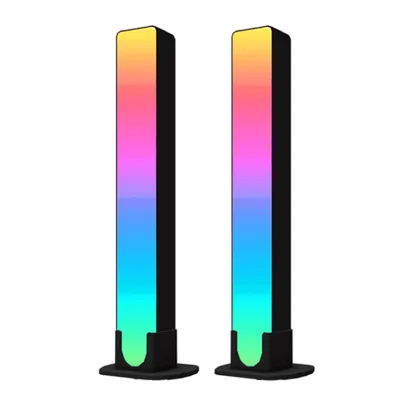


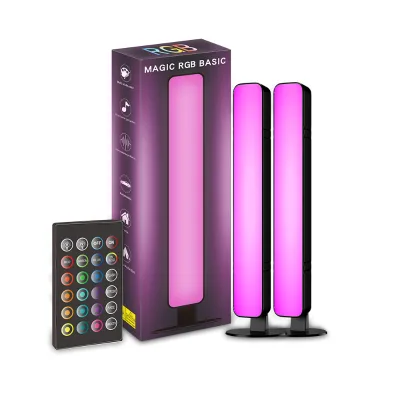

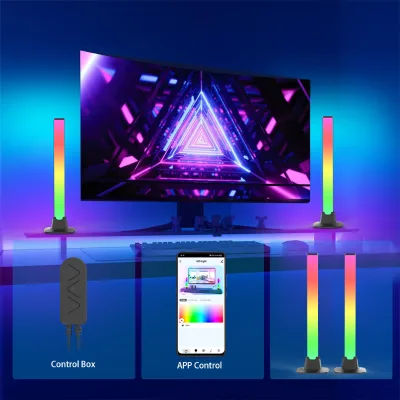
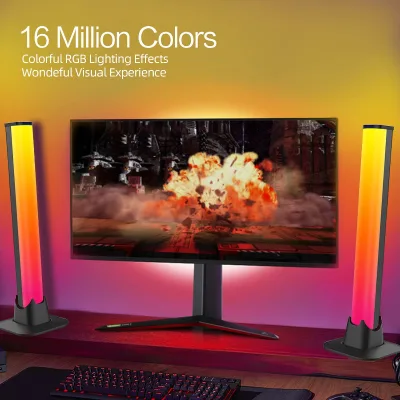
Comprehensive Sourcing Guide
Music Sync RGB Ambient Lights Sourcing Guide
Sourcing Music Sync RGB Ambient Lights requires a nuanced understanding of how consumer electronics intersect with decorative lighting. These products are not merely static illumination sources; they are dynamic systems that respond to audio input, creating an immersive atmosphere for events, home entertainment, or commercial venues. Buyers must recognize that the core value proposition lies in the synchronization algorithm and the reliability of the LED components under varying power conditions. The market offers a wide array of options, from simple strip lights to complex scanning fixtures, each serving different aesthetic and functional needs.
The procurement process for these items is heavily influenced by customization capabilities and technical integration requirements. Many suppliers offer OEM and ODM support, allowing brands to tailor the physical design, control methods, and packaging to their specific market positioning. However, this flexibility introduces complexity in quality control and specification verification. Buyers need to establish clear technical baselines early in the negotiation process to ensure that the final product meets the expected performance standards for color accuracy, response latency, and durability.
Product Scope and Observed Listing Signals
The current market landscape for Music Sync RGB Ambient Lights reveals a diverse range of product configurations and form factors. Listings indicate a significant variety in physical dimensions, with observed sizes ranging from compact units measuring approximately 9881689mm to larger installations reaching up to 24322523mm. This variation suggests that buyers can source solutions for both small-scale residential applications and large-scale commercial installations. The presence of multiple model numbers, such as RGB05-MUSIC-1 and JH241293- #0003, highlights the fragmented nature of the supply chain, where different manufacturers may use similar naming conventions for distinct product lines.
Price and minimum order quantity (MOQ) signals provide insight into the scalability of these products. The observed price range spans from $1.6 to $99.5 USD, indicating a broad spectrum of quality tiers and feature sets. Lower-priced items may cater to high-volume, low-margin markets, while higher-priced units likely offer advanced features such as higher lumen output, better color rendering, or more robust control systems. The MOQ range of 1 to 1000 units further underscores the flexibility available to buyers, accommodating everything from small trial orders to large-scale production runs. This variability allows buyers to test market response before committing to significant inventory investments.
Technical Specifications to Verify
Voltage and power specifications are critical for ensuring compatibility with existing electrical infrastructure. Products in this category typically operate on DC voltage, with observed ratings of 12V and 24V. Buyers must verify the specific voltage requirements of each unit to prevent compatibility issues, especially when integrating multiple light sources or extending cable runs. The wattage of these devices also varies, with some units rated at 36 Watts, which impacts energy consumption and heat dissipation requirements. Understanding these electrical parameters is essential for designing safe and efficient lighting systems.
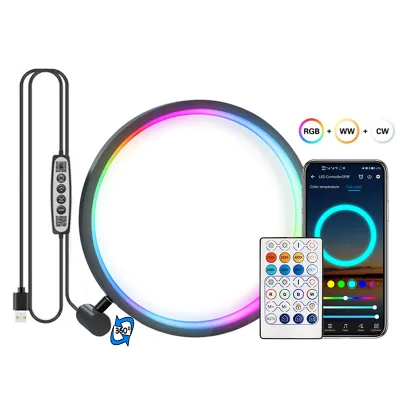
Control methods and emitting characteristics define the user experience and visual impact of the lights. Most modern units support APP and remote control, offering flexibility in how users interact with the lighting effects. The emitting color is predominantly RGB, allowing for a wide spectrum of color customization, while some products also offer warm white options. The lumen output, observed in the range of 110-120lm/W, indicates the efficiency of the LED sources. Buyers should verify the actual brightness levels and color consistency across different units to ensure a uniform appearance in large installations.
Compliance and Safety Documentation
Certification requirements vary by region and application, making it essential to verify the specific compliance status of each product. Common certifications observed in this category include CE, RoHS, EMC, and ETL. CE marking indicates conformity with health, safety, and environmental protection standards for products sold within the European Economic Area. RoHS compliance ensures that the product is free from specific hazardous materials, which is increasingly important for environmental regulations and consumer awareness. EMC certification is crucial for electronic devices to ensure they do not emit excessive electromagnetic interference.
Safety standards and material composition also play a significant role in product reliability and user safety. The base material for many of these lights is metal, often with a polished finish, which contributes to durability and heat dissipation. Buyers should request detailed material safety data sheets and test reports to verify that the components meet international safety standards. Additionally, the IP rating, observed as IPVoltage:12V in some listings, suggests a need for clarity on actual ingress protection levels, especially for products intended for outdoor or high-humidity environments.
Cost Drivers and Commercial Terms
The cost of Music Sync RGB Ambient Lights is influenced by several factors, including the complexity of the control system, the quality of the LED components, and the level of customization required. Products with advanced features such as precise music synchronization, higher lumen output, and durable metal housings tend to be more expensive. Customization options, such as tailored packaging or specific branding, can also add to the overall cost. Buyers should carefully evaluate the feature set against their budget to ensure they are paying for capabilities that align with their market needs.
Commercial terms, including payment methods, shipping arrangements, and warranty policies, significantly impact the total cost of ownership. Suppliers may offer different terms based on the order volume and the relationship with the buyer. It is important to clarify the responsibilities for shipping and insurance, especially for international orders. Warranty policies should be clearly defined, covering defects in materials and workmanship, to protect the buyer from potential losses due to product failures. Understanding these commercial terms helps in negotiating favorable conditions and managing risk.
Supplier Qualification and Quality Control
Supplier qualification is a critical step in ensuring the reliability and consistency of the products. Buyers should verify the supplier’s manufacturing capabilities, quality management systems, and track record in the industry. Suppliers that offer OEM and ODM services often have more flexible production lines, but this requires rigorous quality control measures to maintain consistency. Buyers should request samples to evaluate the product quality, including the accuracy of color reproduction, the responsiveness of the music sync feature, and the durability of the physical components.
Quality control processes should be established to monitor production batches and identify potential defects early. This includes incoming material inspections, in-process quality checks, and final product testing. Buyers should specify the acceptance criteria for key performance indicators such as lumen output, color temperature consistency, and electrical safety. Regular audits of the supplier’s production facilities can also help ensure that quality standards are maintained over time. Establishing a strong quality control framework reduces the risk of receiving substandard products and enhances customer satisfaction.
Long-Term Procurement Checks
Long-term procurement success depends on the ability to adapt to changing market demands and technological advancements. Buyers should stay informed about emerging trends in LED technology, control systems, and energy efficiency standards. This includes monitoring developments in smart home integration, wireless communication protocols, and sustainable manufacturing practices. By staying ahead of these trends, buyers can ensure that their product offerings remain competitive and relevant in the market.
Continuous improvement in supplier relationships and product quality is also essential for long-term success. Regular feedback loops with suppliers can help identify areas for improvement and drive innovation. Buyers should also consider the lifecycle of the products, including availability of spare parts and support for software updates. By focusing on these long-term factors, buyers can build a resilient supply chain that supports sustainable growth and customer loyalty.
FAQs
What certifications do these music sync RGB lights have?
These lights carry CE and RoHS certifications, with some models also meeting EMC and ETL standards. This ensures compliance with safety and environmental regulations for international markets, particularly in Europe and North America.
Can I customize the size of these RGB light bars?
Customization is available for these products, allowing buyers to specify dimensions like 1707x2444mm or 2432x1689mm. Buyers should confirm specific size requirements with the manufacturer to ensure the custom dimensions meet their project needs.
How is the music sync RGB light controlled?
Control is achieved via APP or Remote methods for flexible operation. This allows users to adjust colors and effects easily, making the lights suitable for stage, film, and general decorative applications requiring dynamic lighting changes.
What is the voltage type for these LED lights?
The lights operate on DC voltage, specifically available in 12V and 24V configurations. This low-voltage operation ensures safety and compatibility with standard power supplies used in residential and commercial lighting installations.
Which applications are suitable for these RGB ambient lights?
These lights are designed for general use, stage, film, and dance effect lighting. Their versatility supports various themes including music and weddings, making them ideal for both professional entertainment venues and home decorative settings.
What is the minimum order quantity for these lights?
The minimum order quantity ranges from 1 to 1000 units depending on the specific model and supplier. Small orders are accepted, providing flexibility for buyers who need limited quantities for testing or small-scale projects.
Do these lights support OEM and ODM services?
Yes, OEM and ODM support is available for these music sync RGB lights. This allows buyers to request custom branding, packaging, or design modifications to align with their specific business requirements and market positioning.