Source Nano TiO2 Powder for Plastics, Paints, and Coatings
Find 30 Nano TiO2 Powder listings from China. Compare industrial and food-grade options with CAS 1314-13-2. Evaluate models like BR05 and NR-15 for plastics, paints, and coatings. Check packaging and purity levels; compare the available evidence and request quotations based on your requirements.
Key considerations
Products List


Nano Titanium Dioxide Nano Powder 15nm 99.9% TiO2 Nano Powder for Plastics
$95.00 - $105.00
MOQ: 10 kg

Nano Titanium Dioxide Nano Powder 15nm 99.9% TiO2 Nano Powder for Coatings
$95.00 - $105.00
MOQ: 10 kg

Nano Titanium Dioxide Nano Powder 50nm 99.9% TiO2 Nano Powder for Plastics
$95.00 - $105.00
MOQ: 10 kg

Nano Titanium Dioxide Nano Powder 50nm 99.9% TiO2 Nano Powder for Coatings
$95.00 - $105.00
MOQ: 10 kg




Comprehensive Sourcing Guide
Nano TiO2 Powder Sourcing Guide
Procuring nano titanium dioxide requires careful alignment of particle size, crystal structure, and surface treatment with your specific manufacturing process. The market offers a wide spectrum of products, ranging from standard industrial grades to specialized high-purity reagents. Buyers must distinguish between anatase and rutile forms, as each exhibits distinct photocatalytic and optical properties. Understanding these fundamental differences is critical for selecting the right material for applications in plastics, coatings, or biological synthesis.
This guide focuses on evidence-based sourcing strategies for nano titanium dioxide, leveraging observed market signals and technical specifications. We examine the typical packaging formats, purity levels, and origin points that define current supply chains. By focusing on verifiable attributes such as CAS number 1314-13-2 and specific model numbers like BR05 or NR-15, buyers can navigate the complex landscape of suppliers more effectively. The goal is to provide a structured approach to evaluating product listings and supplier capabilities.
Product Scope and Observed Listing Signals
Current market listings reveal a diverse range of titanium dioxide products, primarily categorized by their physical form and intended grade. Observed data indicates a price range from $3.8 to $2500 USD, reflecting variations in purity, particle size, and packaging volume. Minimum order quantities typically span from 1 to 25 units, suggesting flexibility for both small-scale R&D trials and larger industrial purchases. Products are frequently described using keywords such as "Nano TiO2 Powder" and "Nano TiO2 Particle," with specific models like BR05 and NR-50 appearing in commercial catalogs.
Packaging options vary significantly, with common formats including 100g or 1kg bags for smaller quantities and 20kg paper drums for bulk industrial use. Some listings specify 5kg bags or 25kg bags, indicating adaptability to different logistical needs. The origin of these products is predominantly China, with specific mentions of Hebei as a production hub. Buyers should note that while many products are labeled as "First Class" or "Special Class," these terms are subjective and require independent verification against technical data sheets to ensure they meet rigorous quality standards.
Technical Specifications to Verify
Verifying the crystal structure is a primary technical requirement, as titanium dioxide exists in anatase and rutile forms, each with unique performance characteristics. Listings often specify the type, and buyers must confirm whether the material is suitable for photocatalytic applications or requires high hiding power and whiteness. The purity level is another critical parameter, with observed specifications ranging from 93% to 99%. Buyers should request detailed assay reports to confirm that the actual titanium dioxide content matches the claimed percentage, ensuring consistency in final product performance.
Particle size and morphology are essential for nano-grade applications, influencing dispersion stability and optical properties. Specifications such as "Nano TiO2 Powder BR05" suggest specific particle engineering, but buyers must verify the actual mean particle diameter and surface area. Additionally, the chemical formula TiO2 and CAS number 1314-13-2 serve as baseline identifiers, but they do not guarantee nano-scale dimensions. Buyers should also check for surface treatments or modifications, as these can significantly affect compatibility with polymer matrices or coating binders, particularly in engineering plastics and specialty applications.
Compliance and Safety Documentation
Safety data sheets (SDS) are mandatory for handling nano-sized materials, which may pose inhalation or exposure risks. Buyers must ensure that suppliers provide up-to-date SDS documents that comply with international chemical safety standards. The material is classified as an inorganic reagent and a fine chemical, requiring appropriate storage conditions such as cool and dry places to maintain stability. The shelf life is typically listed as 24 months, but this should be validated under recommended storage conditions to prevent degradation or agglomeration over time.
Regulatory compliance extends to the intended application, particularly if the titanium dioxide is used in food-grade or biological contexts. While some listings mention "Food Grade" and "Industrial Grade," buyers must verify that the specific product batch meets the relevant regulatory limits for heavy metals and other impurities. For applications in plastics and coatings, compliance with local environmental and safety regulations is essential. Buyers should also confirm that the supplier adheres to good manufacturing practices, ensuring that the product is free from contaminants that could compromise safety or performance in sensitive applications.
Cost Drivers and Commercial Terms
The cost of nano titanium dioxide is influenced by several factors, including purity, particle size control, and packaging complexity. Higher purity levels, such as 99%, and specialized models like NR-15 or NR-50, typically command higher prices due to the additional processing required. Packaging also plays a role, with smaller, sealed bags for laboratory use costing more per kilogram than bulk drums. Buyers should analyze the total cost of ownership, considering not just the unit price but also shipping, handling, and potential waste due to improper storage or handling.
Commercial terms such as delivery time and payment conditions are critical for supply chain planning. Observed lead times range from 10 to 15 days, which is relatively standard but can vary based on order volume and supplier capacity. Buyers should negotiate clear terms regarding delivery schedules and penalties for delays. Additionally, customization options are available, allowing for tailored packaging or specific quality grades. Understanding these commercial variables helps buyers budget accurately and avoid unexpected costs associated with expedited shipping or special handling requirements.
Supplier Qualification and Quality Control
Evaluating supplier qualifications is essential to ensure consistent product quality and reliable supply. Buyers should verify the supplier's manufacturing capabilities, including their ability to produce specific models like BR05 or R218. Quality certifications and adherence to standards such as ISO are important indicators of a supplier's commitment to quality management. Although specific certifications are not always listed, buyers should request evidence of quality control processes, including batch-to-batch consistency checks and third-party testing results.
Quality control measures should include rigorous testing for particle size distribution, chemical purity, and physical properties. Buyers should ask for sample testing before placing large orders to verify that the product meets their technical specifications. The supplier's ability to provide technical support and address quality issues promptly is also a key factor. Additionally, buyers should assess the supplier's reputation and track record in the market, looking for feedback from other customers regarding product reliability and service quality.
Long-Term Procurement Checks
Establishing long-term procurement relationships requires ongoing monitoring of product performance and supplier reliability. Buyers should implement regular quality audits and periodic re-testing of incoming materials to ensure consistency over time. Tracking performance metrics such as dispersion stability, color consistency, and mechanical properties in final products helps identify any deviations early. Maintaining open communication with suppliers allows for timely adjustments to specifications or processes as needed, ensuring that the titanium dioxide continues to meet evolving application requirements.
Supply chain resilience is another critical aspect of long-term procurement. Buyers should diversify their supplier base to mitigate risks associated with single-source dependencies. Monitoring market trends and technological advancements in titanium dioxide production can help buyers stay ahead of industry changes. Additionally, reviewing contractual terms periodically ensures that pricing, delivery, and quality standards remain aligned with business objectives. By proactively managing these factors, buyers can secure a stable and high-quality supply of nano titanium dioxide for their operations.
FAQs
What is the purity level of the Nano TiO2 Powder available?
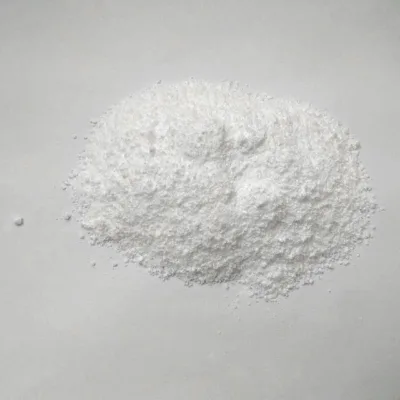
The available Nano TiO2 Powder comes in purity levels of 94% and 99%. These high-purity grades are suitable for various industrial applications including biological purposes and synthesis. The product appears as a white powder and is classified as an inorganic reagent with specific usage for technical purposes.
Which packaging options are offered for the nano TiO2 particle?
Packaging options include 100g bags, 1kg bags, 5kg bags, and 20kg paper drums. Some listings also mention 25kg bags or custom requirements. These flexible packaging solutions ensure safe transport and storage while accommodating different order quantities and industrial handling needs for the white powder product.
Can the Nano TiO2 Powder be customized for specific needs?
Yes, customization is available for the Nano TiO2 Powder and particles. Buyers can request specific models like BR05 or NR-15 to match their requirements. This flexibility allows manufacturers to tailor the product for applications in plastics, coatings, and rubber while maintaining high quality standards and specific chemical properties.
How long is the shelf life of the Nano TiO2 Powder?
The shelf life of the Nano TiO2 Powder is 24 months when stored correctly. It must be kept in a cool and dry place to maintain its quality and performance. This duration ensures the product remains stable for industrial use in plastics, paints, and other applications requiring high whiteness and hiding power.
What is the lead time for delivery of the Nano TiO2 Powder?
The delivery time for the Nano TiO2 Powder is within 10 to 15 days. This lead time applies to orders sourced from China, specifically from regions like Hebei. Buyers can expect timely shipment for various grades including industrial and food-grade options depending on the specific model and quantity ordered.
Which grades of TiO2 are available for industrial use?
Available grades include Industrial Grade, Food Grade, and Technical Grade. The product is classified as an acidic oxide and can be used in general plastics, engineering plastics, and specialty plastics. These grades ensure suitability for diverse applications ranging from biological purposes to general industrial synthesis and coating formulations.
What are the key features of the Nano TiO2 Powder?
Key features include good whiteness, high hiding power, and photodegradable properties. The powder is available in Anatase and Rutile forms with CAS number 1314-13-2. These characteristics make it ideal for use in paints, coatings, and rubber, ensuring high performance in various industrial and technical applications requiring specific optical properties.