Source Nano Tourmaline Powder for Rubber Plastic Textile
Find 30 verified listings for Nano Tourmaline Powder suitable for rubber, plastic, and textile applications. Buyers can compare specifications, prices, and customization options from multiple suppliers in China.
Key considerations
Products List


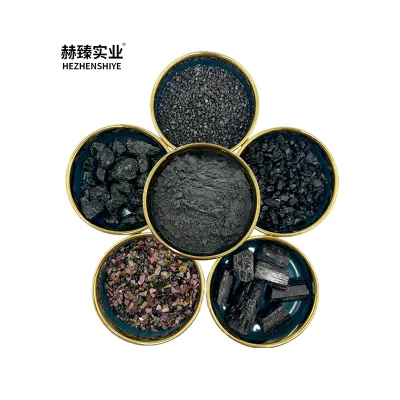
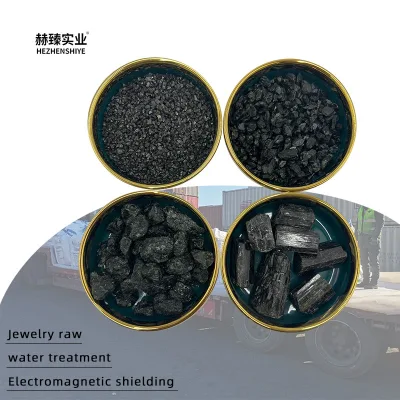
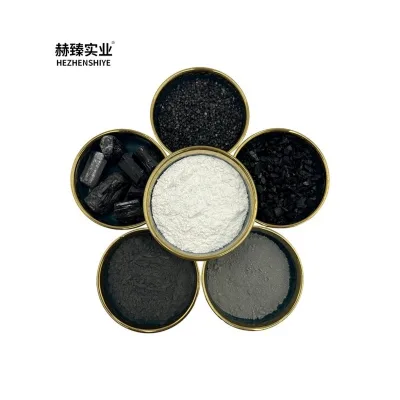
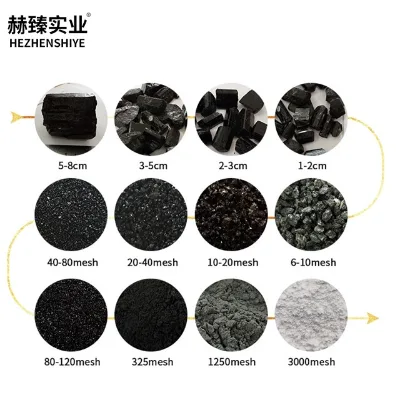
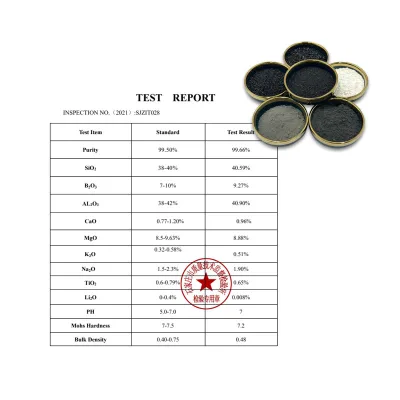
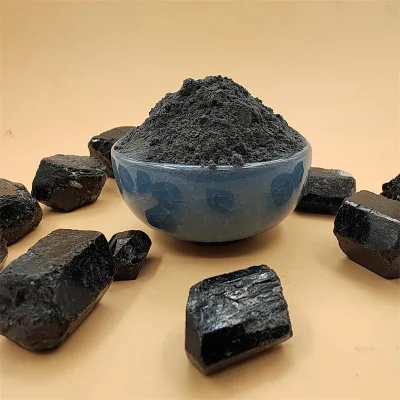
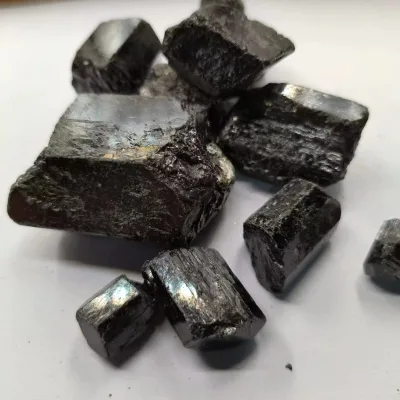
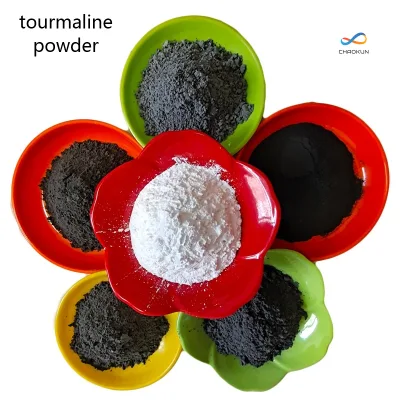
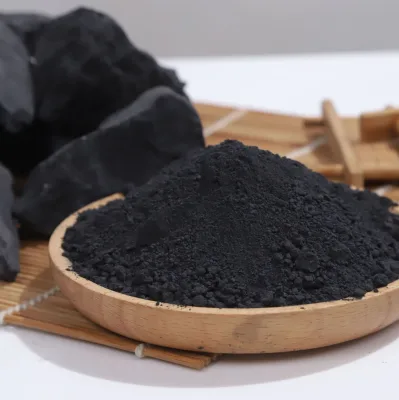
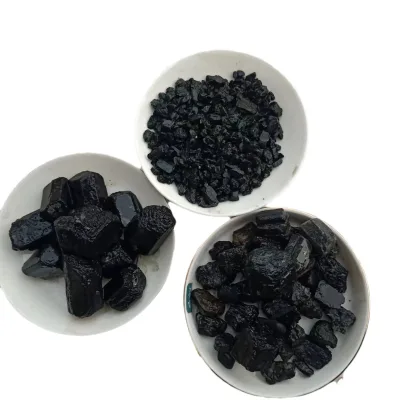
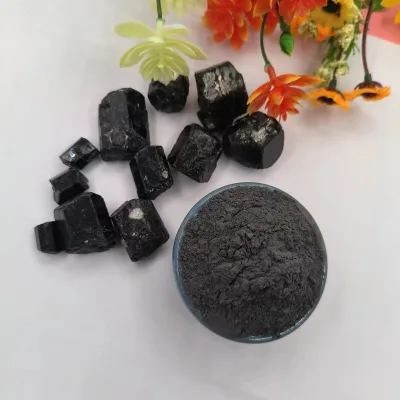
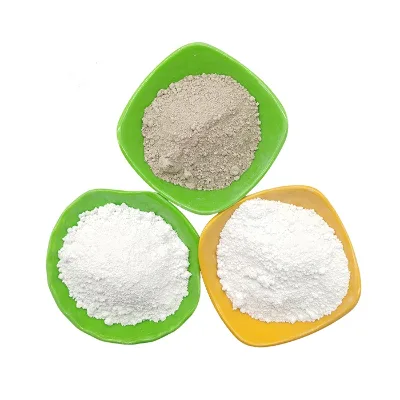
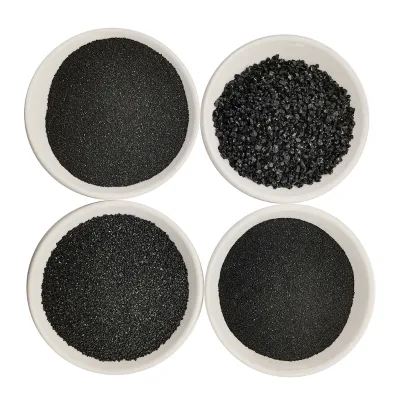
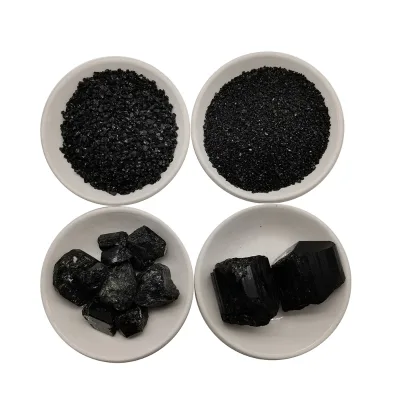
Black/White Tourmaline Ball Powder for Water Treatment Non-Metallic Mineral Product
$2.00 - $3.80
MOQ: 100 kilograms

Comprehensive Sourcing Guide
Strategic Sourcing Guide for Nano Tourmaline Powder Procurement
Navigating the global market for Nano Tourmaline Powder requires a disciplined approach that balances technical performance with supply chain reliability. As a specialized inorganic material, tourmaline powder is increasingly sought after for its unique piezoelectric properties, infrared emission capabilities, and ionization effects. However, the term "nano" in this context often refers to ultra-fine particle sizes rather than a strict nanometer-scale definition in all commercial listings. Buyers must carefully distinguish between industrial-grade powders and those marketed for high-tech applications. This guide synthesizes available market data to help procurement professionals evaluate suppliers, verify specifications, and mitigate risks when sourcing this critical raw material.
Technical Specifications and Particle Size Analysis
The primary technical differentiator for tourmaline powder is its particle size distribution, which directly influences its functional performance in various matrices. In the current market, specifications vary significantly depending on the intended application. Data indicates that products are frequently categorized by mesh size, ranging from coarse industrial grades to ultra-fine powders suitable for advanced composites.
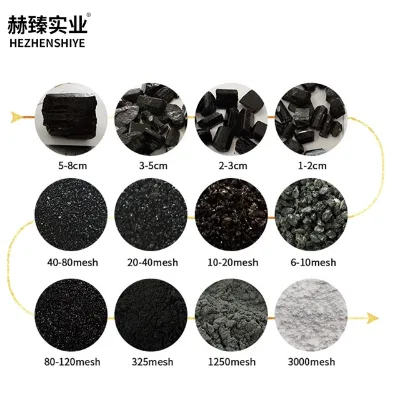
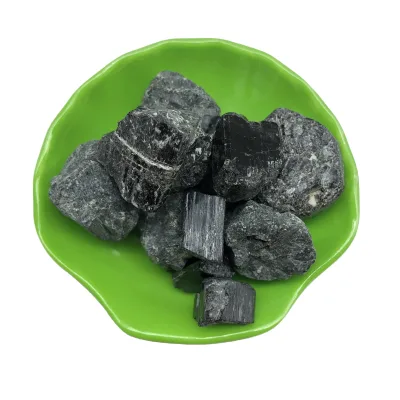
Buyers should expect to encounter a wide spectrum of mesh sizes in supplier catalogs. Commonly listed standards include 325 mesh, 1250 mesh, 2000 mesh, and 3000 mesh. Some suppliers offer a broader range extending from 200 mesh up to 3000 mesh, while others specify ultra-fine classifications. The distinction between "powder," "particle," and "crystal" shapes is also critical. While some listings describe the product as "powder," others note "particle" or "block" forms, indicating that the physical state may vary based on processing. For applications requiring high dispersion, such as in cosmetics or high-performance plastics, the finer mesh sizes (1250 mesh and above) are typically required. Conversely, applications in rubber or bulk construction materials may utilize coarser grades.
| Specification Parameter | Common Market Observations | Procurement Verification Requirement |
|---|---|---|
| Particle Size (Mesh) | 325, 1250, 2000, 3000, 200-3000 | Request specific particle size distribution (PSD) charts from the supplier. |
| Physical Form | Powder, Crystal, Particle, Block | Confirm the final form matches the processing equipment capabilities. |
| Color Variants | White, Black, Natural Color | Verify color consistency, as natural variations exist between batches. |
| Fineness | Ultra-Fine, Standard Industrial | Define "Ultra-Fine" against specific micron or mesh equivalents. |
It is essential to note that while some listings mention "nano" in marketing titles, the explicit technical standard provided in many catalogs is mesh-based. Buyers must verify if the "nano" designation is supported by independent particle size analysis or if it is a marketing term for ultra-fine grinding. The presence of "Industrial Grade" is a standard classification, but for high-value applications, a higher purity grade may be necessary.
Compliance, Certification, and Regulatory Standards
Regulatory compliance is a non-negotiable aspect of sourcing tourmaline powder, particularly for applications in cosmetics, food-grade plastics, or medical devices. The market data highlights specific certifications that serve as indicators of a supplier's adherence to international standards. The most frequently observed certifications include REACH and ISO.
REACH (Registration, Evaluation, Authorisation and Restriction of Chemicals) compliance is critical for any supplier exporting to the European Union. This certification ensures that the chemical substances within the tourmaline powder have been evaluated for safety and that any potential risks are managed. Similarly, ISO certification indicates that the manufacturer operates under a certified quality management system, which is vital for maintaining consistent product quality across large production runs.
When evaluating potential suppliers, buyers should not rely solely on the presence of a certification logo on a product page. Instead, procurement teams must request valid, up-to-date certificates that explicitly cover the specific product model and batch. For instance, a supplier may hold an ISO certificate for their general facility but not for the specific grinding process used to produce the 3000 mesh tourmaline powder. Additionally, environmental protection attributes are often listed as "Yes," suggesting that the production process adheres to eco-friendly standards, but this should be corroborated with specific environmental management system (EMS) documentation.
Cost Drivers and Pricing Dynamics
The pricing of tourmaline powder is influenced by a complex interplay of factors, including particle size, purity, packaging, and order volume. The observed market price range is extensive, spanning from $0.60 to $2800.00 per unit. This vast disparity is not necessarily indicative of quality differences alone but reflects the diversity of product forms and order quantities.
The most significant cost driver is the mesh size. Producing ultra-fine powders (e.g., 3000 mesh) requires significantly more energy, specialized grinding equipment, and longer processing times compared to coarser grades (e.g., 325 mesh). Consequently, the price per kilogram for nano-grade or ultra-fine tourmaline will be substantially higher than standard industrial grades.
Order volume also plays a pivotal role in pricing. The market shows a wide range of Minimum Order Quantities (MOQ), from as low as 1 kg to as high as 1 ton. Suppliers offering low MOQs often charge a premium to cover the logistics and handling costs associated with small batches. Conversely, bulk orders of 1 ton or more typically benefit from economies of scale, resulting in a lower unit price. Packaging requirements further influence costs; while standard options include 25 kg/bag, 50 kg/bag, and 1000 kg/bag, custom packaging solutions may incur additional fees. Buyers must balance the need for flexibility with the cost benefits of bulk purchasing to optimize their total cost of ownership.
Typical Applications and Functional Attributes
Tourmaline powder is a versatile material with applications spanning multiple industries, driven by its unique functional properties. The primary attributes observed in the market include flame resistance, heat resistance, high adsorption ability, and its role as an energy stone material. These properties make it suitable for a diverse range of end-use scenarios.
In the rubber and plastic industries, tourmaline powder is utilized to enhance material performance. Its flame and heat resistance properties are particularly valuable for applications requiring fire safety, such as automotive components or industrial cabling. The material's ability to function as an energy stone suggests potential applications in products designed to emit negative ions or infrared radiation, which are marketed for health and wellness benefits.
The cosmetic industry represents another significant application sector. The "Natural Color" and "White" variants of the powder are often used in skincare products, where the fine particle size ensures smooth application and absorption. The "High Adsorption Ability" of the material makes it effective in detoxifying formulations. Furthermore, the chemical and textile sectors utilize tourmaline powder for its functional additives, potentially improving the breathability or thermal regulation of fabrics.
| Application Sector | Key Functional Attributes | Typical Product Form |
|---|---|---|
| Rubber & Plastics | Flame Resistance, Heat Resistance | Powder, Particle |
| Cosmetics | High Adsorption, Natural Color | Ultra-Fine Powder |
| Textiles | Energy Stone Material, Ionization | Powder, Crystal |
| Chemical | Adsorption, Catalyst Support | Powder, Block |
Supplier Evaluation and Geographic Considerations
When evaluating potential suppliers, geographic origin and production capabilities are critical factors. The majority of tourmaline powder suppliers in the current market are located in Hebei, China. This region is known for its mineral processing industry, offering a robust supply chain for raw materials. However, the concentration of suppliers in a specific region can also introduce risks related to logistics and geopolitical stability.
Buyers should assess the supplier's production capacity and customization capabilities. Many suppliers offer customization services, allowing for tailored particle sizes, colors, and packaging. This flexibility is a strong indicator of a mature manufacturing process. However, buyers must verify that the customization does not compromise the material's core properties.
Lead times are another critical evaluation metric. Standard delivery times observed in the market range from 7 to 15 days. This relatively short lead time suggests efficient logistics, but buyers should confirm if this applies to both standard and customized orders. Payment terms, such as T/T (Telegraphic Transfer), are common, but the specific terms (e.g., deposit percentage, balance upon shipment) should be negotiated based on the order value and relationship history.
Quality Control and Long-Term Procurement Strategy
Establishing a robust quality control (QC) protocol is essential for ensuring the consistency of tourmaline powder over time. Given the natural variations in mineral composition, buyers must implement rigorous incoming inspection procedures. Key QC checkpoints include verifying the mesh size distribution, color consistency, and purity levels against the agreed-upon specifications.
Long-term procurement strategies should focus on building strong relationships with suppliers who demonstrate transparency and reliability. This includes regular audits of the manufacturing facility, review of quality certificates, and feedback loops for continuous improvement. Buyers should also consider the environmental impact of their sourcing decisions, given the "Environmental Protection: Yes" attribute often associated with these products.
To mitigate supply chain risks, it is advisable to maintain a diversified supplier base rather than relying on a single source. This approach ensures continuity of supply in the event of production disruptions or logistical delays. Additionally, buyers should stay informed about changes in international regulations regarding mineral processing and chemical safety to ensure ongoing compliance.
In conclusion, sourcing Nano Tourmaline Powder requires a meticulous approach that prioritizes technical verification, regulatory compliance, and strategic supplier management. By understanding the nuances of particle size, certification requirements, and cost drivers, buyers can make informed decisions that align with their specific application needs and long-term business goals. The market offers a wide array of options, but success lies in the ability to discern quality and reliability amidst the vast array of available products.
FAQs
What certifications are available for Nano Tourmaline Powder?
Products are available with REACH and ISO certifications. Buyers should verify that specific certificates cover the required product model and batch to ensure compliance with international safety and quality management standards.
How is the particle size specified for tourmaline powder?
Specifications are commonly listed in mesh sizes ranging from 325 to 3000 mesh. Ultra-fine grades are available, but buyers must confirm the exact particle size distribution chart to match their processing equipment requirements.
Can I customize the packaging and color of the powder?
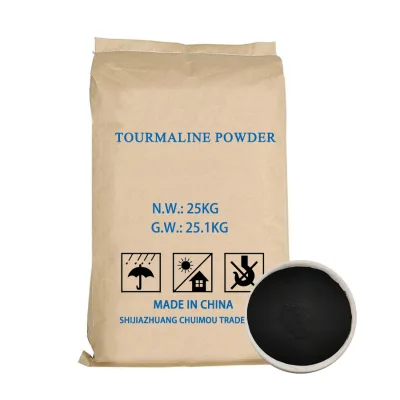
Customization is available for packaging and color options including white, black, and natural color. Standard packing includes 25kg, 50kg, or 1000kg bags, but specific custom requests should be confirmed with the supplier.
What is the typical lead time for delivery?
The standard delivery time is 7 to 15 days from the order date. This timeframe applies to most standard orders, though customized specifications or large bulk quantities may require verification of the exact schedule.
Which applications are suitable for this tourmaline powder?
The powder is suitable for rubber, plastic, textile, chemical, and cosmetic applications. Its functions include flame resistance, heat resistance, and high adsorption ability, making it versatile for industrial and consumer product formulations.
What is the minimum order quantity for purchase?
Minimum order quantities vary from 1 kilogram to 1 ton depending on the supplier and product model. Lower MOQs are available for smaller batches, while bulk orders of 1 ton often benefit from different pricing structures.