Source Narrow Edge Alloy Ultrabook Laptop for Office Work
Compare 30 Narrow Edge Alloy Ultrabook Laptop options featuring Intel processors, 13-15 inch screens, and Windows OS. These devices support fingerprint security and Bluetooth connectivity, ideal for office applications and daily business tasks; compare the available evidence and request quotations based on your requirements.
Key considerations
Products List


Intel I5 5200u Notebook Ultra Thin Laptop with 4G RAM 128g SSD Nootebook Computer
$210.00 - $230.00
MOQ: 1 Pieces

15.6inch Intel I7 4500u Notebook Super Slim, Narrow Bezzel, High Quality Laptop (16G 512G)
$205.00 - $300.00
MOQ: 1 Pieces


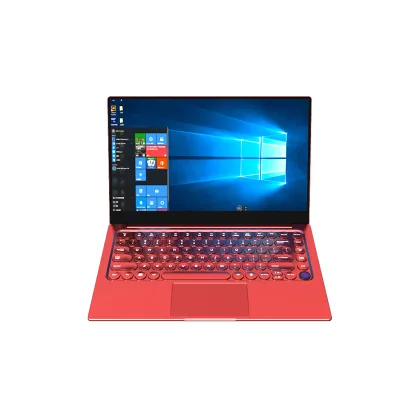


Wholesale Ultra-Thin Computer Notebook 15.6 Inch for I7 Notebook Computer Laptops for Students
$429.00 - $459.00
MOQ: 1 Pieces


14 Inch Intel Quad Core Laptop Ultrathin Notebook Computer RAM 6GB Storage256GB
$106.00 - $114.00
MOQ: 2 Pieces

15-Inch Narrow Frame Design Laptop with Win10/ Win11 System 8GB/16GB+256GB/512GB/1tb Notebook PC
$121.00 - $249.00
MOQ: 100 Pieces


Comprehensive Sourcing Guide
Narrow Edge Alloy Ultrabook Laptop Sourcing Guide
Procuring narrow edge alloy ultrabook laptops requires a strategic balance between aesthetic minimalism and structural integrity, particularly when sourcing from manufacturers in regions like Guangdong, China. Buyers must navigate a market where specifications vary significantly, with observed listings indicating screen sizes ranging from 13 to 15 inches and resolutions typically fixed at 1920x1080. The presence of Intel processors, including Core i7 and Celeron variants, suggests a tiered approach to performance, where the choice of CPU directly impacts the device's suitability for office applications versus more demanding multitasking environments.
The physical construction of these devices often involves alloy materials to achieve weights between 1.2 and 2.0 kilograms, a critical factor for mobile professionals. Sourcing teams should verify whether the "narrow edge" design correlates with specific chassis dimensions, as observed standard sizes like 310.5x308.5x17.00mm indicate compact form factors. Additionally, the availability of customization options allows buyers to tailor features such as fingerprint sensors or built-in Bluetooth modules, ensuring the final product aligns with specific corporate security and connectivity requirements without compromising the sleek, modern aesthetic.
Product Scope and Observed Listing Signals
The current market landscape for these ultrabooks reveals a diverse array of models, including identifiers such as Y0303-13, TX2003, and J10070, which helps in tracking specific supply chain batches. Listings frequently highlight the inclusion of Windows operating systems and LCD display types, confirming their readiness for immediate deployment in standard enterprise environments. The observed price range of 13.1 to 1085 USD indicates a broad spectrum of quality and specification tiers, necessitating careful evaluation of what each price point entails regarding build quality and component longevity.
Buyers should note the variation in storage and memory configurations, with RAM capacities listed as 8GB or 16GB and hard disk options ranging from 500GB to 1TB or higher. This variability suggests that suppliers offer modular configurations, allowing for cost-effective sourcing of basic units while providing upgrade paths for power users. The presence of both integrated graphics and specific processor brands like Intel further diversifies the scope, enabling procurement teams to match hardware capabilities precisely to the computational needs of their workforce, whether for light office tasks or more intensive data processing.
Technical Specifications to Verify
When evaluating technical specifications, the processor type is a primary determinant of performance, with options spanning from Intel Celeron for entry-level tasks to Core i7 for high-performance needs. Buyers must verify the actual RAM capacity, as some listings mention iRAM capacity of 4GB or more, while others specify 8GB or 16GB, which directly affects multitasking efficiency. It is crucial to confirm whether the device includes a built-in 3G module or relies solely on built-in WiFi, as this distinction impacts connectivity options for remote or mobile office setups.
Display characteristics also require close scrutiny, with screen sizes typically available in 13, 14, or 15-inch formats and resolutions standardized at 1920x1080. The aspect ratio is often listed as 4:3 or widescreen, which influences usability for different types of content. Additionally, features like Mira Cast support and fingerprint authentication add layers of functionality and security. Procurement teams should validate these specifications against the actual product samples to ensure that the advertised features, such as quad-core processing or specific weight classes, are accurately represented in the final delivered units.
Compliance and Safety Documentation
Ensuring that ultrabook laptops meet international safety and electromagnetic compatibility standards is essential for global deployment. Buyers should request documentation confirming adherence to relevant electrical safety regulations, particularly given the origin of many units in China. While specific certification statuses may vary by supplier, it is imperative to verify that the devices comply with the safety requirements of the destination market, including plug types and voltage compatibility. This due diligence prevents potential legal liabilities and ensures that the hardware can be legally imported and used without restriction.
Furthermore, environmental compliance is increasingly important in B2B procurement, with many manufacturers now adhering to RoHS and REACH standards to limit hazardous substances. Buyers should inquire about the environmental impact of the alloy materials used in the chassis and the recyclability of the components. Confirming that the packaging, often described as carton boxes or standard boxes, meets sustainability goals can also be a value-add for corporate social responsibility initiatives. Verifying these compliance documents early in the sourcing process helps mitigate risks associated with regulatory non-compliance and enhances the brand reputation of the end-user organization.
Cost Drivers and Commercial Terms
The cost of narrow edge alloy ultrabooks is influenced by several key factors, including the processor tier, memory configuration, and storage capacity. Higher-end models with Core i7 processors and larger RAM capacities will naturally command higher prices, while entry-level Celeron-based units offer a more budget-friendly option. The minimum order quantity (MOQ) ranges from 1 to 1000 units, providing flexibility for both small-scale trials and large-volume deployments. Buyers should negotiate terms that align with their inventory management strategies, considering the trade-offs between bulk discounts and storage costs.
Warranty terms are another critical commercial consideration, with many suppliers offering a one-year warranty as a standard baseline. It is advisable to clarify the scope of this warranty, including coverage for parts and labor, and to understand the process for claiming repairs or replacements. Additionally, the lead time for production and delivery should be explicitly agreed upon to ensure timely deployment. Customization services, such as branding or specific software pre-installation, may incur additional costs, so these should be factored into the total cost of ownership calculation during the procurement planning phase.
Supplier Qualification and Quality Control
Selecting a reliable supplier involves rigorous qualification processes, including verification of their manufacturing capabilities and quality control systems. Buyers should assess the supplier's ability to maintain consistent build quality across batches, particularly given the variations in observed models and specifications. Requesting samples for thorough testing is a crucial step to validate performance, durability, and aesthetic quality before committing to larger orders. This hands-on evaluation helps identify any discrepancies between advertised specifications and actual product performance.
Quality control measures should also extend to the packaging and shipping processes, ensuring that devices arrive in pristine condition. The use of sturdy carton boxes or specialized packaging can mitigate the risk of damage during transit. Buyers should inquire about the supplier's defect rate and their procedures for handling non-conforming products. Establishing clear communication channels and defining quality acceptance criteria in the contract helps ensure that the supplier remains accountable for delivering products that meet the agreed-upon standards, reducing the risk of supply chain disruptions.
Long-Term Procurement Checks
Long-term procurement success depends on establishing a sustainable relationship with suppliers who can support ongoing needs and potential future upgrades. Buyers should monitor the supplier's ability to provide consistent supply, especially for popular models like the X13 or Des-X13, which may have high demand. Regular performance reviews, including assessments of delivery times, product quality, and customer support responsiveness, help maintain high standards and identify areas for improvement. This proactive approach ensures that the procurement process remains efficient and cost-effective over time.
Additionally, staying informed about technological advancements and market trends is essential for making informed purchasing decisions. As new processors and display technologies emerge, buyers should evaluate whether upgrading to newer models offers significant benefits in terms of performance or energy efficiency. Maintaining a flexible procurement strategy allows organizations to adapt to changing business needs and technological landscapes. By fostering strong supplier relationships and continuously evaluating product offerings, buyers can ensure that their ultrabook investments continue to deliver value and support their operational goals in the long run.
FAQs
What processor brands are available for these laptops?
Intel processors are available for these laptops, including Core i7 and Celeron models. Some units feature quad-core configurations with integrated graphics cards. Memory capacity options range from 8GB to 16GB, ensuring sufficient performance for office applications and general computing tasks.
Can I customize the specifications of these ultrabooks?
Yes, customization is available for these ultrabooks to meet specific business requirements. Buyers can select from various screen sizes like 13, 14, or 15 inches. Options also include different RAM capacities and storage solutions such as 500GB hard disks or larger SSDs for enhanced data management.
Which screen resolutions are supported by these models?
These models support a 1920 by 1080 resolution on widescreen displays. Some units feature a 4:3 display ratio while others offer standard widescreen formats. The screens are LCD type, providing clear visibility for office work and multimedia consumption across various operating systems.
How much do these laptops weigh?
The weight of these laptops varies between 1.2 and 2.0 kilograms depending on the specific model. Some heavier units exceed 2.0 kilograms, while lighter versions are designed for portability. This range ensures options for both stationary office setups and mobile professionals requiring easy transport.
What operating systems run on these devices?
Windows operating systems run on these devices, ensuring compatibility with standard business software. The laptops come with built-in Bluetooth and WiFi capabilities for seamless connectivity. They are designed as new products with a one-year warranty to support reliable daily operations in various environments.
Are fingerprint sensors included in these laptops?
Fingerprint sensors are available on some models but not all units include this feature. Buyers can choose between versions with or without fingerprint security. This flexibility allows organizations to select the appropriate security level based on their specific data protection requirements and budget constraints.
What is the warranty period for these products?
These products come with a one-year warranty period to ensure customer satisfaction. The warranty covers manufacturing defects and ensures reliability for business users. All units are listed as new products, providing peace of mind regarding performance and durability during the initial usage phase.