Source Natural Bovine Lactoferrin for food supplements and health drinks
Find 30 verified listings for Natural Bovine Lactoferrin powder suitable for food additives and health products. Compare specifications, prices, and MOQs from suppliers in Shaanxi to identify the best options for your sourcing needs.
Key considerations
Products List
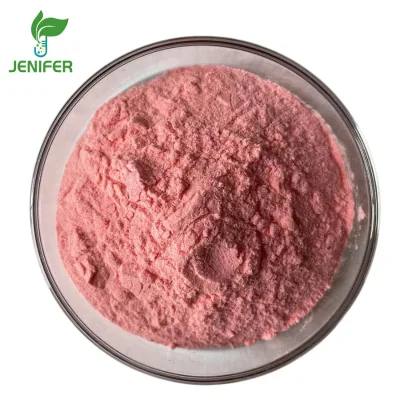
Bovine Lactoferrin Powder Lactoferrin Immune Defense Support Supplement Lactoferrin
$100.00 - $198.00
MOQ: 1 Minimum
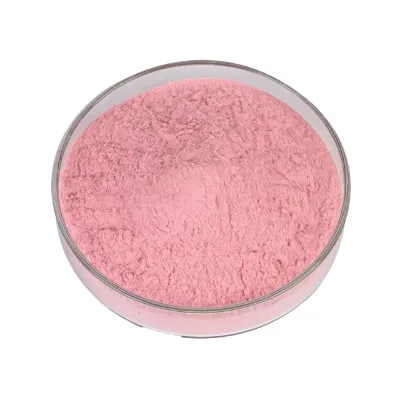



Health Care CAS 112163-33-4 Lactoferrin Powder Nutrition Bovine Lactoferrin
$180.00 - $350.00
MOQ: 1 kilograms





Comprehensive Sourcing Guide
Strategic Sourcing Guide for Natural Bovine Lactoferrin
Understanding Product Specifications and Physical Attributes
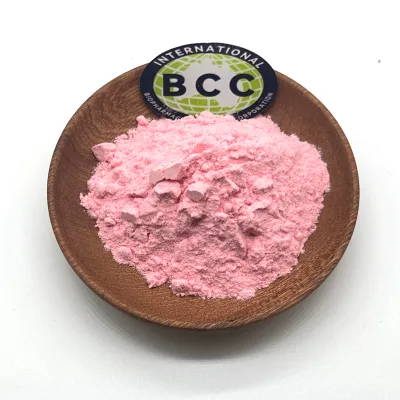
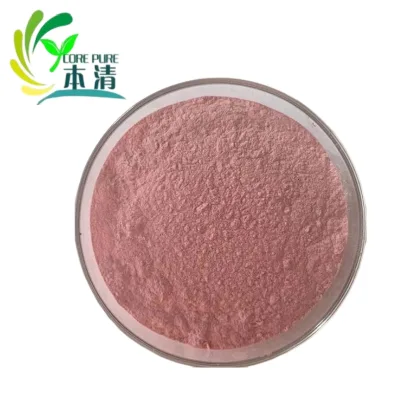
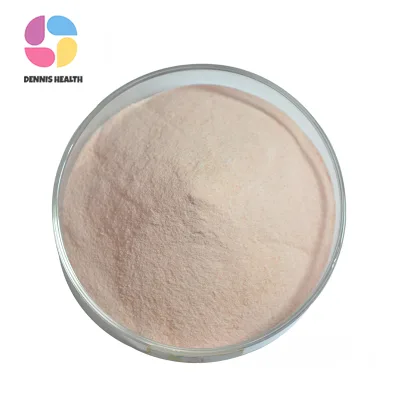
When initiating a procurement strategy for Natural Bovine Lactoferrin, the first critical step involves defining the precise technical specifications required for your application. The market offers this bioactive protein in various forms, but the most common and versatile format for industrial and commercial use is the powder form. Buyers must verify that the product matches the expected physical characteristics, specifically noting that high-quality lactoferrin typically presents as a pink powder. This distinct coloration is a natural indicator of the protein's iron-binding capacity and purity, distinguishing it from other protein isolates that may appear white or off-white.
The purity of the substance is a primary differentiator in this category. While general market expectations often hover around 98% to 99% purity, specific product listings may claim values such as greater than 99% or active substance content exceeding 90%. It is imperative for the buyer to treat these figures as specific observations of individual batches or suppliers rather than universal guarantees. The standard specification for high-grade lactoferrin often references a purity of 98% or higher, with some premium grades claiming 99%. The molecular identity is confirmed by the CAS number 112163-33-4, which serves as the unique chemical fingerprint for this compound. When evaluating potential suppliers, the buyer should request a Certificate of Analysis (CoA) that explicitly lists the CAS number and the specific purity percentage achieved through the supplier's internal testing methods, such as High-Performance Liquid Chromatography (HPLC).
The form of the product also dictates the logistics of handling and storage. As a solid-state powder, lactoferrin requires specific packaging to maintain stability. The standard packaging often involves drums or plastic containers, with individual unit weights ranging from 1kg bags to 25kg drums. The single package size for smaller units is often standardized around 20x30x6 cm, while bulk shipments utilize larger drums. Buyers must ensure that the packaging material is compatible with the product's hygroscopic nature; metal or high-density plastic containers are frequently cited as suitable materials to prevent moisture ingress. The shelf life is a critical parameter, typically observed to be around 2 years when stored correctly, though some specifications may list a minimum of 12 months. This duration is contingent upon maintaining the product in a cool, dry place, away from direct sunlight and humidity.
Compliance, Certification, and Regulatory Alignment
Navigating the regulatory landscape for food additives and nutrition enhancers requires rigorous verification of supplier certifications. In the context of Natural Bovine Lactoferrin, the product is classified under food additives and nutrition enhancers, meaning it must adhere to strict safety and quality standards. The most prevalent certification observed in this sector is ISO GMP (Good Manufacturing Practice). This certification indicates that the manufacturing facility adheres to international standards for quality management and hygiene, which is essential for products intended for human consumption. Buyers should not assume that all listed suppliers possess this certification; it must be explicitly verified through current documentation.
The grade of the product is another critical compliance factor. The market standard for this application is "Food Grade," which distinguishes the material from industrial or pharmaceutical grades that may have different impurity profiles or testing requirements. The product's intended application is broadly categorized as food, health food, and food additives. This classification implies that the raw material must be free from contaminants that could pose a health risk. The extraction method used also plays a role in compliance. Solvent extraction is a noted method in the industry, but buyers must ensure that the solvents used are food-grade and that any residual solvents are within acceptable limits defined by local regulations.
Furthermore, the origin of the product is a significant factor in regulatory acceptance. The place of origin for many high-volume lactoferrin supplies is identified as Shaanxi, China. While this region is a known hub for herbal extracts and food additives, buyers should verify that the specific facility meets the import requirements of their destination country. The product is often described as being derived from artificial planting or cultivation methods, though in the case of bovine lactoferrin, this terminology may refer to the processing of milk or serum from cattle raised under controlled conditions. Buyers must ensure that the "natural" claim is supported by the source of the raw material and that the processing does not introduce non-natural additives. The "Part" of the source is sometimes listed as "Leaf" in general herbal contexts, but for bovine lactoferrin, the source is biologically distinct. Therefore, buyers must clarify the biological source to ensure the "bovine" designation is accurate and not a misclassification of a plant-based extract.
Cost Drivers and Pricing Dynamics
The pricing structure for Natural Bovine Lactoferrin is influenced by several variables, including purity, packaging, and order volume. The observed price range in the market is extensive, spanning from $0.68 to $1800 USD. This wide disparity is not indicative of a single product but rather reflects differences in concentration, purity levels, packaging formats, and the scale of the transaction. The lower end of the spectrum likely corresponds to bulk industrial grades or smaller sample quantities, while the higher end may reflect premium, high-purity grades with specialized packaging or smaller unit sizes.
The Minimum Order Quantity (MOQ) is a significant driver of unit cost. Suppliers may offer MOQs ranging from 1 gram to 1000 kilograms. A lower MOQ, such as 1g or 1kg, allows for smaller trial orders but often results in a higher price per kilogram due to the fixed costs of packaging and handling. Conversely, bulk orders of 25kg drums or larger quantities can significantly reduce the per-unit cost. Buyers should note that some suppliers list an MOQ of 1kg, while others may have a minimum of 1g for samples. The "Selling Units" are typically single items, meaning the price is calculated per unit of the specified weight.
Payment terms also impact the effective cost of procurement. Common payment methods include PayPal, Western Union, Telegraphic Transfer (TT), and Trade Assurance. Trade Assurance offers a layer of security for the buyer, potentially reducing the risk of non-delivery or quality disputes, which can be factored into the overall cost-benefit analysis. The "Free Sample" availability is another cost factor; while samples are often provided at no charge, the shipping costs may be borne by the buyer. Buyers should clarify whether the sample is truly free of all costs or if it is a "free product" with paid logistics.
Typical Applications and Usage Scenarios
Natural Bovine Lactoferrin is a versatile ingredient with applications spanning multiple sectors, primarily in the food and health food industries. Its classification as a "Nutrition Enhancer" underscores its role in fortifying products with essential nutrients. The primary application is as a food additive, where it is used to boost the nutritional profile of various consumables. This includes dietary supplements, functional foods, and beverages designed to support immune health and iron absorption.
The product is suitable for adults, making it a key ingredient in formulations targeting adult health maintenance. The "Season" attribute of "All Seasons" indicates that the product is stable and effective regardless of the time of year, making it suitable for year-round production cycles. The extraction type, specifically solvent extraction, allows for the isolation of the active protein from raw materials, ensuring a consistent concentration of the bioactive compound.
In the context of health food, lactoferrin is valued for its potential to support the immune system and improve iron bioavailability. The "Content" of the product is often marketed as "wholesale lactoferrin," suggesting its use in large-scale manufacturing of health supplements. The "Brand Name" associated with the product, such as GRHERB, indicates that while the ingredient is generic, the specific batch may be branded for quality assurance. The "Customized" status of "Non-Customized" suggests that the product is generally available in standard specifications rather than being tailored to specific client requirements, though buyers should verify if custom blending or packaging is an option.
Supplier Evaluation and Sourcing Strategy
Evaluating suppliers for Natural Bovine Lactoferrin requires a multi-faceted approach that goes beyond price comparison. The manufacturer, identified as Jenifer Biotech in some listings, represents a specific entity in the supply chain, but buyers should not limit their search to a single name. Instead, the focus should be on verifying the capabilities of the supplier to meet the specific technical and compliance requirements of the buyer. The address and place of origin, often listed as Shaanxi, China, provide a geographical context that can influence logistics and lead times.
When evaluating a supplier, the buyer should request detailed documentation regarding the "Test Method" used to verify purity. HPLC is a standard and reliable method for this analysis, and the supplier should be able to provide a CoA generated using this technique. The "Model Number" or "Product Model" (e.g., lactoferrin, 0005) serves as an internal identifier for the supplier, and buyers should ensure that the model number corresponds to the exact specifications they require. The "Single Gross Weight" of 1.200 kg for a 1kg bag indicates the weight of the packaging material, which is crucial for calculating shipping costs and freight charges.
The "Storage Method" and "Storage Type" are also indicators of the supplier's professionalism. A supplier that recommends storage in a "Cool Dry Place" or "Normal" conditions demonstrates an understanding of the product's stability requirements. The "Packaging" options, such as drums or plastic containers, should be evaluated for their ability to protect the product during transit. The "Packaging Material" being metal or plastic should be verified for its barrier properties against moisture and oxygen.
Quality Control and Long-Term Procurement Considerations
Maintaining consistent quality over the long term is essential for successful procurement of Natural Bovine Lactoferrin. The "Shelf Life" of 2 years or >12 months is a critical parameter that must be managed through proper inventory rotation. Buyers should implement a First-In, First-Out (FIFO) system to ensure that older stock is used before newer shipments, preventing degradation of the product. The "Storage Method" of a cool, dry place must be strictly adhered to by the buyer's own storage facilities to maintain the product's integrity.
Quality control should extend beyond the initial purchase. Regular testing of incoming batches is recommended to verify that the "Purity" remains above the agreed threshold, such as >99% or 98%. The "Test Method" should be consistent across batches to ensure comparability of results. The "Standard" for the product, such as "Lactoferrin 99%" or "fiber can," should be clearly defined in the purchase agreement to avoid ambiguity.
Long-term procurement also involves managing the relationship with the supplier. The "Payment" terms, including Trade Assurance, can be leveraged to build trust and ensure accountability. The "Free Sample" availability allows for initial quality verification before committing to large orders. The "Customized" status of "Non-Customized" suggests that the supplier may not offer extensive flexibility, so buyers should plan their requirements carefully to match the available specifications. The "Part" of the source, often listed as "Leaf" in general contexts, must be clarified to ensure the bovine origin is accurate, as this affects the regulatory compliance and consumer perception of the product.
In conclusion, sourcing Natural Bovine Lactoferrin requires a meticulous approach that balances technical specifications, regulatory compliance, cost efficiency, and quality assurance. By focusing on the verified attributes provided in the market data, such as the CAS number, purity levels, and packaging standards, buyers can make informed decisions that align with their operational needs and quality standards. The extensive range of prices and MOQs offers flexibility, but the buyer must navigate these options with a clear understanding of the product's specific requirements and the supplier's capabilities.
FAQs
What is the purity level of Natural Bovine Lactoferrin?
The product typically offers a purity of 98% to over 99%. Specific batches may claim active substance content exceeding 90%, verified through HPLC testing methods.
How should Natural Bovine Lactoferrin be stored?
Store the powder in a cool, dry place to maintain stability. The shelf life is generally two years when kept away from humidity and direct sunlight.
Can I get a free sample of Natural Bovine Lactoferrin?
Free samples are available for potential buyers to evaluate quality. However, shipping costs for these samples may need to be covered by the requester.
Which certifications do Natural Bovine Lactoferrin suppliers hold?
Suppliers often hold ISO GMP certification for manufacturing quality. This ensures the product meets international hygiene and safety standards for food additives.
What is the minimum order quantity for Natural Bovine Lactoferrin?
Minimum order quantities range from 1 gram for samples up to 1000 kilograms for bulk. Standard bulk orders often start at 1 kilogram per unit.
How is Natural Bovine Lactoferrin packaged for shipment?
It is commonly packed in 1kg bags or 25kg drums made of metal or plastic. Packaging dimensions for single units are typically around 20x30x6 cm.
What is the appearance of Natural Bovine Lactoferrin powder?
The powder appears as a distinct pink color due to its iron-binding capacity. This physical attribute helps distinguish it from other protein isolates.
Where is Natural Bovine Lactoferrin manufactured?
Production often originates from Shaanxi, China, a known hub for herbal extracts. The manufacturer address is listed within this specific region.