Source Natural Beta Carotene Powder for food, supplements, and cosmetics
Find 30 verified listings for Natural Beta Carotene Powder suitable for food coloring, dietary supplements, and cosmetic formulations. Compare specifications, pricing, and supplier details to identify the best fit for your procurement needs.
Key considerations
Products List




Comprehensive Sourcing Guide
Strategic Sourcing Guide for Natural Beta Carotene Powder
Understanding Product Specifications and Physical Attributes
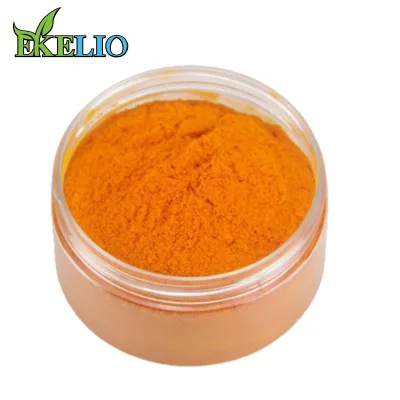
When sourcing Natural Beta Carotene Powder, the primary objective is to align technical specifications with end-product requirements. The market offers a range of physical forms, but the dominant specification for industrial applications is a fine powder. Buyers must verify the color profile, as natural beta carotene typically presents in shades ranging from yellow to orange-yellow. This visual characteristic is critical for food and beverage applications where color consistency is a key quality indicator. The product is generally classified as a pigment, specifically a natural colorant derived from plant sources, which distinguishes it from synthetic alternatives.
The chemical identity of the product is defined by its CAS number, 106441-42-3, which serves as a unique identifier for regulatory compliance and inventory management. In terms of concentration, specifications vary significantly across suppliers. Some listings indicate a purity standard of 99%, while others may offer formulations with a 10% concentration. This variance necessitates a clear definition of the required potency before initiating a procurement process. The extraction method is another vital technical parameter; solvent extraction is a common technique used to isolate the pigment, and buyers should confirm the specific solvents used to ensure they align with their final product's regulatory status, particularly for organic or clean-label claims.
The physical form is consistently described as powder, though packaging variations exist. The product is often supplied in bags or drums, with specific configurations including 1kg bags, 5kg bags, or 25kg drums. The packaging material is frequently a laminated material or aluminum foil bag designed to protect the pigment from light and moisture, which can degrade the compound. For smaller orders or quality verification, sample sizes of 5-10g are typically available, and in some cases, free samples may be offered to facilitate testing. The shelf life of the product is generally stated to be greater than 12 months when stored correctly, though this is contingent upon maintaining the recommended storage conditions.
Compliance Framework and Certification Verification
Navigating the regulatory landscape is essential for importing Natural Beta Carotene Powder, particularly given its use in food, pharmaceutical, and cosmetic sectors. The supply chain must demonstrate adherence to international quality management systems. High-confidence data indicates that suppliers often hold HACCP (Hazard Analysis and Critical Control Points) and ISO certifications. These certifications are foundational for ensuring that the production process minimizes biological, chemical, and physical hazards. Additionally, FDA registration is frequently cited as a requirement for products intended for the North American market, ensuring that the manufacturing facility meets United States Food and Drug Administration standards.
Documentation is a critical component of compliance. Buyers should request a Certificate of Analysis (COA) and a Material Safety Data Sheet (MSDS) for every batch purchased. The COA provides specific test results for the batch, including potency, color value, and the absence of contaminants. The MSDS outlines the safety precautions required for handling, storage, and transportation. The standard test method for verifying the concentration and purity of beta carotene is High-Performance Liquid Chromatography (HPLC). This analytical method is the industry benchmark for quantifying the specific isomers of beta carotene, ensuring that the product meets the declared standard, whether it is 10% or 99%.
It is important to distinguish between general corporate certifications and product-specific standards. While some background information may reference ISO 9001 or ISO 22000, the primary focus for procurement should be on the specific certifications listed in the product documentation, such as HACCP and FDA. Buyers must verify that the certifications are current and issued by accredited bodies. Furthermore, the product grade is typically specified as Food Grade, which is a prerequisite for most applications. However, for specific uses, such as in dietary supplements or cosmetics, additional grade specifications may apply, and these must be explicitly confirmed with the supplier.
Cost Drivers and Pricing Dynamics
The pricing of Natural Beta Carotene Powder is influenced by a complex interplay of factors, including raw material availability, extraction complexity, and market demand. The observed price range in the market is substantial, spanning from $1 to $2,280 per unit, reflecting the diversity in concentration, packaging, and order volume. This wide variance indicates that a simple price-per-kilogram comparison is insufficient without understanding the underlying value proposition. The concentration of the active ingredient is a primary driver; a 99% pure powder will command a significantly higher price than a 10% diluted formulation.
Order volume plays a decisive role in cost optimization. The Minimum Order Quantity (MOQ) varies, with some suppliers requiring as little as 1kg, while others may set the threshold at 1000kg. Buyers with smaller volume requirements may face higher unit costs due to the fixed costs associated with packaging and logistics. Conversely, bulk purchasers can leverage economies of scale to reduce the per-unit price. The packaging format also impacts cost; specialized packaging such as vacuum-sealed drums or aluminum foil bags may incur additional charges compared to standard plastic bags.
Logistics and shipping methods introduce another layer of cost variability. The product can be shipped via express, air, or sea freight. Express shipping offers the fastest delivery, typically within 5-7 days, but at a premium cost. Air freight provides a balance between speed and cost, while sea freight is the most economical option for large volumes, though it involves longer lead times. Payment terms, including Credit Card, T/T, PayPal, and Western Union, can also influence the final transaction cost, as different methods may carry varying transaction fees or currency conversion charges. Buyers should factor in these logistical and financial variables when calculating the total landed cost of the product.
Typical Applications and Market Utilization
Natural Beta Carotene Powder serves as a versatile ingredient across multiple industries, primarily driven by its dual function as a colorant and a nutritional supplement. In the food and beverage sector, it is widely used to impart a vibrant yellow to orange hue to products such as dairy items, baked goods, beverages, and confectionery. Its natural origin makes it particularly attractive for clean-label products, where consumers seek to avoid synthetic additives. The product is suitable for all seasons, indicating its stability and utility in year-round production cycles.
Beyond coloring, beta carotene is valued for its nutritional properties as a precursor to Vitamin A. It is incorporated into dietary supplements and functional foods to support immune function and vision health. The product is specifically targeted at adult demographics, suggesting its primary application in adult nutrition rather than pediatric formulations. The "Sugar-Free" attribute of the product makes it an ideal ingredient for low-sugar or diabetic-friendly product lines, expanding its market reach in the health-conscious segment.
In the cosmetic industry, the pigment is utilized in colorants for lipsticks, creams, and other personal care products. Its natural source and safety profile make it suitable for high-end cosmetic formulations. The "Customization" feature available in the supply chain allows manufacturers to tailor the product to specific needs, such as adjusting the particle size or concentration to meet unique formulation requirements. This flexibility supports innovation in product development, allowing brands to create differentiated offerings in a competitive market.
Supplier Evaluation and Selection Criteria
Selecting a reliable supplier requires a rigorous evaluation process that goes beyond price comparison. Buyers should prioritize suppliers who demonstrate transparency in their production processes and provide comprehensive documentation. The origin of the product is a key factor; many suppliers are based in China, with specific regions like Shanxi and Shaanxi noted as production hubs. While these regions are known for their chemical and agricultural industries, buyers must verify the specific manufacturing capabilities of the supplier to ensure they meet quality expectations.
The availability of samples is a critical indicator of supplier confidence and service quality. Suppliers offering 5-10g samples, and potentially free samples, allow buyers to conduct their own quality tests before committing to a larger order. This practice helps mitigate the risk of receiving substandard products. Additionally, the availability of customized services, such as tailored packaging or specific concentration levels, indicates a supplier's ability to adapt to buyer needs. The brand reputation, such as "Sentian," should be considered, but buyers must conduct independent due diligence rather than relying solely on brand recognition.
Service levels, including shipping methods and delivery times, are also important evaluation criteria. Suppliers offering multiple shipping options, from express to sea freight, provide flexibility for different urgency levels and budget constraints. The ability to provide a COA and MSDS for every batch is non-negotiable for compliance. Buyers should also assess the supplier's inventory status; products listed as "in stock" can be shipped immediately, reducing lead times and ensuring supply chain continuity. Finally, the payment methods accepted by the supplier should align with the buyer's financial policies and risk management strategies.
Quality Control and Long-Term Procurement Strategy
Maintaining product quality throughout the supply chain is essential for the successful integration of Natural Beta Carotene Powder into end products. Quality control begins with the selection of raw materials and extends through the extraction, processing, and packaging stages. The use of HPLC as the standard test method ensures that the potency and purity of the product are accurately measured. Buyers should insist on batch-specific testing results to verify that the product meets the declared specifications, whether it is a 10% or 99% standard.
Storage conditions play a pivotal role in preserving the integrity of the product. The recommended storage method is a cool, dry place, which helps prevent degradation caused by heat and moisture. Some suppliers may specify a "normal" storage method, but the general consensus is that controlled environments are necessary to maintain the shelf life, which is typically greater than 12 months. Proper packaging, such as vacuum-sealed drums or aluminum foil bags, is crucial for protecting the pigment from light exposure, which can cause oxidation and color loss.
For long-term procurement, buyers should establish a strategic partnership with suppliers who can guarantee consistent quality and supply stability. This involves regular communication, periodic audits, and the establishment of clear quality agreements. The ability to customize the product and packaging allows for long-term adaptation to market trends and regulatory changes. Buyers should also monitor the market for changes in raw material availability and pricing to anticipate potential supply disruptions. By focusing on quality, compliance, and supplier reliability, buyers can ensure a sustainable and efficient procurement process for Natural Beta Carotene Powder.
Comparative Overview of Product Attributes
To facilitate a clearer understanding of the variations in the market, the following table summarizes key attributes observed in Natural Beta Carotene Powder listings. This comparison highlights the diversity in specifications, packaging, and certifications that buyers must navigate.
| Attribute | Common Observation | Variance Notes |
|---|---|---|
| Form | Powder | Consistently powder; particle size may vary. |
| Color | Yellow to Orange Yellow | Ranges from pale yellow to deep orange. |
| Purity Standard | 10% to 99% | Significant variance; verify specific concentration. |
| Packaging | Bag, Drum, Vacuum Packed | Options include 1kg/Bag, 25kg/Drum, Aluminum Foil. |
| Certifications | HACCP, ISO, FDA | HACCP and ISO are common; FDA varies by supplier. |
| Origin | China (Shanxi, Shaanxi) | Specific provinces may differ; verify facility location. |
| MOQ | 1kg to 1000kg | Wide range; depends on supplier and order size. |
| Shelf Life | >12 Months | Subject to proper storage conditions. |
| Test Method | HPLC | Standard for potency and purity verification. |
| Grade | Food Grade | Primary classification; check for specific industry grades. |
This overview underscores the importance of detailed specification checks. While the core product remains consistent, the nuances in concentration, packaging, and certification can significantly impact the suitability of the product for specific applications. Buyers must carefully review these attributes to ensure alignment with their technical and regulatory requirements.
FAQs
What certifications do Natural Beta Carotene Powder suppliers hold?
Suppliers typically hold HACCP, ISO, and FDA certifications for this product. These credentials ensure compliance with international food safety and quality management standards required for industrial and retail applications.
Which packaging formats are available for bulk orders?
Common packaging includes 1kg bags, 5kg bags, and 25kg drums made of laminated material or aluminum foil. Vacuum packing is also available to protect the powder from moisture and light during storage and transport.
How is the purity of Natural Beta Carotene Powder verified?
Purity is verified using the High-Performance Liquid Chromatography (HPLC) test method. This standard analytical technique quantifies the concentration, ensuring the product meets declared standards like 99% or 10% potency.
Can buyers request custom specifications for this product?
Yes, customized service is available to tailor the product to specific needs. Buyers can request adjustments to concentration, packaging, or other attributes to align with their unique formulation requirements.
What is the minimum order quantity for natural beta carotene?
The minimum order quantity is typically 1kg for sample or trial orders. Some suppliers may require higher volumes, but 1kg serves as a standard entry point for verifying product quality before larger commitments.
Where is the Natural Beta Carotene Powder sourced from?
The product originates from China, specifically regions like Shanxi and Shaanxi. These areas are established hubs for chemical and agricultural production, ensuring a steady supply chain for industrial buyers.
How long does shipping take for express delivery?
Express shipping typically takes 5 to 7 days to reach the destination. Buyers can also choose air or sea freight options depending on their urgency and budget constraints for the shipment.