Source Natural Bread Slicer With Crumb Tray And Knife For Home Use
Find a natural bread slicer with crumb tray and knife for 30 available products. Compare bamboo and wood options, including HYK06040 and HYK06041 models, to find the right storage solution for your household needs; compare the available evidence and request quotations based on your requirements.
Key considerations
Products List


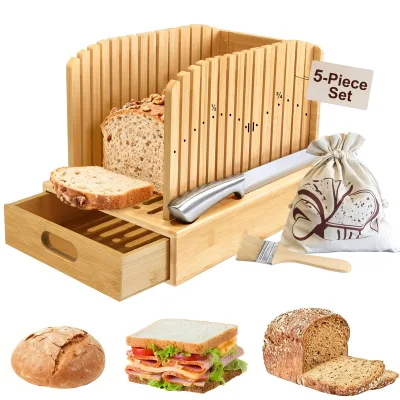


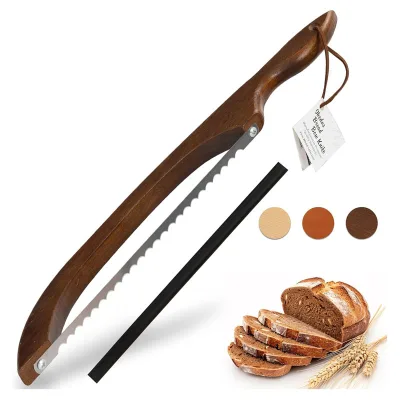


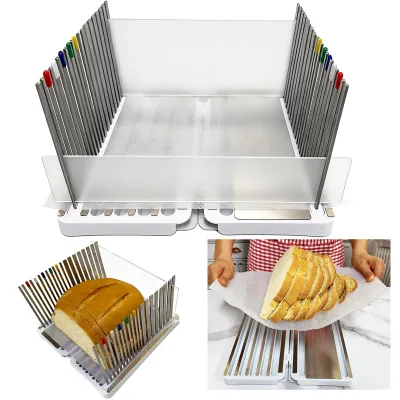
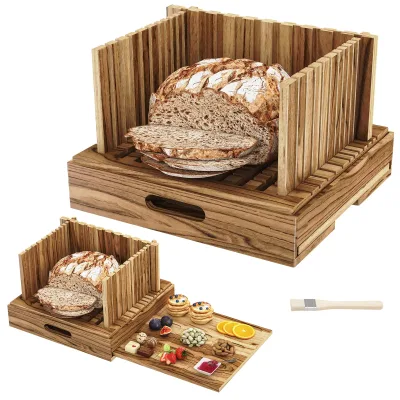
Comprehensive Sourcing Guide
Natural Bread Slicer with Crumb Tray and Knife Sourcing Guide
Procurement teams must first distinguish between general storage racks and specialized bread handling units, as the supplied data reveals a mix of product types including storage holders, boxes, and handicrafts. While the core keyword implies a mechanical slicing device, the available facts describe wooden and bamboo containers with capacities ranging from 500ml to 2000ml, often featuring carving or polishing processes. Buyers should verify if the specific listing includes the mechanical components of a slicer or if the product is a storage vessel designed to hold bread and accessories separately.
The observed product attributes highlight a strong emphasis on natural materials like Mao Bamboo and wood, with styles ranging from original to European and modern designs. These items are frequently marketed for household use and food storage, with some listings specifying a natural color and eco-friendly features. Sourcing strategies should focus on confirming whether the "crumb tray and knife" are integrated into the unit or sold as a complementary set, as the current data primarily details the storage container's dimensions and material composition rather than the slicing mechanism itself.
Product Scope and Observed Listing Signals
Buyers must carefully analyze the listed product types to ensure alignment with the specific need for a slicing unit, as the data includes diverse categories such as storage boxes, bins, and general holders. The observed listings feature models like HYK06040 and HYK06053, which are described with specific dimensions and packing methods but do not explicitly confirm the presence of a built-in blade or crumb collection system. It is critical to cross-reference the product name and description to determine if the item is a standalone bread box or a complete slicing station, as the distinction impacts the functional utility of the purchase.
The commercial signals indicate a wide range of customization options, including laser engraving and tailored packaging, which suggests that suppliers are willing to adapt the product for specific branding needs. However, the minimum order quantities observed vary significantly, with some listings requiring 500 pieces while others allow for smaller sets. Procurement teams should prioritize suppliers who can clearly demonstrate the integration of the knife and tray components, ensuring that the "natural" aesthetic does not come at the expense of the functional requirements for bread preparation and cleanup.
Technical Specifications to Verify
Dimensional accuracy is paramount when selecting a bread slicer, as the observed data lists specific standard sizes such as 12.5 x 9.5 x 2.5 inches and 42x27x21cm for different models. Buyers must verify that the internal capacity, which ranges from 500ml to 2000ml in the provided facts, is sufficient to accommodate the intended loaf sizes without compromising the stability of the crumb tray. The weight of the units, noted at 3.25 pounds for some items, should be evaluated to ensure the device is sturdy enough to withstand the pressure of slicing while remaining portable for kitchen use.
Material integrity is another critical technical factor, with the supplied facts highlighting the use of Mao Bamboo and wood with polished surface treatments. Sourcing teams must confirm that the natural bamboo or wood is treated to resist moisture and food acids, ensuring the longevity of the crumb tray and the structural integrity of the slicing guide. The presence of carving processes and specific surface treatments like polishing should be validated to guarantee a smooth finish that prevents food residue from adhering to the unit during daily household operations.
Compliance and Safety Documentation
Food safety compliance is essential for any product intended for direct food contact, particularly when the item includes a knife and a tray for collecting crumbs. While the supplied facts mention eco-friendly features and natural materials, they do not explicitly state compliance with specific food-grade standards or certifications. Buyers must request documentation proving that the bamboo and wood materials are free from harmful chemicals and that the knife components meet local safety regulations for kitchen tools.
The origin of the products, primarily from China and Fujian, necessitates a review of export compliance and import regulations in the destination market. Procurement teams should verify that the supplier can provide necessary safety data sheets and material declarations to ensure the product meets the regulatory requirements for household food storage and preparation equipment. Without explicit certification data in the listing, it is the buyer's responsibility to mandate third-party testing to validate that the natural materials and metal components are safe for continuous food contact.
Cost Drivers and Commercial Terms
The cost structure for these natural bread units is heavily influenced by the material choice, specifically the use of Mao Bamboo and wood, which often commands a premium over synthetic alternatives. The observed production lead times of 45-50 days for bulk orders and sample times of 3-7 working days indicate that material sourcing and hand-finishing processes like carving and polishing contribute significantly to the overall price. Buyers should anticipate higher unit costs for customized features such as laser engraving and specific packaging requirements, which add value but also extend the production timeline.
Payment terms and logistics costs are also key variables, with the data indicating a standard T/T 30% deposit and 70% balance structure. The FOB port of Fuzhou and the specific packing methods, such as shrink wrap and cartons, will impact the final landed cost depending on the shipping volume and destination. Procurement teams must calculate the total cost of ownership by factoring in the minimum order quantities, which can range from single units to 500 pieces, and the potential economies of scale that might reduce the per-unit price for larger orders.
Supplier Qualification and Quality Control
Supplier qualification should focus on verifying the consistency of the natural material supply chain, as the reliance on Mao Bamboo and wood requires strict quality control to prevent defects like warping or cracking. The observed customization options, including logo engraving and varied styles, suggest that suppliers have flexible manufacturing capabilities, but buyers must ensure that these processes do not compromise the structural integrity of the bread box or the safety of the knife. Requesting pre-production samples is essential to validate that the polished surface and carving details meet the expected aesthetic and functional standards.
Quality control protocols must include rigorous inspection of the crumb tray and knife assembly to ensure they function correctly and are securely attached to the main unit. Given the diverse product types listed, from storage racks to bread boxes, buyers should implement a clear acceptance criteria that distinguishes between a simple storage container and a fully functional slicing unit. Regular audits of the production line in Fujian, China, can help ensure that the finishing processes and material treatments remain consistent across all batches, maintaining the eco-friendly and natural attributes promised in the product listing.
Long-Term Procurement Checks
Sustainable sourcing practices should be a primary focus for long-term partnerships, given the emphasis on eco-friendly features and natural materials in the product descriptions. Buyers must establish a continuous verification process to ensure that the bamboo and wood are sourced responsibly, maintaining the environmental claims made in the marketing materials. This involves regular checks on the supplier's supply chain to confirm that the raw materials are harvested sustainably and that the production processes adhere to environmental standards over time.
Performance monitoring of the product in the field is crucial to identify any issues related to the durability of the natural materials or the functionality of the slicing mechanism. Procurement teams should gather feedback on how the crumb tray and knife perform after extended use, looking for signs of wear, damage, or safety hazards that were not apparent during the initial sampling phase. Establishing a feedback loop with end-users will help refine the product specifications and ensure that the long-term procurement strategy delivers consistent value and reliability.
FAQs
What materials are used for natural bread storage boxes?
These storage containers are primarily crafted from eco-friendly wood and Mao bamboo. The materials are polished for a smooth finish and feature a natural color that complements modern home decor. This construction ensures durability while maintaining an aesthetic appeal suitable for household use and food storage applications.
Can I customize the logo on these bread slicer boxes?
Yes, customization is available for these storage holders. Buyers can opt for laser engraving to add their specific logo to the product surface. This service allows for brand personalization, making the items suitable for corporate gifts or private label retail, with sample times typically ranging from three to seven working days.
What are the standard dimensions for these bamboo bread boxes?
Standard models include dimensions such as 12.5 x 9.5 x 2.5 inches and 12.4 x 8.3 x 2.2 inches. Other specifications measure 42x27x21cm or 31.7x23.7x19cm. These rectangular shapes are designed to hold approximately 500-2000ml of content, providing ample space for loaves while fitting comfortably on kitchen countertops.
What is the typical lead time for production orders?
Production lead times generally range from 45 to 50 days for bulk orders. Sample lead times are shorter, usually taking five to seven days. These timelines apply to customized packages and logos, ensuring that manufacturing processes for carving and polishing are completed thoroughly before the goods are shipped from the Fuzhou port in China.
How are these bread storage boxes packaged for shipping?
Products are packed in cartons, often with shrink wrap for added protection. Individual items may come in inner boxes or customized packaging options. This secure packing method protects the polished bamboo or wood surfaces during transit, ensuring the 3.25-pound units arrive in pristine condition for retail distribution or direct household use.
What payment terms are required for these bamboo containers?
The standard payment term is T/T with a 30% deposit and a 70% balance. This structure is common for manufacturing orders involving customization or specific packaging requirements. Buyers should coordinate with suppliers to finalize the balance payment upon completion of production, ensuring all quality checks and packing details are confirmed before shipment.