Source Non Stick Cast Iron Skillet for Home, Restaurant, Camping
Compare 26 Non Stick Cast Iron Skillet options from verified Chinese manufacturers. Buyers can evaluate sizes, coatings, certifications, and customization features to find the right cookware for various cooking needs; compare the available evidence and request quotations based on your requirements.
Key considerations
Products List


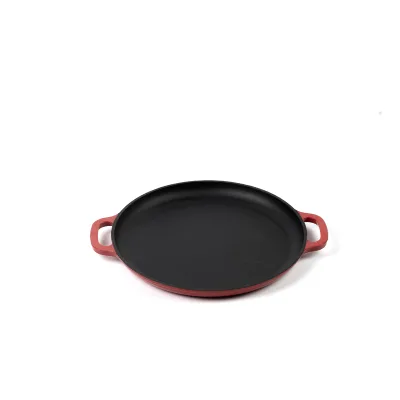
Cast Iron Sandwich Maker & Skillet - Preseasoned, Non-Stick, Camping Cooker
$12.90 - $13.50
MOQ: 501 Pieces


Comprehensive Sourcing Guide
Non Stick Cast Iron Skillet Sourcing Guide
Sourcing non-stick cast iron skillets requires balancing the traditional durability of cast iron with modern convenience features like enamel coatings or pre-seasoned surfaces. Buyers must navigate a market where product attributes vary significantly, from raw cast iron to enameled finishes, each offering distinct maintenance profiles and aesthetic options. The core keyword highlights a specific segment where the heavy heat retention of cast iron is paired with surface treatments designed to reduce food adhesion. This guide provides evidence-based procurement strategies to help buyers identify reliable suppliers and verify product quality without relying on unverified marketing claims.
The procurement landscape for these cookware items is diverse, with suppliers offering various customization options including logos, colors, and packaging. Observed data indicates a wide range of product models, such as PC32, PC26Q, and PC72A, suggesting that manufacturers often produce multiple variants under similar naming conventions. Buyers should focus on verifying the specific coating type, whether it is enamel or vegetable oil seasoning, as this directly impacts the non-stick performance and long-term care requirements. Understanding these distinctions is crucial for aligning product selection with target market expectations and usage scenarios.
Product Scope and Observed Listing Signals
The observed product listings reveal a significant variation in material finishes and design specifications, which directly influences the functional scope of the skillets. While the core material is consistently identified as cast iron, the surface treatments differ, with some products featuring an enamel coating and others relying on a pre-seasoned or vegetable oil-based non-stick layer. This distinction is critical for buyers, as enameled surfaces offer a smooth, easy-to-clean finish that retains heat well, whereas seasoned cast iron develops its non-stick properties over time through polymerization. Buyers must carefully review product descriptions to determine which finish aligns with their brand’s value proposition and customer care expectations.
Listing signals also indicate a strong emphasis on customization, with many suppliers offering OEM services for logos, colors, and packaging. The observed color options include standard black and customizable red, allowing brands to differentiate their products in a crowded market. Additionally, the presence of various product models and standard sizes, such as 26cm and 28cm diameters, suggests that manufacturers are equipped to handle diverse order requirements. Buyers should leverage these customization capabilities to create unique product identities, but must ensure that any customizations do not compromise the structural integrity or coating durability of the skillet.
Technical Specifications to Verify
Verifying technical specifications is essential to ensure that the skillets meet performance expectations and fit seamlessly into existing supply chains. Key attributes to confirm include the diameter, which typically ranges from 26cm to 29cm, and the presence of handles, which are standard for safe handling during cooking. Buyers should also verify the packaging details, as options like brown boxes, color boxes, or gift boxes can impact retail presentation and shipping efficiency. Understanding the exact dimensions and weight of each model is crucial for calculating freight costs and storage requirements, ensuring that the final product is both practical for consumers and efficient for logistics.
The coating process is another critical technical specification that requires close attention. Whether the skillet is enameled or pre-seasoned, the quality of the coating directly affects its non-stick performance and longevity. Buyers should request detailed information about the coating application process, including the type of enamel or seasoning used, to assess its durability and resistance to chipping or scratching. Additionally, verifying the stove compatibility is important, as most cast iron skillets are designed for all-purpose use, including induction, gas, and electric stoves. Confirming these technical details helps prevent mismatches between product capabilities and consumer usage patterns.
Compliance and Safety Documentation
Compliance with international safety and quality standards is a non-negotiable aspect of sourcing cookware, particularly for products that come into direct contact with food. The observed listings indicate that many suppliers hold certifications such as FDA, LFGB, CE/EU, and SGS, which are critical for market access in various regions. Buyers must verify the validity and scope of these certifications, ensuring that they cover the specific product models and materials being purchased. LFGB certification, for instance, is particularly important for the European market, as it sets strict standards for food contact materials. Without proper documentation, products may face regulatory hurdles or rejection at customs.
In addition to product-specific certifications, suppliers may also hold broader quality management certifications such as ISO and BSCI, which reflect their overall operational standards and ethical practices. These certifications can provide buyers with confidence in the supplier’s ability to maintain consistent quality and adhere to social responsibility guidelines. Buyers should request copies of these certificates and verify their authenticity through the issuing bodies. Furthermore, understanding the testing procedures used to validate compliance, such as heavy metal migration tests for enamel coatings, is essential for ensuring that the skillets are safe for consumer use and meet all relevant regulatory requirements.
Cost Drivers and Commercial Terms
Understanding the cost drivers and commercial terms is vital for developing a profitable procurement strategy for non-stick cast iron skillets. The observed price range of $1.53 to $49.90 USD reflects significant variation based on factors such as coating type, customization level, and order volume. Enamel-coated skillets typically command higher prices due to the additional manufacturing steps and material costs involved. Buyers should analyze the cost structure to identify where value is added and where potential savings can be realized without compromising quality. Negotiating volume discounts and optimizing packaging to reduce shipping costs are effective strategies for improving margins.
Commercial terms, including minimum order quantities (MOQ) and lead times, also play a crucial role in procurement planning. The observed MOQ ranges from 10 to 2000 pieces, with some suppliers offering lower MOQs for customized orders, which can be beneficial for testing the market or fulfilling smaller retail orders. Lead times typically range from 30 to 40 days, which buyers must factor into their inventory management and sales forecasts. Clear communication regarding payment terms, shipping responsibilities, and warranty policies is essential to avoid disputes and ensure a smooth transaction process. Buyers should seek suppliers who offer flexible terms and transparent pricing to facilitate long-term partnerships.
Supplier Qualification and Quality Control
Supplier qualification is a critical step in mitigating risks associated with sourcing non-stick cast iron skillets. Buyers should conduct thorough due diligence to assess the supplier’s manufacturing capabilities, quality control processes, and financial stability. Visiting the factory or requesting detailed virtual tours can provide insights into the production environment and the level of automation used in coating application and finishing. Suppliers with robust quality control systems are more likely to deliver consistent product quality and meet delivery deadlines. Buyers should also evaluate the supplier’s responsiveness and communication skills, as these factors are crucial for resolving issues quickly and maintaining a productive relationship.
Implementing a rigorous quality control plan is essential to ensure that the received goods meet the agreed-upon specifications. This plan should include pre-production samples, in-process inspections, and final random inspections before shipment. Buyers should define clear acceptance criteria for coating adhesion, surface finish, and dimensional accuracy, and ensure that the supplier has the capability to test for these attributes. Engaging third-party inspection agencies can provide an additional layer of assurance, particularly for large orders or new supplier relationships. By establishing a comprehensive quality control framework, buyers can minimize the risk of receiving defective products and protect their brand reputation.
Long-Term Procurement Checks
Long-term procurement success depends on continuous monitoring and evaluation of supplier performance and product quality. Buyers should establish key performance indicators (KPIs) to track metrics such as on-time delivery, defect rates, and responsiveness to issues. Regular performance reviews with suppliers can help identify areas for improvement and foster a collaborative approach to problem-solving. Additionally, staying informed about changes in market trends, regulatory requirements, and consumer preferences is essential for adapting procurement strategies over time. Buyers should periodically reassess their supplier base to ensure that they remain competitive and aligned with their business goals.
Feedback from end-users is a valuable resource for identifying potential product improvements or quality issues that may not be apparent during initial inspections. Buyers should encourage retailers and consumers to provide feedback on the skillets’ performance, durability, and ease of use. This information can be used to refine product specifications and guide future purchasing decisions. Furthermore, maintaining open lines of communication with suppliers regarding new technologies, materials, and design innovations can help buyers stay ahead of the curve. By adopting a proactive and data-driven approach to procurement, buyers can build resilient supply chains that deliver consistent value and support long-term business growth.
FAQs
What certifications are available for these cast iron skillets?
These non stick cast iron skillets come with FDA, LFGB, CE/EU, ISO, CB, and SGS certifications. This ensures compliance with international food safety and quality standards. Buyers can verify specific documentation based on their regional regulatory requirements before placing bulk orders.
Can I customize the logo and packaging for these pans?
Yes, customization is available for logos, colors, packaging, patterns, dimensions, and quantity. OEM services allow buyers to brand the products with their own designs. Packaging options include cartons, brown boxes, color boxes, gift boxes, and color sleeves to meet specific marketing needs.
What are the standard sizes for these enamel cast iron frypans?
Standard sizes include diameters of 22cm, 24cm, 26cm, and 28cm, with specific models like PC26Q and PC72A available. Some variants also offer a 15cm diameter option. These dimensions cater to various household and commercial cooking requirements, ensuring versatility for different meal preparations.
What is the typical lead time for delivery of these skillets?
The typical delivery time ranges from 30 to 40 days for standard orders. Sample supplies are also available for quality verification before mass production. Buyers should account for this timeframe when planning inventory, as production schedules may vary based on order volume and customization complexity.
Are these cast iron skillets suitable for all types of stoves?
Yes, these pans are designed for all-purpose stove usage, including gas, electric, and induction cooktops. The durable cast iron construction ensures even heating and heat retention. This versatility makes them ideal for various cooking methods, from searing to slow simmering, without damaging the cookware.
What is the minimum order quantity for these non stick pans?
The minimum order quantity varies, with some listings requiring 500 pieces while others accept orders starting from 10 pieces. Buyers should check specific product models for exact MOQ requirements. Flexible ordering options allow both small businesses and large retailers to procure suitable quantities for their needs.