Source eco friendly homemade ice cube tray for Bars, Homes, Events
Compare 30 eco friendly homemade ice cube tray options from verified Chinese suppliers. Buyers can review material types like silicone and PP, certifications including FDA and LFGB, and customization features for various ice shapes and sizes; compare the available evidence and request quotations based on your requirements.
Key considerations
Products List










Comprehensive Sourcing Guide
Eco Friendly Homemade Ice Cube Tray Sourcing Guide
Sourcing eco-friendly homemade ice cube trays requires a careful balance between material safety, environmental impact, and functional design. Buyers must prioritize suppliers who provide transparent material declarations, as terms like "eco-friendly" are often unregulated marketing labels rather than verified technical specifications. The core of this procurement strategy lies in identifying manufacturers who use food-grade silicone or polypropylene, materials that offer durability and resistance to extreme temperatures without leaching harmful chemicals into beverages. This guide outlines the critical verification steps needed to ensure that the selected products meet both regulatory standards and sustainability goals.
The market for these trays is diverse, ranging from simple rectangular molds to creative, fruit-infused designs. Procurement teams should focus on verifying the specific material composition, such as platinum-cure silicone or BPA-free plastic, rather than relying solely on product titles. Additionally, understanding the customization options available, including logo printing and unique shapes, is essential for branding purposes. By establishing clear technical requirements upfront, buyers can filter out low-quality suppliers and focus on partners who demonstrate a genuine commitment to producing safe, durable, and environmentally conscious kitchenware solutions for global markets.
Product Scope and Observed Listing Signals
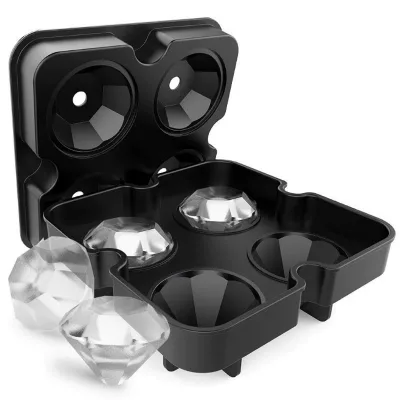
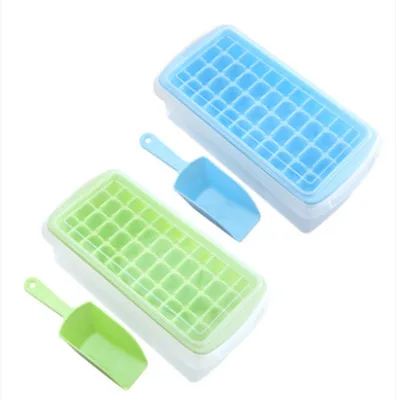
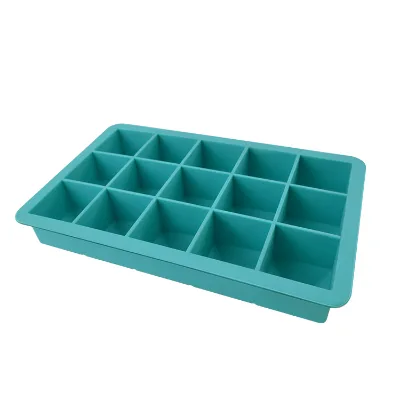
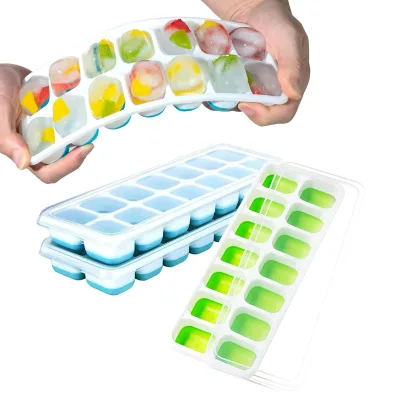
The current market landscape for ice cube trays includes a variety of forms, from standard rectangular molds to specialized ice ball cubes and creative styling options. Observed listings indicate a wide range of materials, primarily silicone and polypropylene, with some products explicitly marketed as eco-friendly. Buyers should note that while many suppliers claim customization capabilities, the actual implementation varies significantly. For instance, some trays are designed for universal use with simple polybag packaging, while others feature more complex single-item packaging or paper card displays. Understanding these physical attributes helps in assessing the logistical implications of bulk orders and storage requirements.
Color and design variations are also prominent in the observed data, with options ranging from solid colors like red, green, and white to customized fruit-inspired shapes. These aesthetic choices often appeal to specific consumer segments, such as those looking for decorative bar accessories or children’s kitchen tools. However, buyers must be cautious when interpreting "eco-friendly" claims, as they may simply refer to the reusability of the product rather than its end-of-life recyclability. It is crucial to distinguish between products that are merely durable and those that are manufactured using processes that minimize environmental impact, such as reduced carbon footprints or sustainable sourcing of raw materials.
Technical Specifications to Verify
When evaluating technical specifications, the material composition is the most critical factor to verify. Buyers should confirm whether the trays are made from food-grade silicone, which is known for its flexibility and heat resistance, or polypropylene, which offers rigidity and cost-effectiveness. The presence of certifications such as FDA and LFGB is a strong indicator of material safety, ensuring that the products are suitable for direct food contact. Additionally, the absence of ethylene oxide sterilization is a notable feature for certain products, indicating a manufacturing process that avoids potentially harmful chemical residues. These details are essential for maintaining product integrity and consumer safety.
Dimensions and packaging specifications also play a significant role in procurement decisions. Observed data shows a range of sizes, from small to medium, with specific dimensions provided for some models. Buyers should verify the single package size and weight to calculate shipping costs accurately. Furthermore, the type of packaging, whether it is a simple polybag or a more elaborate paper card, affects both the product's presentation and its protection during transit. Ensuring that the technical specifications align with the intended use case, whether for home use or commercial hospitality, is vital for customer satisfaction and reducing return rates.
Compliance and Safety Documentation
Compliance with international safety standards is non-negotiable for food contact products. Buyers must request and verify certificates such as FDA, LFGB, CE/EU, EEC, and CIQ, which attest to the product's safety and quality. These certifications ensure that the materials used do not contain harmful substances like BPA, phthalates, or heavy metals. It is important to note that certification status can vary between different product models from the same supplier, so each SKU should be individually verified. Relying on generic claims without specific documentation can lead to regulatory issues and potential health risks for end-users.
In addition to material safety, buyers should inquire about the manufacturing processes and quality control measures implemented by the supplier. Documentation regarding the absence of ethylene oxide sterilization is particularly relevant for products that do not require such treatment, as it confirms the use of alternative, safer sterilization methods. Furthermore, understanding the supplier's approach to environmental compliance, such as waste management and energy efficiency in production, can provide additional assurance of their commitment to sustainability. Requesting these documents during the initial sourcing phase helps build a foundation of trust and ensures that the products meet all necessary legal and safety requirements.
Cost Drivers and Commercial Terms
Several factors influence the cost of eco-friendly ice cube trays, with material quality and customization being primary drivers. High-grade silicone and specialized manufacturing processes typically command higher prices compared to standard plastic alternatives. Buyers should also consider the impact of customization options, such as logo printing or unique mold designs, which can increase production costs. Minimum Order Quantities (MOQs) vary significantly, ranging from small batches for testing to large volumes for established brands. Understanding these commercial terms is essential for budgeting and negotiating favorable pricing structures that align with the company's financial goals.
Packaging and logistics also contribute to the overall cost structure. Products with complex packaging, such as paper cards or single-item boxes, may incur higher material and labor costs. Additionally, the weight and dimensions of the products affect shipping expenses, particularly for international orders. Buyers should request detailed quotes that break down these costs to identify potential areas for savings. Negotiating flexible MOQs or consolidated shipping options can help reduce per-unit costs, especially for smaller orders. By carefully analyzing these commercial terms, buyers can optimize their procurement strategy and achieve better value for their investment.
Supplier Qualification and Quality Control
Supplier qualification is a critical step in ensuring the reliability and consistency of the supply chain. Buyers should conduct thorough due diligence to verify the supplier's manufacturing capabilities, quality control processes, and ethical standards. This includes reviewing their production facilities, assessing their workforce training, and evaluating their commitment to environmental sustainability. Suppliers who hold relevant certifications and have a track record of exporting to regulated markets are generally more reliable. Establishing clear communication channels and regular quality audits helps maintain high standards and addresses any issues promptly.
Quality control measures should be integrated into the procurement process from the outset. Buyers should define specific quality criteria, such as material thickness, color consistency, and dimensional accuracy, and ensure that the supplier has robust inspection protocols in place. Random sampling and third-party inspections can provide additional assurance of product quality before shipment. Furthermore, establishing a clear feedback loop for addressing defects or non-conformities is essential for continuous improvement. By prioritizing supplier qualification and rigorous quality control, buyers can mitigate risks and ensure that the products meet their expectations and customer demands.
Long-Term Procurement Checks
Long-term procurement success depends on continuous monitoring and evaluation of supplier performance. Buyers should establish key performance indicators (KPIs) to track metrics such as on-time delivery, product quality, and responsiveness to issues. Regular reviews of these metrics help identify trends and areas for improvement, allowing for proactive management of the supply chain. Additionally, staying informed about changes in regulations and market trends ensures that the products remain compliant and competitive. Building strong relationships with suppliers based on mutual trust and transparency fosters collaboration and innovation, leading to better outcomes for both parties.
Sustainability should remain a core focus in long-term procurement strategies. Buyers should regularly assess the environmental impact of their supply chain, seeking opportunities to reduce waste and carbon emissions. This may involve working with suppliers to adopt greener manufacturing practices or sourcing materials from more sustainable origins. Furthermore, engaging with customers to understand their preferences for eco-friendly products can drive continuous improvement and innovation. By maintaining a forward-looking approach to procurement, buyers can ensure that their products meet evolving consumer expectations and contribute to a more sustainable future.
FAQs
What materials are used for eco friendly homemade ice cube trays?
These trays are typically made from food-grade silicone or plastic. Silicone options are flexible and durable, while plastic variants offer lightweight convenience. Both materials ensure safe ice production for home use without harmful chemical leaching.
Can I customize the design of these ice cube trays?
Yes, customization is available for many models. Buyers can request specific shapes, colors, or logo printing to match their brand or personal preference. This flexibility allows for unique fruit ice cubes or branded promotional items.
What certifications ensure the safety of these ice cube trays?
Look for FDA, LFGB, and CE/EU certifications. These standards confirm the materials meet strict food safety requirements. Some products also hold EEC or CIQ certifications, ensuring compliance with international quality and safety regulations for consumers.
What is the typical MOQ for ordering these trays?
Minimum order quantities vary by supplier and product type. Common MOQs range from 200 pieces to 5000 pieces. Smaller batches may be available for specific models, while larger orders often secure better pricing and customization options.
Are these trays suitable for commercial or home use?
They are designed for universal use, fitting both home kitchens and commercial settings. Features like covers and creative styling enhance usability. The durable materials withstand repeated freezing and thawing cycles effectively for various ice cube needs.
How are these ice cube trays packaged for shipping?
Packaging methods include polybags, single boxes, or paper cards. Each unit is typically packed individually to prevent damage during transit. This ensures the trays arrive in pristine condition, ready for immediate use or retail display.