Source Eco-Friendly Silver Kitchen Colander for Restaurants
Find 30 Eco-Friendly Silver Kitchen Colander options from China. Compare stainless steel strainers with LFGB and FDA certifications for home, hotel, and buffet use. View sizes, weights, and MOQs to streamline your procurement process; compare the available evidence and request quotations based on your requirements.
Key considerations
Products List





Comprehensive Sourcing Guide
Eco-Friendly Silver Kitchen Colander Sourcing Guide
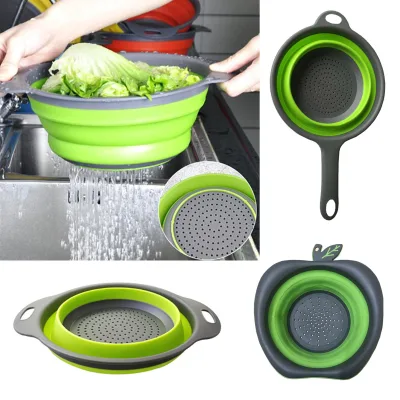
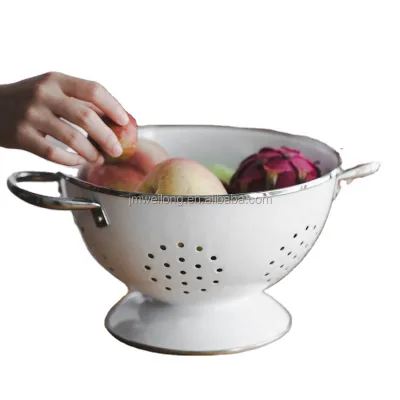
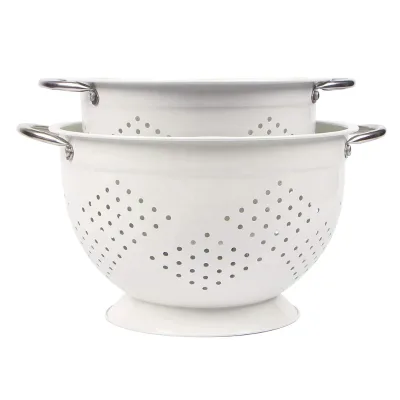
Procuring an eco-friendly silver kitchen colander requires distinguishing between genuine sustainable materials and standard plastic alternatives that merely mimic a metallic aesthetic. While some listings highlight food-grade silicone or stainless steel construction, others rely on polypropylene with a silver finish, necessitating a careful review of material composition before placing bulk orders. Buyers must verify if the "silver" appearance is a coating or the inherent color of the material, as this impacts durability and recycling potential.
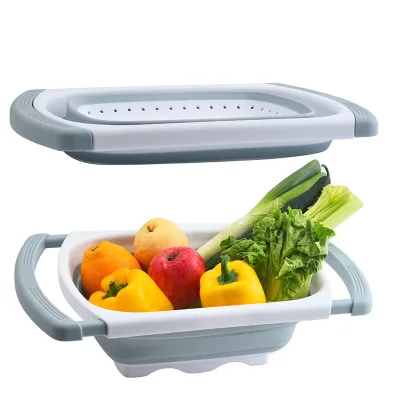
The market offers a range of collapsible strainers designed for home kitchens, restaurants, and buffet equipment, often featuring multiple size options to suit different volume needs. Sourcing strategies should prioritize suppliers who explicitly state their material standards, such as 100% food-grade silicone or specific plastic types, rather than relying on generic product titles. Understanding the specific application, whether for vegetable washing or general kitchen filtration, helps narrow the search to units that meet functional requirements without unnecessary features.
Product Scope and Observed Listing Signals
Current market listings for this category reveal a diverse array of product attributes, including collapsible designs, specific size ranges like small and big variants, and various color options beyond silver. Buyers should note that while some products are marketed as eco-friendly, the material composition varies significantly between polypropylene, TPR, and stainless steel, which directly influences the product's environmental profile and longevity. The presence of accessories like stands and the availability of customization options further define the scope of potential procurement opportunities.
Observations indicate that selling units are typically single items, yet bulk purchasing is often required with minimum order quantities ranging from 30 to 5000 pieces depending on the supplier. The functional design often includes a filter basket mechanism, and some models are explicitly labeled as non-stick or suitable for microwave use, though these claims must be cross-referenced with the actual material specifications. Buyers must carefully evaluate the listed price range and MOQ values to ensure alignment with their budget and inventory planning strategies.
Technical Specifications to Verify
When evaluating technical specifications, the physical dimensions and weight of the colander are critical factors that determine storage efficiency and user handling. Listings provide specific size data such as diameters of 18cm, 24cm, and 30cm, along with corresponding heights and weights ranging from 123g to 451g, allowing buyers to select the appropriate capacity for their specific operational needs. Verifying these exact measurements ensures the product fits standard kitchen sinks and storage cabinets without requiring custom modifications.
Material composition is another vital technical parameter, with some products utilizing polypropylene and TPR while others specify stainless steel or 100% food-grade silicone. The handle material is often listed as plastic, but the overall structural integrity depends on the quality of the primary material and the manufacturing process. Buyers should confirm the plastic type and any specific model numbers, such as CY-082 or CHD32, to ensure consistency across the order and to verify that the product meets the intended durability standards for repeated use.
Compliance and Safety Documentation
Safety compliance is paramount for kitchenware intended for food contact, and buyers must verify that products hold recognized certifications such as FDA and LFGB. These certifications confirm that the materials used, whether silicone or plastic, do not leach harmful substances into food during washing or heating processes. The presence of these certifications should be explicitly documented in the supplier's product data, as they are essential for meeting regulatory requirements in various international markets.
In addition to material safety, the product standard and origin location play a significant role in establishing trust and quality assurance. Some listings specify a production standard related to dimensions, while others emphasize the place of origin as Guangdong, China, which is a major hub for kitchenware manufacturing. Buyers should request test reports or certification documents that align with the specific product model to ensure that the safety claims are backed by verified data rather than marketing assertions.
Cost Drivers and Commercial Terms
The cost of sourcing an eco-friendly silver kitchen colander is influenced by material selection, order volume, and packaging requirements. While the observed price range varies widely, the minimum order quantity can be a significant barrier, with some suppliers requiring orders of 1500 pieces or more. Buyers must balance the unit price against the total investment required to meet these MOQ thresholds, considering whether the cost savings justify the inventory commitment.
Packaging and logistics also contribute to the overall commercial terms, with options ranging from individual PVC or OPP bags to export cartons for bulk shipping. The choice of packaging affects both the protection of the product during transit and the final presentation to the end consumer. Additionally, customization availability can impact pricing, as personalized branding or specific color requests may incur additional setup fees or require longer lead times, which must be factored into the total cost of ownership.
Supplier Qualification and Quality Control
Supplier qualification involves assessing the manufacturer's ability to consistently deliver products that match the specified technical and safety requirements. Buyers should verify the supplier's production capacity and their history of fulfilling orders for similar kitchen equipment, ensuring they can maintain quality control throughout the manufacturing process. The availability of customization and the specific model numbers offered by the supplier are indicators of their flexibility and technical capability.
Quality control measures should include pre-shipment inspections to verify that the physical attributes, such as color, size, and material integrity, match the agreed-upon specifications. Since the product is non-disposable and intended for repeated use in home, hotel, or restaurant settings, durability testing is essential to prevent premature failure. Buyers should establish clear acceptance criteria based on the observed product attributes, such as the presence of stands or the specific color options like army green or grey, to ensure the delivered goods meet expectations.
Long-Term Procurement Checks
Establishing a long-term procurement relationship requires ongoing monitoring of product consistency and supplier performance over time. Buyers should regularly review the product specifications to ensure that any changes in material composition or manufacturing processes do not compromise the eco-friendly claims or safety certifications. Maintaining open communication with the supplier regarding any updates to standards or regulations helps mitigate the risk of non-compliance in future orders.
Sustainability and environmental impact should be re-evaluated periodically to ensure the product continues to meet the buyer's corporate social responsibility goals. As the market evolves, new materials or manufacturing techniques may emerge that offer better environmental profiles than the current selection. Buyers should stay informed about industry trends and be prepared to adjust their sourcing strategy to incorporate more sustainable options while maintaining the functional requirements of the silver kitchen colander.
FAQs
What certifications does the Eco-Friendly Silver Kitchen Colander have?
The product holds LFGB and FDA certifications to ensure food safety compliance. These standards verify that the materials used, including PP and TPR, are safe for direct contact with food items in home and commercial kitchens.
How can I customize the color of the kitchen filter basket?
Customization is available for this collapsible strainer to meet specific branding needs. Buyers can select from various colors including green, grey, yellow, red, blue, and army green to match their design requirements.
Which sizes are available for the collapsible vegetable colander container?
The product comes in small and big sizes with specific dimensions like Dia.18X8.5cm and Dia.30X14cm. These sizes accommodate different kitchen storage needs while maintaining the collapsible feature for space efficiency.
Can the kitchen helper be used in a microwave oven?
Yes, the care instructions confirm that the product is microwave safe for heating food. This feature allows users to safely reheat meals directly in the basket without transferring contents to another container.
What is the minimum order quantity for the eco friendly colander?
The standard minimum order quantity is 1500 pieces for this specific model. However, observed listings show a broader range of 30 to 5000 units depending on the specific supplier and negotiation terms.
Where is the manufacturing origin of the kitchen filter basket?
The product originates from Guangdong, China, which is a major hub for kitchenware manufacturing. This location ensures access to established supply chains for materials like PP and TPR used in the construction.
How is the product packaged for export shipping?
Packaging options include PVC Pet bags, Opp bags, or export cartons for bulk shipments. These methods protect the collapsible strainer during transit while keeping the packaging lightweight and cost-effective for international delivery.