Source Natural Gas Pulp Molding Equipment for Packaging, Food, and Agriculture
Compare 30 listings for Natural Gas Pulp Molding Equipment suitable for packaging, food service, and agricultural applications. Buyers can evaluate specifications like screw type, automation levels, and certifications to find the right supplier for their production needs.
Key considerations
Products List


High Quality and Efficiency Pulper/Pulping Equipment/Paper Machinery
$10000.00 - $20000.00
MOQ: 1 Pieces


Customized Pulp Making Middle Consistency High Pulping Machine Equipment D Type Pulper
$3000.00 - $5000.00
MOQ: 1 Pieces

15mmscfd Medium Size Liquid Natural Gas Production Equipment 400, 000nm3/Day LNG Plant
$3000000.00 - $10000000.00
MOQ: 1 Sets
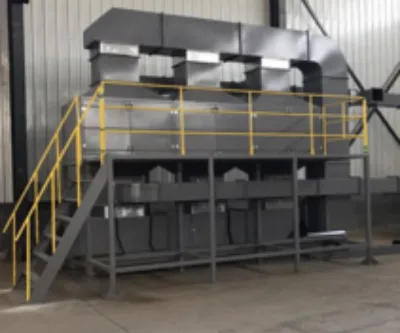

Recycling Waste Paper Pulping Equipment High Consistency Pulper for Sale
$15000.00 - $45000.00
MOQ: 1 Sets


Comprehensive Sourcing Guide
Strategic Sourcing Guide for Natural Gas Pulp Molding Equipment
Procuring industrial machinery for natural gas pulp molding requires a rigorous approach that balances technical precision with supply chain reliability. The equipment in this sector is not merely a single unit but a complex system involving gas handling, molding processes, and automated finishing. Buyers must navigate a landscape where specifications vary significantly between manufacturers, particularly regarding automation levels, material compatibility, and compliance with international safety standards. This guide outlines the critical factors for evaluating potential suppliers and ensuring the selected machinery meets operational demands without compromising on safety or efficiency.
Technical Specifications and Operational Capabilities
When evaluating Natural Gas Pulp Molding Equipment, the primary focus must be on the core processing mechanisms and the specific attributes of the machinery. The available market data indicates a diverse range of configurations, from horizontal structures to open-type designs. A critical observation in the current supply base is the prevalence of "Super Precision Finishing" as a processing level, suggesting that high-tolerance manufacturing is a key differentiator for premium units. The mechanical process typically involves milling, which is essential for achieving the smooth surfaces required for high-quality pulp products.
The automation profile of these machines is another vital specification. Many units in the observed range are fully automatic and computerized, utilizing PLC (Programmable Logic Controller) systems for operation. This level of automation ensures consistent output and reduces human error during the molding cycle. Furthermore, the drive mode is often a direct connection, which can improve energy efficiency and reduce mechanical wear compared to belt-driven systems. For buyers specifically interested in gas handling components, specifications such as flow rates (e.g., 2.3 m³/Min) and pressure ratings (Inlet 0.1-0.2 MPa, Outlet 4.0 MPa) are critical. These figures define the capacity of the system to handle the gas supply required for the molding process.
The material composition of the equipment is predominantly metal, with a specific emphasis on corrosion-resistant materials. This is a non-negotiable attribute for equipment that may be exposed to moisture or chemical residues inherent in pulp processing. The structural arrangement often features a balanced opposed cylinder configuration, which aids in stability during high-speed operations. Additionally, the plasticizing method, where applicable, is frequently of the screw type, designed for thermoplastic materials, though the primary application here focuses on pulp molding using natural gas as a heat source or processing aid.
Compliance, Certification, and Safety Standards
Navigating the regulatory landscape is essential for any B2B procurement in the heavy machinery sector. The supply base demonstrates a strong adherence to international quality management systems. A high-confidence fact observed is the presence of ISO9001 certification, which indicates that the manufacturer has established processes for quality control and continuous improvement. Some listings also reference ISOCE or CE certification, which are crucial for verifying that the equipment meets European safety and health requirements. The CE mark, in particular, is a mandatory conformity mark for products sold within the European Economic Area and is often a prerequisite for international trade.
However, buyers must exercise caution when interpreting certification claims. While "CE" and "ISO9001" appear frequently in the data, the specific scope of these certifications can vary. For instance, one listing combines "CE, ISO9001" with a specific clamping way of "Hydraulic," suggesting that the certification covers the entire machine assembly. Another listing mentions "ISO" in a general context. It is imperative for buyers to request the actual certification documents to verify the scope, validity, and issuing body. Relying solely on the presence of these acronyms in a product listing is insufficient for a compliant procurement strategy.
Furthermore, the standard operating environment for these machines often involves specific safety protocols. Background knowledge suggests that standards like ISO 12100 (Safety of machinery) and EN 60204-1 (Safety of machinery - Electrical equipment) are relevant benchmarks. While these specific standards are not explicitly detailed in the product attributes provided, they represent the industry baseline for electrical safety and risk assessment. Buyers should verify that the supplier's design philosophy aligns with these broader safety frameworks, ensuring that the PLC control systems and electrical brands are selected to meet rigorous safety criteria.
Cost Drivers and Pricing Dynamics
The pricing structure for Natural Gas Pulp Molding Equipment is highly variable, reflecting the complexity of the machinery and the level of customization required. The observed price range spans from $1,000 to $10,000,000 USD. This vast disparity indicates that the market includes both small-scale auxiliary units and large, fully integrated production lines. The lower end of the spectrum likely corresponds to specific components or smaller molding stations, while the upper end represents complete factory setups with advanced automation and high-capacity gas handling systems.
Several factors drive these costs. First, the degree of customization is a primary cost variable. The data confirms that "Customization" and "Customized" options are available, allowing buyers to tailor the machine to specific production needs. Custom engineering, particularly for non-standard sizes or unique structural requirements, significantly increases the unit price. Second, the material quality plays a role; machines constructed with high-grade, corrosion-resistant metals will command a premium over those using standard alloys. Third, the level of automation and the brand of the electrical components (which are noted as "Selectable") influence the final cost. High-end PLC systems and branded electrical components add to the initial investment but often reduce long-term maintenance costs.
Buyers should also consider the packaging and logistics costs. The data mentions "Sturdy and Collision-Proof" packaging as well as "Foreign Trade Packaging," which are essential for protecting the machinery during international shipping. These packaging standards add to the overall cost but are necessary to prevent damage during transit. Additionally, the "Processing Trade" of "Processing with Import Material" suggests that some components may be sourced globally, introducing currency fluctuations and import duties into the cost equation.
Typical Applications and Production Scenarios
Natural Gas Pulp Molding Equipment is primarily utilized in industries requiring high-volume production of eco-friendly packaging and industrial components. The specific application of "Spinning Equipment" mentioned in the attributes suggests a niche use case where the molding process is integrated with spinning or forming operations. This is common in the production of complex shapes that require both molding and subsequent shaping. The "Sand Casting" attribute, while seemingly distinct, may refer to the mold-making process or a specific type of casting used in the construction of the machinery itself, rather than the final product output.
The equipment is also suitable for applications involving "Thick Paper" and "Fourdrinier Wire" sheet forming, indicating its versatility in handling various paper-based materials. This makes the machinery ideal for manufacturers producing disposable tableware, egg cartons, and protective packaging for electronics. The "Open Type" structure and "Fixed and with Foundation" installation method suggest that these machines are designed for permanent installation in industrial facilities rather than mobile or temporary setups.
The "OEM" (Original Equipment Manufacturer) status of "Yes" confirms that these machines can be branded and customized for specific client needs, allowing buyers to integrate the equipment into their own product lines seamlessly. The "Technical Guidance" provided by suppliers is a crucial support feature for these applications, ensuring that operators can effectively manage the complex processes involved in natural gas pulp molding.
Supplier Evaluation and Selection Criteria
Selecting the right supplier requires a multi-faceted evaluation process that goes beyond the initial product listing. The geographic origin of the equipment is a significant factor, with "China" and specific locations like "Suzhou" and "Henan Qinyang" appearing in the data. These regions are known for their manufacturing clusters, but buyers must verify the specific capabilities of the supplier within these locations. A supplier based in Suzhou might specialize in high-precision CNC machining, while a supplier in Henan might focus on heavy-duty casting and assembly.
The "Automatic Grade" of "Automatic" and the "Computerized" nature of the machines indicate that the supplier must have a robust technical support team. Buyers should assess the supplier's ability to provide "Technical Guidance" and their responsiveness to after-sales service. The availability of "Selectable" electrical brands suggests that the supplier has the flexibility to source components based on the buyer's preference or regional availability, which is a positive indicator of supply chain resilience.
Furthermore, the "MOQ" (Minimum Order Quantity) of 1 suggests that suppliers are willing to engage with single-unit orders, which is beneficial for pilot projects or small-scale operations. However, buyers should verify if this applies to the entire system or just individual components. The "Processing Level" of "Super Precision Finishing" implies that the supplier has invested in high-end machinery and skilled labor, which should be reflected in their portfolio and client testimonials.
Quality Control and Long-Term Procurement Considerations
Ensuring the long-term reliability of Natural Gas Pulp Molding Equipment requires a proactive quality control strategy. The "Condition" of the products is listed as "New," which is a baseline expectation, but buyers must verify the manufacturing date and storage conditions to ensure the equipment has not degraded while in transit or storage. The "Standard Packing" and "Foreign Trade Packaging" mentioned in the data are critical for maintaining this condition during international shipping.
For long-term procurement, the availability of spare parts and the durability of the "Corrosion-Resistant Material" are paramount. The "Metal" construction and specific "Cylinder Arrangement" suggest that the machinery is built for heavy-duty use, but regular maintenance is still required. Buyers should negotiate service level agreements (SLAs) that include regular inspections and the availability of critical spare parts. The "Installation Method" of "Fixed and with Foundation" also implies that the initial setup is a critical phase that requires professional oversight to ensure the machine operates at peak efficiency.
Finally, the "Power Equipped" specification of "380V/50Hz" is a standard industrial voltage in many regions, but buyers must verify compatibility with their local power grid. Mismatched electrical specifications can lead to equipment failure or safety hazards. By focusing on these technical and operational details, buyers can secure a reliable supply of Natural Gas Pulp Molding Equipment that meets their production goals while adhering to safety and quality standards.
FAQs
What certifications do Natural Gas Pulp Molding Equipment suppliers typically hold?
Suppliers typically hold ISO9001 and CE certifications for quality and safety compliance. Some listings also reference ISOCE, indicating adherence to international standards. Buyers should verify the specific scope of these certifications before procurement.
How is the customization process handled for this machinery?
Customization is available for Natural Gas Pulp Molding Equipment to meet specific production needs. Models can be tailored to non-standard sizes and unique structural requirements. This flexibility allows buyers to align the machine with their exact operational demands.
Which materials are used to construct the equipment?
The equipment is constructed primarily from metal with a focus on corrosion-resistant materials. This ensures durability in environments exposed to moisture or chemical residues. The structure often features a balanced opposed cylinder arrangement for stability.
Can the equipment operate with automatic control systems?
Yes, the equipment operates with automatic and computerized control systems using PLC technology. This automation ensures consistent output and reduces human error during the molding cycle. The drive mode is often a direct connection for improved efficiency.
What is the minimum order quantity for purchasing this equipment?
The minimum order quantity is one unit for Natural Gas Pulp Molding Equipment. This allows buyers to engage in pilot projects or small-scale operations without large initial commitments. Suppliers are willing to process single-unit orders for various configurations.
How is the equipment packaged for international shipping?
The equipment is shipped using sturdy, collision-proof packaging or foreign trade packaging standards. This ensures protection against damage during transit and storage. Proper packaging is essential for maintaining the new condition of the machinery upon arrival.
Where are the manufacturers of this equipment located?
Manufacturers are located in China, with specific hubs in Suzhou and Henan Qinyang. These regions offer specialized manufacturing capabilities ranging from precision machining to heavy-duty assembly. Buyers should verify the specific supplier location for logistical planning.