Source Natural Goat Milk Replacer Powder for puppies, adults, and health needs
Compare 30 listings of Natural Goat Milk Replacer Powder tailored for puppies, adult dogs, and general health supplementation. Buyers can review specifications, packaging options, and customization services from verified suppliers in China.
Key considerations
Products List


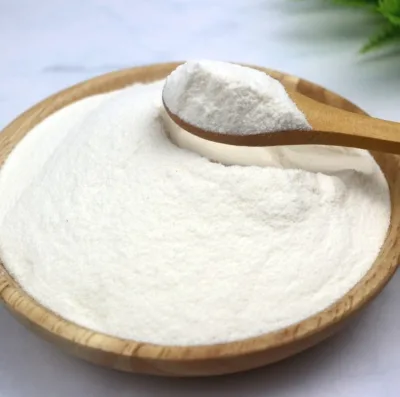


Non Dairy Creamer - Natural Odorless Milk Replacer Powder for Creamy Beverages
$1020.00 - $1305.00
MOQ: 1 Tons


$2500.00 - $3500.00
MOQ: 5 Tons


Comprehensive Sourcing Guide
Strategic Sourcing Guide for Natural Goat Milk Replacer Powder
Understanding Product Specifications and Formulations
When sourcing Natural Goat Milk Replacer Powder, buyers must first establish a clear understanding of the technical specifications that define the product's identity and utility. The market offers variations in physical form, with the primary observation being a dry, white powder. This appearance is critical for ensuring the product has undergone proper processing and drying to prevent microbial growth and maintain stability during transport. The core formulation often centers on high protein content, with specific observations indicating milk protein levels around 70% and active substance content exceeding 90% in certain concentrated variants. These figures represent significant nutritional density, making the product suitable for applications ranging from health supplements to direct pet nutrition.
The physical state of the product is consistently observed as a powder, which facilitates easier mixing and dosage control compared to liquid alternatives. Packaging specifications vary widely, ranging from small retail units like 5g x 15 packs to bulk industrial containers such as 1kg bags or aluminum foil bags. The choice of packaging material is a vital technical consideration; while some listings indicate plastic packaging, others specify aluminum foil for superior barrier protection against moisture and light. Buyers should verify that the packaging material aligns with the intended shelf life and storage conditions. For instance, products requiring "cool dried storage" or "normal temperature" storage must be matched with packaging that prevents humidity ingress, which could compromise the "dry" appearance and nutritional integrity of the powder.
Nutrient composition is another pillar of specification. The product is frequently characterized by its high protein content, serving as a primary nutrient source. However, the specific "nutrient composition" can vary based on the extraction method. Some data points suggest solvent extraction is utilized in certain processing lines, while others emphasize a "wild" cultivation method for the source material. This distinction is crucial for buyers targeting "organic" or "natural" market segments. The presence of "organic" features in product descriptions suggests a specific supply chain requirement, yet buyers must confirm if this applies to the entire batch or specific product lines. The "food grade" classification is a baseline requirement, ensuring the raw materials meet safety standards for human or animal consumption, though the specific grade certification should be validated against local regulations.
Compliance, Certification, and Regulatory Verification
Navigating the compliance landscape for goat milk powder requires rigorous verification of standards and certifications, as the supply chain for natural dairy products is highly regulated. While specific certification names are not universally provided in general listings, the "food grade" status serves as a fundamental indicator of safety. Buyers must insist on documentation proving that the product meets the specific food safety standards of the destination country. For instance, the "prod_standard" field in some product data references purity levels like 99%, but this should be treated as a claim requiring third-party verification rather than an absolute guarantee.
Regulatory compliance extends beyond the product itself to the manufacturing origin. The supply chain for these products often originates from specific regions in China, such as Shandong or Shaanxi. While these locations are noted as places of origin, buyers must verify that the manufacturing facilities in these regions hold the necessary licenses to export dairy products. The "wild" cultivation method mentioned in some contexts implies a specific sourcing strategy that may require additional ecological or agricultural certifications to validate the "natural" claim. Without explicit certification data, buyers should request proof of origin and processing compliance from the supplier.
Furthermore, the "extraction type" and "cultivation method" are areas where regulatory scrutiny is high. If a product claims to be "organic," it must adhere to recognized organic standards, which vary by jurisdiction. Buyers should not assume that a "natural" label equates to organic certification. Similarly, the "solvent extraction" method, if present, requires verification that the solvents used are food-grade and fully removed during processing to ensure no residual contamination. The "grade" of the product, listed as "food grade," is a minimum threshold; buyers should seek higher-grade certifications if the product is intended for vulnerable populations, such as puppies or infants, or for premium health supplement markets.
Cost Drivers and Pricing Dynamics
The pricing structure for Natural Goat Milk Replacer Powder is influenced by a complex interplay of factors, including raw material sourcing, processing complexity, and packaging requirements. The observed price range in the market is extensive, spanning from $1.25 to $3,900. This wide variance is not indicative of quality differences alone but reflects differences in order volume, packaging format, and product concentration. A unit price of $1.25 likely corresponds to bulk raw material or small sample units, whereas the upper end of the range may reflect specialized, high-concentration formulations or small-batch custom orders.
Order volume is a primary driver of cost. The Minimum Order Quantity (MOQ) ranges from 1 to 5,000 units, offering flexibility for small buyers but potentially increasing the per-unit cost for those unable to meet higher volume thresholds. Buyers seeking to optimize costs should aim for the higher end of the MOQ spectrum, where economies of scale typically reduce the unit price. However, the "customization" aspect, including OEM/ODM capabilities, introduces additional cost variables. Custom formulations, specific packaging designs, or unique branding requirements will invariably increase the total cost compared to standard off-the-shelf products.
Packaging also plays a significant role in cost determination. The transition from simple plastic bags to aluminum foil bags or custom boxes adds material and processing costs. Additionally, the "single gross weight" and "single package size" (e.g., 10x10x10 cm) affect logistics costs. Heavier or bulkier packages increase shipping expenses, which can be a hidden cost driver for international buyers. Buyers should request a detailed breakdown of costs, separating the product price, packaging, and logistics to understand the true cost of ownership. The "shelf life" of 24 months or longer also impacts pricing, as longer shelf life often requires more advanced preservation technologies or higher-quality raw materials, which can command a premium.
Typical Applications and Market Segments
The applications for Natural Goat Milk Replacer Powder are diverse, spanning from pet nutrition to human health supplements. The "application" field frequently cites "Puppy Pet" and "Adult Pet," indicating a strong market presence in the animal care sector. The product is specifically noted as suitable for "Dogs of All Ages," suggesting a versatile formulation that can support growth in puppies and maintenance in adult dogs. The "milk" flavor and "nutrition balanced" attributes make it an ideal additive for pet food or a standalone supplement for animals with specific dietary needs.
Beyond the pet sector, the product is also categorized under "Health Food" and "Health Supplement" for human consumption. The high protein content and "natural" origin appeal to consumers seeking clean-label supplements. The "active substances" content, reported as exceeding 90% in some variants, positions the product for use in functional foods or dietary supplements where potency is a key selling point. The "milk protein" content of 70% further supports its use in nutritional recovery or muscle-building supplements.
The versatility of the product allows it to be adapted for various "applicable groups." While the primary focus appears to be on dogs, the "health food" classification implies potential use in human markets. Buyers should verify the specific regulatory status of the product in their target market to ensure it can be legally marketed for human consumption. The "wild" cultivation method and "organic" features are particularly attractive to niche markets that prioritize sustainability and natural sourcing. These attributes can be leveraged to differentiate the product in competitive markets, provided the claims are substantiated by verifiable documentation.
Supplier Evaluation and Selection Criteria
Selecting the right supplier for Natural Goat Milk Replacer Powder requires a multi-faceted evaluation process that goes beyond simple price comparison. The "customization" and "OEM/ODM" capabilities are critical indicators of a supplier's flexibility and technical competence. Buyers should assess whether the supplier can accommodate specific formulation requests, such as adjusting protein levels or altering the extraction method to meet unique product requirements. The availability of samples is another key factor; suppliers that offer samples allow buyers to conduct their own quality assessments before committing to large orders.
Geographic location and logistics capabilities are also essential considerations. With origins noted in Shandong and Shaanxi, buyers must evaluate the supplier's ability to manage international shipping and customs clearance efficiently. The "place of origin" can influence the perceived quality of the product, but it is the supplier's track record and logistics network that ultimately determine reliability. Buyers should request references from other international clients to verify the supplier's consistency in meeting delivery timelines and quality standards.
The "storage method" and "storage conditions" provided by the supplier are indicative of their operational maturity. Suppliers that recommend "cool dried storage" or "normal temperature" storage demonstrate an understanding of the product's sensitivity to environmental factors. This knowledge is crucial for maintaining product integrity during transit and storage. Buyers should also evaluate the supplier's quality control processes, including their approach to testing for "active substances" and ensuring the "milk protein" content meets specifications. A supplier with a robust quality assurance system is more likely to deliver consistent, high-quality products.
Quality Control and Long-Term Procurement Strategy
Implementing a rigorous quality control (QC) protocol is essential for mitigating risks associated with sourcing Natural Goat Milk Replacer Powder. Buyers should establish clear acceptance criteria based on the observed specifications, such as the "dry" appearance, "white powder" color, and specific protein content. Regular third-party testing should be conducted to verify the "active substances" content and ensure the product meets the claimed purity levels. The "shelf life" of 24 months or more should be validated through stability testing to confirm that the product remains safe and effective throughout its intended duration.
Long-term procurement strategies should focus on building a resilient supply chain that can adapt to market fluctuations and regulatory changes. Buyers should consider diversifying their supplier base to reduce dependency on a single source. This approach helps mitigate risks related to production disruptions, quality inconsistencies, or geopolitical issues. Additionally, establishing long-term contracts with suppliers who offer "customization" and "OEM/ODM" services can provide stability and ensure a steady supply of tailored products.
Continuous monitoring of market trends and regulatory updates is also vital. As consumer preferences shift towards "organic" and "natural" products, buyers must stay informed about new standards and certification requirements. Proactive engagement with suppliers to align with these trends can provide a competitive advantage. Finally, maintaining open communication with suppliers regarding quality issues and performance metrics ensures that any deviations are addressed promptly, safeguarding the integrity of the procurement process and the reputation of the buyer's brand.
Comparative Analysis of Product Attributes
To facilitate informed decision-making, the following table summarizes key product attributes observed in the market, highlighting variations that buyers should consider during the sourcing process.
| Attribute | Observation A | Observation B | Observation C | Buyer Verification Focus |
|---|---|---|---|---|
| Form | Powder | Powder | Powder | Consistency in texture and solubility |
| Appearance | Dry | White Powder | White Powder | Visual inspection for discoloration |
| Protein Content | 70% | >90% (Active) | High | Third-party lab testing for accuracy |
| Packaging | Box | Aluminum Foil Bag | Plastic | Moisture barrier and shelf life impact |
| Origin | Shandong | Shaanxi, China | China | Facility audits and export licenses |
| Shelf Life | 24 Months | >12 Months | 24 Months | Stability testing under storage conditions |
| Application | Pet (Puppy/Adult) | Health Food | Health Supplement | Regulatory compliance for target market |
| Customization | OEM/ODM Available | Custom Made | Available | MOQ flexibility and formulation changes |
This comparison underscores the importance of verifying specific attributes against the buyer's requirements. While many products share common characteristics like the powder form and white appearance, differences in packaging, origin, and protein content can significantly impact the product's suitability for specific applications. Buyers should use this framework to conduct a detailed assessment of potential suppliers, ensuring that the selected product aligns with their quality standards and market needs.
FAQs
What is the shelf life of Natural Goat Milk Replacer Powder?
The shelf life is 24 months for most products. Some variants may exceed 12 months depending on storage conditions and packaging integrity.
Can buyers request custom packaging for this product?
Yes, customization is available including OEM and ODM services. Buyers can specify packaging types like boxes or aluminum foil bags to meet their needs.
Which locations supply Natural Goat Milk Replacer Powder?
Products originate from Shandong and Shaanxi in China. Buyers should verify specific factory locations to ensure logistics compatibility and quality standards.
How is the milk protein content defined in this powder?
The milk protein content is observed at 70 percent in specific formulations. This high protein level supports its use as a health supplement or pet nutrition.
What is the minimum order quantity for this product?
The minimum order quantity ranges from 1 to 5000 units. Lower MOQs allow for sample testing while higher volumes typically reduce unit costs.
How should the powder be stored to maintain quality?
Store in a cool dried environment or at normal temperature. Proper storage prevents moisture ingress and maintains the dry white powder appearance.
Which application groups can consume this goat milk powder?
It is suitable for dogs of all ages including puppies and adults. The product also serves as a health food supplement for human consumption.