Find Natural Grape Seed Extract for Medicine, Food, and Health Care
Source Natural Grape Seed Extract from 30 verified suppliers offering various forms like powder and capsules. Compare specifications including OPC content, assay methods, and packaging options for medicine, food, and health care applications.
Key considerations
Products List


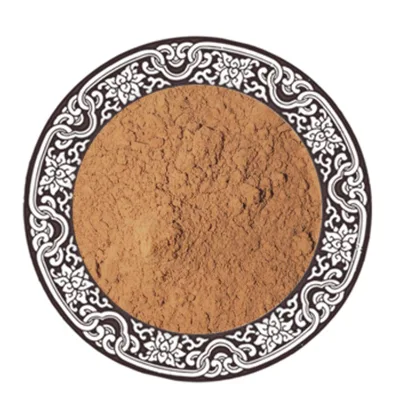
Manufacturers Supply Grape Seed Extract Natural Supplement Grape Seed Extract
$25.43 - $30.51
MOQ: 1 Minimum


Comprehensive Sourcing Guide
Strategic Sourcing Guide for Natural Grape Seed Extract
Understanding Product Specifications and Variants
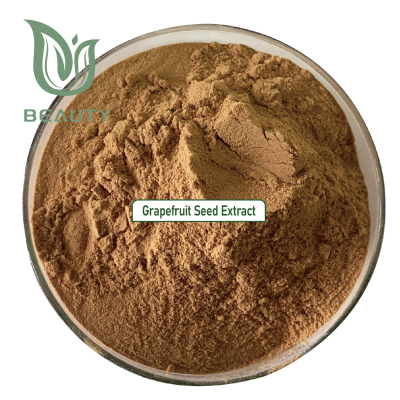
When initiating a procurement strategy for Natural Grape Seed Extract, buyers must first distinguish between the various forms and specifications available in the global market. The core botanical source is consistently identified as Vitis Vinifera L., with the specific plant part utilized being the seed. The physical state of the product is predominantly a powder, though the visual appearance can vary. Market observations indicate a spectrum ranging from a standard brown powder to a distinct red-brown powder, depending on the extraction ratio and processing methods employed by the manufacturer.
A critical differentiator in this category is the concentration of active compounds. Procurement teams should verify the specific standardization levels required for their application. Available data points to high-confidence specifications such as 95% OPC (Oligomeric Proanthocyanidins) and 80% Polyphenols. These metrics are essential for ensuring the potency of the final product. Furthermore, the mesh size is a vital physical specification, with 80 mesh being a documented standard that influences the solubility and mixing characteristics of the powder in downstream manufacturing processes.
The extraction solvent used is another technical parameter that defines the purity and safety profile of the extract. Ethanol and water are the recognized solvents for this process, ensuring a clean extraction without residual toxic chemicals. The bulk density of the powder typically falls within the range of 0.4-0.6g/Ml, a factor that impacts packaging efficiency and shipping volume calculations. Buyers must also note the existence of different model numbers, such as MS001-A, MS-T23, and GTD, which often correspond to specific ratios of extract or standardization levels. Understanding these model distinctions is the first step in aligning supplier offerings with internal R&D requirements.
Compliance, Certification, and Regulatory Alignment
In the B2B procurement of natural ingredients, particularly those destined for food, medicine, and health care products, regulatory compliance is non-negotiable. The primary certification standards observed in the supply chain for grape seed extract include HACCP (Hazard Analysis and Critical Control Points) and ISO certifications. These frameworks indicate that the supplier has established systems to manage food safety and quality management processes. However, buyers should not assume that every listed product automatically possesses these certifications; verification of current, valid certificates for the specific batch or production line is required.
The grade of the material is another critical compliance factor. The supply chain typically offers Food Grade products, which is the baseline requirement for ingredients entering the food and beverage sector. For applications in medicine or dietary supplements, the regulatory landscape may demand additional purity tests or heavy metal screening that goes beyond standard food grade definitions. The origin of the product, specifically noted as China, with specific regions like Shanxi being a point of origin, influences the regulatory framework applicable to the shipment. Importers must ensure that the supplier's facility is registered and compliant with the importing country's specific agricultural and food safety regulations.
Furthermore, the "wild" cultivation method noted in some product listings presents a unique compliance consideration. Unlike cultivated crops, wild-harvested ingredients require strict documentation to prove sustainable harvesting practices and the absence of environmental contaminants. Buyers must request evidence of sustainable sourcing protocols to mitigate risks associated with wild harvesting. The storage requirements, such as keeping the product in a cool, dry place or a neutral cardboard barrel in a shady area, are also part of the compliance chain, as improper storage can lead to degradation and non-compliance with shelf-life claims.
Cost Drivers and Pricing Dynamics
The pricing of Natural Grape Seed Extract is influenced by a complex interplay of factors, including the concentration of active ingredients, the extraction method, and the scale of the order. The observed market price range spans from $0.78 to $270 per unit, a wide variance that reflects the difference between bulk raw powder and highly standardized, high-potency extracts. The primary cost driver is the assay method and the resulting concentration of proanthocyanidins. Products standardized to 95% OPC or 80% polyphenols command a premium over those with lower standardization levels or those sold as ratio extracts.
Packaging specifications also significantly impact the final cost. The standard packaging involves a 25kg drum with a double-deck plastic bag inside, or a paper drum. While this is efficient for bulk shipping, smaller packaging options or custom branding can increase the unit price. The Minimum Order Quantity (MOQ) is another critical cost determinant, with observed ranges from 1 to 1000 units. Buyers purchasing in smaller quantities will inevitably face a higher per-unit cost compared to those securing bulk shipments that maximize container utilization.
Lead times and logistics costs further influence the total landed cost. A lead time of 3-7 working days is common for ready stock, but this can extend based on production schedules and shipping methods. The choice between air freight, sea freight, or courier services like DHL and FedEx will drastically alter the final price. Sea freight is generally more cost-effective for large volumes, while air freight is necessary for urgent, smaller orders. Payment terms, including T/T, Western Union, and PayPal, also play a role in the financial dynamics, as different terms may carry different risk premiums or transaction fees.
Typical Applications and Formulation Considerations
Natural Grape Seed Extract is a versatile ingredient utilized across multiple industries, primarily driven by its functional properties. The core applications include the food and beverage sector, health care products, and medicine. The specific functional attributes of the extract, such as antioxidant activity, weight control support, and obesity reduction, make it a valuable additive for functional foods, dietary supplements, and therapeutic formulations. The product is often marketed with key keywords such as "Active Ingredient Polyphenol Resveratrol," "Grape Seed Powder," and "OPC Proanthocyanidin Powder," which guide formulators in selecting the right ingredient for their specific health claims.
The physical form of the extract dictates its application in manufacturing. The powder state allows for versatile incorporation into various dosage forms. Common application forms include capsules, tablets, and lotions. For solid dosage forms like capsules and tablets, the flowability and bulk density of the powder are critical. The 80 mesh size and the characteristic odor and taste of the extract must be compatible with the final product's sensory profile. In the case of lotions, the solubility of the extract in the chosen solvent system is paramount. The extract solvent, typically ethanol and water, must be compatible with the cosmetic base to ensure stability and efficacy.
Formulators must also consider the shelf life of the final product. The extract itself has a shelf life of 2 to 3 years when stored properly, but the interaction with other ingredients in a formulation can alter this timeline. The storage conditions, such as keeping the product in a neutral cardboard barrel or a cool, dry place, must be maintained throughout the supply chain to preserve the antioxidant properties. The expiration date of 3 years is a standard benchmark, but buyers should verify the stability data for their specific formulation to ensure the product remains effective throughout its intended market life.
Supplier Evaluation and Quality Control Protocols
Evaluating a supplier for Natural Grape Seed Extract requires a rigorous assessment of their technical capabilities and quality control infrastructure. Buyers should look for suppliers who offer customization services, as this indicates a flexible manufacturing process capable of meeting specific formulation needs. The availability of samples, such as "Grape Seed Avaliable," is a crucial step in the evaluation process, allowing buyers to verify the physical appearance, odor, and taste before committing to a bulk order.
Quality control should be anchored in the use of standardized assay methods. The documented methods for grape seed extract include UV (Ultraviolet) and HPLC (High-Performance Liquid Chromatography). These methods are essential for accurately quantifying the levels of OPC and polyphenols. Buyers must request Certificate of Analysis (CoA) reports that utilize these specific methods to verify the potency claims. The presence of a specific model number, such as MS001-A or GTD, on the CoA helps in tracking the exact batch and production parameters.
Supplier reliability is also measured by their logistical capabilities. The ability to ship via multiple channels, including DHL, FedEx, airfreight, and sea freight, demonstrates a robust supply chain. The lead time of 3-7 working days suggests a responsive operation, but buyers should confirm this during peak seasons. Additionally, the packaging integrity is a key quality control point. The standard 25kg drum with double-deck plastic bags is designed to protect the product from moisture and contamination, but buyers should inspect the packaging upon receipt to ensure it remains intact.
Long-Term Procurement and Supply Chain Resilience
Sourcing Natural Grape Seed Extract is not merely a transactional activity but a strategic partnership that requires long-term planning. The variability in the "wild" cultivation method necessitates a deep understanding of the supply chain's sustainability. Buyers should engage with suppliers who can provide consistent quality over time, despite the natural variations inherent in wild-harvested materials. This often involves establishing long-term contracts that include quality assurance clauses and regular auditing of the supplier's facilities.
Inventory management is another critical aspect of long-term procurement. Given the shelf life of 2 to 3 years, buyers must balance their stock levels to avoid expiration while maintaining sufficient inventory to meet production demands. The storage requirements, such as the need for a cool, dry place, must be integrated into the buyer's warehouse management system to prevent degradation. The expiration date of 3 years provides a buffer, but first-in, first-out (FIFO) protocols are essential to ensure the oldest stock is used first.
Finally, the financial stability of the supplier and the flexibility of payment terms are vital for long-term success. The availability of payment methods like T/T, Western Union, and PayPal offers flexibility, but buyers should negotiate terms that align with their cash flow needs. As the market for natural ingredients continues to evolve, maintaining a relationship with a supplier who can adapt to changing standards and regulations will be crucial. By focusing on technical specifications, compliance, and supply chain resilience, buyers can secure a reliable source of high-quality Natural Grape Seed Extract for their operations.
FAQs
What certifications do Natural Grape Seed Extract suppliers typically hold?
Suppliers typically hold HACCP and ISO certifications for food safety and quality management. Buyers must verify current certificates for specific batches, as not every listed product automatically possesses these credentials without explicit confirmation.
Which specifications define the potency of Natural Grape Seed Extract?
High-confidence specifications include 95% OPC and 80% Polyphenols for standardization levels. The product is also available as a ratio extract, and the mesh size is commonly documented as 80 for solubility and mixing characteristics.
How is Natural Grape Seed Extract packaged for bulk shipping?
Standard packaging involves a 25kg drum with a double-deck plastic bag inside. Some listings specify a paper drum, while others use neutral cardboard barrels to ensure protection from moisture and contamination during transit.
Can Natural Grape Seed Extract be customized for specific applications?
Yes, customization is available to meet specific formulation needs. Buyers can request samples to verify physical appearance and odor, ensuring the extract fits their requirements for capsules, tablets, or lotions before committing to bulk orders.
What is the lead time for sourcing Natural Grape Seed Extract?
The typical lead time is 3 to 7 working days for ready stock. This duration may vary based on production schedules, shipping methods like air or sea freight, and the specific model number or specification requested.
Where is Natural Grape Seed Extract typically sourced from?
The product origin is China, with specific regions like Shanxi noted as points of origin. Buyers must ensure the supplier's facility is registered and compliant with importing country regulations, especially for wild-cultivated materials.