Source Natural Red Crystal Bead for Jewelry, Gifts, and Decor
Compare 30 listings for Natural Red Crystal Bead options suitable for jewelry making, gift packaging, and home decoration. Buyers can review specifications, pricing, and customization details to find the right supplier for their needs.
Key considerations
Products List







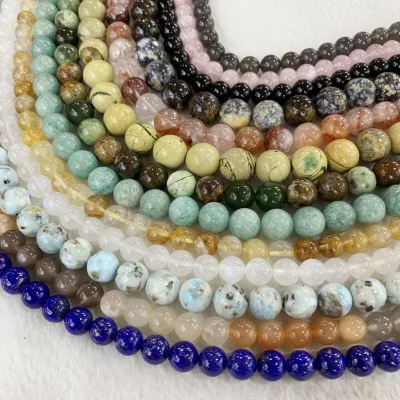
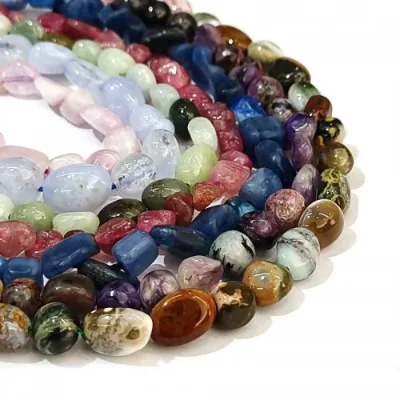
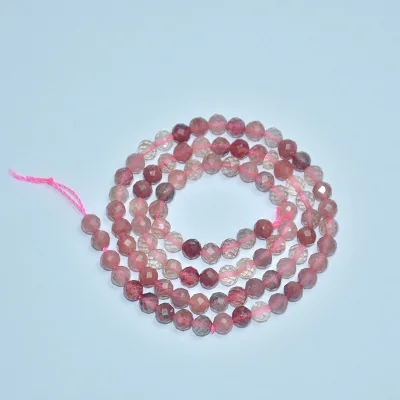


Comprehensive Sourcing Guide
Strategic Sourcing Guide for Natural Red Crystal Beads
Understanding Product Attributes and Material Variability
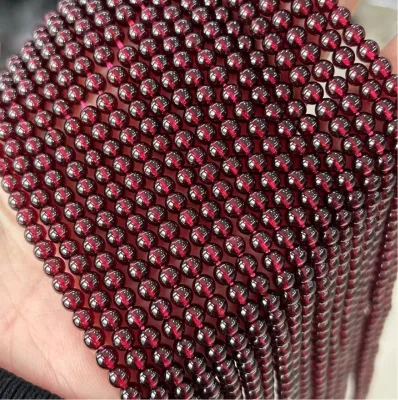
When initiating a procurement strategy for natural red crystal beads, the primary challenge lies in distinguishing between genuine natural stone and synthetic or glass alternatives that often appear in the same market segment. The supply landscape for this core keyword reveals a significant divergence in material composition. While the search term specifies "natural," the available product data indicates a mix of materials including "Natural Crystal," "Stone," "Glass," and "Glass Stone." A critical observation from the current market inventory is the presence of items explicitly labeled as "Synthetic (Lab Created)" with a "Gemstone Material" of "Glass" and a color of "Dark Red." This distinction is paramount for buyers who require authentic geological materials versus those open to high-quality simulants.
The physical specifications of these beads vary widely, influencing both the aesthetic outcome and the functional application. Observed data points to a broad range of sizes, with specific listings offering diameters of 6mm, 8mm, and 10mm, while other entries suggest a continuous range from 1mm to 30mm. The shape is predominantly "Round," with some variations featuring "Flowers" or "Beads" as the primary form factor. The surface treatment is consistently noted as "Polished," which enhances the luster and visual appeal of the red hue. Weight is another critical variable; individual units can be as light as 0.080 kg per single package, while finished bracelet assemblies may weigh around 25g. Buyers must verify the specific material composition of each lot, as the term "Natural Crystal" in one listing may refer to a different geological origin than the "Stone" or "Glass Stone" found in others.
Technical Specifications and Dimensional Precision
Precision in manufacturing is a key determinant of quality for bead procurement. The technical specifications provided in the market data highlight several critical parameters that buyers must evaluate during the sampling phase. The "Cutting" style is identified as "Round Brilliant Cut," a technique designed to maximize light reflection and enhance the perceived depth of the red color. This cutting method requires a high degree of skill to ensure uniformity across the batch. The "Quality" grade observed in the inventory is marked as "AA," which typically denotes a high standard of clarity and color saturation, though buyers should confirm if this grading aligns with their specific internal quality standards.
Dimensional consistency is equally important, particularly for applications requiring stringing or intricate weaving. The "Item Diameter" specifications of 6mm, 8mm, and 10mm suggest a modular approach to sizing, allowing for versatile design options. However, the presence of a "Size" range from 1mm to 30mm indicates that suppliers may offer custom sizing capabilities. The "Single package size" of 5x5x5 cm provides insight into the logistical footprint of individual units, which is useful for calculating shipping volumes and storage requirements. Furthermore, the "Single gross weight" of 0.080 kg per item serves as a baseline for freight cost calculations, though this will vary significantly based on the total quantity and the density of the specific stone material used.
Compliance, Certification, and Safety Standards
For B2B buyers, particularly those targeting markets in Europe and North America, compliance with safety and environmental standards is non-negotiable. The product data explicitly lists "SGS," "BV," and "Intertek" as accepted certifications. These are third-party inspection agencies that verify product quality and safety, providing a layer of assurance for international trade. The "Quality Standard" is noted as "Us Standard," which implies adherence to specific American regulatory frameworks, though buyers should verify if this applies to the specific material composition of the beads.
A critical aspect of compliance for jewelry and decorative beads is the absence of hazardous substances. The inventory data confirms that the products are "Lead Free," "Nickle Free," and "Cadmium Free." These attributes are essential for products intended for skin contact, such as bracelets or necklaces, to prevent allergic reactions and ensure long-term safety. The "Eco-Friendly" designation further supports the sustainability profile of the product, which is increasingly important for brands marketing to environmentally conscious consumers. Buyers should request specific test reports from the supplier that correspond to the listed certifications (SGS, BV, Intertek) to validate these claims for their specific order batch.
Cost Drivers and Economic Factors
The pricing structure for natural red crystal beads is influenced by a complex interplay of material costs, manufacturing complexity, and order volume. The observed price range in the market spans from $0.01 to $1850 USD, a vast disparity that reflects the difference between raw loose beads and finished, high-value jewelry pieces. The "MOQ" (Minimum Order Quantity) varies significantly, ranging from 1 piece to 2000 pieces, with specific listings indicating an MOQ of 1000 PCS for certain synthetic or glass options. This variability allows buyers to tailor their procurement strategy based on their budget and inventory needs.
Several factors drive the cost of these beads. The material source is the primary driver; "Natural Crystal" and "Stone" generally command higher prices than "Glass Stone" or "Synthetic" alternatives due to the scarcity and extraction costs of natural resources. The "Cutting" process, specifically the "Round Brilliant Cut," adds labor costs compared to simpler shapes. Additionally, the "Plating" options, such as "Silver," can increase the unit price if the beads are part of a finished assembly. The "Customization" availability and "OEM&ODM" acceptance suggest that bespoke designs will incur higher costs due to the setup and tooling required. Buyers should analyze the total cost of ownership, including shipping and potential duties, rather than focusing solely on the unit price, especially given the wide range of observed prices.
Typical Applications and Market Segmentation
The versatility of natural red crystal beads makes them suitable for a diverse array of applications. The "Usage" category in the product data includes "Decoration," "Health," "Gift," "Collection," and "Other." This broad utility allows buyers to target multiple market segments simultaneously. The "Occasion" is listed as "Informal Occasions," while the "Suitable" attributes expand to include "Engagement," "Party," "Wedding," "Other," and "Halloween." This indicates that the beads are used in both casual and formal jewelry settings, as well as in thematic decorations.
The "Main Market" for these products is identified as "Europe," "North America," and "Russia," suggesting a strong global demand. In these regions, the "Style" preferences lean towards "Simple" and "European" designs, which aligns with the "Flowers" and "Round" shapes observed. The "Brand Name" entries, such as "JOYFFO" and "Stars Gem," indicate that some suppliers operate with established branding, while others may offer white-label solutions. The "Type" of product ranges from "Bracelets" to "Beads," allowing for flexibility in the final product offering. Buyers should consider the end-user's expectations for the "Color," which is predominantly "Red" or "Dark Red," and ensure that the "Beads Colour" matches the visual expectations set by the "As Picture" descriptions.
Supplier Evaluation and Quality Control Protocols
Evaluating suppliers for natural red crystal beads requires a rigorous approach to quality control and verification. The "prod_origin" is listed as "Yiwuzhejiang" and "Cn" (China), with "Place of Origin" specifically noted as "Zhejiang, China." This geographic concentration suggests a robust supply chain ecosystem, but it also necessitates careful vetting to ensure consistency. The "prod_packing" options include "One Piece One OPP Bag" and custom packaging "According to Customer Request," which offers flexibility for branding and protection during transit.
Quality control should focus on verifying the "Gemstone Type" and "Gemstone Color" against the agreed specifications. For natural stones, variations in color intensity and inclusions are expected, but for synthetic or glass items, consistency is key. The "Quality" grade of "AA" should be validated through physical inspection of a random sample from the production batch. Buyers should also verify the "Surface Treatment" to ensure the "Polished" finish is uniform and free of scratches or dull spots. The "Standard" of "customed" implies that suppliers may offer tailored quality parameters, which should be clearly defined in the purchase agreement. Additionally, the "OEM&ODM" acceptance indicates that suppliers are capable of adapting to specific design requirements, but this requires clear communication of technical drawings and material specifications.
Long-Term Procurement and Supply Chain Resilience
Sourcing natural red crystal beads for long-term business success requires a focus on supply chain resilience and adaptability. The "Customization" availability and "OEM&ODM" acceptance are strong indicators of a supplier's ability to scale and adapt to changing market trends. The "Standard" of "customed" suggests that suppliers are flexible in meeting unique buyer requirements, which is crucial for maintaining a competitive edge. However, buyers must be mindful of the "Lead Time" and "MOQ" constraints, which can vary significantly between suppliers.
To mitigate risks, buyers should establish a diversified supplier base, potentially sourcing from different locations within the "Zhejiang" region to avoid single-point failures. The "Main Market" data suggests that demand is stable in Europe and North America, but buyers should monitor trends in these regions for shifts in style or material preferences. The "Eco-Friendly" attributes of the products align with global sustainability trends, making them a viable option for long-term procurement strategies that prioritize environmental responsibility. Finally, maintaining open communication regarding "Quality Standard" and "Certification" requirements will ensure that the supply chain remains compliant and reliable over time. By focusing on these strategic elements, buyers can build a robust procurement framework that supports growth and market responsiveness.
FAQs
What certifications are available for natural red crystal beads?
Products are available with SGS, BV, and Intertek certifications. These third-party verifications ensure quality and safety standards are met for international trade requirements.
Can I customize the packaging for natural red crystal beads?
Yes, customization is available for packaging according to customer requests. Suppliers offer options ranging from individual OPP bags to bespoke solutions tailored to your brand needs.
Which materials are used for red crystal beads in this catalog?
Materials include natural crystal, stone, glass, and glass stone. Buyers must verify specific listings as the inventory contains both genuine natural stones and synthetic lab-created glass options.
How is the quality grade defined for these red beads?
The observed quality grade is AA, indicating high clarity and color saturation. This standard applies to the polished surface treatment and round brilliant cut finishes found in the inventory.
What is the minimum order quantity for natural red crystal beads?
The MOQ ranges from 1 to 2000 pieces depending on the specific product. Some synthetic glass options have a specific MOQ of 1000 pieces, while others allow smaller trial orders.
Are the red crystal beads safe for skin contact?
Yes, the products are lead-free, nickel-free, and cadmium-free. These eco-friendly attributes ensure safety for jewelry applications like bracelets and necklaces intended for direct skin contact.
Which markets primarily import these red crystal beads?
The main markets are Europe, North America, and Russia. This global demand supports the availability of diverse styles including simple and European designs for various occasions.