Source Natural Red Lycopene Powder for food, cosmetics, and supplements
Compare 30 listings of Natural Red Lycopene Powder from verified Chinese suppliers. Buyers can evaluate extraction methods, assay results, and packaging options for food, cosmetic, and capsule applications.
Key considerations
Products List


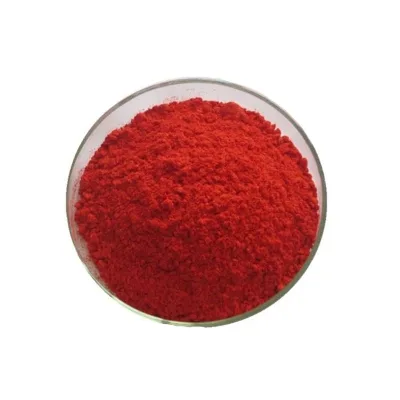


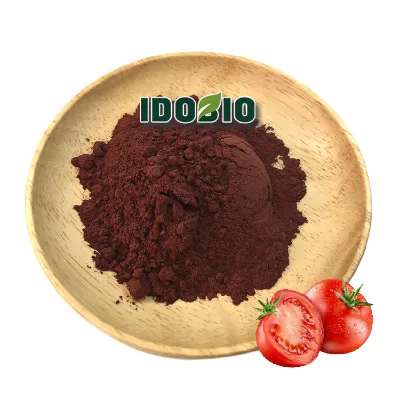
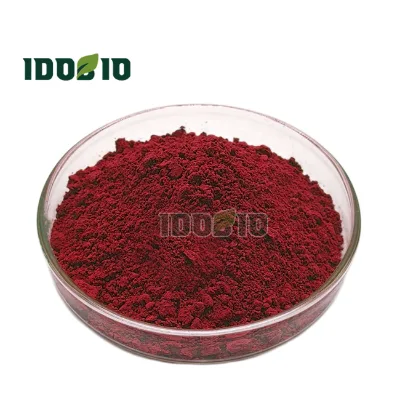


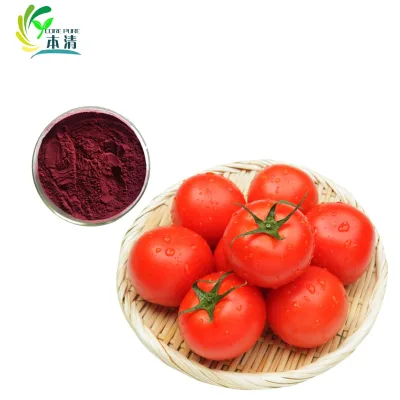
Comprehensive Sourcing Guide
Natural Red Lycopene Powder Sourcing Guide
Sourcing Natural Red Lycopene Powder requires a disciplined approach to verifying botanical authenticity, extraction integrity, and regulatory compliance. This guide provides evidence-based procurement strategies for buyers seeking high-quality lycopene derived from Solanum Lycopersicum L (tomato). The focus is on aligning technical specifications with commercial terms while mitigating risks associated with adulteration, inconsistent potency, and non-compliant documentation.
Buyers must distinguish between synthetic alternatives and true botanical extracts. The supplied data confirms that Natural Red Lycopene Powder is typically sourced via solvent extraction from tomato fruit, with the whole plant or specific parts like the fruit or shell utilized depending on the supplier’s process. Understanding these botanical origins is critical for ensuring the product meets the expectations of clean-label formulations in food, cosmetic, and health supplement industries.
Product Scope and Observed Listing Signals
The market for Natural Red Lycopene Powder exhibits significant variation in appearance, grade, and packaging, reflecting diverse end-use applications. Observed listings indicate that the product appears as a red powder, with some suppliers specifying "Red Powder" while others simply list "Powder." The primary botanical source is consistently identified as tomato extract, with the Latin name Solanum Lycopersicum L serving as a key identifier. Buyers should verify that the "Part Used" aligns with their quality requirements, as some sources cite the fruit while others mention the shell or whole plant, which can impact the phytochemical profile.
Commercial signals reveal a wide range in minimum order quantities (MOQ) and packaging formats, suggesting flexibility for both pilot testing and bulk procurement. MOQs observed range from 1 kg to 1000 kg, allowing small businesses to order samples or small batches for formulation testing. Packaging varies from standard 25 kg drums to custom requests, with single package dimensions often noted around 20x15x15 cm. These logistical details are essential for calculating landed costs and storage requirements, particularly for buyers managing inventory in climate-controlled environments to preserve the antioxidant stability of the powder.
Technical Specifications to Verify
Assay potency is the most critical technical parameter for lycopene powder, directly influencing dosage efficacy and product pricing. Suppliers list assay standards ranging from 1% to 40%, with specific models like YNR-LYC and LYJK-Lycopene Powder indicating different concentration tiers. Buyers must confirm the exact percentage of lycopene content, as lower grades may require higher inclusion rates in final formulations, affecting cost-per-unit of active ingredient. Verification should be supported by recent HPLC (High-Performance Liquid Chromatography) test results, which is the standard method cited for assaying lycopene purity and concentration.
Beyond potency, buyers should evaluate the extraction type and associated impurities. The supplied facts indicate solvent extraction as the primary method, which necessitates rigorous verification of residual solvent levels to ensure safety for food and cosmetic applications. Additionally, the grade of the product—whether food grade, cosmetic grade, or health food grade—must match the intended application. Some listings mention anthocyanidin as a main ingredient, which may indicate a blended extract rather than pure lycopene; buyers must clarify whether the product is isolated lycopene or a broader tomato extract to avoid formulation errors.
Compliance and Safety Documentation
Regulatory compliance is non-negotiable for Natural Red Lycopene Powder, particularly given its use in ingestible and topical products. Suppliers should provide Material Safety Data Sheets (MSDS) to outline handling, storage, and hazard information. Furthermore, certifications such as ISO and FDA compliance are critical indicators of a supplier’s adherence to quality management systems and regulatory standards. Buyers must verify that these certifications are current and applicable to the specific product batch, as generic certification claims do not guarantee batch-specific compliance.
Allergen and contaminant testing is another vital aspect of safety documentation. While not explicitly detailed in the supplied facts, buyers should request certificates of analysis (CoA) that include tests for heavy metals, pesticides, and microbial contamination. Given that the product is derived from tomato fruit, cross-contamination with common allergens during processing is a potential risk. Ensuring that the supplier follows Good Manufacturing Practices (GMP) and provides transparent testing data helps mitigate liability and ensures the final product meets international safety standards for food and cosmetics.
Cost Drivers and Commercial Terms
Pricing for Natural Red Lycopene Powder is influenced by assay potency, extraction complexity, and order volume. The observed price range of $1 to $1200 USD reflects this variability, with higher potency grades (e.g., 10% or 40%) commanding premium prices. Buyers should analyze the cost per unit of active lycopene rather than the total price per kilogram to make accurate comparisons. Additionally, the availability of customization options allows buyers to tailor packaging and specifications, which may incur additional fees but can reduce waste and improve supply chain efficiency.
Commercial terms such as MOQ, lead times, and payment conditions significantly impact procurement strategy. While specific lead times are not provided in the supplied facts, buyers should negotiate clear delivery schedules to align with production planning. The flexibility in packaging, from 25 kg drums to custom requests, offers opportunities to optimize logistics costs. Buyers should also consider the availability of samples, which are noted as available, to conduct preliminary quality checks before committing to larger orders, thereby reducing the risk of receiving non-conforming goods.
Supplier Qualification and Quality Control
Supplier qualification begins with verifying the origin and cultivation methods of the raw materials. The supplied facts indicate that the product originates from China, with specific mentions of Shaanxi province, and that cultivation methods include artificial planting. Buyers should assess the supplier’s ability to trace raw materials back to the farm level to ensure consistency in quality and sustainability. Artificial planting may offer more controlled conditions compared to wild harvesting, potentially leading to more consistent lycopene content and reduced variability between batches.
Quality control processes should be rigorously evaluated, including the supplier’s internal testing protocols and third-party audit history. Buyers should request detailed information on how the supplier manages batch-to-batch consistency, particularly regarding the assay method and shelf life stability. The noted shelf life of two years suggests that proper storage conditions are critical; buyers should verify that the supplier uses appropriate packaging to protect the powder from light, heat, and moisture, which can degrade lycopene’s antioxidant properties. Establishing a clear quality agreement with defined acceptance criteria is essential for long-term supply stability.
Long-Term Procurement Checks
Long-term procurement success depends on continuous monitoring of supplier performance and market dynamics. Buyers should establish key performance indicators (KPIs) related to on-time delivery, product quality, and responsiveness to issues. Regular audits, whether on-site or virtual, can help ensure that the supplier maintains their claimed certifications and quality standards over time. Additionally, staying informed about regulatory changes in target markets, such as new restrictions on solvent residues or labeling requirements, is crucial for maintaining compliance.
Supply chain resilience is another critical factor for long-term sourcing. Buyers should diversify their supplier base to mitigate risks associated with geopolitical issues, natural disasters, or production disruptions. Given the observed MOQ flexibility, buyers can maintain relationships with multiple suppliers to balance cost and risk. Regularly reviewing contract terms and renegotiating based on volume commitments or market conditions can also help optimize costs. Finally, fostering open communication with suppliers regarding future needs and feedback can drive continuous improvement and strengthen the partnership.
FAQs
What is the primary appearance of Natural Red Lycopene Powder?
The product appears as a red powder derived from tomato fruit. It is classified as an antioxidant and is available in various grades including food and cosmetic specifications for different industrial applications.
Which certifications are available for this lycopene powder?
Certifications include MSDS, ISO, FDA, and ISO 9001 standards. These documents verify safety and quality compliance for international trade, ensuring the product meets regulatory requirements for food and cosmetic raw materials.
How is the lycopene content specified in the product?
The assay method uses HPLC to determine content ranging from 1% to 40%. Specific models like YNR-LYC offer a 10% minimum standard, while other variants provide flexible concentration levels based on extraction types.
Can buyers request custom packaging for this herbal extract?
Yes, customization is available for packaging requirements. Standard options include 25kg drums, but suppliers also accept requests for specific packaging dimensions and weights to suit diverse logistical and storage needs.
What is the minimum order quantity for this product?
The minimum order quantity starts at 1kg for single items. This low entry point allows buyers to test samples or place small orders while still accessing bulk pricing tiers for larger procurement volumes.
Where is the Natural Red Lycopene Powder sourced from?
The product originates from China, specifically from regions like Shaanxi. It is extracted from whole tomato plants using solvent extraction methods, ensuring a consistent supply of high-quality herbal extract for global markets.
What is the shelf life of the lycopene powder?
The product has a shelf life of two years when stored properly. This duration ensures stability for food and cosmetic applications, provided the packaging remains sealed and conditions are maintained as recommended.