Source Natural Roman Chamomile Oil for Cosmetics, Food, and Hair Care
Compare 30 listings for Natural Roman Chamomile Oil suitable for cosmetic raw materials, daily flavor applications, and industrial uses. Buyers can review specifications like CAS 8015-92-7 and packaging options ranging from 1kg to 180kg drums.
Key considerations
Products List


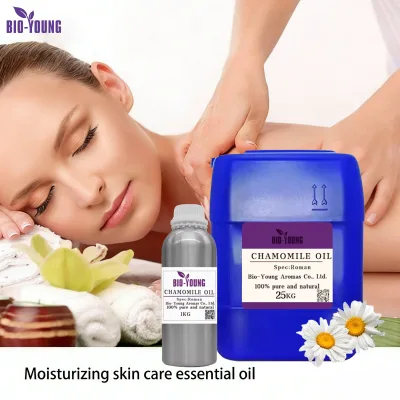
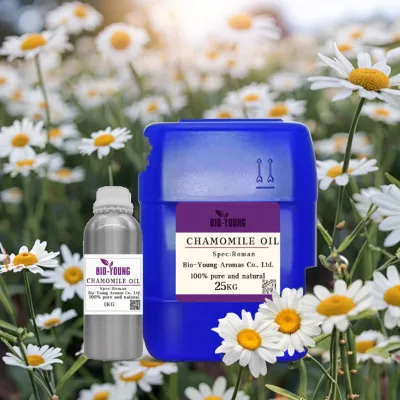
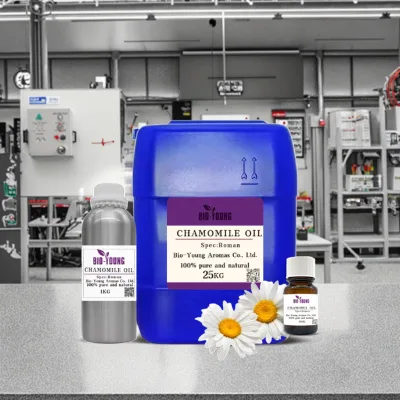
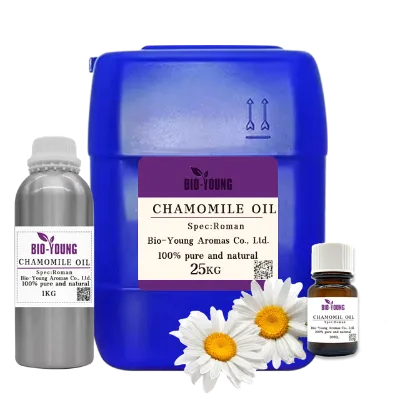
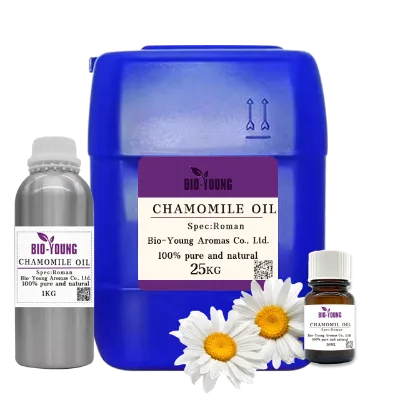
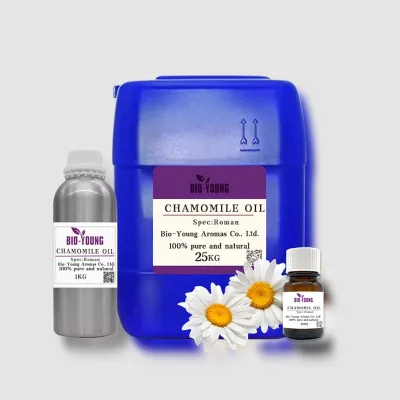
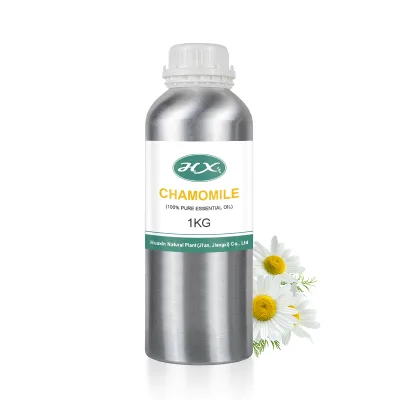
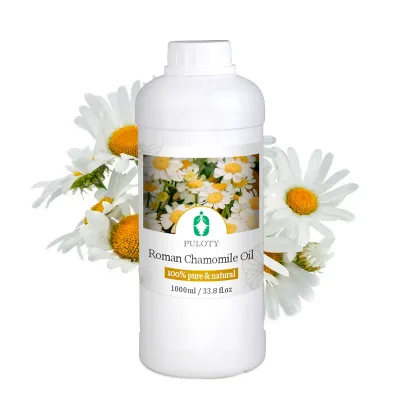
100% Pure Grade Roman Chamomile Oil for Sleep and Wellness,1KG for Bulk
$378.00 - $420.00
MOQ: 1 kilograms
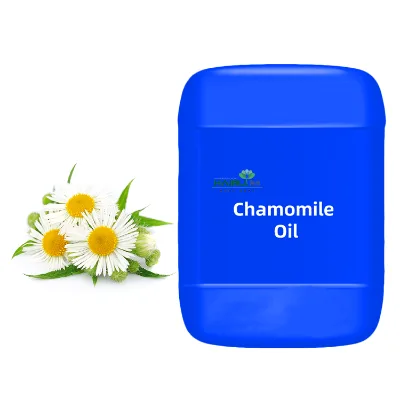
Wholesale Bulk Organic German Chamomile Essential Oil Supply Natural Body Care Essential Oil
$168.00 - $172.00
MOQ: 1 kilograms



Comprehensive Sourcing Guide
Strategic Sourcing Guide for Natural Roman Chamomile Oil
Understanding Product Specifications and Chemical Identity
When sourcing Natural Roman Chamomile Oil, buyers must first establish a precise understanding of the product's physical and chemical identity to avoid confusion with other chamomile varieties or synthetic alternatives. The core material is identified as a natural flavor and fragrance derived from flowers, specifically processed through distillation methods to ensure purity. The product is classified as a pure essential oil, often marketed under the designation of Roman Chamomile Oil, with a specific CAS number of 8015-92-7 serving as a critical verification point for chemical consistency.
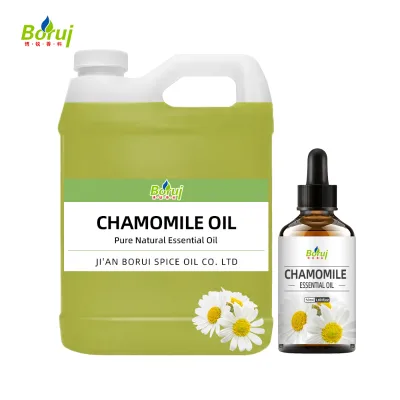
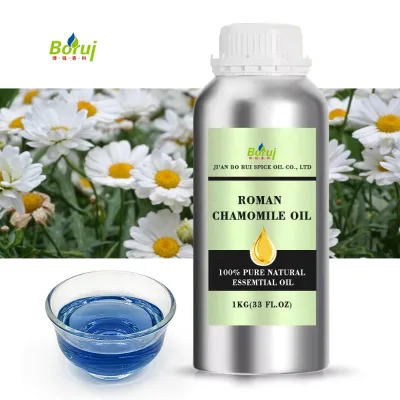
The physical state of the oil is liquid, typically presenting a color profile that ranges from pale blue to blue or greenish liquid, which is a characteristic indicator of the presence of specific sesquiterpene lactones. The standard appearance is described as a light yellow to yellow essential oil in some contexts, but the distinct blue hue is often the primary visual marker for high-quality Roman chamomile oil. The odor profile is characterized as characteristic, ethereal, and fruity, which distinguishes it from other floral scents.
Chemical composition is paramount for quality assurance. The oil contains specific esters that define its therapeutic and aromatic properties. Buyers should verify that the ISOBUTYL ANGELATE content falls within the range of 8% to 20%, and ISOAMYL ANGELATE should be present between 5% and 15%. These ranges are critical for validating the authenticity of the oil. Furthermore, physical constants such as the refractive index at 20℃ should be between 1.4300 and 1.4600, while the specific gravity at the same temperature should measure between 0.8800 and 0.9200. The optical rotation is another key metric, expected to range from -2℃ to +6℃. The EINECS number 616-968-8 and the FEMA number 2272 provide additional regulatory identifiers for international trade and safety assessments.
Compliance, Certification, and Regulatory Frameworks
Navigating the regulatory landscape is essential for B2B procurement, particularly when the oil is intended for food, cosmetic, or pharmaceutical applications. The product is available in various grades, including Food Grade, Pharma Grade, and Chemical Grade, each requiring specific compliance documentation. Buyers must verify that the supplier possesses valid certifications such as MSDS (Material Safety Data Sheet), GMP (Good Manufacturing Practice), and FDA approval. These certifications are not merely administrative; they indicate that the manufacturing facility adheres to strict hygiene and quality control standards.
The supply type is often OEM/ODM, meaning suppliers can customize the product for specific client needs. However, customization must be balanced with regulatory adherence. For instance, if the oil is destined for the European Union, the "EU NATURAL" grouping classification is relevant. The product origin is primarily China, with specific mentions of Jiangsu as a place of origin, which may influence logistics and tariff structures.
When evaluating compliance, buyers should look for the presence of a valid MSDS, which details handling, storage, and emergency measures. The FDA certification suggests compliance with United States food and drug administration standards, which is crucial for products entering the North American market. It is important to note that while certifications like GMP and FDA are listed as available, buyers must request current, batch-specific documentation rather than relying on general supplier claims. The absence of a specific certification for a particular batch does not automatically disqualify the product, but it necessitates rigorous third-party testing to ensure safety and efficacy.
Cost Drivers and Pricing Structures
The pricing for Natural Roman Chamomile Oil is influenced by several variables, including the grade of the oil, the volume of the order, and the specific packaging requirements. The observed price range in the market spans from 1 to 511.69 USD, reflecting the diversity of product qualities and packaging sizes. The minimum order quantity (MOQ) typically ranges from 1 to 25 units, offering flexibility for small-scale buyers while accommodating larger industrial needs.
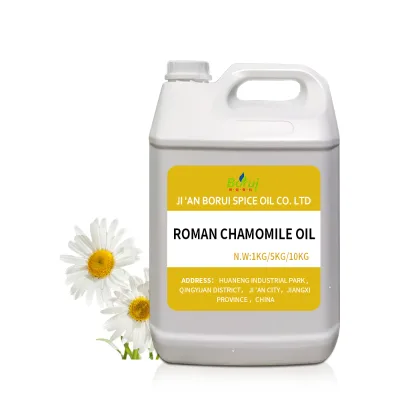
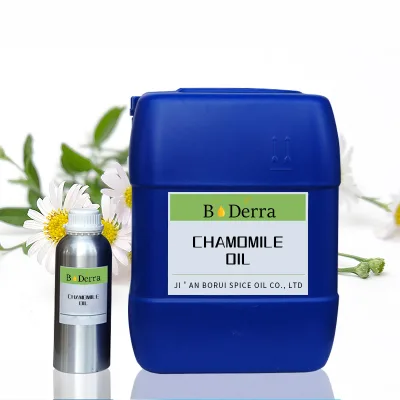
Packaging plays a significant role in cost determination. The oil is commonly supplied in galvanized steel drums with capacities of 1kg, 5kg, 10kg, 25kg, and 180kg. Larger drums generally offer a lower cost per unit due to reduced packaging and handling overheads, but they require significant storage capacity and capital investment. The single package size is noted as 59x59x92 cm, with a single gross weight of 21.000 kg, which are critical figures for freight calculation and logistics planning.
Sample availability is another cost factor. While samples are often offered for free, buyers are typically charged for freight. This policy allows buyers to verify quality without a full purchase commitment but adds a logistical cost. The shelf life of the product is 24 months, which impacts inventory management and pricing strategies; longer shelf life reduces the risk of spoilage and allows for more flexible purchasing cycles. Buyers should also consider the "Purity: 100%" claim as a baseline, understanding that higher purity often correlates with higher costs, especially when the oil is intended for high-end cosmetic or pharmaceutical applications.
Typical Applications and Usage Scenarios
The versatility of Natural Roman Chamomile Oil makes it a valuable ingredient across multiple industries. Its primary applications include cosmetic raw materials, detergent raw materials, hair care chemicals, and oral care chemicals. In the cosmetic sector, the oil is valued for its firming properties, making it a popular ingredient in anti-aging and skin-rejuvenating formulations. The "Daily Chemicial Material" classification suggests its suitability for everyday personal care products.
Beyond cosmetics, the oil serves as a functional ingredient in the food and beverage industry. It is used as a daily flavor, food flavor, tobacco flavor, and industrial flavor. The fruity and ethereal odor profile makes it particularly suitable for flavoring applications where a mild, floral note is desired. In the industrial sector, it is utilized in detergent formulations, likely due to its natural origin and potential antimicrobial properties.
The specific grouping of "EU NATURAL" and the availability of Food Grade and Pharma Grade options expand its applicability to regulated markets. For example, in oral care, the oil may be used in mouthwashes or toothpastes for its soothing properties. In hair care, it can be incorporated into shampoos and conditioners to promote scalp health. The "General" application attribute indicates that the oil is not limited to niche markets but is suitable for broad-spectrum use. Buyers should align their procurement with their specific end-use requirements, ensuring that the grade of the oil matches the intended application to avoid regulatory issues or product performance failures.
Supplier Evaluation and Selection Criteria
Selecting the right supplier requires a multi-faceted approach that goes beyond price comparison. Buyers should prioritize suppliers who offer OEM/ODM services, as this indicates a capacity for customization and scalability. The availability of customization is a key differentiator, allowing buyers to tailor the product to specific brand requirements. When evaluating suppliers, it is crucial to verify their production capabilities and the consistency of their output.
The supplier's location, specifically in China, offers competitive advantages in terms of cost and supply chain efficiency. However, buyers must assess the logistical capabilities of the supplier to ensure timely delivery. The lead time and shipping terms should be clearly defined, especially given the varying MOQs and packaging options. A supplier with a robust quality control system is essential, as the oil's chemical composition must remain consistent across batches.
Buyers should also consider the supplier's track record in handling certifications. A supplier that can readily provide MSDS, GMP, and FDA documentation for each batch demonstrates a commitment to compliance. The ability to provide free samples, even with freight charges, is a positive indicator of supplier confidence in their product quality. Additionally, the supplier's responsiveness to technical inquiries regarding refractive index, optical rotation, and ester content is a strong signal of their technical competence.
Quality Control and Long-Term Procurement Considerations
Maintaining product quality over time requires a proactive approach to quality control. Buyers should implement a rigorous testing protocol that includes verification of the chemical composition, specifically the ISOBUTYL ANGELATE and ISOAMYL ANGELATE percentages. Regular testing of physical constants like refractive index and specific gravity ensures that the oil has not degraded or been adulterated. The 24-month shelf life provides a window for storage, but buyers must adhere to proper storage conditions to maintain the oil's integrity.
Long-term procurement strategies should focus on building a stable supply chain. This involves establishing clear communication channels with suppliers and agreeing on consistent quality standards. The variability in pricing and MOQs suggests that buyers should negotiate long-term contracts to secure favorable terms and ensure supply continuity. The availability of different packaging sizes allows for flexible inventory management, enabling buyers to adjust their orders based on demand fluctuations.
Furthermore, buyers should stay informed about regulatory changes that may affect the import or use of essential oils. The "EU NATURAL" classification and FDA certifications are subject to updates, and suppliers must be agile in adapting to new requirements. By maintaining a focus on technical specifications and compliance, buyers can mitigate risks and ensure the consistent quality of their final products. The integration of these quality control measures into the procurement process is essential for sustaining a competitive edge in the market.
Comparative Analysis of Product Attributes
To facilitate decision-making, buyers can utilize a comparison of key attributes across different potential product listings. The following table summarizes the critical specifications and features observed in the market for Natural Roman Chamomile Oil.
| Attribute | Specification / Observation | Relevance to Buyer |
|---|---|---|
| CAS Number | 8015-92-7 | Critical for chemical verification and regulatory compliance. |
| Physical State | Liquid | Determines handling and storage requirements. |
| Color | Pale blue to blue or greenish liquid | Visual indicator of quality and specific chemical content. |
| Odor | Characteristic, ethereal, fruity | Defines the sensory profile for flavor and fragrance applications. |
| Key Esters | Isobutyl Angelate (8-20%), Isoamyl Angelate (5-15%) | Essential for verifying authenticity and potency. |
| Refractive Index | 1.4300 - 1.4600 (20℃) | Physical constant for quality control and purity verification. |
| Specific Gravity | 0.8800 - 0.9200 (20℃) | Another physical constant for consistency checks. |
| Certifications | MSDS, GMP, FDA | Mandatory for food, cosmetic, and pharmaceutical use. |
| Packaging | 1kg to 180kg Galvanized Steel Drum | Influences logistics, storage, and cost per unit. |
| Shelf Life | 24 Months | Impacts inventory planning and product freshness. |
| Origin | China (Jiangsu) | Affects shipping costs, tariffs, and supply chain reliability. |
| Grade | Food, Pharma, Chemical | Determines suitability for specific end-use applications. |
This comparative analysis highlights the importance of verifying each attribute against the buyer's specific needs. By systematically evaluating these factors, buyers can make informed decisions that align with their quality standards and operational requirements. The consistency of these attributes across different suppliers is a key indicator of market maturity and reliability.
FAQs
What certifications does Natural Roman Chamomile Oil have?
The product holds MSDS, GMP, and FDA certifications for quality assurance. These documents verify compliance with safety and manufacturing standards required for food, cosmetic, and pharmaceutical applications.
How is Natural Roman Chamomile Oil processed?
It is processed through distillation methods to ensure purity. This technique extracts the essential oil from flowers, maintaining the characteristic ethereal and fruity odor profile required for various industrial uses.
Can buyers customize the packaging for this oil?
Yes, customization is available for packaging requirements. Buyers can choose from 1kg, 5kg, 10kg, 25kg, or 180kg galvanized steel drums depending on their specific storage and logistics needs.
What is the shelf life of Natural Roman Chamomile Oil?
The shelf life is 24 months from the date of production. This duration allows for flexible inventory management while ensuring the oil retains its chemical properties and therapeutic benefits.
Which chemical components define the quality of this oil?
Quality is defined by Isobutyl Angelate at 8-20% and Isoamyl Angelate at 5-15%. These specific ester ranges, along with refractive index and optical rotation values, validate the authenticity of the oil.
Where is Natural Roman Chamomile Oil primarily sourced?
The product originates from China, specifically Jiangsu province. This location influences logistics and tariff structures for international buyers seeking competitive pricing and reliable supply chain connections.