Source Natural Sodium Thiosulfate for Leather, Water, and Photo
Compare 30 listings for Natural Sodium Thiosulfate for Leather, water treatment, and photo fixing. Buyers can review purity, packaging, and certifications from verified Chinese manufacturers to find the right industrial grade supplier; compare the available evidence and request quotations based on your requirements.
Key considerations
Products List


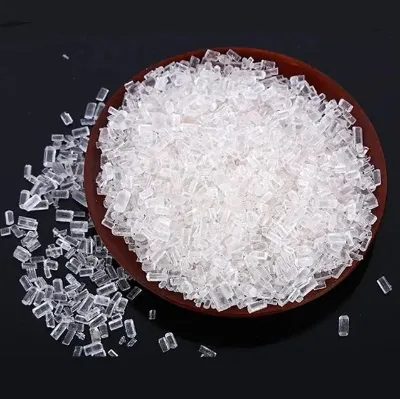
Sodium Thiosulfate Anhydrous Pentahydrate Thiosulphate Hypo Sodium Thiosulfate
$400.00 - $475.00
MOQ: 1 Tons




Comprehensive Sourcing Guide
Natural Sodium Thiosulfate for Leather Sourcing Guide
Sourcing Natural Sodium Thiosulfate for Leather processing requires a nuanced understanding of chemical purity and application-specific performance. Buyers must distinguish between industrial-grade reagents and those suitable for delicate tanning operations where residual impurities can affect hide quality. The market offers various forms, including granular and powder variants, each presenting distinct handling and dissolution characteristics. Understanding these physical attributes is the first step in aligning supplier offerings with internal processing capabilities.
Procurement teams should prioritize suppliers who provide transparent data on particle size distribution and solubility rates. Since sodium thiosulfate is often used as a fixing agent or antichlor in leather production, the consistency of the product directly impacts batch uniformity. Buyers need to verify that the supplier’s production processes maintain strict control over moisture content and color, ensuring the final chemical does not introduce unwanted stains or reactions during the tanning phase.
Product Scope and Observed Listing Signals
The current market landscape for sodium thiosulfate displays a wide range of product specifications, with purity levels typically cited between 90% and 99%. Listings frequently highlight industrial-grade standards, indicating that these materials are optimized for large-scale chemical applications rather than pharmaceutical or food-grade uses. Buyers should carefully review the stated purity percentages, as variations in concentration can significantly influence the efficiency of the dechlorination process in leather manufacturing.
Observed packaging options vary from 25kg bags to 100kg iron drums, reflecting the diverse logistical needs of different procurement volumes. Some suppliers offer customized packaging solutions, which can be advantageous for facilities with specific storage constraints or automated dispensing systems. It is crucial to confirm that the packaging material is compatible with the chemical’s stability requirements, ensuring that moisture ingress or contamination does not compromise the product before it reaches the production floor.
Technical Specifications to Verify
Verification of technical specifications must begin with the physical appearance and state of the material, which is often described as white granular or colorless particles. Buyers should request detailed assay certificates that confirm the exact percentage of sodium thiosulfate pentahydrate or anhydrous forms, depending on the supplier’s standard. The pH level of the solution is another critical parameter, with typical ranges falling between 7 and 9, which must align with the specific chemical environment of the leather tanning vat.
Impurity levels, particularly iron content, require strict scrutiny as even trace amounts can catalyze unwanted oxidation reactions in leather processing. Suppliers should provide data on heavy metal limits and other inorganic salts that may be present as byproducts. Additionally, the dissolution rate in water should be tested to ensure rapid and complete solubility, which minimizes processing time and energy consumption during the preparation of the chemical bath.
Compliance and Safety Documentation
Compliance with international standards is non-negotiable for chemical procurement in regulated industries. Buyers must verify that the supplier holds relevant certifications such as ISO, RoHS, and CIQ, which demonstrate adherence to quality management and environmental safety protocols. These certifications provide a baseline assurance that the manufacturing facility operates under controlled conditions, reducing the risk of batch-to-batch variability and ensuring consistent product quality.
Documentation regarding environmental protection and waste disposal is equally important, especially for facilities aiming to maintain sustainable operations. Suppliers should provide Material Safety Data Sheets (MSDS) that detail handling precautions, storage requirements, and emergency response procedures. Buyers should also inquire about the product’s expiration date and stability profile, ensuring that the chemical remains effective throughout its shelf life when stored in cool, dry conditions.
Cost Drivers and Commercial Terms
Cost structures for sodium thiosulfate are heavily influenced by the volume of the order and the specific purity requirements. Prices can vary significantly based on the quantity purchased, with bulk orders often benefiting from economies of scale. Buyers should negotiate clear pricing tiers that reflect these volume discounts, while also considering the total cost of ownership, which includes shipping, handling, and potential storage costs associated with different packaging formats.
Commercial terms such as Minimum Order Quantity (MOQ) and lead times play a pivotal role in supply chain planning. Suppliers may impose MOQs ranging from one ton to larger quantities, which can impact inventory management strategies. It is essential to establish reliable lead times and shipping schedules to prevent production delays, and to clarify who bears the responsibility for logistics and insurance during transit.
Supplier Qualification and Quality Control
Qualifying a supplier involves more than just reviewing their certifications; it requires a thorough assessment of their quality control processes. Buyers should request samples for independent testing to verify purity, appearance, and dissolution characteristics before committing to large orders. Establishing a direct communication channel with the supplier’s technical team can facilitate quicker resolution of any discrepancies and ensure that the product meets specific application needs.
Regular audits of the supplier’s production facilities can provide valuable insights into their manufacturing capabilities and quality assurance practices. Buyers should look for suppliers who implement rigorous in-process controls and final product inspections to minimize the risk of defects. Building a long-term partnership with a reliable supplier can lead to better pricing, priority service, and collaborative improvements in product performance tailored to leather processing applications.
Long-Term Procurement Checks
Long-term procurement success depends on continuous monitoring of supplier performance and market dynamics. Buyers should establish key performance indicators (KPIs) to track delivery reliability, product consistency, and responsiveness to issues. Regular reviews of these metrics can help identify potential risks early and allow for proactive adjustments to the supply chain strategy, ensuring uninterrupted production in leather manufacturing.
Staying informed about regulatory changes and industry trends is also crucial for maintaining compliance and competitiveness. Buyers should engage with industry associations and attend relevant trade shows to network with other professionals and stay updated on new technologies or materials. By maintaining a flexible and informed procurement approach, organizations can adapt to market shifts and secure a stable supply of high-quality sodium thiosulfate for their leather processing needs.
FAQs
What certifications are available for natural sodium thiosulfate?
Products often carry ISO, RoHS, CIQ, CCIC, REACH, and WQA certifications. Some batches also meet Kosher and Halal standards. These documents verify compliance with international safety and quality requirements for industrial applications.
How is natural sodium thiosulfate typically packaged for shipment?
Common packaging includes 25kg or 100kg iron drums, 25kg bags, and 1000kg containers. Customized packaging options are available to meet specific buyer needs. The standard loading capacity is approximately 25 metric tons per 20-foot container.
Can I customize the purity level of natural sodium thiosulfate?
Yes, customization is available with purity levels ranging from 90% to 99%. Specific models offer grades up to 99% or 99-99%. Buyers should specify their required concentration when placing orders to ensure the product meets application standards.
What is the minimum order quantity for natural sodium thiosulfate?
Minimum order quantities vary significantly, ranging from 1 unit up to 20,000 units depending on the supplier. Some vendors require a minimum of 1 ton, while others may accept smaller trial orders. Pricing depends heavily on the selected quantity.
Where are natural sodium thiosulfate products manufactured?
Products originate primarily from China, with specific manufacturing hubs in Shandong. The goods are classified as industrial grade inorganic salts. Buyers can expect consistent supply from these established production regions in the global market.
How does natural sodium thiosulfate perform in water treatment?
The chemical dissolves easily in water and acts as an effective antichlor and fixing agent. It is suitable for sewage treatment and water purification processes. The product maintains good stability and has a pH range of 7 to 9 in solution.