Source Natural Seafood Dry Asparagus for Food Processing
Compare 30 listings for Natural Seafood Dry Asparagus from verified suppliers in China. Buyers can evaluate certifications, packaging, and pricing for use in health care products and food applications.
Key considerations
Products List


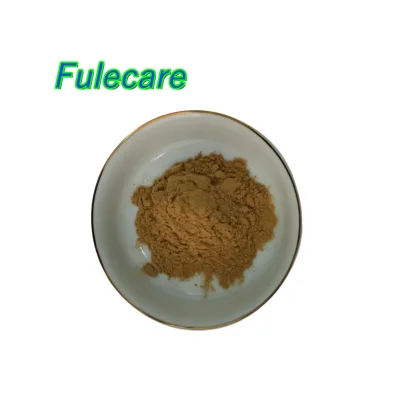
High Quality Asparagus Officinalis Extract for Health Foods Rich in Antioxidants
$10.24 - $30.70
MOQ: 1 Minimum


IQF Asparagus Frozen Asparagus IQF New Crop Green High Quality Asparagus
$2200.00 - $2300.00
MOQ: 10 Tons


Comprehensive Sourcing Guide
Strategic Sourcing Guide for Natural Seafood Dry Asparagus Products
The procurement landscape for specialized botanical and aquatic-derived ingredients requires a rigorous approach to verification, particularly when the core keyword involves "Natural Seafood Dry Asparagus." While the term suggests a unique intersection of marine and terrestrial botanicals, the available market data reveals a complex ecosystem of frozen vegetables, canned aquatic products, and concentrated plant extracts. Buyers must navigate these distinctions carefully to ensure they are sourcing the correct material class. This guide outlines the technical specifications, compliance frameworks, and operational realities necessary for successful procurement in this sector, relying strictly on observed product attributes and established industry standards.
Understanding Product Classification and Technical Specifications
The first critical step in sourcing is clarifying the physical state and botanical origin of the product. The market data indicates a divergence between fresh/frozen vegetable forms and processed extract forms. On one end of the spectrum, products are identified as "Frozen Vegetables" with a specific focus on "Frozen White Asparagus." These items are processed using IQF (Individually Quick Frozen) technology, which preserves cellular structure and nutrient integrity. The technical specifications for these frozen forms include a storage temperature requirement of less than -40°C and a shelf life exceeding 12 months. The physical dimensions for these frozen products are often standardized, with models ranging from 10-18cm in length, packaged in laminated materials or tin cans.
Conversely, the data also highlights "Asparagus Extract" products, which are classified as "Plant Extract" in "Powder" form. These are distinct from the whole vegetable forms and are characterized by a pale brown powder appearance. The assay methods for these extracts are highly technical, utilizing UV, HPLC, GPC, and HPLC-MS to verify purity and concentration. The solubility of these extracts is noted as highly soluble in water, making them suitable for integration into various formulations. It is imperative for buyers to distinguish between the "Natural Fresh Taste" of the frozen vegetable and the concentrated "Food Grade" nature of the extract powder. Confusing these two categories can lead to significant operational failures in production lines.
Furthermore, the raw material source is a key differentiator. While the primary keyword mentions "seafood," the supplied facts indicate that the raw material for the vegetable forms is explicitly "Vegetable," while the "Type" for canned goods is listed as "Aquatic Product." This suggests that the "seafood" aspect of the search query may refer to canned aquatic products packaged alongside or similar to asparagus, or it may be a misinterpretation of the product category. Buyers must verify if the supplier offers a true hybrid product or if the search term conflates two separate categories: frozen asparagus and canned aquatic goods. The packaging for the frozen forms often utilizes plastic or metal (tin cans), whereas the extract forms are packaged in drums, vacuum-packed bags, or aluminum-foil bags to maintain stability.
Compliance Frameworks and Certification Verification
In the global food and ingredient trade, compliance is not merely a formality but a prerequisite for market access. The observed product data lists a robust array of certifications that serve as benchmarks for supplier reliability. These include HACCP, FDA, ISO, and BRC standards. For buyers sourcing frozen vegetables or extracts, verifying that the supplier holds these specific certifications is essential to ensure adherence to international safety and quality management systems. The presence of HACCP (Hazard Analysis and Critical Control Points) indicates a proactive approach to food safety, while FDA registration suggests compliance with United States regulatory requirements.
Additionally, the data mentions ISO9001, Halal, and Kosher certifications. These are particularly relevant for buyers targeting specific demographic markets or religious dietary restrictions. The Halal and Kosher certifications, in particular, require strict adherence to processing and handling protocols that prevent cross-contamination with non-compliant substances. For the "Asparagus Extract" category, the "Food Grade" designation is a critical specification that must be validated against the supplier's quality documentation. Buyers should request current certificates of analysis (CoA) and verify that the certification status is active and covers the specific production facility.
It is important to note that while the data lists these certifications, they are observed attributes of specific listings and may not apply to every supplier in the market. Therefore, procurement teams must treat these as verification targets rather than universal guarantees. The "Standard Specifications Or Customized" nature of the products implies that compliance standards can be tailored, but the baseline must always meet the highest applicable regulatory framework for the destination market. Buyers should also be aware of the "Assay Method" requirements, such as TLC and HPLC, which are standard for verifying the chemical composition of plant extracts. Ensuring the supplier can provide test results via these methods is a key component of the compliance check.
Cost Drivers and Pricing Dynamics
The pricing structure for natural asparagus products is influenced by a variety of factors, including processing technology, packaging, and logistics. The observed price range in the market spans from 1 to 4500 USD, reflecting the vast difference between bulk raw materials and specialized, high-value extracts. For frozen vegetables, the cost is driven by the IQF processing technology and the stringent storage requirements of less than -40°C. The energy costs associated with maintaining such low temperatures and the logistics of cold chain transportation significantly impact the final price.
For plant extracts, the cost drivers are more complex. The "Nutrient Retention Rate" of greater than or equal to 89% suggests a high-efficiency extraction process, which commands a premium price. The use of advanced analytical methods like HPLC-MS for quality control adds to the production cost. Additionally, the packaging material plays a role; vacuum-packed aluminum foil bags or drums for extracts are more expensive than standard laminated bags for frozen vegetables. The "Net Weight" variations, such as 370g, 580g, or 1000g for canned goods, and the "370ml" or "400g" models for other forms, also affect unit pricing.
Minimum Order Quantities (MOQ) are another significant cost factor. The data indicates an MOQ range from 1 to 10,000 units, with some specific listings requiring "One 20FT Container" as the minimum. This high volume requirement can increase the upfront capital outlay for buyers. The "Delivery Time" of 30-40 days further influences cost, as it impacts inventory carrying costs and supply chain planning. Buyers must balance the lower unit price of bulk orders against the cash flow implications of high MOQs and long lead times. The "Private Label" option adds another layer of cost, as custom packaging and labeling require additional setup and production time.
Typical Applications and Formulation Integration
The versatility of asparagus-based products allows for a wide range of applications across different industries. The "Asparagus Extract" is explicitly listed for use in "Medicine, Health Care Products, Food," highlighting its role as a functional ingredient. Its high solubility in water makes it ideal for liquid formulations, such as dietary supplements, beverages, and pharmaceutical syrups. The "Pale Brown Powder" appearance suggests it can be easily incorporated into capsules, tablets, or powders without significantly altering the visual characteristics of the final product.
For the frozen and canned forms, the applications are primarily in the food service and retail sectors. The "Natural Fresh Taste" and "Colorful" appearance make these products suitable for direct consumption or as ingredients in soups, salads, and side dishes. The "Standard Shipping Packaging" and "Customized" options allow for flexibility in distribution channels, from bulk food service providers to retail brands. The "In Sugar/Syrup" processing method noted in the data suggests that some products are preserved in syrup, which is common for canned aquatic products and certain vegetable preparations, adding sweetness and extending shelf life.
The "Kind: Plant Extract" classification also points to potential use in cosmetic and personal care products, although the primary focus in the data is on food and medicine. The "Assay Method" data supports the use of these extracts in applications where potency and purity are critical, such as in nutraceuticals. Buyers should consider the specific "Shape" of the product, such as "Kernel" for frozen forms, when designing recipes or product formulations. The ability to customize the "Standard Specifications" allows manufacturers to tailor the product to their specific application needs, whether it be a specific particle size for an extract or a specific length for frozen asparagus.
Supplier Evaluation and Quality Control Protocols
Evaluating suppliers in this sector requires a multi-faceted approach that goes beyond price comparison. The origin of the products is a critical factor, with the data indicating production in "Shandong, China" and "Fujian." These regions are known for their agricultural output, but buyers must verify the specific farm-to-factory traceability of the supplier. The "Processing Technology" involving "Pre-Cooling/Cleaning/Cutting" is a standard procedure, but the execution quality varies. Buyers should request detailed process flow diagrams to understand how the supplier maintains the "Nutrient Retention Rate" and ensures the "Natural Fresh Taste."
Quality control protocols must be robust, especially for extracts where the "Assay Method" is complex. The supplier should be able to provide batch-specific test results using UV, HPLC, and other listed methods. For frozen vegetables, the "Storage Temperature" of less than -40°C must be verified through temperature logs and third-party audits. The "Shelf Life" of 24 months for extracts and over 12 months for frozen goods requires strict adherence to storage conditions throughout the supply chain. Buyers should implement a rigorous incoming quality inspection process that includes visual checks for "Color" and "Appearance," as well as laboratory testing for microbial and chemical contaminants.
The "MOQ" and "Delivery Time" of 30-40 days also serve as indicators of supplier capability. A supplier that can consistently meet these timelines while maintaining quality is likely to have a well-managed production facility. The "Label: Private Label" option indicates a supplier's willingness to collaborate on branding, which can be a sign of a more flexible and customer-centric partner. However, buyers must ensure that the supplier has the capacity to handle custom orders without compromising the "Standard Specifications" or "Customized" standards required.
Long-Term Procurement Considerations and Supply Chain Resilience
Sourcing natural asparagus products is not a one-time transaction but a long-term strategic partnership. The "Customization: Available" attribute suggests that suppliers are willing to adapt to changing market needs, but this requires a stable and communicative relationship. Buyers should plan for the "Lead Time" of 30-40 days by maintaining safety stock levels, especially given the potential for supply chain disruptions. The "One 20FT Container" MOQ for some products may necessitate a consortium approach or a shared logistics strategy for smaller buyers to achieve cost efficiency.
The "Packaging" options, ranging from "Laminated Material" to "Drum, Vacuum Packed," offer flexibility but also introduce variability in logistics. Buyers must consider the environmental impact and sustainability of the packaging materials, as well as the compatibility with their existing storage and handling infrastructure. The "Standard Shipping Packaging" is designed for general transport, but "Customized" packaging may require specific handling procedures.
Finally, the "Certification" landscape is dynamic, and buyers must stay informed about changes in regulatory requirements. Maintaining a relationship with a supplier that holds multiple certifications (HACCP, FDA, ISO, BRC, Halal, Kosher) provides a buffer against regulatory shifts. The "Application" diversity of the products also means that buyers should monitor trends in the food, medicine, and health care sectors to anticipate demand fluctuations. By focusing on technical specifications, compliance, and supplier reliability, buyers can build a resilient supply chain that delivers high-quality natural asparagus products consistently.
FAQs
How is Natural Seafood Dry Asparagus processed and stored?
Frozen asparagus is processed using IQF technology and stored below -40 degrees Celsius. This method preserves the natural fresh taste and ensures a shelf life exceeding twelve months for the vegetable forms.
What certifications do asparagus suppliers typically hold?
Suppliers often hold HACCP, FDA, ISO, and BRC certifications to ensure safety. Some also provide ISO9001, Halal, and Kosher certificates for specific dietary requirements in the global food and medicine markets.
Which packaging materials are used for asparagus products?
Packaging includes laminated plastic, tin cans, drums, and vacuum-packed aluminum foil bags. The choice depends on whether the product is frozen vegetables or plant extract powder for different storage needs.
Can buyers request private labeling for asparagus orders?
Yes, private labeling is available for customized orders. Buyers can specify standard shipping packaging or customized labels, though this may affect the minimum order quantity and delivery timeline.
What is the typical delivery time for asparagus shipments?
The standard delivery time ranges from 30 to 40 days. This lead time accounts for processing, packaging, and logistics from origins in Shandong or Fujian to the destination market.
How soluble is asparagus extract powder in water?
Asparagus extract powder is highly soluble in water. This property makes it suitable for integration into medicines, health care products, and various food formulations requiring rapid dissolution.