Source Navigation Headunit for Cars, Trucks, and Agricultural Machinery
Explore 30 verified options for the Navigation Headunit, ranging from universal car stereos with Android 13 to autonomous driving systems for agricultural machinery. Buyers can compare specifications like screen size, RAM, and voltage to find the right fit for their needs.
Key considerations
Products List


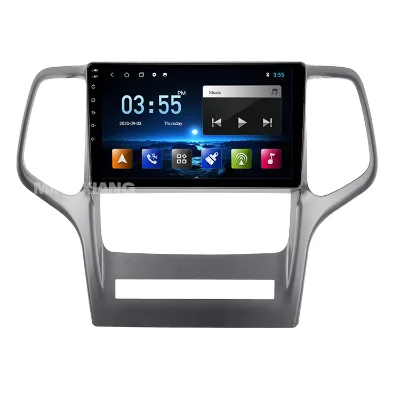


12.3"Rotating Factory Universal Android Car Head Unit GPS Navigation Radio Player
$125.00 - $155.00
MOQ: 1 Pieces

13.3" Rotating Factory Universal Android Car Head Unit GPS Navigation Radio Player
$169.00 - $209.00
MOQ: 100 Pieces

10.1 inch Rotating Factory Universal Android Car Head Unit GPS Navigation Radio Player
$49.50 - $50.50
MOQ: 100 Pieces


13.3" Rotatable Universal Android Car Head Unit with GPS Navigation & FM Radio Player
$99.00 - $100.00
MOQ: 100 Pieces

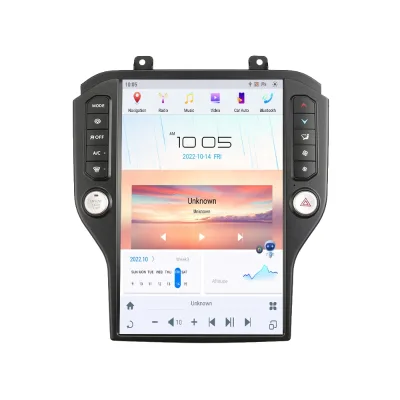


Universal Touch Screen Car Head Unit GPS Navigation Carplay Android Auto Stereo
$54.00 - $58.00
MOQ: 2 Pieces


Hot Selling Large Screen Central Control Android Navigation Car GPS Navigator System
$100.56 - $113.13
MOQ: 10 Pieces




Comprehensive Sourcing Guide
Strategic Sourcing Guide for Navigation Headunits
Navigating the global market for navigation headunits requires a precise understanding of the intersection between automotive electronics and advanced agricultural machinery systems. The current supply landscape presents a diverse array of products, ranging from universal in-vehicle infotainment systems to specialized autonomous driving navigation units designed for heavy machinery. Buyers must distinguish between these categories to ensure that the selected hardware aligns with the specific operational environment, whether it is a passenger vehicle dashboard or a field-ready agricultural implement. This guide outlines the critical technical, compliance, and procurement factors necessary for a successful sourcing strategy.
Technical Architecture and Display Specifications
The core functionality of a modern Navigation Headunit is defined by its processing power, memory configuration, and display technology. The observed product spectrum includes units running on the latest Android operating systems, specifically versions 13 and 14, which provide a robust foundation for third-party application integration and GPS navigation. Processing capabilities vary significantly across the market, with chips such as the 8581 (4G, 8-core) and the 7862s (8-Core, 4G) representing the high-performance tier. These processors are essential for handling complex map rendering and real-time data processing without latency.
Memory configurations are a primary differentiator in performance. Buyers should evaluate units based on their RAM and ROM combinations. Available configurations in the current market include 4GB RAM with 64GB ROM, 6GB RAM with 128GB ROM, and high-end options featuring 8GB RAM paired with 256GB ROM. Lower-tier options may present 1GB RAM with 32GB ROM, which may suffice for basic navigation but could struggle with multitasking or heavy application loads. The display technology is equally critical, with options ranging from IPS to OLED panels. Capacitive touch screens are standard, with screen sizes varying from 9 inches to 13 inches. A notable innovation in the current supply chain is the 13-inch rotating screen, which offers flexibility in dashboard mounting and user interface orientation.
Connectivity and System Integration
Modern headunits must seamlessly integrate with existing vehicle ecosystems. The standard connectivity suite includes Bluetooth and USB interfaces, facilitating wireless audio streaming and wired data transfer. A critical feature for automotive applications is the support for Apple CarPlay and Android Auto, allowing users to mirror smartphone functionality directly onto the vehicle's display. Furthermore, the ability to support original steering wheel controls is a mandatory requirement for most aftermarket installations to ensure driver safety and convenience.
The audio output capabilities typically support L/R channel configurations, ensuring stereo sound quality. Video output support is also prevalent, often utilizing MPVideo formats to enable rear-view camera integration and media playback. The system's language support is extensive, with many units offering over 60 languages, which is vital for international distribution and multi-region fleets. The operating system's ability to customize the user interface and support multiple languages ensures that the device can be tailored to specific regional or operational needs.
Compliance, Certification, and Environmental Durability
When sourcing navigation systems, particularly those intended for harsh environments, verifying compliance with international standards is non-negotiable. The observed product data indicates that reputable units carry CE, FCC, and RoHS certifications. These certifications confirm that the electronic components meet European safety standards, American electromagnetic interference regulations, and restrictions on hazardous substances, respectively.
For applications extending beyond standard road vehicles, such as agricultural machinery, environmental durability becomes a primary concern. Specialized units designed for this sector often boast an IP66 rating for waterproof and dustproof protection, ensuring operation in rainy or dusty field conditions. The operating temperature range is another critical specification; units intended for outdoor or heavy machinery use should typically support a range from -20°C to +70°C, with storage capabilities extending from -40°C to +85°C. The operating voltage for these robust units is generally specified between 9V and 36V, accommodating the electrical systems of various trucks and farm equipment.
Cost Drivers and Procurement Variables
The pricing of navigation headunits is influenced by a complex matrix of factors, including screen size, processing power, memory capacity, and the level of customization required. The observed market price range is extensive, spanning from approximately $0.99 to $2,500. This variance reflects the difference between basic single-function units and high-end, fully integrated systems with rotating screens and advanced autonomous navigation features.
Minimum Order Quantity (MOQ) is another significant variable in the procurement process. While some suppliers offer a low barrier to entry with an MOQ of just one piece, others may require orders ranging up to 5,000 units. This flexibility allows buyers to test the market with small batches or commit to large-scale deployments. The cost is also driven by the "Scheme Type" of the product; for instance, units designed for "Machine Matching Transformation" in agriculture may carry a premium due to their specialized calibration and integration capabilities. Additionally, the inclusion of OEM/ODM services adds value but may increase the unit cost and lead time.
Application Scenarios and Functional Versatility
The versatility of navigation headunits allows them to serve distinct markets. In the automotive sector, the primary application is as a dashboard-mounted infotainment system. These units function as GPS navigators, radio tuners, and media players, often combining Bluetooth, MP3/MP4 playback, and TV reception capabilities. They are designed to be universal, fitting a wide range of vehicle models without requiring extensive modification.
Conversely, a specific subset of these devices is engineered for the agricultural sector. These "Autonomous Driving Navigation Systems" are tailored for tillage, planting, and fertilization operations. They offer high-precision positioning, with accuracy levels specified as 0.8cm horizontally and 1.8cm vertically, supplemented by elevation data. These systems are often sold as part of a "Machine Matching Transformation" scheme, where four sets of equipment are matched to ensure coordinated operation across a farm. The material construction for these units often includes stainless steel components to withstand the rigors of field work, distinguishing them from the plastic-heavy casings of standard consumer electronics.
Supplier Evaluation and Quality Assurance
Evaluating suppliers requires a focus on their ability to provide consistent quality and support. Buyers should verify the supplier's capacity for customization, as many products offer tailored solutions for specific vehicle models or agricultural machinery. The presence of OEM/ODM services indicates a supplier's willingness to adapt products to specific branding or functional requirements.
Quality control should extend beyond the initial purchase. Buyers must assess the supplier's track record regarding the "Item Matching" capabilities, particularly for agricultural systems where multiple units must work in unison. The packaging standards, such as the use of sturdy "Packing Box Transportation" or standard "Box" packaging, also reflect the supplier's attention to logistics and product protection. Furthermore, the origin of the product, often Shenzhen, China, suggests a mature manufacturing ecosystem, but buyers should still verify the specific factory's quality management systems.
Long-Term Procurement and Operational Sustainability
Sourcing navigation headunits is not merely a transactional event but a strategic decision impacting long-term operations. The choice of operating system, such as the newest Android 13 or 14, ensures that the device will receive software updates and remain compatible with future applications. The availability of multiple language support and the ability to customize the OSD (On-Screen Display) language ensure that the fleet can be managed efficiently across different regions.
For agricultural applications, the long-term viability of the system depends on its precision and reliability. The specified positioning accuracy and environmental ratings are critical for maintaining operational efficiency over time. Buyers should consider the lead times and the scalability of the supplier's production line, especially when dealing with high MOQs. The ability to source spare parts and the availability of technical support for "Machine Matching Transformation" schemes are essential for minimizing downtime in critical farming seasons.
Comparative Analysis of Key Specifications
To assist in the decision-making process, the following table summarizes the key technical distinctions between the two primary categories of navigation headunits observed in the market:
| Feature | Automotive Infotainment Headunit | Agricultural Autonomous Navigation System |
|---|---|---|
| Primary OS | Android 13 / Android 14 | Customized System |
| Screen Size | 9" to 13" (Rotating options) | Not specified (Focus on sensor integration) |
| Processing | 8-Core (8581, 7862s) | Specialized Chipset |
| Memory | 4GB-8GB RAM / 32GB-256GB ROM | Variable (System dependent) |
| Positioning | Standard GPS | 0.8cm Horizontal / 1.8cm Vertical |
| Durability | Standard (IP ratings vary) | IP66 Waterproof/Dustproof |
| Temp Range | Standard Operating Range | -20°C to +70°C (Operating) |
| Application | Dashboard, Universal Vehicles | Tillage, Planting, Farm Infrastructure |
| Control | Steering Wheel Support | Machine Matching (4 Sets) |
This comparison highlights that while both categories share a foundation in GPS and digital processing, their engineering priorities diverge sharply. Automotive units prioritize user interface and multimedia integration, whereas agricultural units prioritize precision, environmental resilience, and system coordination.
Final Procurement Considerations
In conclusion, sourcing navigation headunits requires a nuanced approach that balances technical specifications with operational requirements. Buyers must rigorously verify certifications like CE, FCC, and RoHS, and ensure that the environmental ratings match the intended use case. Whether selecting a universal 13-inch rotating screen for a passenger vehicle or a high-precision autonomous navigation system for a farm, the decision should be grounded in the specific needs of the application. By understanding the cost drivers, evaluating supplier capabilities for customization, and prioritizing long-term support, buyers can secure a supply chain that delivers reliable performance and operational efficiency. The market offers a wide range of options, from low-cost entry-level units to high-end specialized systems, and the key to success lies in matching the product attributes precisely to the buyer's specific operational context.
FAQs
What operating systems are available for navigation headunits?
Units run on the newest Android 13 or Android 14 operating systems. These platforms support extensive customization and multiple language options for global fleets.
Which screen sizes and types are offered for these devices?
Screens range from 9 inches to 13 inches with IPS or OLED display types. Capacitive touch screens are standard, including rotating options for flexible dashboard mounting.
Can these headunits support original steering wheel controls?
Yes, the devices support original steering wheel control functions. This feature ensures driver safety and convenience during installation in various universal vehicle models.
What certifications do these navigation systems typically hold?
Reputable units carry CE, FCC, and RoHS certifications. These confirm compliance with European safety, American electromagnetic interference, and hazardous substance restriction standards.
How is the positioning accuracy defined for agricultural systems?
Agricultural units offer high precision with 0.8cm horizontal and 1.8cm vertical accuracy. This level of detail supports autonomous driving tasks in tillage and planting operations.
What memory configurations are available for these headunits?
Configurations include 4GB RAM with 64GB ROM up to 8GB RAM with 256GB ROM. Higher memory supports complex multitasking and heavy application loads without latency.
Can buyers customize the product for specific needs?
Customization is available for both automotive and agricultural applications. Suppliers offer OEM and ODM services to tailor units to specific branding or functional requirements.