Source nb-iot laser waste bin sensor for Smart Cities, Municipalities, and Facilities
Compare 30 verified nb-iot laser waste bin sensor options from Beijing suppliers. Buyers can evaluate detection ranges, wireless protocols, and battery life for waste management projects.
Key considerations
Products List
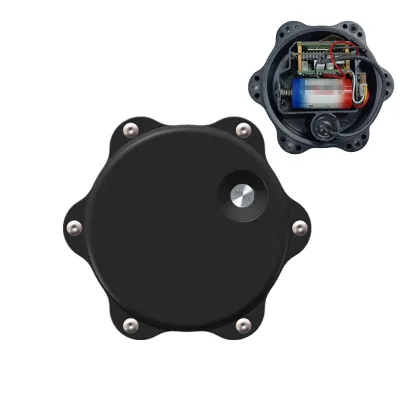
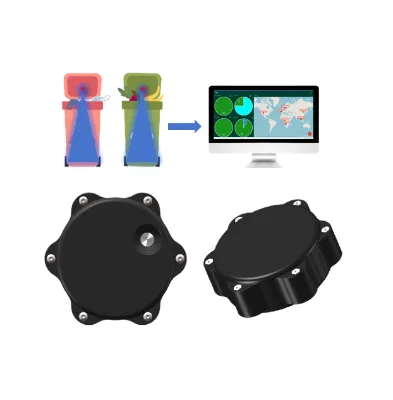
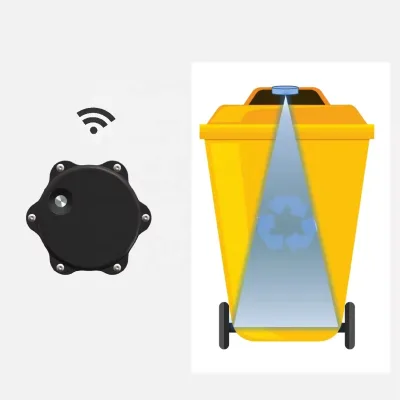
Full Trash Bin Detect Waste Full Bin Detector Device Garbage Trash Bin Sensor
$70.33 - $101.93
MOQ: 1 Minimum
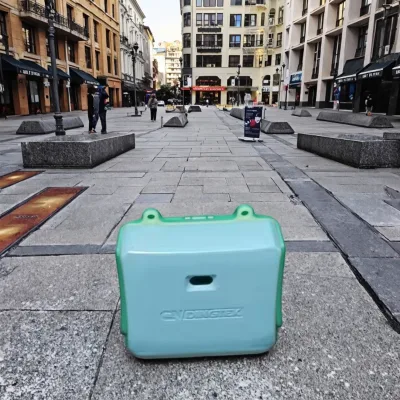
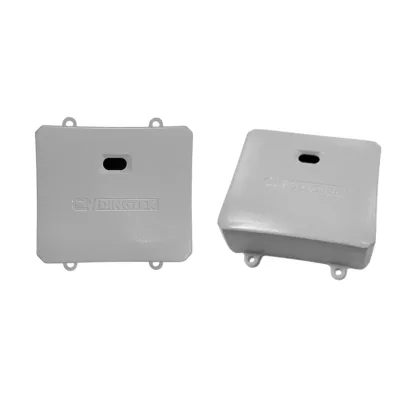
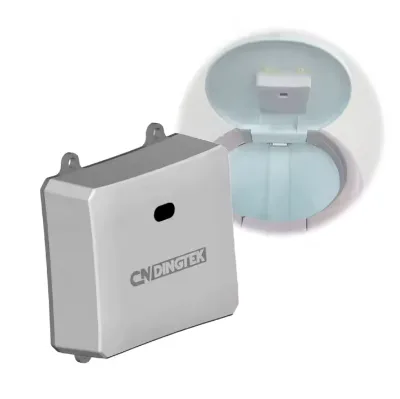


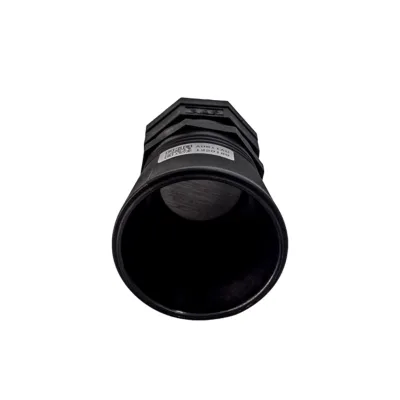


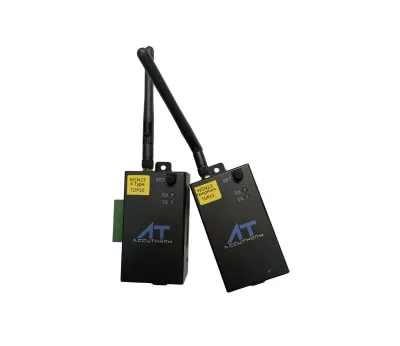


Smart Motion Sensor Trash Bin Ultra-Induction Kick Waste Auto-Sensor Bin
$17.00 - $22.50
MOQ: 720 Pieces
Comprehensive Sourcing Guide
Strategic Sourcing Guide for NB-IoT Laser Waste Bin Sensors
The global shift toward smart city infrastructure has accelerated the demand for automated waste management solutions. Among the various technologies available, NB-IoT laser waste bin sensors represent a critical intersection of connectivity and precision measurement. For procurement professionals, sourcing these devices requires a nuanced understanding of their specific operational principles, network compatibility, and physical durability. This guide provides a disciplined framework for evaluating suppliers and products, ensuring that the selected hardware aligns with rigorous municipal or commercial waste management requirements without relying on unverified marketing claims.
Understanding the Core Measurement Technologies
The primary distinction in this product category lies in the measurement principle employed. While many legacy systems rely on ultrasonic technology, the core keyword specifically targets laser-based solutions. Ultrasonic sensors, such as those operating on the principle of sound wave reflection, typically offer a detection range of up to 400cm vertically. However, laser sensors utilize optical principles to measure distance, often providing higher precision in challenging environments where dust or steam might interfere with sound waves.
When evaluating a product labeled as a "laser waste bin sensor," buyers must verify the specific measurement principle listed in the technical specifications. Some product listings may conflate terms, offering ultrasonic models under broad IoT categories. A true laser-based unit, often identified by specific model series like the DF701, typically features a blind area of approximately 5cm and an accuracy of height measurement around 3cm. In contrast, ultrasonic variants may have different blind zones and accuracy profiles. The material construction is also a key differentiator; high-quality units are frequently encased in ABS (Acrylonitrile Butadiene Styrene) to ensure resistance to impact and environmental degradation. Buyers should explicitly request the "Measurement Principle" attribute to confirm the technology is laser-based rather than ultrasonic, as this dictates the sensor's suitability for specific bin types and environmental conditions.
Network Connectivity and Protocol Compatibility
The "NB-IoT" designation in the core keyword refers to Narrowband Internet of Things, a low-power wide-area network (LPWAN) technology designed for deep indoor coverage and massive device connectivity. However, the market offers a diverse array of connectivity options that must be matched to the buyer's existing infrastructure. Product specifications often list a wide spectrum of supported networks, including Sigfox, LoRaWAN, GPRS, and various combinations with GPS.
When sourcing, procurement teams must verify the specific network configuration required for their deployment. Some units are available as multi-protocol devices, supporting NB-IoT, Sigfox, LoRaWAN, and GPRS simultaneously, while others may be single-protocol. Furthermore, the integration of GPS modules is a critical variable. Listings often indicate options such as "NB-IoT + GPS" or "LoRaWAN + GPS," which are essential for tracking mobile waste bins or managing fleets where location data is as important as fill-level data. Buyers should confirm the "Network" attribute to ensure the device supports the necessary API availability and protocol standards. It is also vital to check the current consumption specifications, as some units report a current draw of less than 30mA during upload and less than 20µA in sleep mode, which directly impacts battery longevity.
Power Management and Operational Durability
Long-term deployment in waste management environments demands robust power management. The most common power source for these sensors is a non-recharged lithium battery. Specific model variations may utilize different battery chemistries and capacities, such as the ER26500 or ER18505M, with capacities ranging from 7000mAh to 8500mAh at voltages typically around 3.6V to 3.7VDC. The battery life is a critical performance metric, with many high-confidence specifications citing a lifespan of more than three years under normal operating conditions.
However, buyers must be cautious when interpreting battery life claims, as these figures depend heavily on the reporting frequency and network signal strength. The operating temperature range is another crucial durability factor. Standard specifications for these devices often indicate an operating temperature range of -20°C to +70°C, with storage temperatures capable of withstanding -40°C to +85°C. This wide range ensures functionality in diverse climates, from freezing winters to hot summers. The protection level is equally significant; an IP68 rating indicates that the device is dust-tight and can withstand prolonged immersion in water, a necessary feature for sensors exposed to the elements or harsh cleaning processes.
Compliance, Certification, and Safety Standards
In the B2B procurement of electronic devices for public infrastructure, compliance with international safety and electromagnetic standards is non-negotiable. The most frequently observed certification for these waste bin sensors is the CE mark, which indicates conformity with health, safety, and environmental protection standards for products sold within the European Economic Area. While the CE certification is a common attribute in product listings, buyers must verify that the specific batch or model they are purchasing holds valid certification documentation.
Beyond CE, other regional certifications may be required depending on the procurement location. For instance, devices intended for the North American market may require FCC certification, while those for Japan might need the PSE mark. The supplier type and origin are also relevant to compliance; many of these devices originate from manufacturing hubs in Beijing, China. Buyers should ensure that the supplier can provide the full certificate package, including test reports that validate the IP68 rating and the specific network frequency bands used. Relying solely on the presence of a certification label without verifying the supporting documentation can lead to regulatory hurdles during customs clearance or site installation.
Cost Drivers and Economic Evaluation
The price of NB-IoT laser waste bin sensors varies significantly based on the complexity of the connectivity, the battery capacity, and the specific model series. Market observations indicate a wide price range, with costs potentially spanning from approximately $17 to over $5,700 USD. This disparity often reflects the difference between single-unit purchases and bulk procurement, as well as the inclusion of additional features like GPS modules or multi-protocol support.
The Minimum Order Quantity (MOQ) is another major cost driver. Listings show MOQs ranging from a single piece to as high as 720 units. For small-scale pilots or specific departmental upgrades, suppliers offering an MOQ of 1 piece are advantageous, allowing for low-risk testing. Conversely, large-scale municipal deployments benefit from higher volume orders, which often trigger volume discounts. Buyers should also consider the total cost of ownership, which includes the cost of the SIM cards or network subscriptions associated with the NB-IoT or other cellular modules. The warranty period, typically listed as one year standard, should be factored into the financial model, as extended warranty options may be available for large contracts.
Supplier Evaluation and Quality Assurance
Selecting the right supplier requires a rigorous evaluation of their technical capabilities and quality control processes. The brand names associated with these products, such as Dingtek or CNDingtek, serve as identifiers, but buyers should not rely on brand reputation alone. Instead, the focus should be on the specific product attributes and the supplier's ability to provide detailed technical documentation. Key evaluation criteria include the consistency of the "Single package size" and "Single gross weight," which affect logistics planning. For example, a unit with dimensions of 15x15x7 cm and a weight of 0.600 kg presents different logistical challenges than a compact 11x11x5 cm unit weighing 0.250 kg.
Quality control should extend to the mounting type and physical installation. Most sensors utilize a screw mounting type, which requires specific bin configurations. Buyers must verify that the mounting hardware is compatible with their existing waste bin infrastructure. Additionally, the "Packaging Details" should be reviewed to ensure the device is protected against damage during transit. A reputable supplier will provide standard packaging that maintains the integrity of the IP68 rating and protects the sensitive optical or ultrasonic components. It is also advisable to request samples for field testing to validate the claimed accuracy of height measurement and the reliability of the wireless transmission in the actual deployment environment.
Long-Term Procurement and Maintenance Strategy
Sourcing NB-IoT laser waste bin sensors is not merely a transactional purchase but a strategic investment in long-term operational efficiency. The "Application" of these devices is explicitly waste management, and their success depends on the reliability of the data they provide. Buyers should establish a maintenance strategy that includes regular battery checks and network connectivity audits. Given the battery life of over three years, a proactive replacement schedule can prevent data gaps.
Furthermore, the "Features" of the sensor, such as whether it is marketed as a "Laser Waste Bin Sensor" or a generic "Smart Bin Sensor," should be clearly defined in the procurement contract to avoid ambiguity. The "Use" case, typically IoT, implies a need for a backend software platform to visualize the data. Buyers should ensure that the supplier's device is compatible with their existing or planned IoT platforms, verifying the "Protocol" and "API Availability" attributes. Finally, the warranty terms, often standardized at one year, should be clearly understood, including the process for handling defects or replacements. By focusing on these long-term considerations, procurement teams can ensure a sustainable and effective smart waste management ecosystem.
FAQs
What is the measurement principle of the DF701 model?
The DF701 model utilizes a laser measurement principle for height accuracy. It features a blind area of 5cm and provides a height measurement accuracy of 3cm, distinguishing it from ultrasonic variants.
Which wireless networks does the sensor support for connectivity?
The sensor supports multiple wireless networks including NB-IoT, Sigfox, LoRaWAN, and GPRS. Options are available with integrated GPS modules for specific tracking requirements in waste management applications.
How long does the battery last in the waste bin sensor?
The battery life is rated for more than three years under normal operating conditions. It uses a non-recharged lithium battery, such as the ER26500 or ER18505M, to ensure long-term durability.
What is the detection range for the ultrasonic sensor model?
The ultrasonic sensor model offers a vertical detection range of up to 400cm. This range allows for effective monitoring of standard waste bin heights while maintaining precision in measurement.
Can the sensor operate in extreme temperature environments?
Yes, the sensor operates within a temperature range of -20 to +70 degrees Celsius. It can be stored in temperatures as low as -40 degrees and as high as +85 degrees Celsius.
What certification does the Dingtek brand sensor hold?
The sensor holds CE certification, indicating conformity with health and safety standards. This certification is essential for selling electronic devices within the European Economic Area and ensures regulatory compliance.
What is the minimum order quantity for purchasing this sensor?
The minimum order quantity can be as low as one piece for single item purchases. However, bulk orders may require quantities up to 720 units depending on the specific supplier terms.
What is the protection level of the sensor casing?
The sensor casing has an IP68 protection level, making it dust-tight and suitable for water immersion. This durability ensures the device withstands harsh environmental conditions in waste management settings.