Source Negative CTCP Plate for Newspaper, Commercial, and Magazine Printing
Find and compare 30 Negative CTCP Plate options from verified suppliers. Evaluate specifications such as thickness, spectral sensitivity, and compatible processors for newspaper, commercial, and magazine printing applications. These plates support various printing styles and offer reliable performance for diverse commercial needs.
Updated
Key considerations
Products List
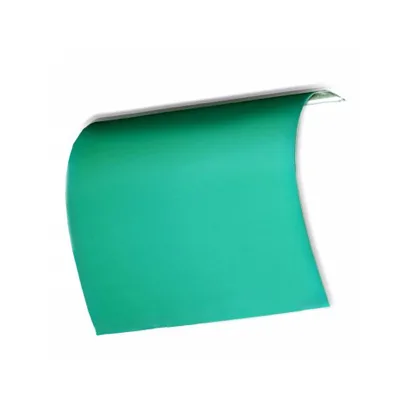


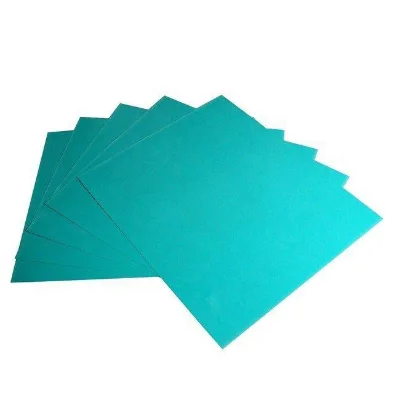
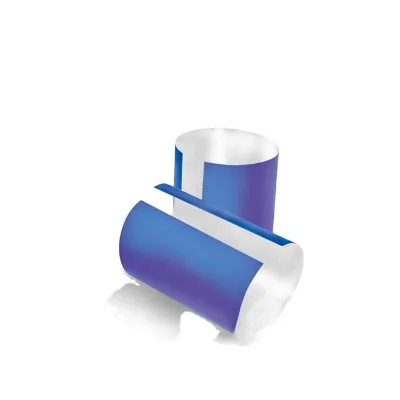
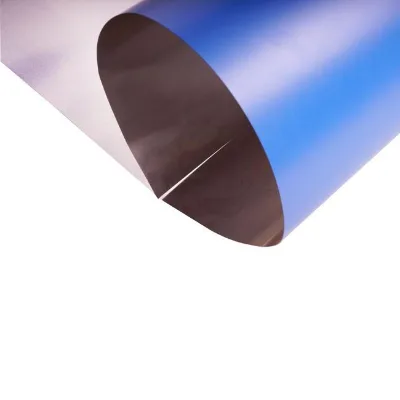
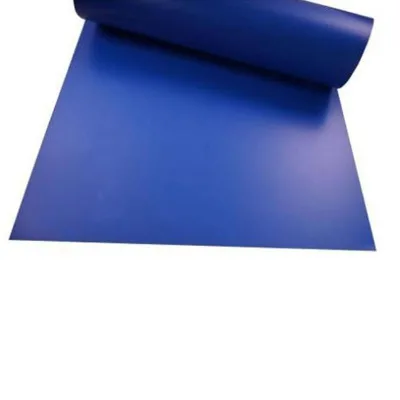
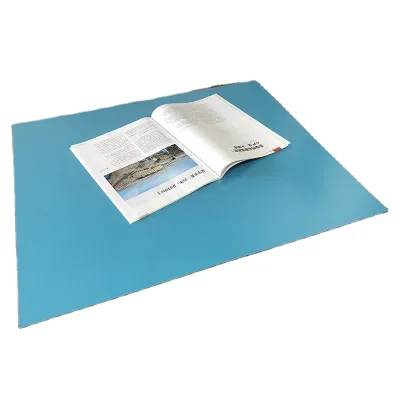
Hot Sale Positive Ctcp Plates in China, Positive Computer to Conventional Plate
$2.65 - $2.80
MOQ: 2000 Square Meters


$1.50 - $4.00
MOQ: 3000 Square Meters


$1.50 - $5.00
MOQ: 10000 Square Meters

$1.50 - $5.00
MOQ: 10000 Square Meters
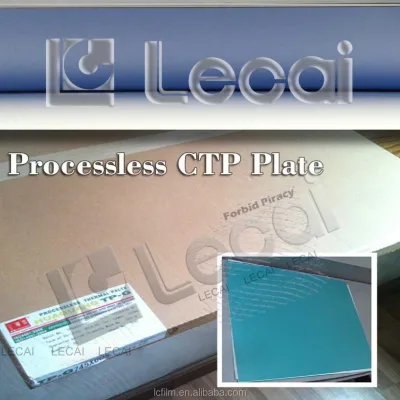
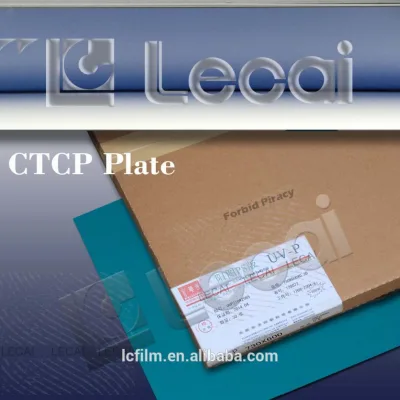
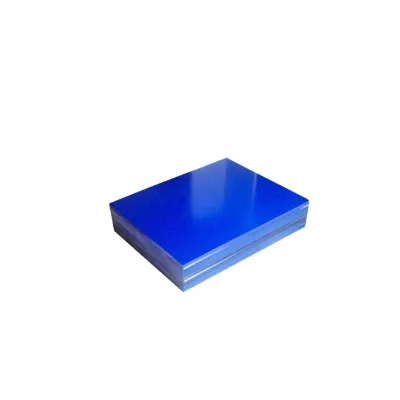
Comprehensive Sourcing Guide
Negative CTCP Plate Sourcing Guide
Sourcing negative CTCP plates requires careful evaluation of spectral sensitivity and processing compatibility to ensure consistent print quality. Buyers must verify that the selected plates align with their existing platesetter brands, such as Kodak Screen Cron, to avoid integration issues. The observed market data indicates a strong presence of positive CTCP variants, so confirming the specific negative chemistry is critical for accurate exposure and development.
Procurement teams should also assess the recommended developer systems, as compatibility with McLantis or Fuji developers can influence operational efficiency. Understanding the safe light requirements, specifically yellow light operating conditions, is essential for maintaining plate integrity during handling. This guide outlines the key technical and commercial factors necessary for making informed purchasing decisions in this specialized printing materials sector.
Product Scope and Observed Listing Signals
The current market landscape shows a mix of plate types, with significant listings for positive CTCP and PS plates. Observed price ranges span from 1.5 to 2700 USD, reflecting variations in thickness, brand, and supply ability. Minimum order quantities typically range from 1 to 10000 units, allowing for flexible procurement strategies based on production volume needs. Buyers should note that while negative CTCP is the core keyword, many suppliers prominently feature positive variants.
Listing signals indicate that customization is available for many products, which can be advantageous for specific print runs. The observed specifications include thicknesses from 0.15 to 0.40mm, catering to different substrate and press requirements. Supply abilities are reported in the billions of cartons per year, suggesting robust manufacturing capacity among major suppliers. This scale implies that lead times may be competitive, but buyers should still verify current stock levels for urgent orders.
Technical Specifications to Verify
Technical verification must begin with spectral sensitivity, which is observed to range from 350-430nm for many listed plates. This range is crucial for ensuring proper exposure with the buyer’s specific platesetter light source. Additionally, exposure energy requirements, such as 160-180 mj/cm2, should be matched to the machine’s output capabilities. Deviations in these parameters can lead to underexposure or overexposure, affecting dot gain and image resolution.
Developing temperature is another critical parameter, with recommended ranges around 21-25 degrees Celsius. Buyers must ensure their processor settings align with these thermal requirements to achieve optimal contrast and stability. The UGRA reading recommendation of a 13-step scale with three clear steps provides a benchmark for quality assessment. Verifying these technical details against the supplier’s datasheet is essential for maintaining print consistency and minimizing waste.
Compliance and Safety Documentation
Compliance documentation should include relevant certifications such as EN, GB, JIS, ASTM, and ISO, which are observed in some product listings. These standards indicate adherence to international quality and safety norms, providing assurance for global supply chains. Buyers should request copies of these certificates to verify that the plates meet the regulatory requirements of their target markets.
Safety data sheets are also important, particularly regarding the handling of developers and plate processing chemicals. The observation of yellow light operating conditions highlights the need for proper safe light protocols in the plate room. Ensuring that the supplier provides comprehensive safety information helps protect operators and maintains a compliant working environment. This documentation is vital for risk management and operational safety in the printing facility.
Cost Drivers and Commercial Terms
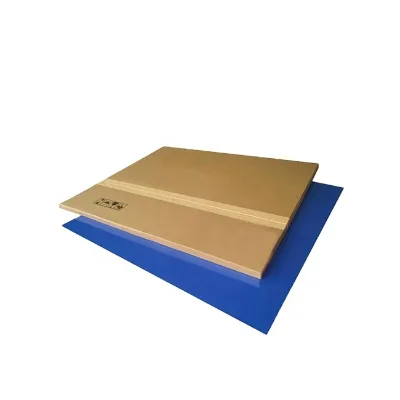
Cost drivers include the material grade, such as 1000 Series aluminum, and surface treatments like polishing. These factors influence the durability and print run length, which is observed to be between 80,000 and 100,000 impressions. Buyers should evaluate the total cost of ownership, considering not just the unit price but also the efficiency gains from longer run lengths. Packaging details, such as export standard wooden pallets, also impact logistics costs and handling requirements.
Commercial terms should clearly define the supply ability and delivery schedules. With supply abilities reported in billions of cartons, buyers can negotiate favorable terms for large volumes. However, it is important to confirm the actual lead times and port of dispatch, which is observed to be Shanghai for many suppliers. Clear communication on these terms helps prevent delays and ensures that production schedules are met without interruption.
Supplier Qualification and Quality Control
Supplier qualification should involve verifying their manufacturing capabilities and quality control processes. Buyers should assess whether the supplier offers free samples for testing, which is an observed practice in the market. This allows for practical evaluation of the plate’s performance under actual production conditions before committing to large orders.
Quality control checks should include verifying the alloy composition and elongation properties, which are observed to be more than 10%. These mechanical properties ensure the plate can withstand the stresses of the printing press. Additionally, buyers should confirm the compatibility with common thermal platesetter brands to ensure seamless integration. Establishing a strong relationship with a qualified supplier is key to maintaining consistent print quality and supply reliability.
Long-Term Procurement Checks
Long-term procurement checks should focus on the supplier’s ability to maintain consistent quality over time. Buyers should monitor the stability of technical specifications, such as spectral sensitivity and exposure energy, across different production batches. Regular audits of the supplier’s quality control processes can help identify potential issues before they impact production.
It is also important to review the supplier’s responsiveness to customization requests and technical support. As the market evolves, the ability to adapt to new technologies or requirements is a valuable asset. Buyers should maintain open communication with suppliers to stay informed about product updates and industry trends. This proactive approach ensures that the procurement strategy remains aligned with the company’s long-term printing goals.
FAQs
What is the spectral sensitivity range for this plate?
The spectral sensitivity range is 350-430nm. This ensures compatibility with standard UV exposure units. It supports high-resolution output at 200 lpi. The plate is suitable for offset printing applications. This range allows for precise image reproduction in commercial settings.
Can I customize the plate specifications for my needs?
Yes, customization is available for these plates. You can select from various thicknesses ranging from 0.15mm to 0.40mm. The material is aluminum alloy, specifically 1000 Series. This flexibility allows you to match specific press requirements. Contact suppliers for tailored dimensions and processing options.
What is the recommended exposure energy for development?
The recommended exposure energy is 160-180 mj/cm2. This range ensures optimal image quality and durability. It supports a run length of 80,000 to 100,000 impressions. Proper exposure is critical for maintaining plate integrity. Follow manufacturer guidelines for best results in production environments.
Which developers are compatible with this printing plate?
McLantis developer or Fuji developer are recommended. These developers ensure proper image formation and stability. The plate is suitable for any PS plate protection gum. Using the correct developer maintains the plate's resolution. This compatibility supports efficient workflow in professional printing facilities.
What is the minimum order quantity for these plates?
The minimum order quantity ranges from 1 to 10,000 units. This flexibility accommodates both small and large print runs. Suppliers offer various packaging options, including wooden pallets. The supply ability is high, supporting large annual volumes. Check specific supplier listings for exact MOQ requirements and pricing.
Where are these printing plates manufactured and shipped from?
These plates are manufactured in Shanghai and Henan, China. The port of dispatch is Shanghai for efficient logistics. The place of origin ensures access to established supply chains. Products are packed in export standard wooden pallets. This location supports reliable delivery for global printing industry needs.