Source New Modern Artificial Plant for Home, Garden, and Office
Explore 30 listings for the New Modern Artificial Plant to compare features like height, style, and customization options. Buyers can evaluate specifications for residence, commercial, and garden applications from verified suppliers.
Key considerations
Products List


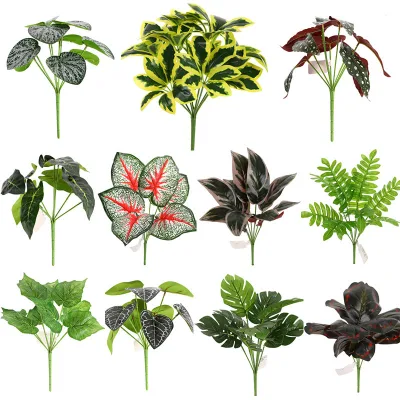


Plant Green Outdoor Indoor Decorations Look Realistic Artificial Plant Wall
$26.00 - $30.00
MOQ: 10 PIECE



Comprehensive Sourcing Guide
Strategic Sourcing Guide for New Modern Artificial Plants
Understanding the Modern Artificial Plant Landscape
The global market for artificial greenery has evolved significantly, moving away from generic plastic replicas toward high-fidelity "new modern" designs that prioritize aesthetic realism and functional versatility. For B2B buyers, the core keyword "New Modern Artificial Plant" implies a specific subset of products characterized by advanced surface treatments, lifelike textures, and contemporary styling. Based on current market observations, these products are predominantly manufactured in China, with significant production hubs in Hebei and Shandong provinces. The modern aesthetic often aligns with "Western Modern" or "Floral" styles, featuring evergreen properties and specific height ranges that cater to interior design trends.
When sourcing these items, buyers must recognize that the category is not monolithic. The supply chain includes distinct product lines ranging from tabletop plants to larger decorative arrangements. A critical observation in the current market is the variability in product attributes. While some listings emphasize "Lifelike" features and "Artificial" properties, others focus on specific applications like "Bedding" or "Wedding Layouts." This divergence requires buyers to strictly define their procurement needs before engaging with suppliers, as a product optimized for a commercial garden may lack the structural integrity required for a high-end residential setting. The modern trend also sees a shift toward "Customized Services," allowing buyers to tailor dimensions and packaging, though this often interacts with Minimum Order Quantity (MOQ) constraints that can range widely from single units to hundreds of pieces.
Technical Specifications and Product Attributes
Evaluating the technical specifications of new modern artificial plants requires a granular approach to the data provided in supplier catalogs. The physical dimensions are a primary differentiator. Market data indicates that standard heights for these products often fall between 61cm and 90cm, with specific models extending up to 100cm or even 140cm for larger statement pieces. The size specification is frequently categorized as "Medium (30cm-60cm)" for smaller units, while others offer fully "Customized" sizing to meet specific design briefs. Buyers should verify the exact model numbers, such as SD-39-01 or series like 157004/157024/157025, as these identifiers often correlate with specific structural designs and material compositions.
Material composition is another critical technical factor. The products are defined by their "Artificial" nature, with specific flower types like "Rose" being common in floral arrangements. The surface treatment often involves "Printing" to achieve realistic color gradients and vein details, moving beyond solid-color plastics. The "Evergreen" feature is a standard attribute, ensuring the product maintains its visual appeal without seasonal changes. However, buyers must be cautious regarding fire resistance. Current market observations show that many standard products are "Non-fire Retardant." For applications in commercial spaces, offices, or public venues, this is a significant compliance risk. Buyers must explicitly request fire-retardant certifications or alternative materials if the intended application is indoors in a high-traffic commercial environment.
Packaging specifications also vary significantly and impact logistics costs. Some products are shipped in simple "OPP Bag + Box Carton" configurations, while others utilize "Master Carton with Inner Boxes" or standard "Carton" packaging. The quantity per carton is a vital metric for freight optimization; for instance, a standard pack might contain 10 pieces per carton (10PCS/CTN). Understanding these packaging standards is essential for calculating shipping volumes and ensuring that the delicate "Lifelike" features of the plants are not damaged during transit.
Compliance, Certification, and Safety Standards
In the B2B sector, compliance is not merely a formality but a prerequisite for market entry, particularly for products entering residential or commercial spaces. While the provided data does not explicitly list specific certification bodies for every item, it references a "Low-confidence background" regarding ISO 9001. Buyers should treat this as a verification point rather than a guaranteed status. The absence of explicit certification data in general listings means that buyers must actively request proof of compliance from potential suppliers.
Safety standards are paramount, especially concerning fire safety. As noted, many products are "Non-fire Retardant." If the procurement target includes hotels, restaurants, or office buildings, the buyer must verify that the supplier can provide a fire resistance test report that meets local building codes. In many jurisdictions, artificial plants used in commercial settings must pass specific flammability tests. Relying on the assumption that a product is safe because it is "Modern" or "Lifelike" is a procurement error. The buyer must demand documentation proving that the materials used in the "Printing" and structural components meet the required fire safety standards for the destination market.
Furthermore, material safety is a growing concern. While the "Artificial" nature implies synthetic materials, buyers should inquire about the specific polymers used to ensure they are free from harmful volatile organic compounds (VOCs) or heavy metals, particularly if the plants are intended for environments with children or pets. The "Western Modern" style often implies a certain aesthetic standard, but this does not automatically equate to regulatory compliance. Buyers should establish a checklist of required certifications (such as CE, UL, or local equivalents) and make the provision of these documents a condition of the purchase order.
Cost Drivers and Pricing Dynamics
The pricing structure for new modern artificial plants is influenced by several variable factors, including customization, material quality, and order volume. The observed price range in the market spans from $0.24 to $50 USD, a wide disparity that reflects the difference between small tabletop items and large, custom-designed installations. The lower end of the spectrum typically corresponds to basic models with standard dimensions and minimal customization, while the higher end reflects complex designs, larger sizes (up to 140cm), and specialized surface treatments.
Minimum Order Quantity (MOQ) is a significant cost driver. The market data shows an MOQ range from 1 to 720 units. Suppliers offering "Small Orders: Accepted" or an MOQ of 0 are ideal for testing the market or fulfilling small-scale projects, but they often carry a higher unit cost. Conversely, suppliers with an MOQ of 720 may offer more competitive pricing but require a substantial upfront commitment. Buyers must balance the need for inventory against the capital tied up in stock. The "Customized" attribute often introduces additional costs. While "Customized Services Available" is a common offering, the degree of customization—whether it is a simple logo addition or a full structural redesign—will directly impact the final price.
Packaging and logistics also contribute to the total cost of ownership. Products packaged in "Master Carton with Inner Boxes" may have a higher unit price due to the added material and labor, but they reduce the risk of damage and potential returns. Conversely, simpler packaging might lower the initial price but increase the risk of in-transit damage, leading to hidden costs. Buyers should calculate the total landed cost, including shipping, duties, and potential waste, rather than focusing solely on the unit price.
Typical Applications and Usage Scenarios
The versatility of new modern artificial plants makes them suitable for a diverse range of applications. The primary usage categories identified include "Home Decoration," "Residence," "Commercial," "Garden," and "Shops." This broad applicability allows buyers to target multiple market segments with a single product line, provided the specifications match the environment. For residential use, the "Evergreen" and "Lifelike" features are highly valued, as they provide a permanent aesthetic solution without the maintenance requirements of real plants.
In commercial settings, the application extends to "Bedding" and "Wedding Layouts," indicating a strong presence in the event planning and hospitality sectors. The "Christmas, Easter, Halloween, Housewarming, Thanksgiving, Wedding & engagement" occasions list highlights the seasonal and event-driven nature of the market. Products designed for these occasions often require specific styling, such as "Christmas Wreath" models or floral arrangements with specific color palettes. The "Indoor, Outdoor" application capability is a key differentiator; buyers must verify that the materials used are UV-resistant and weather-proof if the plants are intended for outdoor gardens or patios.
The "Tabletop Plant" type is particularly relevant for office spaces and retail environments where space is limited. These smaller units, often falling within the 30cm-60cm size range, serve as effective decorative accents. However, for larger commercial spaces, the taller options (61cm-90cm or up to 140cm) provide better visual impact. Buyers should align their product selection with the specific spatial requirements of their clients, ensuring that the height and style (e.g., "Bonsai" or "Floral") complement the existing interior design.
Supplier Evaluation and Quality Control
Selecting the right supplier is critical for maintaining product consistency and meeting quality standards. The market data indicates that suppliers are located primarily in China, with specific origins in Hebei and Shandong. While these regions are known for manufacturing capabilities, buyers should not assume uniform quality across all suppliers. The "Brand Name" field shows variations, with some products bearing names like "SDE" or "Fayfun," while others may be unbranded or generic. This suggests a mix of OEM and ODM capabilities.
When evaluating suppliers, buyers should prioritize those who offer "Customized Services" and have a transparent communication channel regarding product attributes. The presence of "Small Orders: Accepted" can be a positive indicator of flexibility, but it should not come at the expense of quality control. Buyers must implement a rigorous quality control process that includes pre-production samples, in-process inspections, and final random inspections. Given the "Lifelike" nature of the products, visual inspection is crucial to ensure that the "Printing" and color gradients are consistent and free from defects.
The "Non-fire Retardant" status of many products necessitates a specific quality check for fire safety if the application requires it. Buyers should request third-party test reports to verify compliance. Additionally, the packaging integrity must be verified to ensure that the "Master Carton" or "Boxed" packaging protects the product during shipping. A robust supplier evaluation framework should include a review of the supplier's production capacity, lead times, and ability to handle customization requests without compromising the product's aesthetic or structural integrity.
Long-Term Procurement Considerations
Sourcing new modern artificial plants is not a one-time transaction but a strategic partnership that requires long-term planning. The "Customized" nature of many products means that buyers should establish clear specifications and agreements with suppliers to ensure consistency across multiple orders. The ability to scale production is another consideration; while some suppliers accept small orders, others have high MOQs that may limit flexibility. Buyers should assess the supplier's capacity to handle volume increases as their business grows.
Sustainability is an emerging factor in the artificial plant market. While the "Artificial" nature implies a lack of water usage, the end-of-life disposal of synthetic materials is a concern. Buyers should inquire about the recyclability of the materials used and whether the supplier is exploring more sustainable production methods. This forward-thinking approach can enhance the brand value of the buyer's products and align with the growing consumer demand for environmentally responsible sourcing.
Finally, the dynamic nature of the market, with trends shifting towards "Western Modern" and "Floral" styles, requires buyers to stay agile. Regular market analysis and feedback loops with suppliers can help buyers anticipate changes in demand and adjust their procurement strategies accordingly. By maintaining a focus on quality, compliance, and customization, buyers can build a resilient supply chain that delivers value over the long term.
FAQs
Can I find new modern artificial plants with customization options?
Yes, customized services are available for new modern artificial plants. Buyers can request specific dimensions or branding, though this often interacts with minimum order quantity constraints that range from single units to hundreds of pieces.
What is the typical height range for these artificial plants?
Standard heights for new modern artificial plants typically fall between 61cm and 90cm. Some specific models extend up to 100cm or 140cm, while smaller tabletop units may range from 30cm to 60cm depending on the design.
Which fire resistance standards apply to these products?
Many standard new modern artificial plants are non-fire retardant. Buyers must explicitly request fire resistance test reports if the intended application is in commercial spaces, offices, or public venues to ensure compliance with local safety codes.
How are these plants packaged for shipping?
Packaging varies from simple OPP bags with box cartons to master cartons with inner boxes. Standard configurations often contain 10 pieces per carton, which is vital for optimizing freight costs and protecting the lifelike features during transit.
What is the minimum order quantity for these items?
The minimum order quantity ranges widely from 1 unit to 720 units depending on the supplier. Suppliers accepting small orders may have higher unit costs, while those requiring 720 units often offer more competitive pricing for bulk purchases.
Where are these new modern artificial plants manufactured?
These products are predominantly manufactured in China, with significant production hubs in Hebei and Shandong provinces. Buyers should verify the specific origin as regional capabilities may vary regarding material quality and production capacity.