Source New Rear Bumper Reflector Light for cars, trucks, and SUVs
Explore 30 verified listings for the New Rear Bumper Reflector Light suitable for various vehicle models. Buyers can compare specifications, certifications, and prices to find the right replacement part for repair or upgrade needs.
Key considerations
Products List
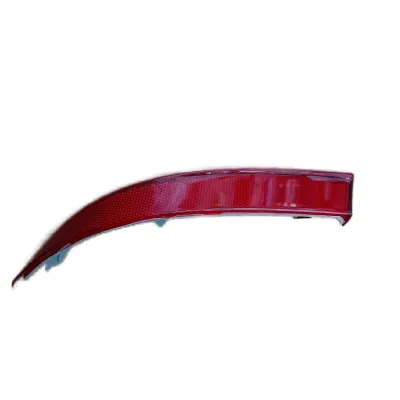


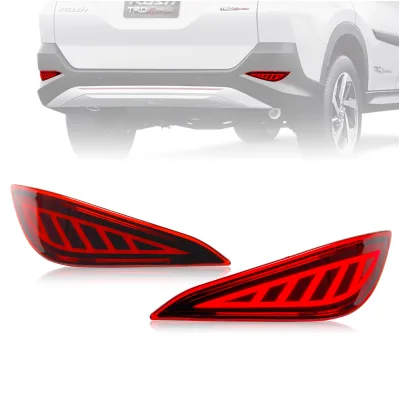

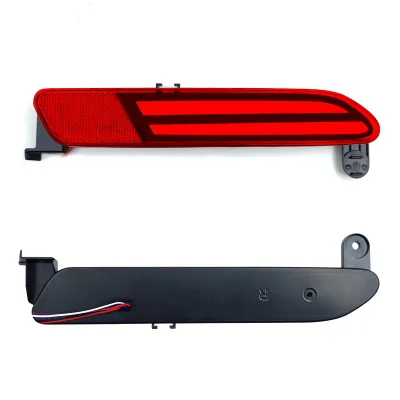
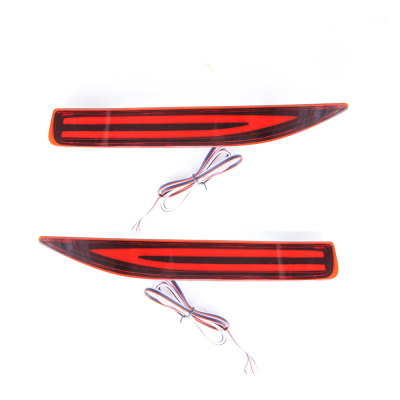
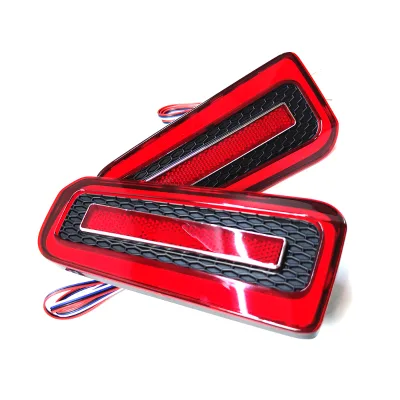


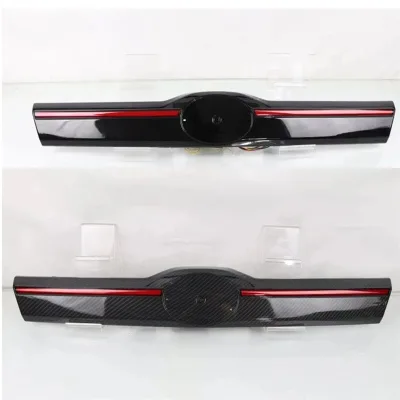


Wholesale LED High-Power High Brightness Reversing Lights and Brake Lights
$2.89 - $3.25
MOQ: 400 Pieces




Comprehensive Sourcing Guide
Strategic Sourcing Guide for New Rear Bumper Reflector Lights
Technical Specifications and Component Compatibility
When sourcing new rear bumper reflector lights, buyers must first establish a precise understanding of the technical attributes that define the component's functionality and fitment. The core keyword "New Rear Bumper Reflector Light" implies a replacement unit designed for repair or replacement purposes, rather than an original equipment manufacturer (OEM) assembly for a new vehicle build. The observed product data indicates a diverse range of technical configurations available in the current market.
A critical specification to verify is the base type, as this determines the physical interface with the vehicle's socket. The available data highlights specific base types such as H5W and W5W, which are common standards for automotive lighting. The voltage rating is consistently observed at 12V or 12 V, aligning with standard automotive electrical systems. However, buyers must confirm that the specific unit matches the vehicle's electrical architecture, as some aftermarket variants may offer different voltage tolerances.
The bulb technology is another pivotal specification. The market data reveals a split between traditional Halogen materials and modern LED bulb types. Halogen options are noted for their specific material composition, while LED variants offer different luminous efficiency and heat dissipation profiles. The color of the reflector is predominantly Red, which is the regulatory standard for rear-position lamps in most jurisdictions. The functional classification is explicitly identified as a "Back Position Lamp" or "Rear" fitting position, ensuring the component serves its intended safety role in traffic visibility.
Fitment compatibility is often dictated by the specific vehicle model. The data references specific applications such as the "Mg5" and general "Car" usage. Some listings mention suitability for both Right-Hand and Left-Hand Traffic configurations, a crucial detail for importers sourcing for international markets with different steering wheel positions. The model numbers provided, such as L7/L8/L9, X01-28730094, and X04-41350011, serve as unique identifiers for cross-referencing with vehicle service manuals. Buyers should treat these model numbers as specific observations for particular listings rather than universal standards for all rear bumper reflectors.
Compliance and Certification Verification
Navigating the regulatory landscape is essential for any B2B procurement of automotive lighting components. The supply chain data indicates the presence of several certification marks and standards that buyers must validate. The "CCC" (China Compulsory Certification) mark appears in the product attributes, which is a mandatory requirement for products sold within the Chinese market. However, the presence of a CCC mark on a listing does not automatically guarantee compliance with the destination country's regulations, such as ECE in Europe or DOT in the United States.
In addition to product-specific certifications, the data references "ISO9001" as a certified status for certain suppliers. This indicates that the manufacturing facility adheres to international quality management system standards. While ISO9001 is a strong indicator of process reliability, it is distinct from product safety certifications. Buyers should verify whether the specific batch of rear bumper reflector lights carries the necessary homologation marks for their target export market.
The standard dimensions provided in the data, such as 300200180mm, represent packaging or product standard sizes rather than universal physical dimensions for the reflector itself. These figures should be used as a reference for logistics planning and storage requirements rather than as a fitment specification. Similarly, the "Customization" attribute suggests that some suppliers may offer tailored solutions, but buyers must ensure that any custom modifications do not void existing safety certifications or regulatory approvals.
Cost Drivers and Pricing Structures
The pricing landscape for new rear bumper reflector lights is characterized by significant variability. The observed listed price range spans from 0.5 USD to 9999 USD. This wide disparity suggests that the market includes everything from single, low-cost replacement bulbs to complete high-end assembly units or bulk industrial orders. The "Selling Units" attribute indicates that many items are available as single units, which is typical for repair parts, but the "MOQ" (Minimum Order Quantity) data shows a range from 1 to 5000 units.
Several factors drive the cost of these components. The material composition is a primary driver; units utilizing Halogen materials may have different cost structures compared to those with ABS plastic or LED integration. The complexity of the "Head Lamp Assy." inclusion, where a bulb is included with the assembly, can also influence the final price. Additionally, the "Rated Power" being listed as "customized" implies that power specifications can be adjusted, potentially affecting manufacturing costs.
Buyers should be cautious of the "0.5" USD lower bound, which likely represents a single bulb or a very basic component, while the "9999" USD upper bound may reflect a complete lighting system or a large bulk order. The "Packaging" methods, ranging from simple boxes to complex cartons with plastic paper and corrugated trays, also impact the final landed cost due to shipping and handling fees. Understanding the relationship between the MOQ and the unit price is crucial; higher volume orders often yield better per-unit economics, but the initial capital outlay increases.
Typical Applications and Vehicle Fitment
The application of new rear bumper reflector lights is primarily focused on the automotive sector, specifically for the repair and replacement of damaged or worn-out components. The data explicitly states the purpose as "for replace/repair," confirming that these are aftermarket or replacement parts rather than original factory installations for new vehicle production lines. The "Usage" is categorized as "transport," indicating their role in maintaining the safety and visibility of vehicles in transit.
Fitment is highly specific to vehicle models. The data points to specific applications like the "Mg5," suggesting that sourcing guides must include detailed cross-reference tables to match the reflector to the correct vehicle make and model. The "Fitting Position" is consistently listed as "Rear," which aligns with the function of a rear bumper reflector. The distinction between Right-Hand and Left-Hand Traffic suitability is vital for global trade, as the orientation of the reflector and its internal optical design may vary to meet local traffic laws.
The "Stock Status" of "in Stock" for many listings suggests that immediate availability is a common feature for these components, which is beneficial for urgent repair needs. However, buyers should verify the actual stock levels with the supplier, as "in stock" claims can sometimes be generalized. The "Delivery Time" range of 1-15 days indicates a relatively short lead time for most standard orders, facilitating quick turnaround for repair shops and distributors.
Supplier Evaluation and Origin Analysis
Evaluating suppliers requires a careful analysis of their geographic origins and operational capabilities. The data reveals multiple locations of origin, including Anhui, China, Hangzhou, and Changzhou, Jiangsu, China. These regions are known for their manufacturing clusters, but buyers should verify the specific factory location for each order to ensure consistency in quality and logistics. The "Place of Origin" and "prod_origin" fields sometimes differ, highlighting the need to confirm the actual manufacturing site versus the corporate headquarters.
Supplier reliability can be assessed through their certification status and customization capabilities. The presence of "ISO9001" certification suggests a commitment to quality management, while the "Customization: Available" attribute indicates flexibility in meeting specific buyer requirements. However, buyers must distinguish between a supplier's ability to customize and their ability to maintain quality during customization. The "Brand Name" "wenye" and model numbers like "wybc" provide specific identifiers for tracking supplier performance and product lineage.
When evaluating suppliers, buyers should also consider the packaging standards. The data lists various packaging methods, including "Carton/Pallet," "Box," and "Box with Plastic Paper and Corrugated Paper Tray." These details are critical for ensuring the product arrives without damage during transit. A supplier that invests in robust packaging is more likely to maintain the "High-Quality" status claimed in their product attributes.
Quality Control and Long-Term Procurement Considerations
Ensuring the quality of new rear bumper reflector lights is paramount for maintaining vehicle safety and minimizing returns. The "Quality" attribute is explicitly listed as "High-Quality," but this is a subjective claim that must be validated through objective testing. Buyers should request test results or quality assurance documentation, particularly regarding the "Resistance" to water, which is listed as a key attribute. Waterproofing is essential for rear lighting components exposed to the elements.
Long-term procurement considerations involve the durability and warranty of the components. The "Warranty" period is observed as "12" months, which provides a baseline for buyer protection. However, the actual warranty terms should be confirmed in the contract, including the scope of coverage and the process for claims. The "Weight" of the component, noted as 0.1kg, is a useful metric for logistics planning but does not directly correlate with durability.
Buyers should also consider the "Single package size" of 10X4X4 cm for individual units, which affects storage density and shipping costs. For large-scale procurement, the "prod_packing" and "prod_standard" dimensions become more relevant for palletization and container loading. Establishing a long-term relationship with a supplier who offers consistent "High-Quality" products and reliable "Delivery Time" of 1-15 days can streamline the procurement process and reduce supply chain risks.
Comparative Analysis of Product Attributes
To facilitate informed decision-making, the following table summarizes the key attributes observed in the market for new rear bumper reflector lights. This comparison highlights the variability in specifications and helps buyers identify the features most relevant to their specific needs.
| Attribute Category | Observed Values | Relevance to Buyer |
|---|---|---|
| Base Type | H5W, W5W | Determines socket compatibility and bulb fitment. |
| Voltage | 12V, 12 V | Must match vehicle electrical system standards. |
| Bulb Type | Halogen, LED | Impacts brightness, energy efficiency, and heat management. |
| Color | Red | Standard for rear-position lamps; regulatory compliance. |
| Certification | CCC, ISO9001 | Indicates regulatory compliance and quality management. |
| Origin | Anhui, Hangzhou, Changzhou | Affects logistics, tariffs, and supply chain transparency. |
| Warranty | 12 Months | Defines the period of protection against defects. |
| MOQ | 1 - 5000 Sets | Influences order volume and initial capital requirements. |
| Packaging | Box, Carton, Pallet | Critical for protection during shipping and storage. |
| Fitment | Mg5, Right/Left Hand Traffic | Ensures the part fits the specific vehicle model and market. |
This table serves as a reference for buyers to quickly assess the diversity of the market and the specific requirements they must meet. By cross-referencing these attributes with their vehicle specifications and regulatory needs, buyers can make more precise and effective procurement decisions. The variability in these attributes underscores the importance of detailed due diligence before placing any order.
FAQs
What certifications do new rear bumper reflector lights typically have?
Many units carry CCC certification for the Chinese market and ISO9001 for quality management. Buyers must verify if these specific marks apply to their target export region, as local regulations like ECE or DOT may differ from the listed factory standards.
Which base types are available for these rear reflector lights?
Common base types observed include H5W and W5W for standard automotive sockets. The correct base must match the vehicle's electrical architecture to ensure proper fitment and function as a back position lamp in the rear assembly.
Can these lights be customized for specific vehicle models?
Customization is available for many suppliers to meet specific model requirements like the Mg5. Buyers should confirm that any custom modifications maintain the original waterproof resistance and do not void existing safety certifications or regulatory approvals.
What is the typical delivery time for these reflector lights?
Standard delivery times range from 1 to 15 days for most orders. This lead time applies to items currently in stock, but buyers should verify actual availability with the supplier before placing urgent repair orders.
How is the warranty period defined for these automotive parts?
A standard warranty period of 12 months is observed for these new rear bumper reflector lights. The coverage scope and claims process should be explicitly confirmed in the contract to ensure protection against manufacturing defects.
What voltage rating do these rear lights operate at?
These lights consistently operate at a 12V or 12 V rating, matching standard automotive electrical systems. Buyers must confirm the specific unit matches their vehicle's electrical architecture to prevent damage or malfunction.
Which materials are used in the construction of these lights?
Materials include Halogen for bulb types and ABS plastic for housing components. The choice of material affects durability and heat management, with some units also featuring waterproof resistance for rear position lamp applications.