Source New Lawn Mower Air Filter for Farmland Lawn and Tea Tree
Find 30 listings for New Lawn Mower Air Filter compatible with gasoline brush cutters and mini lawn mowers. Buyers can compare specifications like HEPA filtration, active carbon medium, and OE numbers from suppliers in Zhejiang and Guangdong.
Key considerations
Products List
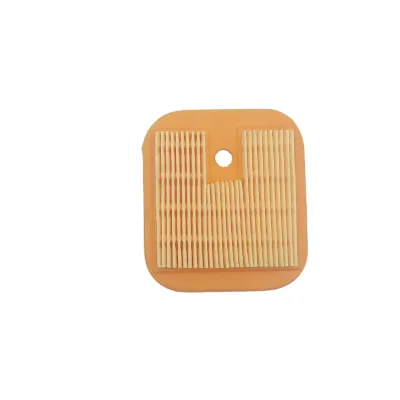
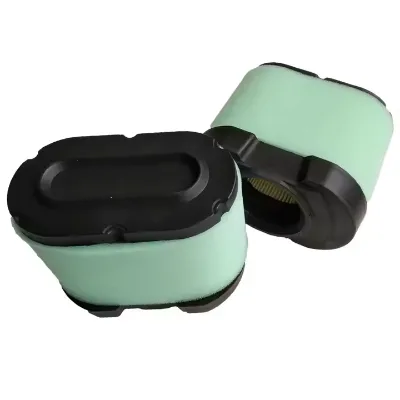

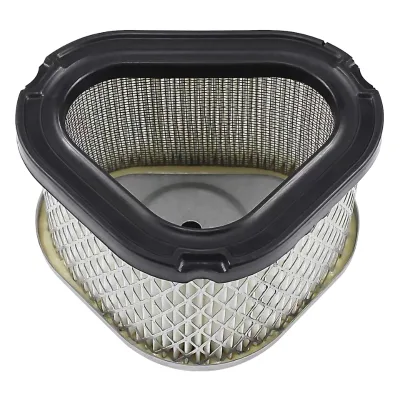
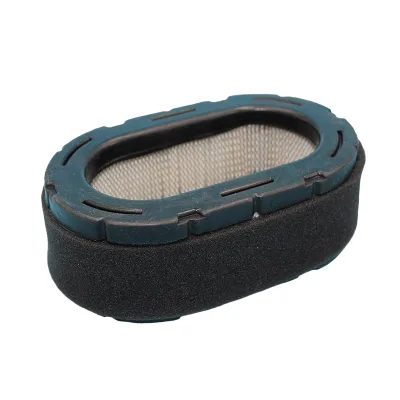
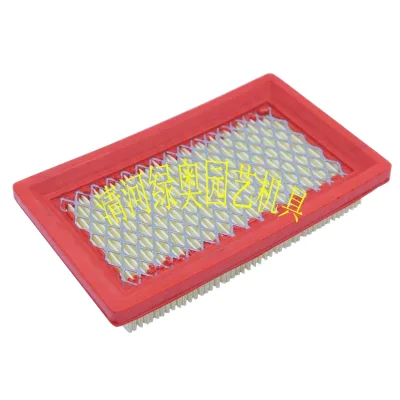


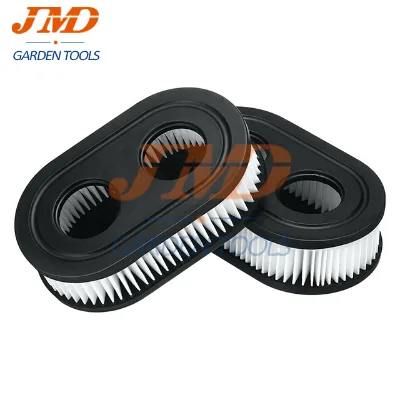
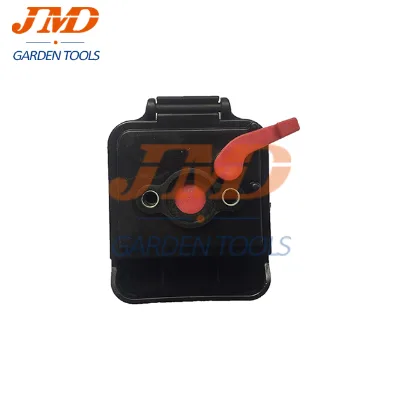
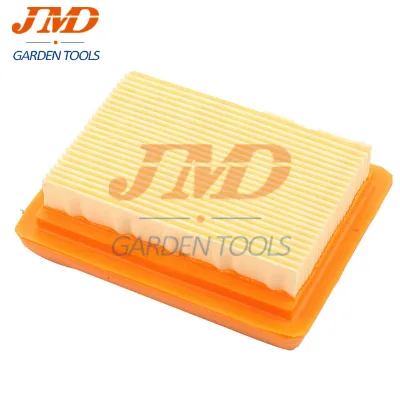


High Efficiency 593260 798452 Air Filter for Lawn Mowers and Mini Purifiers
$0.80 - $0.90
MOQ: 100 pieces


951-12690 492932 Oil Filter for Lawn Mower
$0.78 - $0.86
MOQ: 50 Pieces
Ningbo Eastar Electromechanical Industrial Trading Co., Ltd.

Comprehensive Sourcing Guide
Strategic Sourcing Guide for New Lawn Mower Air Filters
Understanding Product Specifications and Technical Attributes
When sourcing new lawn mower air filters, buyers must first navigate a complex landscape of technical specifications that often vary significantly between product listings. The core keyword "New Lawn Mower Air Filter" encompasses a broad range of components, from simple paper elements to advanced filtration systems designed for specific engine types. Based on available market data, the product attributes for these components are highly variable. Some listings explicitly identify the product as a "brush cutter G45 air filter," while others are categorized under "Mini Lawn Mower" or general "Garden Tool Spare Parts." This inconsistency highlights the necessity for buyers to verify the exact compatibility of the filter with their machinery before placing an order.
Technical specifications provided in supplier catalogs often include dimensions, material composition, and filtration grades. For instance, observed product data indicates that some filters utilize a "HEPA Filter" construction, suggesting a high level of particulate capture capability. Other listings specify "Active Carbon" as the medium material, which implies a dual function of filtering particulates and adsorbing odors or volatile organic compounds. The physical dimensions are equally critical; while some products list a single package size of 5x5x5 cm, others may have larger packaging requirements, such as 30x30x30 cm. Furthermore, the "cutting width" and "max cutting height" are often noted as "as per machine," indicating that the filter is a direct replacement part rather than a universal component with fixed dimensions.
Buyers should also pay close attention to the "Model Number" and "OE NO." (Original Equipment Number) provided in the specifications. A specific listing references model numbers such as "1208310," "GY20574," "M92359," "AM121608," and "123553." These codes are essential for ensuring that the purchased filter fits the specific engine model of the lawn mower or brush cutter. The "Brand Name" associated with these parts, such as "GOGO ATC," may indicate the manufacturer or the distributor, but it does not necessarily guarantee the original equipment manufacturer's endorsement. Therefore, the primary technical verification step is matching the OE number and physical dimensions to the existing equipment rather than relying solely on the brand name or general product title.
Compliance, Certification, and Quality Standards
In the B2B procurement of lawn mower air filters, compliance and certification serve as critical indicators of product reliability and safety. While many suppliers claim adherence to international standards, buyers must verify these claims against the specific documentation provided. Observed data includes a certification listing of "ISO 9001:CE," which suggests that the manufacturing facility has implemented a quality management system and that the product meets certain European safety requirements. However, the presence of this certification in a product listing does not automatically apply to every unit in a bulk order; it is an observation of the supplier's capability rather than a guarantee for every specific batch.
The "filtration grade" is another vital compliance metric. Listings mentioning "HEPA Filter" construction imply a specific efficiency standard, typically capable of capturing 99.97% of particles as small as 0.3 microns. This is particularly relevant for applications in "Farmland, Lawn, Tea Tree, Fruit Tree, and Paddy Field," where dust and debris levels can be exceptionally high. Buyers should request test reports or certification documents that explicitly validate the filtration efficiency claims. Without such documentation, the "HEPA" designation remains an unverified observation. Similarly, the "material" composition, which ranges from "Plastic" to "Active Carbon" and "Others," must be verified for durability and resistance to the specific environmental conditions of the intended application.
Warranty terms also play a significant role in compliance and risk management. The observed data indicates a "1 Year" or "12 months" warranty period for some products. This warranty acts as a contractual guarantee of quality, covering defects in materials or workmanship. However, the scope of this warranty—whether it covers the filter element only or includes the entire assembly—must be clarified. Buyers should ensure that the warranty terms are explicitly stated in the purchase agreement and that the supplier is willing to honor claims in the event of premature failure. Additionally, the "condition" of the product is listed as "New," which is a fundamental requirement for any replacement part, but buyers must verify that the "New" status is not merely a marketing term but reflects the actual state of the inventory.
Cost Drivers and Pricing Dynamics
The pricing structure for new lawn mower air filters is influenced by a variety of factors, including material composition, filtration technology, and packaging requirements. The observed price range in the market spans from $0.29 to $1500, a disparity that reflects the vast difference between simple paper filters and complex, high-performance filtration systems. The lower end of the spectrum likely corresponds to basic replacement parts with standard paper media, while the higher end may include specialized filters with active carbon layers, HEPA-grade construction, or those packaged in premium wooden boxes for heavy-duty industrial use.
Material costs are a primary driver of price variation. Filters utilizing "Active Carbon" or "HEPA Filter" construction generally command a higher price due to the cost of the specialized media and the more complex manufacturing processes required. In contrast, filters made from "Plastic" or generic "Other" materials may be more affordable but might offer lower filtration efficiency. The "Single gross weight" of the product also impacts shipping costs, which are a significant component of the total landed cost. For example, a filter with a gross weight of 1.0 kg will incur higher shipping fees than one weighing 0.030 kg, especially when ordering in bulk.
Packaging and customization are additional cost factors. While some products come in standard "box" packaging, others may require "Wooden Box" or custom packaging solutions, which increase the unit cost. The "Customization" availability, such as OEM, ODM, or OBM support, also influences pricing. Customized orders typically involve higher setup costs and minimum order quantities (MOQs), which can affect the per-unit price. The observed MOQ range of 1 to 999 units suggests that buyers have flexibility in order size, but larger orders may benefit from economies of scale. However, buyers must be cautious of suppliers offering extremely low prices, as these may indicate compromised quality or non-compliance with safety standards.
Typical Applications and Operational Environments
The application of new lawn mower air filters extends beyond simple residential lawn maintenance to include diverse agricultural and industrial environments. The observed product data highlights applications in "Farmland, Lawn, Tea Tree, Fruit Tree, and Paddy Field," indicating that these filters are designed to withstand harsh operating conditions. In paddy fields and farmlands, the air is often laden with dust, mud, and organic debris, requiring filters with high efficiency and durability. The "Usage" of these filters is primarily to "cut grass," but the underlying requirement is to protect the engine from particulate contamination that can lead to premature wear and failure.
The "lawn mower type" associated with these filters is often specified as "gasoline brush cutter," suggesting that the filters are optimized for two-stroke or four-stroke gasoline engines commonly found in brush cutters and walk-behind mowers. The "blade type" is listed as "brush cutter parts," further reinforcing the connection to heavy-duty cutting equipment. In these applications, the filter must maintain a consistent airflow to ensure optimal engine performance while preventing dust ingress. The "Feature" of cutting grass quickly is often linked to the efficiency of the air filter; a clogged or inefficient filter can reduce engine power and increase fuel consumption.
Buyers should also consider the specific environmental conditions of their operations. For instance, filters used in tea tree plantations or fruit orchards may be exposed to pollen, sap, and other organic matter that can clog standard filters. In such cases, the "HEPA Filter" construction or "Active Carbon" medium may be particularly beneficial. The "Product Name" variations, such as "Mini Lawn Mower" or "brush cutter G45 air filter," indicate that different models are tailored to specific machine sizes and engine capacities. Understanding the specific operational environment is crucial for selecting the right filter, as a mismatch can lead to reduced equipment lifespan and increased maintenance costs.
Supplier Evaluation and Procurement Strategy
Evaluating suppliers for new lawn mower air filters requires a rigorous approach that goes beyond surface-level product descriptions. Buyers must assess the supplier's ability to provide consistent quality, reliable lead times, and responsive customer service. The "place of origin" for these products is often listed as "Zhejiang, China," "Guangdong, China," or "Shandong, China," indicating that the majority of suppliers are located in these manufacturing hubs. While these regions are known for their industrial capabilities, buyers should verify the specific factory location and its reputation for quality control.
The "Customized support" offered by suppliers, including OEM, ODM, and OBM services, is a key indicator of their flexibility and capability. Suppliers offering these services are typically better equipped to meet specific buyer requirements, such as custom packaging or branding. However, buyers should verify the supplier's capacity to handle these requests without compromising quality. The "Single package size" and "prod_packing" details, such as "Wooden Box etc," provide insight into the supplier's packaging standards, which can affect the safety of the product during transit.
Buyers should also evaluate the supplier's response to quality issues. The "Warranty" terms, such as "1 Year" or "12 months," are important, but the supplier's track record in honoring these warranties is equally critical. Inquire about the process for handling defective products and the lead time for replacements. Additionally, verify the "Certification" status of the supplier, ensuring that claims of ISO 9001 or CE compliance are backed by valid documentation. A reliable supplier will be transparent about their quality control processes and willing to provide samples for testing before committing to a large order.
Quality Control and Long-Term Procurement Considerations
Implementing a robust quality control (QC) process is essential for ensuring the reliability of new lawn mower air filters. Buyers should establish clear acceptance criteria based on the product specifications, including dimensions, material composition, and filtration efficiency. The "Model Number" and "OE NO." must be strictly verified to ensure compatibility with the intended machinery. Any deviation from the specified parameters should be addressed immediately with the supplier.
Long-term procurement considerations involve building a sustainable supply chain that can adapt to changing market conditions and equipment needs. Buyers should diversify their supplier base to mitigate risks associated with single-source dependency. Regular audits of supplier facilities and quality control processes can help maintain high standards over time. Additionally, buyers should monitor the "condition" of the products upon delivery to ensure they remain "New" and free from damage during storage and transit.
The "Feature" of cutting grass quickly and the overall performance of the filter are long-term indicators of quality. Buyers should track the performance of the filters in the field, noting any issues with airflow restriction or premature clogging. This data can inform future purchasing decisions and help identify suppliers that consistently deliver high-quality products. By focusing on quality control and long-term relationship building, buyers can ensure a steady supply of reliable air filters that support the efficient operation of their lawn mowers and brush cutters.
Comparative Analysis of Product Attributes
To facilitate informed decision-making, the following table summarizes key product attributes observed in the market for new lawn mower air filters. This comparison highlights the variability in specifications and helps buyers identify the most suitable options for their specific needs.
| Attribute | Observation A | Observation B | Observation C |
|---|---|---|---|
| Product Name | Brush Cutter G45 Air Filter | Mini Lawn Mower | Garden Tool Spare Parts |
| Material | Plastic / Others | Active Carbon | HEPA Filter |
| Filtration Grade | Standard | HEPA Filter | HEPA Filter |
| Place of Origin | Zhejiang, China | Guangdong, China | China - Shandong |
| Warranty | 1 Year | 12 Months | 1 Year |
| Single Gross Weight | 1.0 kg | 0.030 kg | 1.0 kg |
| Single Package Size | 5x5x5 cm | 30x30x30 cm | 5x5x5 cm |
| Certification | ISO 9001:CE | ISO 9001:CE | Not Specified |
| Application | Brush Cutter | Farmland, Lawn, Tea Tree | Lawn, Fruit Tree |
| Customization | OEM, ODM, OBM | Available | OEM, ODM, OBM |
| Model Number | 1208310, GY20574, etc. | UR550 | 1208310, GY20574, etc. |
| Condition | New | New | New |
This table illustrates the diversity of options available in the market. Buyers must carefully match these attributes to their specific requirements, considering factors such as the type of machinery, the operating environment, and the desired level of filtration efficiency. By leveraging this comparative analysis, buyers can make more informed decisions and select the most appropriate air filters for their operations.
FAQs
What certifications do New Lawn Mower Air Filter suppliers offer?
Some suppliers provide ISO 9001 and CE certifications for their air filters. Buyers should verify these claims with valid documentation before ordering, as certification applies to the facility rather than every specific batch.
Which materials are used in New Lawn Mower Air Filter construction?
Filters may be constructed using HEPA filter media, active carbon, plastic, or other materials. The specific composition varies by listing, so buyers must confirm the material matches their engine requirements for optimal performance.
Can buyers customize new lawn mower air filters for specific machines?
Yes, many suppliers offer OEM, ODM, and OBM customization support for these parts. Customization is available but typically involves higher setup costs and specific minimum order quantities depending on the supplier's capacity.
How does the warranty apply to new lawn mower air filters?
Products often come with a one-year or 12-month warranty covering defects in materials or workmanship. Buyers must clarify if the warranty covers the filter element only or the entire assembly before finalizing the purchase.
What is the typical MOQ for sourcing new lawn mower air filters?
The minimum order quantity ranges from 1 to 999 units depending on the supplier. Some listings specify an MOQ of 10 pieces, while others allow single item purchases, offering flexibility for different order sizes.
Which locations manufacture new lawn mower air filters?
Manufacturing origins include Zhejiang, Guangdong, and Shandong provinces in China. Buyers should verify the specific factory location as these regions are known for industrial capabilities but require individual quality control verification.