Source Niacinamide Salicylic Acid Facial Serum for Acne Care
Source Niacinamide Salicylic Acid Facial Serum from 30 verified manufacturers in China. Compare formulations featuring vitamin C, hyaluronic acid, and plant extracts for moisturizing, whitening, and anti-aging benefits. Review GMPC and ISO22716 certified options with customizable packaging and bulk pricing.
Updated
Key considerations
Products List


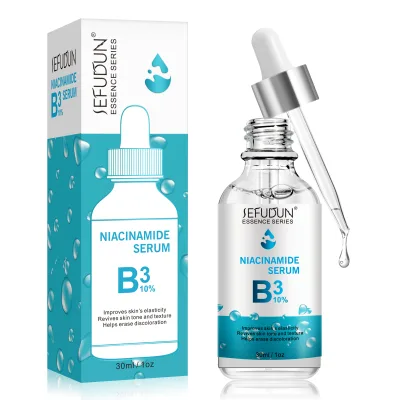
Beauty Cosmetics Skin Care Niacinamide Serum with Hyaluronic Acid Facial Serum
$1.20 - $2.50
MOQ: 100 Pieces


Beauty Cosmetics Skin Care Niacinamide Serum Bright Face Care Face Serum
$1.80 - $2.65
MOQ: 100 Pieces



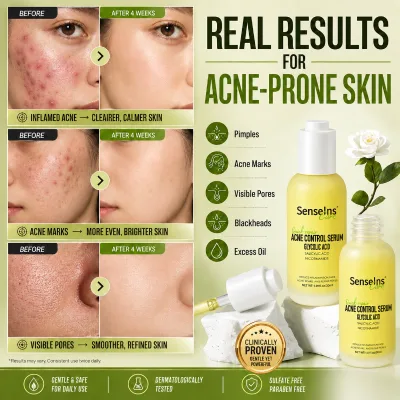
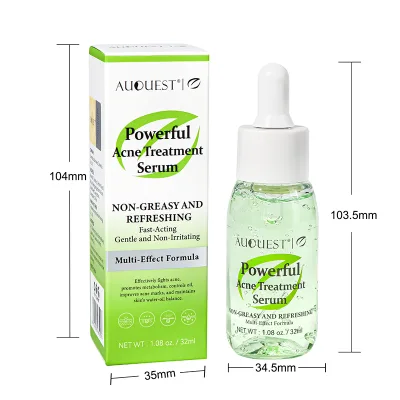


Comprehensive Sourcing Guide
Niacinamide Salicylic Acid Facial Serum Sourcing Guide
Sourcing niacinamide and salicylic acid facial serums requires a disciplined approach to ingredient verification and formulation stability. Buyers must distinguish between products that combine these actives for synergistic effects and those that list them separately in different SKUs. The market offers various formulations targeting acne, brightening, and anti-aging, but the specific concentration and pH balance of salicylic acid are critical for efficacy and safety. Procurement teams should prioritize suppliers who provide transparent ingredient lists and clear functional claims, ensuring the final product aligns with the intended skin type and therapeutic goals.
Commercial availability varies significantly, with observed minimum order quantities ranging from one kilogram to three thousand units. This flexibility allows small brands to test market response while larger enterprises can secure bulk supply. However, the presence of multiple model numbers and customization options indicates a fragmented supplier landscape. Buyers need to establish clear communication channels to confirm whether a specific listing represents a finished cosmetic product or a bulk raw material concentrate. Understanding this distinction is vital for determining packaging requirements, regulatory compliance pathways, and total landed cost calculations before committing to a purchase order.
Product Scope and Observed Listing Signals
The observed product listings reveal a diverse range of facial serums with overlapping feature sets. Common attributes include moisturizing, whitening, and acne-fighting capabilities, often supported by additional ingredients like hyaluronic acid, aloe vera, and centella asiatica. Some products explicitly target dark circles and fine lines, while others focus on pore tightening and skin revitalization. The brand name JUNYA appears in specific listings, indicating that established manufacturers may offer private label opportunities. Buyers should note that while many products claim suitability for all skin types, the inclusion of exfoliating acids necessitates careful consideration of potential sensitivity issues for end consumers.
Listing signals also highlight significant variation in packaging and presentation. Some items are described as barreled bulk materials, whereas others are packaged in cartons with standardized volumes like thirty, fifty, or one hundred milliliters. The observed price range spans from zero point seven to eighteen point eighty-eight US dollars, reflecting differences in ingredient quality, packaging complexity, and order volume. Additionally, the availability of customization services suggests that suppliers are willing to adapt formulations or branding to meet specific buyer requirements. Procurement teams must verify whether the listed price includes packaging or represents raw material costs to avoid unexpected expenses during the final assembly phase.
Technical Specifications to Verify
Technical verification begins with confirming the exact model numbers and formulation details associated with each product listing. Models such as FSS-28, FSS-29, CY84, and RH4 indicate distinct product lines that may differ in concentration, viscosity, or auxiliary ingredients. Buyers must request detailed technical data sheets to understand the precise ratio of niacinamide to salicylic acid, as well as the presence of other active components like AHAs or collagen. The form is consistently identified as a serum, but the single volume and gross weight fields often show zero values in initial listings, necessitating direct confirmation of net weight and container specifications.
Further technical due diligence involves assessing the shelf life and storage conditions required to maintain product integrity. A typical shelf life of three years is observed, but this duration depends heavily on proper storage away from direct sunlight and extreme temperatures. Buyers should also verify the production time, which ranges from seven to thirty days, to ensure alignment with inventory planning and launch schedules. The use of plant extracts, vitamins, and collagen in some formulations adds complexity to stability testing. Procurement teams must ensure that the supplier can provide stability data confirming that the active ingredients remain effective throughout the stated shelf life under normal distribution conditions.
Compliance and Safety Documentation
Regulatory compliance is paramount when sourcing facial serums, particularly those containing active ingredients like salicylic acid. Suppliers in the observed listings hold various certifications, including GMPC, ISO 22716, CE, FDA, GMP, and MSDS. These documents indicate adherence to Good Manufacturing Practices and safety data standards, but buyers must verify the specific scope and validity of each certificate. The presence of multiple certification types suggests that some suppliers cater to different regional markets, each with its own regulatory requirements. Procurement teams should request copies of these certificates and cross-reference them with the destination country’s cosmetic regulations to ensure full compliance.
Safety documentation also includes Material Safety Data Sheets, which provide critical information on handling, storage, and emergency measures. Buyers must ensure that the MSDS accurately reflects the final product composition, including all auxiliary ingredients and preservatives. The mention of CE and FDA certifications implies that some products may meet stringent safety standards for international trade. However, buyers should not assume that all listed products possess every mentioned certification. It is essential to confirm that the specific SKU being ordered has the necessary approvals for the target market, avoiding potential customs delays or product recalls due to non-compliance.
Cost Drivers and Commercial Terms
Cost structures for niacinamide salicylic acid serums are influenced by ingredient quality, packaging complexity, and order volume. The observed minimum order quantity of one kilogram suggests that bulk purchases can significantly reduce unit costs, but buyers must account for additional expenses such as custom packaging, labeling, and freight. Trade terms like EXW, FOB, CIF, CFR, DAP, and DDP offer flexibility in logistics management, allowing buyers to choose the level of control over shipping and insurance. Understanding these terms is crucial for accurate cost forecasting, as they determine who bears the risk and cost during transit.
Production time and lead times also impact overall procurement costs. With production times ranging from seven to thirty days, buyers must plan ahead to avoid stockouts or rush fees. The availability of customization services may incur additional setup costs or longer lead times, which should be factored into the budget. Buyers should negotiate clear payment terms and inquire about price breaks for larger volumes. Additionally, the single item selling unit format indicates that some suppliers may offer sample sizes or small batch options for testing purposes, which can be valuable for market validation before committing to large-scale production.
Supplier Qualification and Quality Control
Supplier qualification requires a thorough assessment of manufacturing capabilities and quality control processes. Buyers should verify the supplier’s experience, with some listings highlighting twenty years of industry expertise. This longevity can indicate stability and a deep understanding of formulation challenges. However, experience alone is not sufficient; buyers must request evidence of consistent quality through batch-to-batch testing records and third-party lab reports. The ability to customize formulations and packaging suggests a flexible manufacturing process, but buyers must ensure that customization does not compromise product stability or safety.
Quality control checks should include visual inspection, pH testing, and microbial analysis to ensure the product meets specified standards. Buyers should establish clear acceptance criteria for defects, such as separation, discoloration, or inconsistent viscosity. Regular audits of the manufacturing facility, either on-site or through virtual tours, can provide insight into hygiene practices and equipment maintenance. Additionally, buyers should inquire about the supplier’s process for handling customer complaints and product returns. A robust quality management system is essential for maintaining brand reputation and ensuring consumer safety in the competitive skincare market.
Long-Term Procurement Checks
Long-term procurement success depends on continuous monitoring of supplier performance and market trends. Buyers should establish key performance indicators for delivery reliability, product quality, and responsiveness to issues. Regular reviews of supplier certifications ensure that compliance standards are maintained over time, especially as regulations evolve. Building a strong relationship with the supplier can facilitate better pricing, priority production slots, and collaborative innovation in new formulations. Buyers should also stay informed about emerging ingredients and technologies that could enhance product efficacy or appeal to changing consumer preferences.
Supply chain resilience is another critical factor for long-term procurement. Buyers should diversify their supplier base to mitigate risks associated with production delays or quality failures. Maintaining a buffer stock of critical raw materials or finished goods can help manage unexpected demand spikes or logistical disruptions. Regular communication with suppliers about future product roadmaps and capacity planning ensures that supply aligns with sales forecasts. By proactively addressing potential challenges and fostering collaborative partnerships, buyers can secure a stable and competitive supply of niacinamide salicylic acid facial serums for their market.
FAQs
What are the main ingredients in this serum?
The main ingredients include salicylic acid, niacinamide, aloe vera extract, hyaluronic acid, glycerol, and centella asiatica extract. These components work together to exfoliate, moisturize, and nourish the skin while targeting acne and dark circles effectively.
Which certifications do the manufacturers hold?
Manufacturers hold GMPC, ISO22716, CE, FDA, GMP, and MSDS certifications. These credentials ensure the production processes meet international safety and quality standards for skincare products intended for face and body use.
Can I customize the product specifications?
Yes, customization is available for this serum. Buyers can request specific volumes like 30ml, 50ml, or 100ml, or choose other customized options to meet their unique business requirements and packaging needs.
What is the minimum order quantity required?
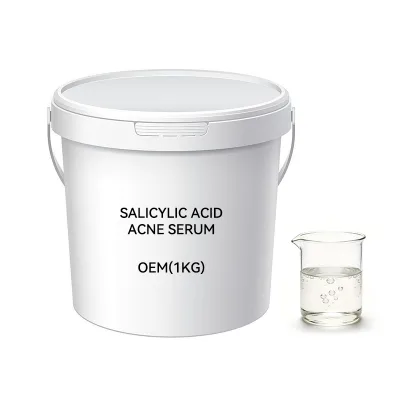
The minimum order quantity is 1KG for this product. This bulk requirement applies to the standard barrelled packaging, allowing buyers to secure significant inventory for wholesale distribution or private labeling projects.
How long does production take to complete?
Production time ranges from 7 to 30 days depending on order volume and customization. This lead time covers the manufacturing process from raw material preparation to final packaging and quality checks before shipment.
Where is the product manufactured?
The product originates from Guangdong, China. This location is a major hub for skincare manufacturing, ensuring access to established supply chains and experienced production facilities for high-quality serum output.
What skin types is this serum suitable for?
This serum is suitable for all skin types, including combination, normal, dry, and oily skin. Its formulation targets various concerns like fine lines, dark spots, and acne without causing irritation to sensitive areas.