Source Ni30Cr20 Heating System Nicr Ribbon for Heaters
Find 30 Ni30Cr20 Heating System Nicr Ribbon options from Chinese manufacturers. Compare specifications like resistance values, dimensions, and certifications to identify suitable materials for zigzag elements and industrial heating applications.
Key considerations
Products List




Comprehensive Sourcing Guide
Ni30Cr20 Heating System Nicr Ribbon Sourcing Guide
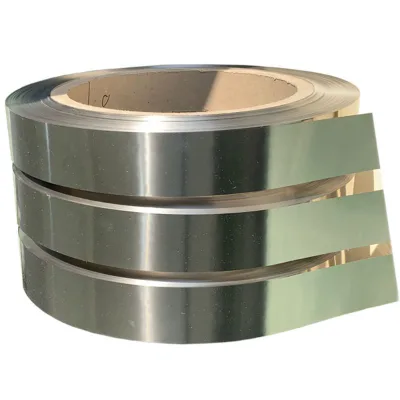
The Ni30Cr20 Heating System Nicr Ribbon represents a specialized class of resistance heating elements designed for high-temperature industrial applications. Based on observed market data, these products are frequently characterized by a composition of approximately 80% Nickel and 20% Chromium, though variations such as Ni60Cr15 or Ni35Cr20 also appear in the supply chain. Buyers must distinguish between these specific alloy formulations, as the 80/20 ratio typically offers superior oxidation resistance and longevity in continuous high-heat environments compared to lower nickel variants. The physical form factor is critical, with listings indicating availability in flat wire, strip, and ribbon configurations, each serving distinct mechanical and thermal requirements within heating systems.
Procurement of this material requires careful attention to the specific operational environment, as the observed product attributes highlight uses ranging from zigzag elements to general furnace applications. The observed data suggests that while some products are optimized for resistors and heaters, others are explicitly marketed for welding or all kinds of heating machines. This diversity in application necessitates a rigorous verification process where the buyer confirms that the specific ribbon geometry and alloy composition match the thermal load and mechanical stress of their intended system. Misalignment between the product's rated working temperature and the actual process requirements can lead to premature failure, making precise specification matching the first step in a successful sourcing strategy.
Product Scope and Observed Listing Signals
The current market landscape for Ni30Cr20 Heating System Nicr Ribbon displays a wide range of physical dimensions and packaging formats, which directly influences logistics and handling costs. Observed listings indicate that products are commonly supplied in coils, spools, or paper and woven bags, with larger quantities often requiring wooden cases or pallets for protection. The specific dimensions observed, such as a width range of 0.5 to 10mm or a thickness of 0.1 to 5mm, suggest that suppliers offer highly customized profiles to fit unique heating element designs. Buyers should verify that the packaging method aligns with their storage capabilities and that the ribbon form factor, whether described as a strip, ribbon, or flat wire, meets the bending radius requirements of their manufacturing equipment.
Price and minimum order quantity (MOQ) signals in the observed data show a range of 10 to 40 USD with MOQs varying from 1 to 100 units, reflecting the flexibility of the market for both prototyping and bulk production. These commercial signals indicate that suppliers are willing to accommodate small batch orders, which is advantageous for R&D phases or maintenance replacements, while also supporting larger industrial runs. However, the variation in pricing and MOQs often correlates with the level of customization required, such as specific surface treatments like bright or annealed conditions. Buyers should anticipate that standard sizes may offer more competitive pricing, whereas custom dimensions or specialized surface finishes could incur higher unit costs or longer lead times.
Technical Specifications to Verify
Verifying the electrical and thermal properties of the ni30cr20 ribbon is essential to ensure the heating system operates within safe and efficient parameters. The observed data highlights a resistance value of 15ohm/M+5% and a resistivity of 1.04 μΩ.M for specific models, alongside a melting point of 1390 C and an operating temperature of 1100 C. These numerical values are critical benchmarks; a deviation in resistivity can alter the power consumption and heat output of the element, potentially leading to under-performance or overheating. Buyers must request test reports or datasheets that confirm these specific electrical characteristics for the exact batch being purchased, as variations in the manufacturing process can affect the final resistance per unit length.
Mechanical and chemical attributes also require strict validation to prevent premature degradation of the heating element. The observed product conditions include "Bright" and "Annealed" states, with some listings noting a low carbon content of 0.05 or 0.05% to enhance ductility and resistance to thermal cycling. The density of 7.9 and the absence of holes (Hole: 0) are standard indicators of material integrity, but buyers should confirm that the carbon content and surface finish are consistent with the specific oxidation resistance needed for their application. Additionally, the distinction between different models like Ni80Cr20 and Ni60Cr15 implies different performance envelopes, so the buyer must ensure the selected model matches the thermal stress profile of the intended heating machine.
Compliance and Safety Documentation
Ensuring that the Ni30Cr20 Heating System Nicr Ribbon meets international safety and environmental standards is a non-negotiable aspect of B2B procurement. The observed data references certifications such as SGS, ISO, and RoHS, which indicate that the supplier adheres to specific quality management and environmental compliance protocols. While ISO9001 and ISO14001 are mentioned in the context of some listings, buyers should treat these as observed claims rather than universal guarantees and request valid, current certificates for the specific production batch. Verifying that the supplier holds active certifications ensures that the manufacturing process is controlled and that the materials do not contain restricted substances that could violate regulations in the buyer's target market.
In addition to general certifications, specific product standards and origin details provide a layer of traceability and quality assurance. Listings indicate origins in China, including specific cities like Hangzhou and Shanghai, and reference standards such as GB/T 1234-12 or GB/T 1234-95. These national standards define the technical requirements for the alloy composition and physical dimensions, serving as a baseline for quality. Buyers should verify that the supplier's production aligns with the cited standard version, as older standards may not reflect the latest safety or performance requirements. Furthermore, the availability of free samples allows buyers to conduct their own preliminary compliance checks before committing to a larger order, mitigating the risk of receiving non-compliant materials.
Cost Drivers and Commercial Terms
The total cost of ownership for Ni30Cr20 Heating System Nicr Ribbon is influenced by several factors beyond the base unit price, including customization levels and packaging requirements. The observed data shows that products are available with customization options, which can significantly impact the final price and lead time. Customizing the width, thickness, or surface finish to specific dimensions often requires dedicated production runs, increasing the cost per unit compared to standard stock items. Buyers should evaluate whether the performance benefits of a custom profile justify the additional expense or if a standard size can be adapted to their system with minimal modification.
Commercial terms regarding payment, shipping, and sample availability also play a crucial role in the procurement decision. The observation of free sample availability is a positive signal for buyers looking to validate product quality before scaling up, reducing the financial risk of the initial engagement. However, the MOQ range of 1 to 100 units suggests that while small orders are possible, larger volumes may be required to achieve optimal pricing tiers. Buyers should negotiate clear terms regarding lead times, which can vary based on the origin location and the complexity of the order, and ensure that the shipping method, whether in wooden cases or coils, protects the ribbon from damage during transit.
Supplier Qualification and Quality Control
Selecting a qualified supplier for Ni30Cr20 Heating System Nicr Ribbon requires a thorough assessment of their manufacturing capabilities and quality control systems. The observed data indicates that suppliers operate in specific industrial hubs in China, such as Hangzhou and Shanghai, which are known for their metallurgical expertise. Buyers should verify the supplier's production capacity and their ability to maintain consistent alloy compositions, such as the 80% Nickel and 20% Chromium ratio, across different batches. Consistency in composition is vital for maintaining the thermal and electrical properties of the heating element, and any deviation can compromise the reliability of the heating system.
Quality control processes should be transparent and documented, with a focus on testing for critical attributes like resistance value, melting point, and carbon content. The presence of certifications like SGS and RoHS suggests that the supplier has established protocols for testing, but buyers should request detailed inspection reports that cover the specific parameters of their order. It is also important to verify the supplier's ability to handle the specific condition of the product, whether it is bright, annealed, or soft state, as these conditions affect the material's workability and final performance. A robust quality control system ensures that the delivered ribbon meets the rigorous demands of industrial heating applications.
Long-Term Procurement Checks
Establishing a long-term procurement strategy for Ni30Cr20 Heating System Nicr Ribbon involves regular audits of supplier performance and product consistency. Over time, buyers should monitor the stability of the alloy composition and the reliability of the electrical properties to ensure that the heating elements continue to perform as expected. Regular testing of incoming materials against the established specifications, such as the 15ohm/M resistance and 1100 C operating temperature, helps identify any drift in quality that could indicate issues in the supplier's production process. Proactive monitoring allows for early intervention and prevents costly downtime in the buyer's heating systems.
Building a sustainable relationship with the supplier also requires clear communication channels and a shared understanding of quality expectations. Buyers should maintain open dialogue regarding any changes in standards, such as updates to GB/T 1234 or new environmental regulations, to ensure continued compliance. Additionally, reviewing the supplier's ability to provide technical support and handle custom requests can enhance the partnership and ensure that the procurement process remains efficient. By focusing on long-term checks and continuous improvement, buyers can secure a reliable supply of high-quality Ni30Cr20 Heating System Nicr Ribbon that supports their operational goals.
FAQs
What is the composition of Ni30Cr20 heating ribbon?
The composition is 55% to 61% Nickel and 15% to 18% Chrome. This specific alloy ratio ensures stable resistance values for various heating applications while maintaining structural integrity at high temperatures.
How is the Ni30Cr20 ribbon typically packaged for shipment?
The product is packed in wooden cases, wooden pallets, or coils within paper or woven bags. This robust packaging protects the ribbon during transit and prevents damage to the delicate wire structure.
Can I get a free sample of the Ni30Cr20 ribbon?
Yes, free samples are available for potential buyers to verify quality before placing a large order. This allows you to test the material properties and dimensions against your specific heating system requirements.
What is the working temperature limit for this heating ribbon?
The working temperature reaches up to 1100 degrees Celsius for this alloy. This high thermal tolerance makes it suitable for industrial furnaces and various types of heating machines requiring sustained heat.
Which certifications does the Ni30Cr20 ribbon product hold?
The product holds SGS, ISO, and RoHS certifications to ensure safety and quality standards. These documents verify that the manufacturing process meets international requirements for environmental and material safety compliance.
What is the standard resistance value for this wire?
The resistance value is 15 ohms per meter with a tolerance of plus or minus 5 percent. This consistent electrical property is critical for designing efficient and predictable heating elements in industrial applications.