Source Nickel and Lead Free Anxiety Relief Fidget Ring for stress, focus, and habit breaking
Compare 30 listings for Nickel and Lead Free Anxiety Relief Fidget Ring options made from metal with various shapes and customizations. Buyers can review specifications, certifications, and pricing to find suitable suppliers for stress relief and focus applications.
Key considerations
Products List


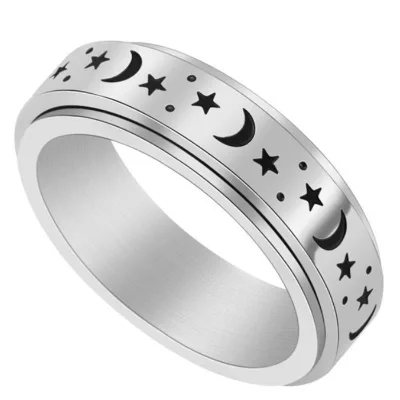
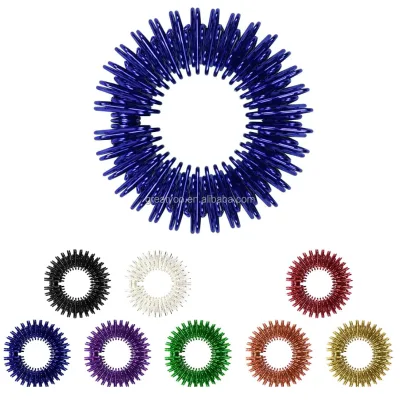
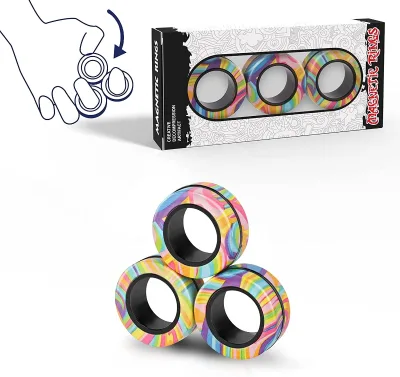
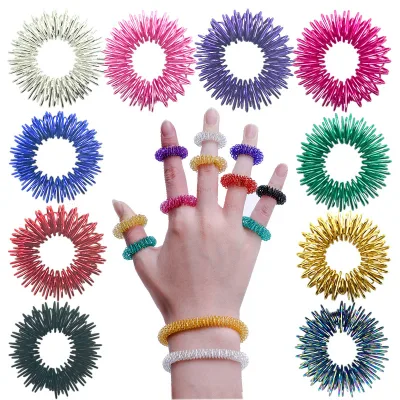
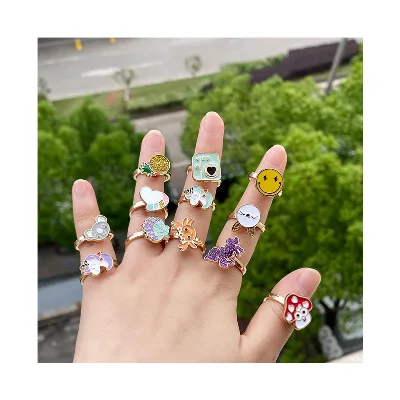
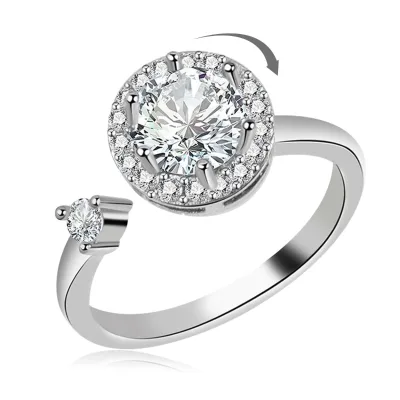
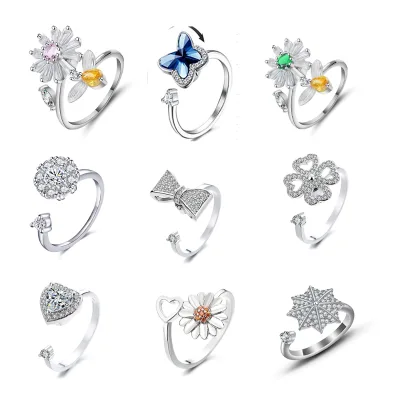

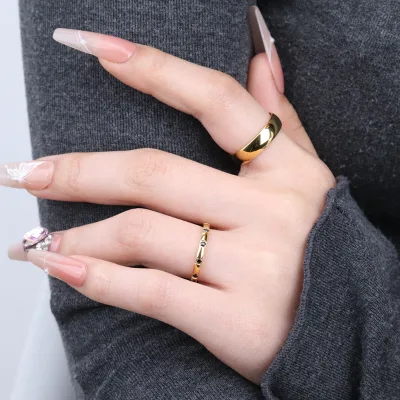
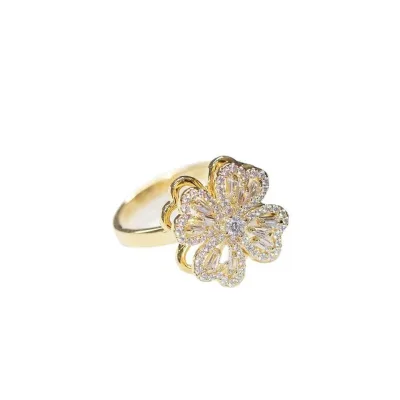

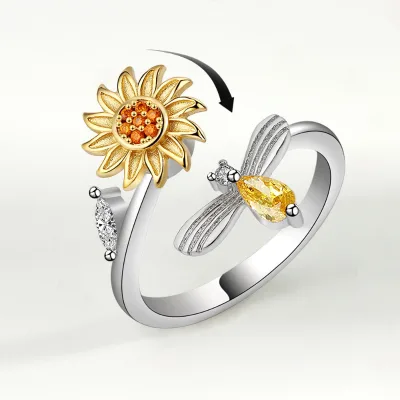
Unique Fun Relief Stress Magic Ring Toy Multi-Function Ring Gift Novelty Creative Toys
$1.99 - $3.00
MOQ: 100 Pieces


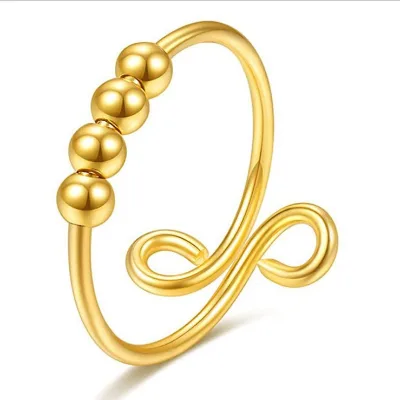
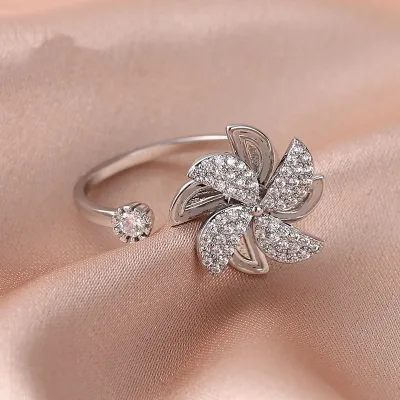
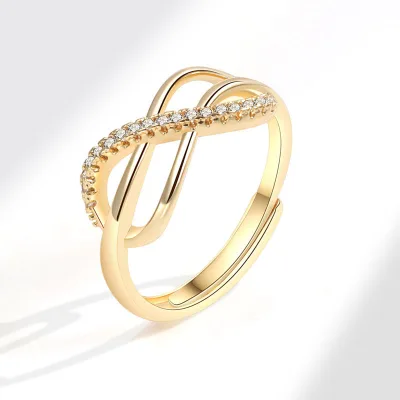
Comprehensive Sourcing Guide
Sourcing Guide for Nickel and Lead-Free Anxiety Relief Fidget Rings
The global demand for sensory aids and anxiety relief tools has driven a significant shift in the B2B procurement landscape, particularly for wearable solutions like fidget rings. Buyers seeking "nickel and lead-free anxiety relief fidget rings" must navigate a complex supply chain where material safety, functional design, and regulatory compliance intersect. This guide provides a structured approach to sourcing these specific products, leveraging observed market data and verified product attributes to ensure a compliant and effective procurement strategy. The focus remains on identifying suppliers who can deliver durable, safe, and customizable sensory rings without relying on unverified claims or external market speculation.
Material Composition and Safety Verification
The primary concern for buyers of anxiety relief rings is the material composition, specifically the absence of nickel and lead. These heavy metals are common allergens and health hazards, making their exclusion a non-negotiable requirement for products intended for prolonged skin contact. Based on observed product attributes, stainless steel emerges as a primary candidate for the jewelry main material. Stainless steel is inherently resistant to corrosion and generally offers a lower risk of allergic reaction compared to base metals, provided it is of high grade.
However, the mere listing of "Stainless Steel" is insufficient for a buyer to assume nickel-free status. Procurement teams must verify the specific alloy grade. While some stainless steel grades contain nickel for durability, others are formulated to be nickel-free. The observed data indicates that products are available with certifications such as FDA, RoHS, and ISO9001. These certifications are critical indicators of material safety. FDA compliance suggests the material is safe for food contact or general human contact, while RoHS (Restriction of Hazardous Substances) explicitly limits the use of lead and other hazardous substances in electrical and electronic equipment, often extending to consumer goods.
Buyers should request mill test reports or specific material safety data sheets (MSDS) that explicitly state the nickel and lead content levels. The observed "Certificate Type: no" for some listings highlights the variability in supplier documentation. A robust sourcing strategy requires prioritizing suppliers who can provide active, verifiable certificates rather than those who list "no" or provide generic claims. The presence of "18K Gold Plated, Silver Plated, Rose Gold Plated" options in the observed data suggests that surface treatments are common. Buyers must ensure that the plating process does not introduce nickel underlayers or lead-based pigments, and that the plating is durable enough to prevent the underlying metal from exposing itself to the skin over time.
Technical Specifications and Functional Design
The technical specifications of a fidget ring determine its efficacy as an anxiety relief tool. The observed product data reveals a variety of models, including "Sensory Ring," "Magnetic Ring," and "worm toy" designs, indicating a diverse range of functional mechanisms. The "Shape: O-Ring" attribute confirms that the classic ring form factor is prevalent, but the "Shape\pattern: Other" attribute suggests that unique textures or geometries are also available.
Size is a critical specification for usability. The observed data lists standards such as "2.5cm," "4.2cm," and "(10/25cm)/(4/10in)." These measurements likely refer to the diameter or the width of the ring, or potentially the length of the sensory element. For a ring to be effective, it must fit comfortably on the finger while allowing for the necessary tactile stimulation. The "Single package size: 1.5X0.6X0.6 cm" and "Single gross weight: 0.005 kg" indicate that these products are lightweight and compact, which is essential for daily wear without causing fatigue.
The "Type: Mold Compression" attribute points to the manufacturing process used to create the ring's shape. This method is often associated with high precision and consistency, which is vital for ensuring that the ring's dimensions remain uniform across a large batch. Additionally, the "Feature: Durable" attribute underscores the need for products that can withstand repeated manipulation and friction. Buyers should verify that the "Mold Compression" process results in a product that does not easily deform or crack under stress. The "Age Range: 14 Years & Up" suggests that these products are designed for adolescents and adults, implying a level of sophistication in the design that may not be suitable for very young children who might swallow small parts.
Compliance, Certification, and Regulatory Standards
Navigating the regulatory landscape is perhaps the most critical step in sourcing nickel and lead-free fidget rings. The observed data lists several certifications, including FDA, RoHS, ISO9001, and ISO14001. These are not merely marketing terms but represent adherence to specific international standards.
- FDA Compliance: Indicates that the materials are safe for contact with the human body and potentially food, a high bar for safety.
- RoHS Compliance: Specifically restricts the use of lead, mercury, cadmium, and other hazardous substances. This is the primary certification to look for regarding "lead-free" claims.
- ISO9001: Certifies that the supplier has a quality management system in place, ensuring consistent production standards.
- ISO14001: Certifies environmental management, suggesting the supplier is committed to sustainable practices.
It is important to note that the observed data also includes entries where "Certificate Type: no." This discrepancy highlights the necessity of rigorous supplier vetting. Buyers cannot rely on a supplier's website alone; they must request physical copies of the certificates and verify their validity with the issuing bodies. Furthermore, the "Standard: 2.5cm" and "Standard: 4.2cm" entries suggest that while some products have fixed standards, others are "Customizable according to customer requirements." This flexibility allows buyers to tailor the product to specific regional regulations or customer preferences, but it also introduces complexity in quality control.
Cost Drivers and Pricing Dynamics
Understanding the cost drivers for fidget rings is essential for budgeting and negotiation. The observed price range of $0.07 to $8.05 USD indicates a wide spectrum of product value. The lower end of the spectrum likely corresponds to basic stainless steel rings with simple designs and minimal packaging. The higher end likely reflects more complex designs, such as magnetic rings, those with specialized plating (18K Gold, Rose Gold), or products with custom packaging.
Several factors influence the final price:
- Material Grade: Higher-grade stainless steel or specific nickel-free alloys will cost more than standard base metals.
- Plating and Finishing: The application of 18K gold or silver plating adds significant cost due to the precious metals and the labor-intensive process.
- Customization: The "Customization: Available" attribute suggests that bespoke designs, logos, or specific dimensions will incur additional tooling and setup fees.
- Packaging: The observed packaging options, ranging from "OPP Bag" to "Transparent Plastic Box" and "PP Bag + Carton," affect the unit cost. Eco-friendly or premium packaging will increase the price.
- Certifications: Suppliers with valid FDA and RoHS certifications may charge a premium due to the cost of testing and compliance maintenance.
The Minimum Order Quantity (MOQ) range of 2 to 2000 units also impacts the unit price. Lower MOQs (e.g., 2 units) are suitable for sampling or small businesses but often come with a higher per-unit cost. Higher MOQs (e.g., 2000 units) typically allow for economies of scale, reducing the cost per unit. Buyers should balance their budget constraints with their volume needs to optimize the cost per unit.
Supplier Evaluation and Sourcing Strategy
Selecting the right supplier requires a multi-faceted evaluation process. The observed data indicates that products originate from "Shanxi, China" and "Fujian, China." These regions are known for their manufacturing capabilities, but buyers should not assume all suppliers in these locations meet the same quality standards.
Key evaluation criteria include:
- Certification Validity: As mentioned, verify that the FDA, RoHS, and ISO certifications are current and applicable to the specific product line.
- Production Capacity: Assess whether the supplier can handle the required volume, considering the "Type: Mold Compression" process which may require specific machinery.
- Customization Capability: Given the "Customization: Available" attribute, evaluate the supplier's ability to handle custom orders, including mold making and sample making services.
- Quality Control Processes: Inquire about their internal QC procedures. Do they test for nickel and lead content on every batch, or only periodically?
- Communication and Responsiveness: Effective communication is crucial for resolving issues related to specifications, packaging, and shipping.
Buyers should prioritize suppliers who demonstrate transparency in their documentation and are willing to provide samples for testing before committing to a large order. The "provide mould making and sample making service: sample making" attribute is a positive indicator of a supplier's flexibility and willingness to collaborate.
Quality Control and Long-Term Procurement Considerations
Ensuring consistent quality is paramount for long-term success. The "Feature: Durable" attribute suggests that the product must withstand daily use. Quality control measures should include:
- Material Testing: Regular testing for nickel and lead content using X-ray fluorescence (XRF) or similar methods.
- Dimensional Checks: Verifying that the ring dimensions (e.g., 2.5cm, 4.2cm) are within the specified tolerance.
- Plating Adhesion: Testing the durability of the plating to ensure it does not flake or wear off easily.
- Packaging Integrity: Ensuring that the "OPP Bag" or "Transparent Plastic Box" protects the product during transit.
For long-term procurement, buyers should consider the "Standard: Standard, Nonstandard" attribute. While standard sizes are easier to source, nonstandard sizes may require ongoing tooling maintenance. Establishing a long-term relationship with a supplier who can consistently meet quality standards and adapt to changing requirements is essential. The "Application: Daily" attribute reinforces the need for a product that remains functional and safe over an extended period.
In conclusion, sourcing nickel and lead-free anxiety relief fidget rings requires a meticulous approach that prioritizes material safety, functional design, and regulatory compliance. By leveraging the observed product attributes and adhering to the verification protocols outlined in this guide, buyers can identify reliable suppliers and secure high-quality products that meet the needs of their customers. The diversity in models, from sensory rings to magnetic designs, offers ample opportunity for customization, but it also demands a rigorous due diligence process to ensure that every product delivered is safe, durable, and compliant.
FAQs
What materials are used for nickel and lead free anxiety relief fidget rings?
Stainless steel is the primary material used for these rings, offering corrosion resistance and lower allergy risks. Buyers must verify the specific alloy grade to ensure it is truly nickel-free, as some stainless steel grades contain nickel for durability.
Which certifications confirm the safety of these fidget rings?
Products often carry FDA, RoHS, ISO9001, and ISO14001 certifications to verify material safety and quality management. RoHS specifically restricts lead and hazardous substances, while FDA compliance suggests safety for human contact, though some listings may lack valid certificates.
Can buyers request customization for these sensory rings?
Yes, customization is available for these rings, allowing for bespoke designs, logos, or specific dimensions. Suppliers also offer mold making and sample making services to accommodate custom requirements, though this may involve additional tooling fees.
What is the typical price range for these anxiety relief rings?
The observed price range spans from 0.07 to 8.05 USD, varying based on material grade and finishing. Basic stainless steel rings cost less, while options with 18K gold plating or complex magnetic designs command higher prices.
How are these rings packaged for shipping and retail?
Packaging options include OPP bags, transparent plastic boxes, and PP bags with cartons depending on the supplier. Buyers can often request specific packaging methods, which may influence the unit cost and protection during transit.
What are the standard sizes for these sensory rings?
Standard sizes observed include 2.5cm, 4.2cm, and mixed designs, with some products offering customizable dimensions. The single package size is typically compact, around 1.5x0.6x0.6 cm, ensuring the rings are lightweight and easy to wear daily.
Where are these rings manufactured and what is the origin?
These rings originate from manufacturing hubs in Shanxi and Fujian, China. Buyers should verify the specific origin of each supplier, as manufacturing capabilities and quality standards can vary between these regions.